Soups & Stews
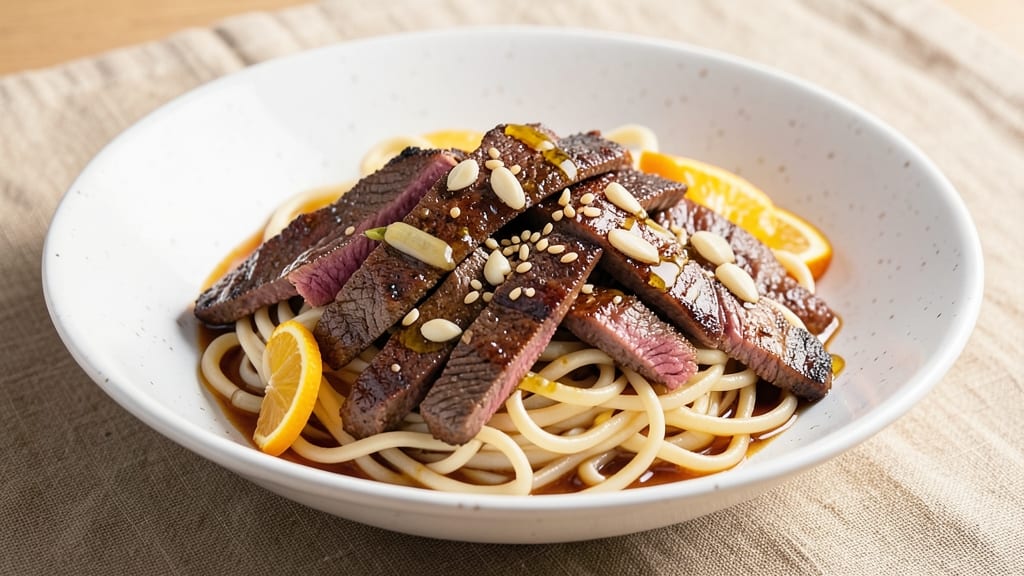
This one-pot beef and frozen noodles recipe transforms simple ingredients into a hearty, protein-rich meal that comes together in under 30 minutes.
The secret lies in stir-frying tender beef strips until they develop a caramelized crust, then combining them with frozen noodles and a savory broth that soaks every strand perfectly. I developed this method during busy weeknights when I needed a satisfying dinner without the fuss of multiple pots.
The beauty of this dish is its adaptability—whether you prefer a classic soy-ginger flavor or a spicy chili oil kick, the base technique remains the same. Thinly sliced beef cooks quickly over high heat, releasing its natural juices, while the frozen noodles absorb the flavorful sauce as they cook.
This isn't just a quick fix; it's a restaurant-quality meal that delivers deep, umami-rich taste with minimal effort.
By the time you're done, you'll have a steaming bowl of tender beef and perfectly cooked noodles, all infused with aromatic garlic, ginger, and your choice of seasonings.
The one-pot method ensures easy cleanup, making it ideal for weeknights or meal prep. Serve with steamed vegetables or a simple side salad for a complete, balanced dinner.
This recipe works equally well with ground beef, shredded chicken, or even tofu for a vegetarian twist. The key is balancing the sauce—just enough saltiness, acidity, and heat to complement the beef's richness. Let's get started on creating this comforting, protein-packed meal that's as nourishing as it is delicious.
Ingredients for beef and frozen noodles
Simple pantry staples that transform into a restaurant-worthy one-pot meal in under 30 minutes.
| Ingredient | Amount | Notes |
|---|---|---|
| Thinly Sliced Beef (Flank Steak or Sirloin) 🥩 | 1 ½ lb | Cut against grain for tenderness |
| Frozen Egg Noodles 🍜 | 12 oz | Any shape works, no thawing needed |
| Soy Sauce 🍶 | ½ cup | High-quality, low-sodium preferred |
| Garlic Cloves 🧄 | 6 cloves | Minced for aromatic punch |
| Fresh Ginger 🌿 | 2 tbsp | Finely grated, about 1-inch piece |
| Sesame Oil 🫒 | 1 tbsp | Toasted for nutty aroma |
| Neutral Oil (Vegetable or Canola) 🫒 | 2 tbsp | High smoke point for stir-frying |
| Brown Sugar 🍯 | 1 tbsp | Light or dark variety |
| Red Pepper Flakes 🌶️ | ½ tsp | Adjust for heat preference |
| Green Onions 🧅 | 4 whole | Sliced, for fresh finish |
| Vegetable or Beef Broth 💧 | 1 ½ cups | Low-sodium preferred |
| Cornstarch 🌾 | 1 tbsp | For thickening sauce |
| Salt 🧂 | 1 tsp | Kosher or sea salt |
| Black Pepper 🌶️ | ½ tsp | Freshly ground |
The beef makes or breaks this dish—flank steak or sirloin are ideal for their tenderness when sliced thin. Look for packages labeled 'thinly sliced for stir-fry' at Asian markets or your grocery store's meat counter. If you can't find pre-sliced, ask the butcher to cut it against the grain for maximum tenderness. The frozen noodles? Any brand works—just check the package for weight. I prefer egg noodles for their rich flavor, but wheat or rice noodles are great too. Fresh ginger is non-negotiable here—dried lacks the bright punch that makes this sauce sing.
No soy sauce? Coconut aminos or tamari work in a pinch, though the flavor will differ slightly. Skip the sesame oil? A pinch of toasted sesame seeds at the end still adds texture. The cornstarch is key for that silky sauce—arrowroot works too if you're out. For extra umami, add a splash of fish sauce or Worcestershire (though the latter contains anchovies, so skip if avoiding). The brown sugar balances the saltiness, but honey or maple syrup work in a bind. And if your red pepper flakes are too mild? Add a pinch of cayenne for real heat.
This reheats beautifully—just add a splash of water or broth to loosen the sauce. Keeps for 4 days in the fridge, freezes for 3 months. Double the recipe and freeze half for lazy nights. The beef stays tender when reheated, but if it's too dry, add a teaspoon of broth and cover for 2 minutes. Garnish with extra green onions and a drizzle of sesame oil right before serving—trust me on this. Leftovers taste even better the next day as the flavors meld.
Why You'll Love This Recipe
- No-Fuss Pantry Staples: I swear by this recipe when my fridge is empty—just beef, soy sauce, and those egg noodles from the freezer aisle. The ginger and garlic add so much punch without needing fancy ingredients.
- Crispy-Tender Beef Magic: That quick sear on the flank steak gives you the best of both worlds: tender slices with a caramelized edge. Toss in the noodles, and suddenly, you’ve got restaurant-quality texture in one pan.
- Lunchbox Hero: Between us, this is my go-to for meal prep—packs well, reheats beautifully, and my kids actually eat it. (Yes, even on a Tuesday night.) The noodles stay al dente, and the beef keeps its bite.
- Budget Meal, Big Payoff: Honestly, this recipe saves me money and time. A single sirloin feeds four, and the noodles cost pennies. Leftovers? Even better cold the next day—just add a splash of soy sauce to revive it.
Step-by-step instructions for one-pot beef and noodles
This hearty dish comes together in a single pot with minimal prep and maximum flavor.
Prep and Sear the Beef for Maximum Flavor
Start by cutting the 1.5 lb thinly sliced beef against the grain into ½-inch strips for tender bites. Pat the beef strips dry with paper towels—this ensures a good sear. Heat 2 tablespoons neutral oil in a large pot or deep skillet over medium-high heat until shimmering.
Work in batches if needed to avoid crowding the pan. Add the beef strips and sear for 2-3 minutes per side until they turn a deep golden brown. You'll see the edges crisp up—that's your signal they're ready. Remove the beef and set it aside on a plate, leaving all the rendered fat in the pot. This fat is pure flavor gold for your sauce.
Build the Aromatic Base with Garlic and Ginger
In the same pot, reduce the heat to medium and add 2 tablespoons fresh ginger and 6 cloves garlic cloves that you've minced. Stir constantly for 30 seconds until the garlic becomes fragrant and just begins to turn golden—don't let it burn, or it'll turn bitter. Here's the thing—ginger burns faster than garlic, so keep your eye on it.
Add 1 tablespoon brown sugar and 0.5 teaspoon red pepper flakes to the pot. Stir for another 30 seconds until the sugar melts and the spices bloom. This step creates the flavor foundation for your dish. The sugar will caramelize slightly, adding depth to the sauce, while the red pepper flakes infuse subtle heat.
Cook the Noodles Directly in the Pot
Add 12 oz frozen egg noodles directly to the pot along with 1.5 cups vegetable or beef broth and 0.5 cup soy sauce. Stir everything together and bring to a gentle boil. Once boiling, reduce heat to medium-low and let the noodles cook for 8-10 minutes, stirring occasionally, until they're tender and most of the liquid has been absorbed.
I know it seems weird to cook frozen noodles directly in the pot, but trust me—this method creates the perfect sauce consistency without needing to drain anything. The noodles will soak up just enough liquid to soften while leaving enough sauce to coat everything beautifully. If the mixture looks too dry before the noodles are tender, add ¼ cup water and continue cooking.
Return the Beef and Thicken the Sauce
Add the seared beef strips back to the pot along with 1 tablespoon sesame oil and 1 teaspoon salt. Stir everything together and let it simmer for 2-3 minutes until the beef is heated through. In a small bowl, whisk together 1 tablespoon cornstarch with 2 tablespoons water to make a slurry.
Pour the cornstarch slurry into the pot and stir constantly for 1-2 minutes until the sauce thickens to a glossy, clinging consistency. You want it to coat the back of a spoon—that's when you know it's perfect. Taste and adjust seasoning with 0.5 teaspoon black pepper if needed. The sauce should be savory, slightly sweet from the brown sugar, and well-balanced with umami from the soy sauce.
Finish and Serve with Fresh Green Onions
Remove the pot from heat and let it sit for 1 minute to allow the sauce to thicken slightly more. Stir in 4 whole green onions that you've sliced, both the white and green parts. This adds a fresh, bright contrast to the rich beef and noodles. Taste one last time and adjust seasoning if necessary—sometimes the flavors meld differently after resting.
Serve immediately while the noodles are hot and the sauce is still glossy. The beef should be tender with just a hint of chew, the noodles perfectly al dente, and the sauce clinging to every bite. This one-pot wonder delivers restaurant-quality comfort food with minimal effort and maximum satisfaction. Pair it with steamed vegetables or a simple side salad for a complete meal.
Pro Tips For Making Beef And Frozen Noodles
- SEAR THE BEEF FAST: Get your pan screaming hot—like, almost smoke-level hot—before adding the sliced beef. I used to waste time heating it up, and the beef would just steam instead of sear. Once it hits the pan, it should sizzle immediately and turn brown in under 30 seconds. No, you’re not burning it—you’re building flavor.
- THAW NOODLES IN COLD WATER: Skip the microwave and plunge frozen noodles into a bowl of ice water for 2-3 minutes. This keeps them from sticking like glue when you toss them later. Drain well, but don’t rinse—you want that starchy coating to help the sauce cling.
- BLOOM GARLIC AND GINGER FIRST: Toss minced garlic and ginger into the pan after the beef is removed (or while it rests). Let them sizzle for 20 seconds until fragrant—this stops them from turning bitter. Add a splash of soy sauce here, too; it’ll deepen their flavor before the noodles even go in.
- DON’T OVERCOOK THE NOODLES: Frozen egg noodles cook faster than you think. Start checking for tenderness at 1 minute, not 2. They should be al dente but still slightly firm—overcooking turns them mushy, and no one wants sad noodles in a beef stir-fry. Taste-test early.
Perfect pairings for this dish
Classic Side Suggestions
Steamed broccoli or bok choy adds a vibrant green contrast to the rich beef and noodles. I like using a steamer basket with 2 cups broccoli florets for 5-6 minutes until tender-crisp, then tossing with 1 tsp toasted sesame oil and a pinch of red pepper flakes.
The crisp texture cuts through the noodles beautifully. 🥦
Crunchy Toppings
Add texture with crispy fried shallots or toasted sesame seeds. I sprinkle 2 tbsp fried shallots from Asian markets or 1 tbsp toasted sesame seeds on top right before serving. These toppings add a satisfying crunch that elevates the dish from comforting to extraordinary.
Fresh Garnishes
Brighten the dish with cilantro or Thai basil. I like 2 tbsp chopped cilantro or 1 tbsp finely chopped Thai basil for a fresh herbal note.
For extra zing, add ½ lime wedges on the side—squeeze a little over your bowl before eating. The acidity balances the rich beef flavors perfectly.
Drink Pairings
A crisp green tea like Sencha or Jasmine complements the dish's savory-sweet balance. For beer lovers, a light lager such as Asahi or Sapporo cleanses the palate without overpowering. If you prefer wine, a dry Riesling with its citrus notes enhances the ginger and garlic flavors.
Extra Sauce Options
Serve with chili oil or sriracha mayo on the side for customizable heat. I make a quick sriracha mayo by mixing 2 tbsp mayonnaise with 1 tsp sriracha and ½ tsp honey. Drizzle it over your noodles for a creamy, spicy kick that pairs perfectly with the beef's richness.
Nutrition facts
Frequently asked questions
Can I use ground beef instead of thinly sliced beef?
Yes! Ground beef works perfectly for this recipe. Use 1.5 lb ground beef (80/20 fat ratio) and brown it thoroughly in the pot before adding the noodles. The fat content helps create a rich sauce, but drain excess grease if you prefer a lighter dish. Cook the ground beef for 3-4 minutes until no longer pink before proceeding with the recipe.
What if my frozen noodles have a weird aftertaste?
Some frozen noodles contain preservatives that can leave a chemical taste. To fix this, soak the noodles in cold water for 10 minutes before cooking, then drain and pat dry. This removes excess sodium and additives. For extra flavor, add 1 tsp vinegar or lemon juice to the soaking water.
How can I make this spicier without ruining the balance?
Start with 1 tsp chili crisp or gochujang instead of red pepper flakes for deeper heat. For extra kick, add ½ tsp cayenne pepper with the ginger and garlic, then adjust to taste at the end. Remember: spice builds as the dish cooks, so start conservative and add more if needed.
Can I make this ahead of time for meal prep?
This dish reheats beautifully. Cook completely, then store in an airtight container for up to 4 days in the fridge. For reheating, add 2 tbsp water or broth and cover for 2-3 minutes on the stove or microwave until hot. The sauce will thicken slightly more when reheated.
What's the best way to slice beef for maximum tenderness?
Slice against the grain for the most tender results. Look for the muscle fibers running lengthwise in the beef cut, then slice perpendicular to these lines. For ½-inch strips, use a sharp knife and work quickly to maintain even thickness. If your beef is particularly tough, marinate in 1 tbsp soy sauce + 1 tsp brown sugar for 30 minutes before cooking.