
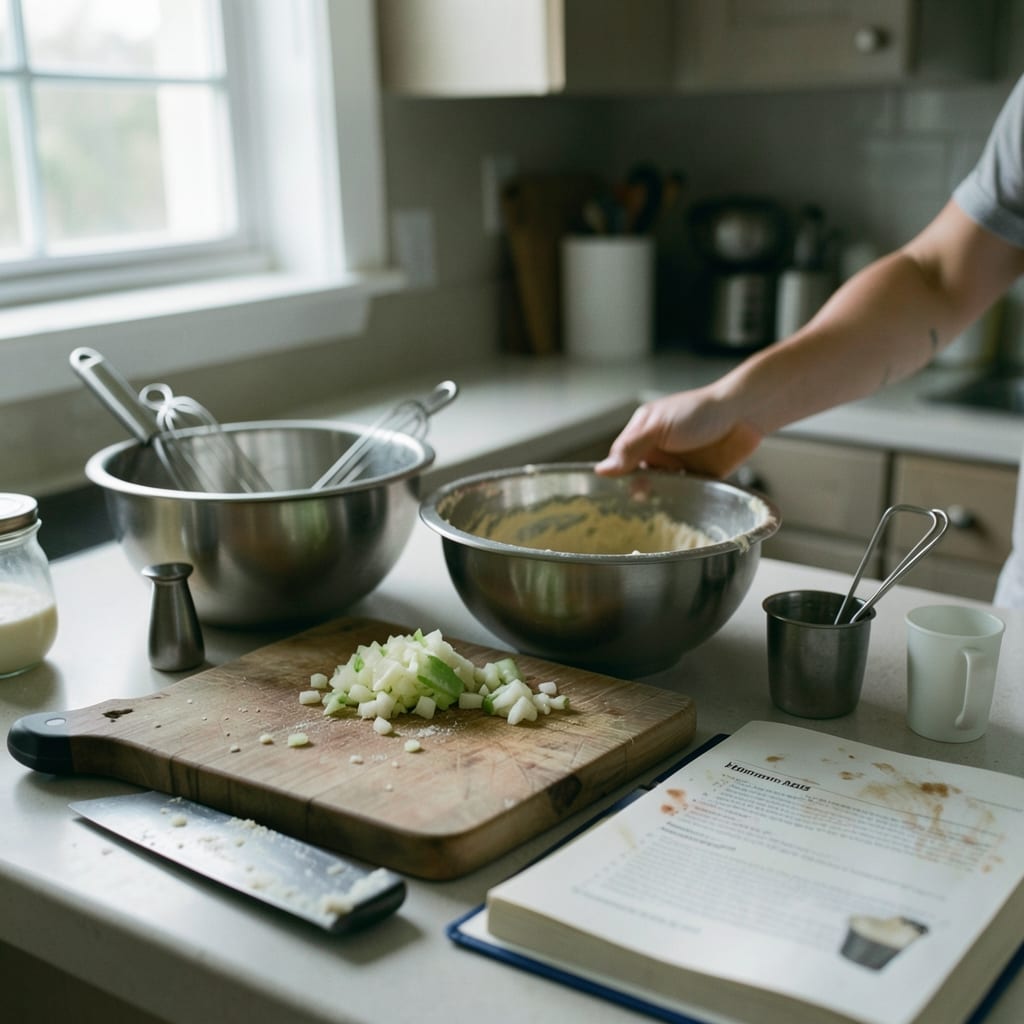
You have read a hundred of these
You’re right to be sceptical. Most sites either regurgitate what’s already out there or pretend their ‘secret tips’ are revolutionary when they’re just repackaged basics. We don’t do that.
The recipes here aren’t just copied from cookbooks or YouTube videos—they’re built from years of trial, error, and the kind of stubbornness that makes a butcher’s son refuse to accept ‘good enough.’
But here’s the catch: we’re not here to sell you a fantasy. If you’re looking for ‘the one trick’ that turns a steak into a Michelin-starred masterpiece overnight, you’ll leave disappointed. What we offer is the opposite: the messy, time-consuming, occasionally frustrating truth about how real flavor works.
No shortcuts, no hacks—just the unvarnished process of getting it right.
Every recipe site promises ‘authentic flavor’ or ‘foolproof techniques’—then delivers the same tired steps wrapped in new words.
Anyone can write that they test things
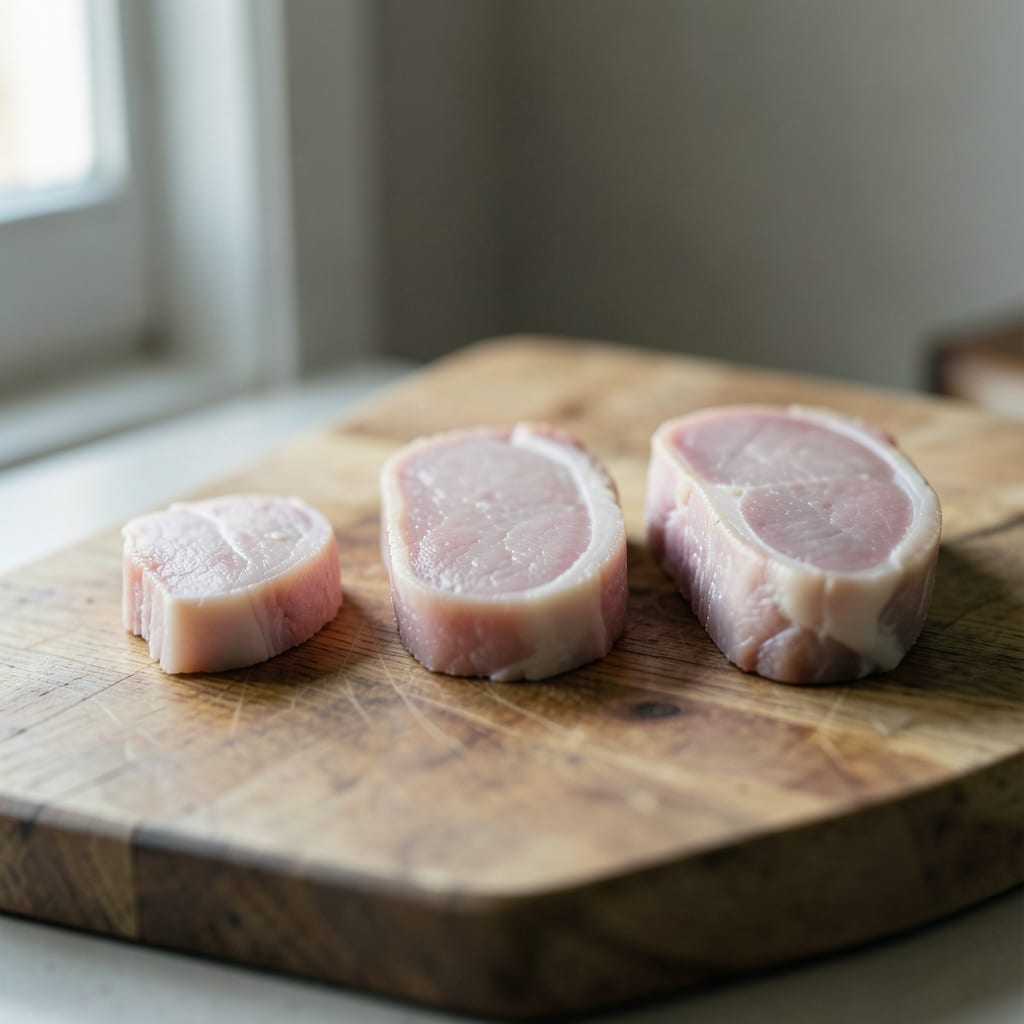
We test until something breaks. That means cooking the same dish at least three times—sometimes more—before it’s published. A single recipe for a perfectly seared ribeye might take six attempts: one where the crust burns, one where it’s raw inside, one where the seasoning tastes like salt licks.
We throw out the first five before we even consider posting.
And ‘tested’ doesn’t mean ‘photographed once in good light.’ We document every stage: the temperature of the pan when the meat hits it, how long it takes to develop a crust, the exact moment the internal temp reaches 130°F for medium-rare.
If a step doesn’t hold up in three different kitchens—with three different heat sources—it’s not here.
The cost? A lot of wasted beef, a few ruined pans, and more grease stains on aprons than we’d like to admit. But if a recipe doesn’t survive that, it wasn’t worth writing down.
Every site claims their recipes are tested, but most mean ‘I typed it into a food processor once and called it a day.’
About the author
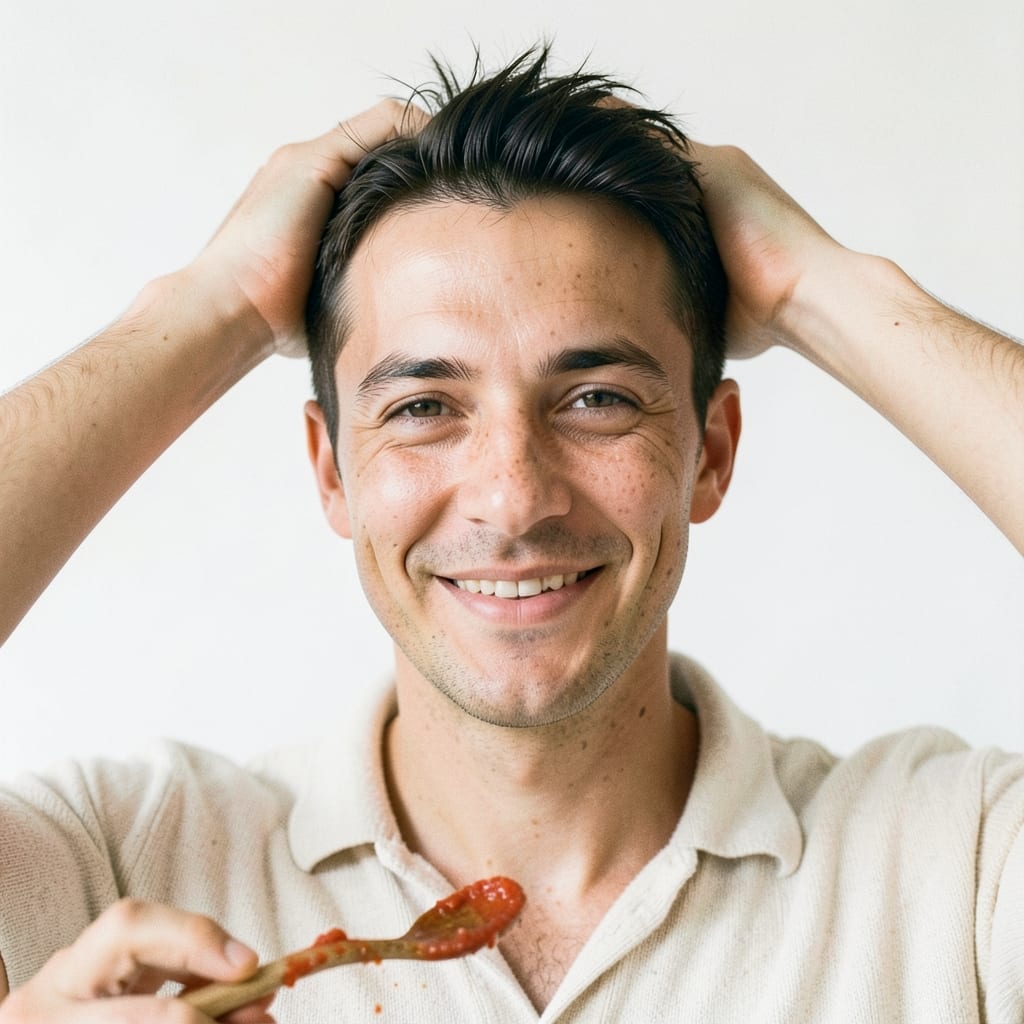
Arturo Prescott is the founder and editor of *Beef Recipes Sear*, and he’s been cooking with meat since before he could reach the counter.
The rules we work by
- 1No borrowed shortcuts
Every technique here is either something I learned from my dad’s butcher shop or something I ruined three times before it worked. If it’s not worth doing yourself, it’s not here. The cost? More failed experiments than successes, but that’s how you know it’s real.
- 2Measure everything twice
Timing, temperature, and weight matter more than ‘eyeballing it.’ A steak seared at 450°F for 90 seconds is different from one at 500°F for 60 seconds—even if they look the same. The cost? Slower cooking, but faster results when it actually works.
- 3Never publish a ‘perfect’ recipe
If a dish comes out flawlessly every time, it’s either too simple or we’re hiding something. The best recipes have room for variation—like how a cast-iron skillet needs to be preheated just right, or how a dry brine needs 12 hours, not 8. The cost? Some frustration, but that’s how you learn.
- 4Admit when it’s not worth it
Not every cut of beef is worth the effort. A cheap chuck roast might taste great slow-cooked, but it won’t sear like a dry-aged ribeye. The cost? Knowing when to walk away from a bad ingredient before it ruins the whole meal.
- 5Write for the person in the middle
This isn’t for home cooks who’ve never touched a knife or professional chefs with years of experience. It’s for the guy who’s seared a steak once and wants to do it better next time. The cost? No ‘foolproof’ guarantees—just a straight shot at how to improve.
The one rule we’ve broken? The time we posted a recipe for coffee-rubbed brisket that turned out too sweet because we forgot to adjust the salt in the rub. We left it up for a week—with a note saying it needed more heat—and then updated it.
That’s the only ‘fail’ we’ve ever kept public, and it’s still there as a warning.
This will not be right for everyone
Close this page now if you’re looking for quick fixes, instant gratification, or recipes that sound like they were written by a food stylist who’s never actually cooked. This isn’t for people who want to ‘impress their friends’ with a dish they don’t fully understand.
It’s for people who’d rather spend an extra hour mastering a technique than settle for ‘good enough.’
And if you’re the kind of cook who gets frustrated when a recipe doesn’t work the first time—or who’d rather scroll past a step that says ‘let it rest for 10 minutes’—you’ll find this site slow, fussy, and maybe even boring. That’s not an accident.
The goal isn’t to make things easier; it’s to make them better.
You could just be told what you want to hear
We could say we’ve been featured in *Bon Appétit* or that our searing method is ‘revolutionary,’ but that’s not how this works. What’s worth telling you?
That the first time we tried reverse-searing a prime rib, it came out dry because we didn’t account for the residual heat in the oven. That the best beef stock isn’t made from scraps—it’s made from bones simmered low and slow for 12 hours.
That we’d rather you walk away knowing why a steak turned out tough than pretend it was supposed to be that way.
Worth telling us
- The exact temperature your pan needs to be before the meat hits it—and why guessing ruins the crust.
- How long to let a steak rest, and what happens if you cut into it too soon (spoiler: it gets sad).
- When to walk away from a bad cut of meat before you waste three hours on it.
The recipes are grouped by category: Appetizers, Beverages, Breakfast & Brunch, Desserts, Main Courses and Salads.