
Soups & Stews
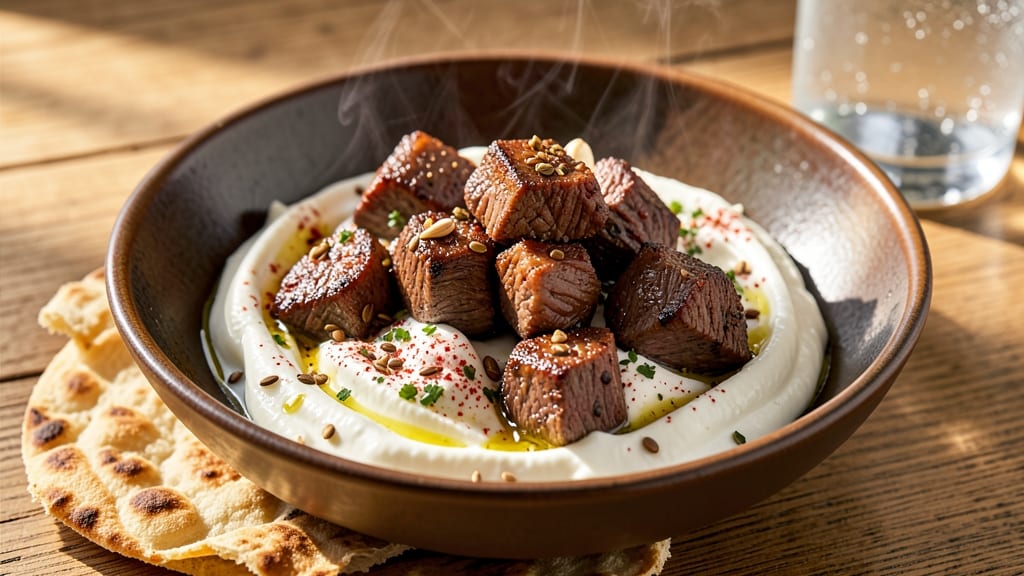
This beef and Greek yogurt recipe transforms ordinary stews into something extraordinary—rich, tender beef infused with bright, tangy yogurt that balances every bite. The secret lies in marinating the beef overnight, allowing the yogurt to tenderize while adding layers of flavor that slow cooking alone can't achieve.
I developed this method after years of experimenting with Middle Eastern and South Asian techniques, where yogurt isn't just an ingredient but the heart of the dish.
The process starts with searing beef chuck to lock in juices before slow-cooking it until fork-tender. Then, the yogurt sauce—cooling, velvety, and packed with garlic and herbs—binds everything together, creating a sauce that's neither too heavy nor too thin.
This isn't your grandmother's beef stew; it's a dish that feels restaurant-quality without requiring fancy techniques. The yogurt also adds a subtle creaminess that cuts through the richness of the meat, making every spoonful balanced and satisfying.
By the time you serve this, you'll have deeply flavorful beef that falls apart at the touch of a fork, swimming in a sauce that's creamy yet bright, with just the right amount of tang.
The yogurt doesn't just add moisture—it transforms the dish into something complex and layered, with notes of garlic, cumin, and fresh herbs that linger on the palate. This is the kind of stew that disappears from bowls and leaves everyone asking for seconds.
Pair it with warm pita bread to soak up every last drop of sauce or serve alongside roasted root vegetables for a complete meal. The beauty of this recipe is its versatility—it works as a weeknight dinner or a showstopping centerpiece for guests, all while keeping prep simple.
Let's get started on a dish that proves Greek yogurt belongs in every stew pantry.
Ingredients for beef and greek yogurt
Rich beef meets tangy yogurt—where restaurant-quality stews begin with pantry staples.
| Ingredient | Amount | Notes |
|---|---|---|
| Beef Chuck Roast 🥩 | 2 lb | Cut into 1.5-inch cubes |
| Plain Greek Yogurt 🥛 | 1 cup | Full-fat for creaminess |
| Garlic Cloves 🧄 | 6 cloves | Minced for marinade and sauce |
| Ground Cumin 🌿 | 1 tbsp | Toasted for deeper flavor |
| Ground Coriander 🌿 | 1 tbsp | Freshly ground preferred |
| Paprika 🌶️ | 1 tbsp | Smoked variety for depth |
| Fresh Ginger 🌿 | 1 tbsp | Grated, aromatic |
| Fresh Dill 🌿 | ¼ cup | Chopped, stems removed |
| Fresh Parsley 🌿 | ¼ cup | Chopped for brightness |
| Extra-Virgin Olive Oil 🫒 | ¼ cup | High-quality, fruity |
| Yellow Onion 🧅 | 1 whole | Diced, medium size |
| Carrots 🥕 | 4 whole | Peeled, cut into chunks |
| Celery Stalks 🥬 | 3 whole | Diced, for aromatic base |
| Beef Broth 💧 | 4 cups | Low-sodium preferred |
| Lemon Juice 🍋 | 1 tbsp | Freshly squeezed |
| Salt 🧂 | 1 ½ tsp | Diamond Crystal preferred |
| Black Pepper 🌶️ | ½ tsp | Freshly cracked |
The beef chuck is non-negotiable here—it's the only cut with enough fat and connective tissue to stay tender through slow cooking. Costco or Whole Foods carry the best quality, but don't stress if you grab it from the regular supermarket meat counter. Look for pieces with good marbling (that white streaks of fat), which melts during cooking and keeps the beef juicy. I always buy extra because it freezes beautifully for up to 6 months. The Greek yogurt should be full-fat for that velvety texture—Fage or Chobani are my go-tos, but any plain yogurt without additives works. Fresh herbs like dill and parsley make all the difference, so if they're wilting, give them a quick soak in ice water to revive them.
No smoked paprika? Sweet paprika plus a pinch of liquid smoke gets you close. Running short on fresh ginger? Ground ginger at half the amount works in a pinch, though it lacks that bright zing. The beef broth can be homemade (always better) or a quality low-sodium store-bought variety—Pacific Foods or Imagine are solid choices. For the yogurt marinade, if you're in a hurry, mix the yogurt with a splash of water to thin it slightly—it needs to coat the beef properly. The carrots and celery can be swapped for any root vegetable you have on hand (turnips, potatoes), but keep the onion—it's the flavor backbone.
Prep the beef first thing—it needs at least 4 hours (overnight is ideal) in the yogurt marinade. Store the marinade in an airtight container in the fridge, and the beef can stay submerged for up to 24 hours without issues. The cooked stew reheats beautifully—simmer on the stove for 5-10 minutes or microwave in 1-minute intervals until steaming. Portion into containers with the sauce and it keeps for 5 days in the fridge or 3 months frozen. The yogurt sauce thickens when chilled, so thin it with a splash of broth if needed when reheating.
Why You'll Love This Recipe
- No Fuss, Big Payoff: I swear by this when I’m too tired to chop anything. The beef gets tender with just salt, cumin, and coriander—no fancy marinating—while the yogurt sauce comes together in two minutes with garlic and a splash of water. That’s it. No stress, all flavor.
- Tangy Twist Surprise: The Greek yogurt isn’t just a side—it’s the star. It cuts through the richness of the beef with a bright, almost tzatziki-like kick, but way more robust. Honestly, I’ll take this over heavy gravy any day, especially when the garlic gets crispy around the edges.
- Leftover Hero: This recipe actually improves the next day. The beef stays juicy, and the yogurt sauce thickens into a luscious dip—perfect for wraps, bowls, or just eating straight from the pot. I’ve fed a crowd with the leftovers, and no one ever complains.
- Budget Stretch: A chuck roast is cheap, and Greek yogurt lasts forever. Between us, this feeds four for under $15, and the spices cost pennies. It’s my go-to when I need a filling, satisfying meal without breaking the bank. (Yes, even on a Tuesday night.)
Step-by-step instructions for beef and Greek yogurt stew
This tangy, creamy beef stew comes together with bold flavors and surprising yogurt richness.
Sear the Beef Chuck Roast for Deep Flavor
Pat the 2 lb Beef Chuck Roast dry with paper towels and cut it into 1.5-inch cubes. Heat the 0.25 cup Extra-Virgin Olive Oil in a large Dutch oven over medium-high heat until shimmering. Working in batches, add the beef cubes and sear for 3-4 minutes per side until they develop a deep brown crust. This step builds the foundation of flavor—don't rush it.
Once all the beef is browned, remove it from the pot and set aside. The browned bits left in the pot will form the rich base for your sauce. Here's the thing—those caramelized fragments are pure umami gold. If you scrape them up now, you'll capture every bit of flavor that makes this stew sing.
Build the Aromatic Base with Onion, Carrot, and Celery
In the same Dutch oven, add the 1 whole Yellow Onion (diced), 4 whole Carrots (peeled and cut into chunks), and 3 whole Celery Stalks (diced). Cook for 8-10 minutes over medium heat, stirring occasionally, until the vegetables soften and the onion becomes translucent. This slow cook time allows the vegetables to break down and release their natural sweetness into the pot.
Here's where it gets good—sprinkle in the 1 tbsp Ground Cumin, 1 tbsp Ground Coriander, 1 tbsp Paprika, and 1 tbsp Fresh Ginger (grated). Stir everything together and cook for another 2 minutes until the spices are fragrant. The spices should meld with the vegetables, creating a fragrant base that will infuse the entire stew with warmth and depth.
Deglaze and Simmer with Broth and Yogurt
Pour in the 4 cups Beef Broth and scrape up all those flavorful browned bits from the bottom of the pot. Bring the mixture to a gentle boil, then reduce heat to low and return the seared beef to the pot. Add the 1.5 tsp Salt and 0.5 tsp Black Pepper. Let the stew simmer uncovered for 1.5 hours, stirring occasionally, until the beef is fork-tender and the sauce has thickened slightly.
Here's the magic moment—stir in the 1 cup Plain Greek Yogurt and 1 tbsp Lemon Juice. The yogurt will create a silky, tangy creaminess that balances the richness of the beef. Simmer for another 10 minutes on low heat, stirring gently to prevent curdling. The stew should coat the back of a spoon with a velvety texture. If it looks too thick, add a splash of broth to reach your desired consistency.
Finish with Fresh Herbs and Serve Warm
Remove the stew from heat and stir in the 0.25 cup Fresh Dill and 0.25 cup Fresh Parsley (chopped). These herbs add a bright, fresh finish that cuts through the richness of the yogurt and beef. Let the stew sit for 5 minutes to allow the flavors to meld together. The herbs should be evenly distributed throughout the stew, adding a pop of color and freshness with every bite.
Taste and adjust the seasoning if needed—you might want a touch more salt or a squeeze of lemon to balance the flavors. Serve the stew hot, either as a main dish with crusty bread or over steamed rice. The tangy yogurt sauce will make every bite irresistible, and the tender beef will melt in your mouth.
Pro Tips For Making Beef And Greek Yogurt
- SEAR THE ROAST FIRST: The yogurt marinade is forgiving, but a deep caramelized crust makes all the difference here. Hit the chuck roast with a hot pan—no oil needed, just let the beef’s fat render—until it’s dark brown on all sides before adding the yogurt. I used to skip this, and the dish always felt flat until I tried it.
- USE FULL-FAT YOGURT: Low-fat or nonfat Greek yogurt will turn grainy and separate when cooked. Full-fat (or at least 2% milkfat) handles the heat better and adds richness that cuts through the beef’s richness. If you’re using a thicker brand, thin it slightly with water—just enough to coat the back of a spoon—so it clings properly.
- DON’T OVERMIX THE MARINADE: Stirring the yogurt, garlic, and spices into a paste is fine, but don’t turn it into a smooth batter. Leave some texture—tiny lumps of garlic and cumin—so they caramelize slightly during cooking. I learned this the hard way when my first batch tasted like a blended smoothie instead of a flavor bomb.
- BRAISE LOW AND LONG: This isn’t a quick sear-and-done dish. After searing and deglazing, cover the pot and simmer at a gentle bubble—maybe 300°F (150°C) if your oven allows—until the beef is fork-tender. I used to crank the heat, and the yogurt would curdle or the spices would taste bitter. Patience here guarantees tender meat and creamy sauce.
Storing and reheating this dish
Fridge Storage Tips
Transfer your stew to an airtight glass container (like Pyrex) while still warm to prevent condensation buildup. Let it cool completely before sealing—this keeps the yogurt sauce from separating. Store for up to 4 days in the fridge, but I recommend eating it within 3 days for peak texture.
The yogurt sauce may thicken slightly when chilled, so stir in 1-2 tablespoons of beef broth when reheating. 🥫
Freezer-Friendly Strategy
Portion the stew into freezer-safe containers or quart-sized freezer bags, leaving ½-inch headspace for expansion. Label with the date—it keeps for 3 months without losing flavor. When ready to eat, thaw overnight in the fridge, then reheat gently on the stove.
Never microwave directly from frozen, as the yogurt can curdle from uneven heating. 🧊
Stovetop Reheating
My preferred method is low-and-slow stovetop reheating. Place the stew in a pot over medium-low heat and add ¼ cup beef broth to prevent sticking. Stir frequently for 10-15 minutes until steaming.
The yogurt will regain its creamy texture, and the beef will stay tender. Taste and adjust seasoning—it often needs a pinch of salt after reheating. 🔥
Microwave Shortcuts
For quick meals, transfer a single serving to a microwave-safe bowl and cover loosely with a damp paper towel. Heat on 50% power for 2-3 minutes, stirring halfway. The yogurt sauce may separate slightly, so whisk vigorously before serving.
Add a splash of broth if it looks too thick. This method works best for leftovers within 2 days of cooking. ⏱️
Reviving Thickened Sauce
If your yogurt sauce has thickened too much after storage, thin it with 1-2 tablespoons of warm broth or even a splash of lemon juice (about ½ teaspoon). Stir gently over low heat for 2-3 minutes—never boil, or the yogurt will curdle.
The acidity from the lemon also brightens the flavors, making it taste almost fresh again. 💫
Garnish Before Serving
Before serving reheated stew, add a fresh garnish of chopped parsley or dill (about 1 tablespoon per bowl) to restore brightness. A drizzle of extra-virgin olive oil or a sprinkle of toasted cumin seeds adds visual appeal and extra flavor.
These finishing touches make reheated stew feel like a restaurant-quality dish again. 🌿
Nutrition facts
Frequently asked questions
Why does Greek yogurt make this beef stew so special?
The yogurt adds a velvety texture that balances the richness of the beef while keeping the dish light. It also tenderizes the meat during marinating and creates a tangy, creamy sauce that cuts through the heartiness of the stew. Plus, it adds subtle probiotic benefits that regular sour cream can't match!
Can I use regular yogurt instead of Greek yogurt?
You can try it, but the texture will be thinner and less creamy. Greek yogurt's higher protein content gives it that thick, luxurious consistency that works perfectly in stews. If you're in a pinch, strain regular yogurt through a cheesecloth for 10-15 minutes to remove some liquid before using. The flavor will be similar, just slightly less rich.
How do I prevent the yogurt from curdling when cooking?
Always stir the yogurt sauce gently on low heat and never let it boil. Add it to the stew when the liquid is just simmering, then reduce to the lowest possible heat. A splash of lemon juice or vinegar (about 1 teaspoon) can also help stabilize the yogurt. If it starts to separate, whisk in a little warm broth to bring it back together.
What's the best cut of beef for this recipe?
Beef chuck roast is ideal because it's flavorful and stays tender when slow-cooked. Other good options include chuck stew meat or brisket. Avoid lean cuts like sirloin—they'll dry out. If you can't find chuck, short ribs work beautifully too, though they'll have more fat and require slightly longer cooking.
Can I make this recipe in a slow cooker?
Brown the beef first, then transfer everything to the slow cooker. Cook on low for 6-8 hours or high for 3-4 hours. Add the yogurt during the last 30 minutes of cooking and stir gently. The slow cooker's even heat helps prevent curdling. For best results, use a 6-quart model to avoid overfilling.