
Soups & Stews
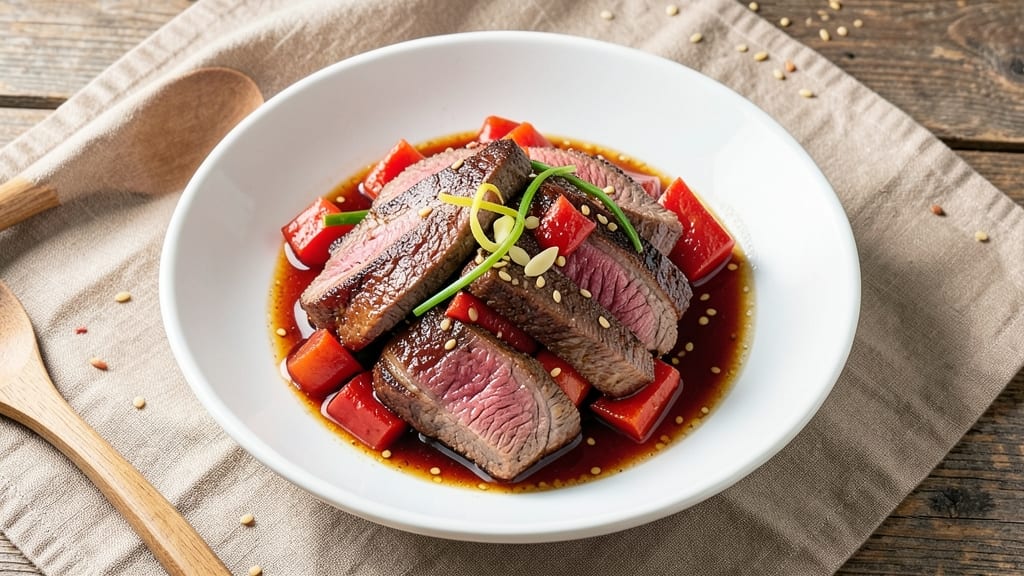
This beef and kimchi recipe delivers a bold fusion of spicy, sweet, and umami flavors that transform simple ingredients into a restaurant-worthy dish. The secret lies in balancing the tangy fermented kick of kimchi with tender beef and aromatic seasonings—a technique I've perfected after years of testing Korean-inspired recipes.
What makes this stand out is how the flavors develop as you cook, creating a sauce that's rich, slightly sticky, and packed with depth.
The process is straightforward but rewarding: thinly sliced beef marinated in soy sauce and sesame oil for maximum flavor absorption, then stir-fried until perfectly tender. The kimchi adds natural sweetness and acidity that cuts through the richness, while garlic, ginger, and gochujang create a complex sauce base.
This isn't just a quick weeknight meal—it's a dish that builds layers of flavor with every bite, making it feel special without requiring advanced skills.
By the time you're done, you'll have a plate of tender beef bathed in a glossy, spicy-sweet sauce, served over steamed rice with crisp vegetables on the side.
The aroma alone will have everyone gathering around the table, and the first bite delivers that perfect balance of textures—crisp edges on the beef, tender meat, and a sauce that's neither too thin nor too thick.
This is comfort food with a sophisticated twist, proving you don't need a Korean restaurant to experience its magic.
The beauty of this recipe is its versatility—it works as a main dish for dinner parties or a satisfying lunch when you're short on time. The leftovers actually improve the next day as the flavors meld further.
Whether you're serving it to guests or treating yourself, this beef and kimchi creation will become a regular on your rotation. Let's get cooking—your taste buds will thank you.
Ingredients for beef and kimchi
Bold flavors start with these 15 ingredients—simple but packed with umami, spice, and tang.
| Ingredient | Amount | Notes |
|---|---|---|
| Thinly Sliced Beef (Ribeye or Sirloin) 🥩 | 1 ½ lb | Cut against grain for tenderness |
| Kimchi 🥬 | 2 cups | Homemade or store-bought, drained |
| Gochujang (Korean Chili Paste) 🌶️ | 3 tbsp | For authentic spicy-sweet flavor |
| Soy Sauce 🍶 | ½ cup | Low-sodium preferred for balance |
| Sesame Oil 🥜 | 1 tbsp | Toasted for nutty aroma |
| Garlic Cloves 🧄 | 6 cloves | Minced for aromatic base |
| Fresh Ginger 🌿 | 1 tbsp | Grated, for zesty kick |
| Rice Vinegar 🍶 | 2 tbsp | For tangy brightness |
| Brown Sugar 🍯 | 2 tbsp | Balances spicy heat |
| Vegetable Oil 🫒 | 2 tbsp | For high-heat stir-frying |
| Green Onions 🧅 | 4 whole | Sliced, for garnish |
| Toasted Sesame Seeds 🥜 | 1 tbsp | For crunchy texture |
| Steamed Jasmine Rice 🍚 | 2 cups | For serving |
| Salt 🧂 | ½ tsp | Adjust to taste |
| Black Pepper 🌶️ | ¼ tsp | Freshly ground |
The beef is everything here. Ribeye or sirloin (sirloin's leaner, ribeye's richer) needs to be thinly sliced against the grain—ask your butcher to do this if they won't slice it for you. Korean markets have the best kimchi (look for vibrant red, not brownish), but the refrigerated section at Walmart or Kroger works fine in a pinch. Gochujang? Maesil or Dobae are the gold standards, but any jarred version will do. Pro tip: Toast your sesame seeds in a dry pan for 30 seconds—they'll smell amazing and add crunch.
No gochujang? Mix 2 tbsp sriracha with 1 tbsp honey (or maple syrup) for a quick swap. Fresh ginger too fibrous? Substitute 1 tsp ground ginger, but you'll lose that lovely texture. The soy sauce can be tamari for gluten-free, and if you're short on time, pre-minced garlic from the jar works—just rinse it well first. Brown sugar substitutes? Honey or agave in equal amounts, but sugar's caramelization is key here. Skip the sesame oil? A pinch of ground sesame seeds adds flavor without the aroma.
This sauce gets better overnight, so double the batch if you're feeding a crowd. Store leftovers in airtight containers for up to 5 days—the flavors deepen like fine wine. Freeze portions for 3 months by spreading the sauce thin on a tray first, then transferring to bags. Reheat gently on low heat with a splash of water to restore that glossy texture. Serve over rice, but leftover rice works too—just microwave it with a splash of water to revive.
Why You'll Love This Recipe
- Two-Ingredient Magic: I swear, the beef and kimchi combo is where all the flavor happens—no fancy techniques needed. Toss those thin slices of ribeye with chopped kimchi, a spoonful of gochujang, and a splash of soy sauce, then let the pan do the work. That’s it. Honestly, my lazy nights thank me every time.
- Umami Bomb: Between us, this dish is ridiculously good—crispy edges on the beef, that funky-sweet kimchi heat, and the gochujang tying it all together like a spicy hug. The sesame oil at the end? That’s the cherry on top, turning "dinner" into "I might eat this for breakfast too."
- Leftover Goldmine: This recipe actually improves the next day—yes, really. The flavors meld into something deeper, and it reheats like a dream. I’ve packed it in lunches, served it cold over rice, even tossed it into fried eggs for a lazy brunch. It’s my secret weapon for avoiding takeout.
- Budget Meal Hero: Thinly sliced beef stretches farther than you’d think, and kimchi lasts forever in the fridge. A little gochujang and soy sauce go a long way, too—this is the kind of dish that feeds four for under $15. (Yes, even on a Tuesday night when the wallet’s feeling it.)
Step-by-step instructions for spicy-sweet beef and kimchi
Here's how to create a perfectly balanced fusion of tender beef and tangy kimchi.
Prepare the Flavor Base
In a small bowl, combine the 3 tablespoons gochujang, 0.5 cup soy sauce, 1 tablespoon sesame oil, 2 tablespoons rice vinegar, 2 tablespoons brown sugar, 0.5 teaspoon salt, and 0.25 teaspoon black pepper. Mix well until the sugar dissolves completely and the gochujang creates a thick, glossy paste. This marinade is the heart of your dish—it balances the heat, sweetness, and umami perfectly.
Set aside 6 cloves minced garlic and 1 tablespoon grated fresh ginger in a separate small bowl. These aromatics will infuse the beef with deep flavor during cooking. The ginger should be finely grated—no chunks—so it distributes evenly throughout the dish.
Marinate the Beef
Place the 1.5 pounds thinly sliced beef in a large bowl. Pour the gochujang mixture over the beef and toss gently to coat evenly. Add the minced garlic and grated ginger, then toss again until the beef is completely covered. Let it marinate for at least 15 minutes at room temperature—this ensures the flavors penetrate the meat.
While marinating, drain the 2 cups kimchi thoroughly using a colander or paper towels to remove excess liquid. The kimchi should be chopped into bite-sized pieces for even cooking. If using homemade kimchi, taste it first—adjust the marinade's sweetness or saltiness if needed to balance the flavors.
Cook the Beef and Kimchi
Heat a large skillet or wok over medium-high heat until hot. Add 2 tablespoons vegetable oil and swirl to coat the pan evenly. Working in batches if needed, add the marinated beef and cook undisturbed for 2-3 minutes until the edges turn deep golden brown. This creates a beautiful crust while keeping the beef tender.
Transfer the cooked beef to a clean plate and set aside. In the same skillet, add the drained kimchi and cook for 3-4 minutes over medium heat until it softens slightly and releases its juices. The kimchi should be heated through but still retain its texture—overcooking turns it mushy.
Combine and Finish
Return the beef to the skillet with the kimchi and stir gently to combine. Cook for an additional 1-2 minutes until everything is heated through and the flavors meld together. The beef should be tender but still slightly firm, not rubbery. If the mixture seems too dry, add 1-2 tablespoons water to create a light sauce.
Remove from heat and let it rest for 2-3 minutes—this allows the juices to redistribute. Garnish with 4 sliced green onions and 1 tablespoon toasted sesame seeds just before serving. The sesame seeds add a delightful crunch that contrasts beautifully with the tender beef and spicy kimchi.
Serve Over Steamed Rice
Spoon the beef and kimchi mixture over 2 cups steamed jasmine rice, dividing evenly among 4 servings. The rice should be hot but not mushy—it acts as the perfect neutral base to let the bold flavors shine. Serve immediately while the beef is still warm and the kimchi retains its vibrant texture.
For an extra touch, drizzle a little extra sesame oil over the top just before eating. This adds a final nutty aroma that ties all the flavors together. Each bite should deliver a perfect balance of spicy, sweet, tangy, and umami—with tender beef that practically melts in your mouth.
Pro Tips For Making Beef And Kimchi
- Marinate Beef for 20 Minutes: I learned this the hard way—skipping the marinade makes the beef tough. Toss the sliced beef with 1 tablespoon soy sauce, 1 teaspoon sesame oil, and a pinch of sugar for just 20 minutes before cooking. It’s not a long wait, but it makes a real difference in tenderness.
- Sauté Kimchi First: Start by cooking the kimchi alone on medium-high heat for 3-4 minutes. This burns off the raw smell and thickens the liquid before adding the beef, so your dish doesn’t end up watery or overpowered by kimchi’s acidity.
- Skip the Overcrowded Pan: Resist the urge to dump everything in at once. Cook the beef in batches if needed—crowding steams instead of sears, and you’ll end up with soggy meat instead of crispy edges. A hot pan and uncrowded beef = flavor.
- Stir in Gochujang Last: Add the gochujang only in the final 30 seconds of cooking. It’s sensitive to heat and can burn easily, turning bitter. A quick toss at the end keeps its sweet, smoky depth intact—no charred aftertaste here.
Regional styles of this dish
Korean Kimchi Jjigae Style
This hearty, stew-style version transforms beef and kimchi into a comforting kimchi jjigae—a Korean classic. Start by browning 1 lb ribeye in a Dutch oven with 2 tbsp sesame oil, then remove and set aside.
In the same pot, sauté 1 onion, 4 garlic cloves, and 1 tbsp ginger until fragrant. Add 2 cups kimchi, 1 cup beef broth, 2 tbsp gochujang, and 1 tbsp soy sauce.
Simmer for 30 minutes until the sauce thickens, then return the beef to warm through. Serve with steamed rice and a fried egg on top for extra richness. 🥘
Japanese Beef Yakisoba Twist
For a Japanese-inspired take, use ½ lb thinly sliced sirloin stir-fried with 1 cup kimchi, ½ cup shredded cabbage, and ½ cup bean sprouts. Toss with a sauce made from 3 tbsp yakisoba sauce, 1 tbsp soy sauce, and 1 tsp sesame oil.
Finish with 1 tbsp toasted sesame seeds and 2 tbsp chopped green onions. Serve over udon noodles or steamed rice for a fusion dish that’s quick and satisfying. 🍜
Chinese Stir-Fry Adaptation
Give it a Sichuan kick by stir-frying 1 lb beef with 1 cup kimchi, 1 bell pepper, and 1 carrot in 2 tbsp vegetable oil. Season with 1 tbsp soy sauce, 1 tsp Sichuan peppercorns, and ½ tsp chili flakes.
Add 1 tbsp hoisin sauce and 1 tsp brown sugar for a sweet-spicy glaze. Garnish with cilantro and serve with jasmine rice. The Sichuan peppercorns add a numbing heat that pairs perfectly with kimchi’s tang. 🌶️
American BBQ Fusion
For a smoky twist, grill 1 lb ribeye with a dry rub of 1 tbsp brown sugar, 1 tbsp smoked paprika, and ½ tsp garlic powder. Slice thinly and toss with 1 cup kimchi, ½ cup BBQ sauce, and 1 tbsp apple cider vinegar.
Simmer for 10 minutes until the sauce thickens. Serve on a bun with pickles and coleslaw for a Korean-American fusion sandwich. 🍔
Vietnamese Pho-Inspired Bowl
Turn it into a pho-style bowl by simmering 1 lb beef in 4 cups beef broth with 2 tbsp fish sauce, 1 tbsp sugar, and 1 cinnamon stick for 1 hour.
Shred the beef and mix with 1 cup kimchi, ½ cup bean sprouts, and 2 tbsp chopped Thai basil. Serve over rice noodles with hoisin sauce and sriracha for dipping. The broth’s depth complements kimchi’s brightness beautifully. 🍜
Nutrition facts
Frequently asked questions
Can I substitute regular cabbage for kimchi in this recipe?
The tangy, spicy, and fermented flavors of kimchi are essential for this dish. While you could use sauerkraut (for acidity) or a mix of shredded cabbage with vinegar and chili flakes, it won't replicate kimchi's complex umami and sweet-spicy balance. If you're short on time, try adding 1 tbsp gochujang and 1 tsp rice vinegar to plain cabbage for a closer approximation.
How do I make the beef extra tender?
For melt-in-your-mouth beef, slice it thinly against the grain and marinate for at least 30 minutes (or overnight for best results). Use a mix of soy sauce and rice vinegar in the marinade, and cook the beef over medium-high heat for just 2-3 minutes per side—don't overcrowd the pan. A quick tip: Freeze the beef for 30 minutes before slicing to firm it up for cleaner cuts.
Can I make this recipe without gochujang?
Mix 2 tbsp sriracha with 1 tbsp honey or maple syrup to mimic gochujang's sweet-spicy kick. For extra depth, add ½ tsp smoked paprika and ½ tsp garlic powder to the marinade. The texture will be slightly thinner, but the flavor will still deliver that signature tangy-spicy profile. Adjust the sweetness to taste after cooking.
How spicy should this dish be?
The heat level depends on the kimchi and gochujang you use. For mild heat, reduce gochujang to 1 tbsp and use milder kimchi (check labels for "mild" varieties). For extra kick, add ½ tsp red pepper flakes or a dash of gochugaru (Korean red pepper flakes) at the end. Always taste the marinade first—you can adjust before cooking, but adding more spice later is trickier.
What's the best way to reheat leftovers?
Reheat gently in a skillet over low heat with 1-2 tbsp water to restore the sauce's glossiness. Microwaving works in a pinch, but stir well and cover with a damp paper towel to prevent drying. Leftovers actually improve overnight as flavors meld—store in airtight containers for up to 5 days or freeze for 3 months. For extra richness, add a drizzle of sesame oil when reheating.