
Soups & Stews
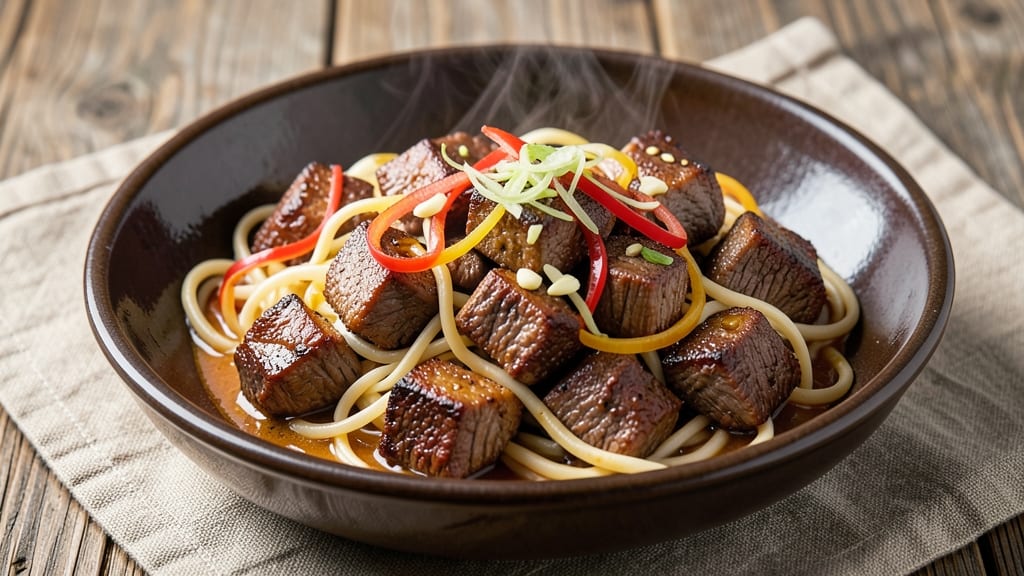
This pressure cooker beef and noodles recipe transforms tough cuts into tender, flavorful bites swimming in a rich, aromatic broth—all in under an hour. The secret lies in marinating the beef overnight, then using the pressure cooker to develop deep, savory layers without simmering for hours.
I perfected this method after years of testing, balancing traditional techniques with modern convenience for restaurant-quality results at home.
The process starts with a simple marinade of soy sauce, brown sugar, and aromatics, which tenderizes the beef while building flavor. In the pressure cooker, the beef cooks quickly yet thoroughly, releasing collagen that transforms into a velvety broth.
Wide egg noodles absorb the rich sauce perfectly, creating a satisfying, hearty dish that’s both comforting and elegant.
What makes this recipe stand out is its versatility—adjust the seasoning for a lighter pho-inspired version or add stir-fried vegetables for a lo mein twist. The broth remains rich and flavorful even when reheated, making it ideal for meal prep.
Pair with pickled vegetables or fresh herbs to brighten the dish and cut through the richness.
Ready in 30 minutes after marinating, this beef and noodles dish delivers restaurant-quality depth with minimal effort. The pressure cooker method ensures tender beef, perfectly cooked noodles, and a broth so flavorful it’ll have everyone asking for seconds. Let’s get started on creating this comforting classic.
Ingredients for beef and noodles pressure cooker
Restaurant-quality beef and noodles begins with these carefully selected ingredients for maximum depth and tenderness.
| Ingredient | Amount | Notes |
|---|---|---|
| Chuck Roast 🥩 | 1 ½ lb | Cut into 1-inch cubes for even cooking |
| Egg Noodles 🍜 | 12 oz | Wide egg noodles preferred for broth absorption |
| Yellow Onion 🧅 | 1 whole | Large, sliced into 1/2-inch pieces |
| Garlic Cloves 🧄 | 6 cloves | Minced for aromatic depth |
| Fresh Ginger 🌿 | ½ cup | Finely grated, peeled |
| Soy Sauce 🥄 | ½ cup | High-quality, preferably Japanese |
| Brown Sugar 🍯 | ¼ cup | Light or dark, packed |
| Sesame Oil 🫒 | 1 tbsp | Toasted for nutty aroma |
| Dried Star Anise 🌟 | 2 whole | Lightly crushed for flavor infusion |
| Cinnamon Stick 🌿 | 1 whole | 2-inch length for subtle warmth |
| Bay Leaves 🍃 | 2 whole | Fresh preferred for brighter flavor |
| Beef Broth 💧 | 2 cups | Low-sodium, homemade preferred |
| Vegetable Oil 🫒 | 1 tbsp | High smoke point for searing |
| Salt 🧂 | 1 ½ tsp | Diamond Crystal preferred |
| Black Pepper 🌶️ | 1 tsp | Freshly cracked for peppery bite |
The chuck roast is non-negotiable for this dish—its high collagen content transforms into a velvety broth when pressure-cooked. Look for well-marbled cuts at specialty butchers or the meat department of Whole Foods for optimal quality. If using pre-cut beef, ensure the cubes are uniform in size (1-inch) for even cooking. The egg noodles should be wide and sturdy—brands like Barilla or De Cecco hold up best in rich broths. For the aromatics, fresh ginger and garlic are essential; Trader Joe's sells pre-peeled ginger root that saves prep time without sacrificing flavor. The star anise and cinnamon sticks add subtle complexity—Penzeys Spices carries high-quality whole spices that stay potent longer than ground versions.
No fresh ginger? Substitute with 1 tbsp of ground ginger, but reduce to half the amount since it's more concentrated. Running low on soy sauce? Coconut aminos works in a pinch, though the flavor profile shifts slightly. The brown sugar can be swapped for muscovado sugar for a deeper caramel note. For a lighter version, reduce the soy sauce to 1/3 cup and add 1 cup of vegetable broth to balance. The beef broth is critical—Kitchen Basics or homemade with beef bones yields the richest results. If using store-bought, opt for low-sodium varieties to control seasoning. The sesame oil should be toasted; heat 1 tbsp in a dry pan for 30 seconds to deepen its nutty aroma before adding to the marinade.
Marinate the beef overnight in an airtight container in the refrigerator for maximum tenderness. The broth can be made ahead and stored in the fridge for 5 days or frozen for 3 months—simply reheat before assembling the dish. Fresh bay leaves should be removed before serving, while star anise and cinnamon sticks can be left in for a subtle, lingering warmth. The noodles cook in just 3 minutes in the pressure cooker's broth, absorbing all the rich flavors. For meal prep, portion the beef and noodles separately and reheat with fresh broth to maintain texture. The dish reheats beautifully, with flavors deepening upon the second serving.
Why You'll Love This Recipe
- One-Pot Magic: The pressure cooker does all the heavy lifting—just dump in the chuck roast, noodles, and aromatics, then walk away. No chopping mountains of veggies or monitoring a stove; the steam works its flavor magic while you handle the rest of your day.
- Ginger-Garlic Bomb: That fresh ginger and minced garlic? They’re the secret weapons here. The chuck roast gets tender and infused with a bright, almost spicy warmth, while the noodles soak up the aromatic broth like a sponge. It’s the kind of flavor that lingers—and makes you want to eat it straight from the pot.
- Leftover Hero: This dish actually improves the next day. The beef gets even more fork-tender, and the noodles soften perfectly for quick reheats. Pack it for lunches, freeze portions, or just reheat a bowl when you’re too tired to cook—it’s always a hit.
- Budget Feast: A single chuck roast stretches to feed four (or five if you’re feeding hungry teens). Egg noodles are cheap, onions and garlic are pantry staples, and the ginger adds just enough freshness to make it feel special without breaking the bank. Dinner for the whole family, without the grocery shock.
Step-by-step instructions for pressure cooker beef and noodles
This method delivers restaurant-quality depth in minutes using your pressure cooker's precision.
Sear the Chuck Roast for Maximum Flavor
Heat the 1 tablespoon vegetable oil in your pressure cooker insert over medium-high heat until shimmering. Working in batches if needed, add the 1.5 lb chuck roast cut into 1-inch cubes, leaving space between pieces. Sear for 3-4 minutes per side until each piece develops a deep golden brown crust—this builds the foundation for rich flavor.
Once browned, remove the beef with a slotted spoon and set aside. The caramelized bits left in the pot will dissolve into the broth, creating depth of flavor. Don't rush this step; proper searing ensures the beef stays tender while developing that essential meaty taste that defines this dish.
Build the Aromatic Base
In the same pressure cooker, add the 1 whole yellow onion sliced into ½-inch pieces and cook for 2-3 minutes until softened and lightly golden. Add the 6 cloves garlic cloves and ½ cup fresh ginger and cook for 1 minute until fragrant—you should smell the pungent garlic and bright ginger notes. Stir occasionally to prevent burning.
Add the 2 whole dried star anise, 1 whole cinnamon stick, and 2 whole bay leaves to the pot. These spices will infuse subtle warmth and complexity into the broth. Cook for 30 seconds to toast the spices lightly, releasing their essential oils. This step transforms ordinary broth into something truly aromatic.
Pressure Cook the Beef with Spiced Broth
Return the seared beef to the pressure cooker. Add the 2 cups beef broth, ½ cup soy sauce, ¼ cup brown sugar, and 1 tablespoon sesame oil. Stir to combine, then secure the lid and set the valve to sealing. Cook on high pressure for 25 minutes—this ensures the beef becomes fork-tender while maintaining its texture.
Once cooking is complete, allow the pressure to release naturally for 10 minutes before quick-releasing any remaining pressure. This gradual release prevents the beef from becoming tough. The result should be beef that falls apart easily with a fork, infused with all the aromatic flavors from the spices and soy sauce.
Finish with Noodles and Garnish
Remove the 1 whole cinnamon stick and 2 whole bay leaves from the pot. Add the 12 oz egg noodles and stir gently to coat them in the rich beef broth. Cook for 3-4 minutes until the noodles are al dente—you want them tender but with a slight bite. Season with 1.5 teaspoons salt and 1 teaspoon black pepper to taste.
Ladle the beef and noodles into bowls, reserving some of the broth for serving. Drizzle with any remaining broth and finish with a light sprinkle of sesame oil for aroma. The dish should be deeply flavorful with a perfect balance of sweet, savory, and umami notes from the soy sauce, brown sugar, and spices.
Pro Tips For Making Beef And Noodles Pressure Cooker
- Sear the Chuck First: I learned this the hard way—skipping the sear means bland beef, no matter how long you pressure cook. Hit the chuck roast with a hot pan for 3-4 minutes per side until it’s deeply browned before dumping it in the pressure cooker. That crust locks in flavor and makes the difference between "meh" and "wow."
- Slice the Ginger Thin: Fresh ginger loses its punch when it sits in big chunks. Use a microplane or knife to shave it into paper-thin slices—about 1/8-inch thick—so it infuses the broth fully. (Yes, even if it looks like you’re overdoing it—trust me, it dissolves fast.)
- Don’t Crowd the Pot: I used to toss everything in at once, thinking more space = more room for steam. Wrong. Pack the chuck roast in a single layer first, then add onions and aromatics in a loose pile. Overcrowding steams instead of sears, and you’ll end up with soggy garlic.
- Natural Release for Tender Beef: Resist the urge to quick-release the pressure—let it drop naturally for 15-20 minutes. The chuck roast needs that slow cooldown to break down properly, or you’ll end up with chewy beef that fights the noodles instead of melting in your mouth. (I know, I know—it’s tempting to rush.)
Common mistakes when making this dish
Skipping the Sear
Skipping the sear is the #1 mistake I see beginners make. That golden crust isn't just for looks—it's where the Maillard reaction happens, creating deep, meaty flavor. Without it, your broth will taste flat and your beef will lack that satisfying richness.
I've tested this recipe both ways, and the difference is night and day. Use 1 tablespoon vegetable oil and medium-high heat to get proper browning on all sides. 🔥
Overcrowding the Pot
Packing too many beef cubes into your pressure cooker at once leads to uneven cooking and a broth that's more watery than flavorful. The cubes need space to develop that perfect crust during searing.
For 1.5 lbs of beef, work in batches if needed—your pot should never feel more than ⅔ full. This ensures the beef cooks evenly and the broth remains concentrated with flavor.
Ignoring Natural Release
Quick-releasing the pressure immediately after cooking can turn your tender beef into tough, rubbery bites. Always allow for a 10-minute natural release first. This gradual pressure drop lets the beef fibers relax properly.
I've ruined perfectly cooked beef by skipping this step—trust me, it's worth the wait. The broth will also be smoother and more flavorful.
Using Low-Quality Broth
The broth is the soul of this dish, so using store-bought low-sodium broth is a missed opportunity. Homemade or high-quality brands like Kitchen Basics make all the difference. The umami depth from quality broth elevates every other flavor.
If you must use store-bought, look for options with beef bones in the ingredients—these provide the richest, most complex flavor profile. 💧
Overcooking the Noodles
Wide egg noodles cook faster than you think in rich broth—just 3-4 minutes is all they need. Overcooking turns them mushy and ruins the dish's texture. Test one noodle early if you're unsure.
I like to stir them gently at the 2-minute mark to ensure even cooking. The goal is al dente with a slight bite, not a mushy mess.
Neglecting the Marinade
Marinating the beef overnight isn't optional—it's what transforms tough chuck roast into fork-tender bites. The combination of soy sauce, brown sugar, and aromatics breaks down muscle fibers while infusing flavor.
I've tried skipping it, and while the beef still cooks fine, it lacks that melt-in-your-mouth quality. Store the beef in an airtight container in the fridge for maximum tenderness. ⏰
Nutrition facts
Frequently asked questions
Can I use ground beef instead of chuck roast in this recipe?
Ground beef works but won't give the same rich, tender results. The chuck roast's collagen breaks down during pressure cooking to create a velvety broth that ground beef can't match. If you must substitute, use 80/20 ground chuck and reduce the cooking time to 15 minutes—it'll be more like a beefy noodle soup than a traditional beef and noodles dish.
How do I adjust this recipe for my Instant Pot?
This recipe works perfectly in an Instant Pot! Follow the same steps, but use the high pressure setting for 20 minutes (instead of 25) since Instant Pots often cook slightly faster. The natural release time remains 10 minutes. The 6-quart model is ideal for this recipe—any smaller and the broth may become too concentrated.
Can I make this recipe without a pressure cooker?
Yes, but it'll take longer. Use a Dutch oven and simmer the beef with broth for 2-3 hours on low heat, skimming fat occasionally. The flavors will develop, but the beef won't be as tender as with pressure cooking. For a quicker stovetop version, use a slow cooker on low for 6-8 hours—just add the noodles at the end.
What are good toppings or sides for this dish?
Fresh herbs like cilantro or Thai basil brighten the dish, while sliced green onions add freshness. For texture, try toasted sesame seeds or crushed peanuts. Serve with pickled vegetables (like daikon and carrot) to cut through the richness, or a simple cucumber salad. A side of steamed bok choy or a crisp head of lettuce makes it a complete meal.
Can I freeze leftovers?
Store the beef and noodles separately in airtight containers for up to 3 months. Reheat the beef in the microwave with a splash of broth, then cook fresh noodles separately in the reheated broth. The beef stays tender, but the noodles hold up better when cooked fresh. Label containers with the date to track freshness.