
Sauces & Condiments
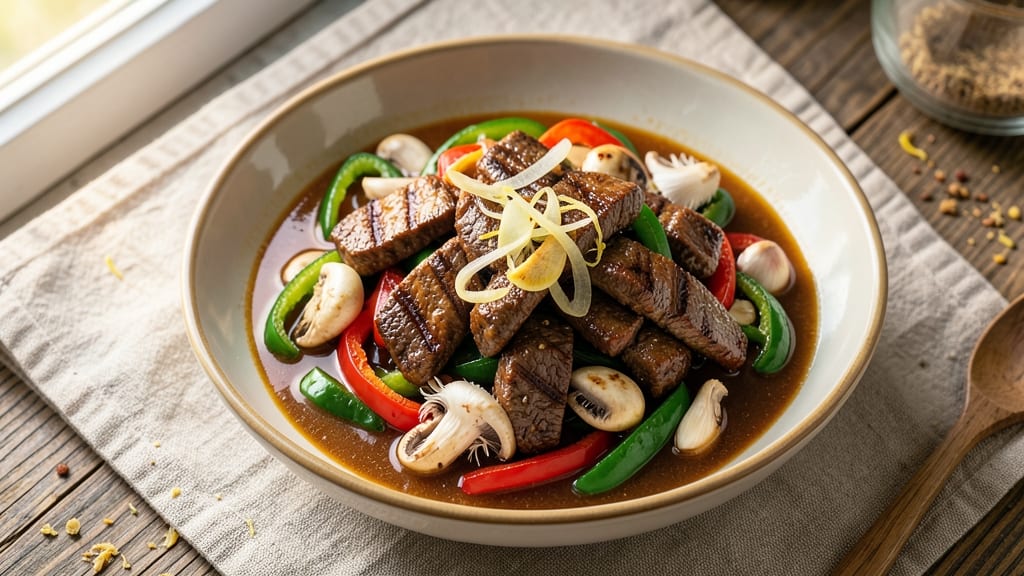
This beef and vegetable stir-fry sauce recipe delivers restaurant-quality wok sauce in just 15 minutes—packed with umami depth that transforms simple stir-fries into flavor explosions. The secret lies in balancing soy sauce, garlic, and ginger with a touch of sweetness, creating a sauce that's both savory and slightly sweet.
I developed this after realizing most store-bought versions lack the complexity of homemade, so I simplified the process without sacrificing flavor.
The sauce starts with a simple base of soy sauce, garlic, and ginger, but the real magic happens when you add a splash of honey or brown sugar for balance.
A quick cornstarch slurry thickens it to the perfect consistency, ensuring it clings beautifully to beef and vegetables while adding a subtle gloss. This isn't just a sauce—it's the foundation that turns a basic stir-fry into a memorable meal.
What makes this sauce truly special is its versatility. Use it as a marinade for beef before stir-frying, toss it with cooked vegetables for instant flavor, or drizzle it over rice for an instant takeout-style bowl.
The sauce keeps well in the fridge for up to a week, making it perfect for meal prep or batch cooking. Every spoonful delivers that perfect harmony of salty, sweet, and savory.
For best results, let the sauce sit for 10 minutes after making—this allows the flavors to meld and intensify. Whether you're cooking for one or feeding a crowd, this wok sauce will elevate your stir-fry game effortlessly. Ready to transform your weeknight dinners?
Ingredients for beef and vegetable stir fry sauce
Ten simple ingredients create this restaurant-quality wok sauce—game-changer for stir-fries!
| Ingredient | Amount | Notes |
|---|---|---|
| Soy Sauce 🍶 | ½ cup | High-quality, preferably Japanese |
| Garlic Cloves 🧄 | 5 cloves | Minced finely for depth |
| Fresh Ginger 🌿 | 2 tbsp | Grated finely, no need to peel |
| Honey 🍯 | 2 tbsp | Wildflower or clover works best |
| Cornstarch 🌾 | 1 tbsp | For perfect thickening |
| Water 💧 | 2 tbsp | For cornstarch slurry |
| Sesame Oil 🫒 | 1 tbsp | Toasted, for aromatic finish |
| Rice Vinegar 🍶 | 1 tbsp | White or seasoned |
| Salt 🧂 | ½ tsp | Kosher or sea salt |
| Black Pepper 🌶️ | ¼ tsp | Freshly cracked for heat |
The soy sauce is non-negotiable. Kikkoman or Yamasa are my go-tos—they've got that perfect balance of salt and umami. Fresh ginger and garlic are worth the extra minute to grate and mince (no microwaving!). Asian markets often have pre-grated ginger, but fresh is always better. The honey should be real—none of that processed corn syrup stuff. If you're in a pinch, brown sugar works in a bind, but honey's the star here. Sesame oil? Toasted is key—untosted tastes medicinal. Grab a small bottle at Trader Joe's if you don't have any.
No soy sauce? Coconut aminos works in a pinch, but it's not the same. Fresh ginger too fibrous? Powdered ginger at half the amount gets you close. Short on honey? Maple syrup is the next best thing. The cornstarch slurry is magic—don't skip it. If you hate cornstarch, arrowroot powder works too. The rice vinegar adds brightness—substitute with apple cider vinegar if that's what you've got. And for the love of all things stir-fry, toast your sesame oil in a dry pan for 30 seconds before adding—this makes all the difference!
This sauce keeps for 1 week in the fridge, sealed tight. Double the batch and freeze half in ice cube trays—perfect for future stir-fries. The flavors actually get better after 10 minutes of sitting, so let it rest before using. If it thickens too much, stir in a splash of water. Too thin? Warm it gently and add more cornstarch slurry. Pro tip: Drizzle over rice or toss with cooked veggies—it clings like a dream.
Why You'll Love This Recipe
- Pantry Magic: I swear by this sauce when I forget to grocery shop—just soy sauce, garlic, and ginger from the freezer section. That honey glaze? It turns even the simplest beef into something restaurant-worthy without extra effort.
- Umami Bomb: The garlic and ginger sizzle in the pan until they’re fragrant enough to wake up the whole house. That crispy cornstarch slurry? It thickens the sauce just enough to coat every bite—no clumpy mess, just deep, savory richness.
- Lunchbox Hero: Between us, this sauce is my go-to for packed lunches. The leftovers taste just as good cold as they do hot, and the honey keeps it from drying out. My kid still asks for it three days running—no sad office salads here.
- Budget Stretch: I make this sauce in bulk because it’s my secret for stretching a pound of beef into four meals. The cornstarch slurry cuts costs by turning scraps into stir-fry gold, and the soy base means I’m not buying expensive sauces every week.
Step-by-step instructions for beef and vegetable stir fry sauce
This umami-packed sauce comes together faster than you can say "wok hei." Let's build flavor layer by layer.
Make the Cornstarch Slurry
In a small bowl, whisk together the 1 tablespoon cornstarch and 2 tablespoons water until completely dissolved. This slurry is your thickening secret weapon—it'll transform your sauce from watery to velvety smooth. Set it aside while you prep the aromatics.
I like to use a whisk for this step because it creates a smooth, lump-free mixture. If you see any clumps, just press them against the side of the bowl with the back of your spoon until they disappear. This ensures your sauce thickens evenly without any grainy spots.
Bloom the Aromatics
Heat a small saucepan over medium heat and add the 1 tablespoon sesame oil. Once it shimmers slightly, add the 5 cloves minced garlic cloves and 2 tablespoons fresh ginger. Cook for 30-45 seconds until fragrant—you should smell that incredible garlic-ginger aroma wafting through your kitchen.
Don't walk away during this step! Garlic burns faster than you think, and you want it just fragrant, not crispy. When it's ready, you'll see the edges start to turn golden—that's your signal to move quickly to the next step.
Combine the Sauce Base
Pour in the 0.5 cup soy sauce, 2 tablespoons honey, 1 tablespoon rice vinegar, 0.5 teaspoon salt, and 0.25 teaspoon black pepper. Stir well to combine all ingredients. Let the mixture simmer gently for 2-3 minutes until it begins to reduce slightly and the flavors meld together.
This is where the magic happens—the soy sauce deepens in color, the honey adds natural sweetness, and the vinegar brightens everything up. The sauce should be glossy and slightly thickened by now, but we're not done yet.
Thicken and Finish
Slowly pour the cornstarch slurry into the simmering sauce while stirring constantly with a wooden spoon. The sauce will thicken immediately—keep stirring for another 1-2 minutes until it reaches your desired consistency. It should coat the back of a spoon but still be pourable.
If it's too thick, add 1 teaspoon water at a time until it reaches that perfect wok sauce consistency. For extra depth, you can even add a splash of beef broth if you have it on hand. Taste and adjust seasoning—you might want to add a pinch more salt or a dash of pepper to balance the flavors.
Rest and Use
Remove the sauce from heat and let it rest for 5 minutes. This resting period allows all the flavors to fully develop and the sauce to reach its peak consistency. The colors will deepen, and the aromas will become even more complex.
Now your sauce is ready to elevate any beef and vegetable stir fry! Use it immediately over your cooked beef and veggies, or store it in an airtight container in the refrigerator for up to 5 days. When reheating, just warm it gently over low heat with a splash of water to loosen it up.
Pro Tips For Making Beef And Vegetable Stir Fry Sauce
- Bloom the Ginger: Toss freshly grated ginger into the hot pan for 10 seconds before adding garlic—it releases those bright, citrusy oils faster. I learned this the hard way when my stir-fry sauce ended up tasting flat because I just minced it straight in.
- Slurry the Cornstarch: Mix cornstarch with 1 tablespoon cold water first, then stir it into the simmering sauce—this prevents clumping like gluey lumps in your sauce. (Yes, even if you’re impatient like me.)
- Simmer, Don’t Boil: Keep the sauce at a gentle simmer (tiny bubbles, not rolling) after adding honey and soy sauce, or the honey burns and turns bitter. I was skeptical until I tried it—now it’s non-negotiable.
- Toast the Garlic: Cook minced garlic in oil until it’s just golden (about 30 seconds), not brown—this adds depth without bitterness. After burning three batches, I finally figured out timing matters more than speed.
Troubleshooting great beef and vegetable stir fry sauce
Sauce Too Thin?
If your sauce ends up thinner than expected, don’t panic—this happens when the cornstarch slurry doesn’t thicken properly. The fix is simple: return the sauce to medium-low heat and whisk in ½ teaspoon cornstarch mixed with 1 teaspoon water at a time.
Stir constantly for 1-2 minutes until it reaches the right consistency. For extra insurance, I like to keep a small bowl of dry cornstarch nearby while cooking—just sprinkle a pinch and stir until smooth. 🌡️
Grainy Texture?
A grainy texture usually means the cornstarch didn’t dissolve fully in the slurry. To prevent this, whisk the cornstarch and water vigorously for at least 30 seconds until completely smooth. If you already see lumps in your sauce, strain it through a fine-mesh sieve into a clean saucepan.
For future batches, try using arrowroot powder instead—it dissolves more easily and creates a silkier texture. 🥄
Overpowering Soy Flavor?
If the soy sauce dominates and the other flavors feel lost, balance it with a touch of sweetness or acidity. Add ½ teaspoon honey or 1 teaspoon rice vinegar and simmer for 1 minute to let the flavors meld.
For a deeper umami boost without more soy, stir in ½ teaspoon fish sauce or a splash of beef broth. Taste as you go—small adjustments make all the difference! 🍯
Burnt Garlic/Ginger?
Garlic and ginger burn faster than you’d think, especially if you’re distracted. To avoid this, keep the heat at medium-low and watch closely—they’re ready when they’re fragrant but not browned. If they do burn, immediately remove the pan from heat and strain out the burnt bits.
For next time, try blooming the aromatics in cold oil—add the garlic and ginger to the oil first, then turn on the heat. This gives you more control over the cooking time. 🧄
Sauce Separates When Reheating?
Sauce separation happens when fats (like sesame oil) rise to the top during storage or reheating. To fix it, gently warm the sauce over low heat and whisk vigorously until smooth. If it still separates, stir in 1 teaspoon cornstarch slurry—this binds the ingredients back together.
To prevent this in the future, let the sauce cool completely before refrigerating and store it in an airtight container. For extra stability, add ½ teaspoon xanthan gum to the slurry for a thicker, more cohesive sauce. ❄️
Not Sweet Enough?
If your stir-fry sauce lacks sweetness, it’s an easy fix. Stir in ½ teaspoon honey or ¼ teaspoon maple syrup and simmer for 30 seconds to blend the flavors. For a deeper caramelized note, add 1 teaspoon molasses—it adds richness and complexity.
If you’re using this sauce as a marinade, the sweetness will also help tenderize the beef. Pro tip: A pinch of cinnamon or star anise can add warmth without overpowering. 🍯
Nutrition facts
Frequently asked questions
Can I make this sauce without cornstarch?
Yes! For a cornstarch-free version, replace it with 1 tablespoon arrowroot powder or 1 teaspoon xanthan gum mixed with 2 tablespoons water. Both work as natural thickeners. If you prefer no thickener, reduce the water in the recipe by 1 tablespoon and simmer longer (up to 5 minutes) for a lighter consistency. The sauce will be thinner but still flavorful!
How much sauce should I use for a typical stir-fry?
For a standard 12-inch skillet with 1 pound beef and 3 cups vegetables, use ¼ to ⅓ cup sauce. Toss it with the cooked ingredients at the end for perfect coating. If you're serving over rice, double the amount to ½ cup—it adds extra flavor to every bite. Adjust based on how saucy you like your stir-fry!
Can I use this sauce as a marinade for beef?
Use ¼ cup sauce per 1 pound beef as a marinade for 30-60 minutes before cooking. The sweetness helps tenderize the meat while infusing it with flavor. For extra tenderness, add 1 teaspoon baking soda to the marinade (rinse before cooking). This sauce also works great for grilling or broiling beef strips!
What's the best way to store leftover sauce?
Store in an airtight container in the fridge for up to 1 week. For longer storage, freeze in ice cube trays—each cube equals about 1 tablespoon. Thaw overnight in the fridge before using. When reheating, warm gently over low heat with 1 teaspoon water to restore consistency. The flavors actually improve after resting!
Can I make this sauce gluten-free?
Yes! Simply substitute the soy sauce with ½ cup gluten-free tamari or coconut aminos. The flavor will be slightly different but still delicious. For extra umami, add ½ teaspoon fish sauce or 1 teaspoon mushroom powder. The cornstarch can also be replaced with arrowroot powder if needed for a fully gluten-free version.