
Sauces & Condiments
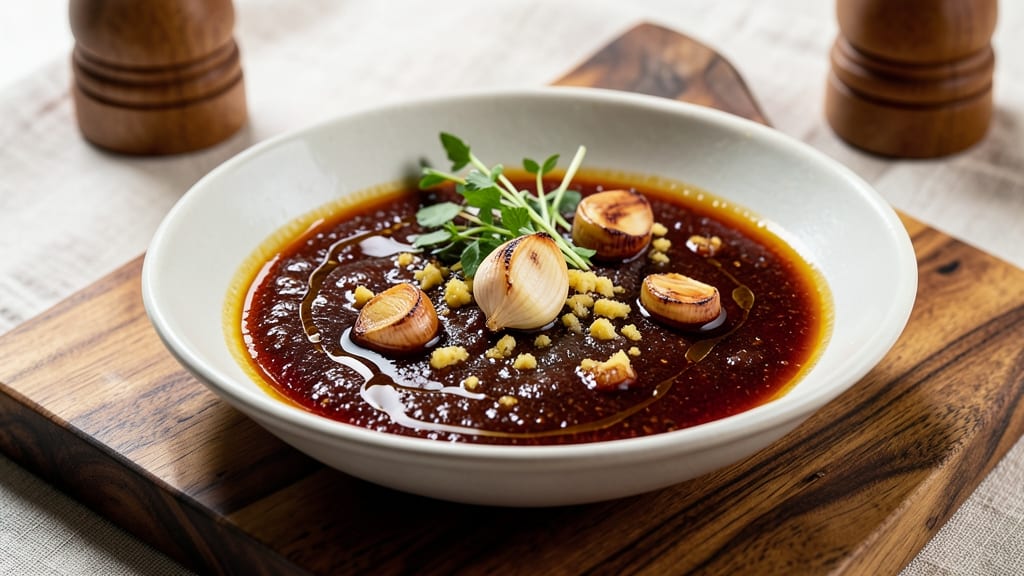
This Asian beef stir-fry sauce transforms ordinary beef into restaurant-quality wok perfection with just 10 minutes of simmering. The secret lies in balancing sweet, salty, and umami—where soy sauce, hoisin, and garlic create a glossy, addictive sauce that clings to every bite.
I developed this recipe after years of testing, and it never fails to elevate beef stir-fries, marinades, or even as a dipping sauce for dumplings.
The beauty of this sauce is its simplicity—five core ingredients deliver maximum flavor without overwhelming complexity. A quick simmer reduces the sauce to a thick, velvety consistency that coats beef beautifully, while a splash of rice vinegar brightens the depth.
The key technique? Simmering until slightly reduced, which intensifies the flavors and creates that signature wok gloss.
What you’ll end up with is a sauce that’s bold yet balanced, with a perfect harmony of sweetness from hoisin, saltiness from soy, and a subtle kick from ginger.
It’s versatile enough to work with quick weeknight stir-fries or marinate beef for hours ahead of time. The aroma alone will have everyone asking for seconds.
Best of all, this sauce keeps well in the fridge for up to 5 days, making it a pantry staple for beef lovers. Whether you’re cooking for two or feeding a crowd, this recipe is your shortcut to restaurant-quality results. Let’s get started!
Ingredients for asian beef stir fry sauce
Five core ingredients deliver restaurant-quality umami depth in this velvety Asian beef stir-fry sauce.
| Ingredient | Amount | Notes |
|---|---|---|
| Low-Sodium Soy Sauce 🥢 | ½ cup | Kikkoman preferred for authentic flavor |
| Hoisin Sauce 🍶 | ¼ cup | Store-bought or homemade for depth |
| Fresh Ginger 🧄 | 1 tbsp | Finely grated, aromatic quality |
| Rice Vinegar 🍶 | 1 tbsp | Seasoned for subtle sweetness |
| Garlic Cloves 🧄 | 3 cloves | Minced for aromatic punch |
| Sesame Oil 🫒 | 1 tsp | Toasted for nutty aroma |
| Brown Sugar 🍯 | 1 tbsp | Lightly packed for sweetness |
| Cornstarch 🌾 | 1 tsp | Dissolved in 1 tbsp water |
The foundation of this sauce lies in the soy sauce and hoisin—Kikkoman soy sauce delivers that classic umami punch, while high-quality hoisin (like Lee Kum Kee) adds sweetness and complexity. Fresh ginger is non-negotiable here; organic ginger from the produce section (not powdered) provides that bright, zesty kick. For garlic, peel and mince fresh cloves—jarred minced garlic lacks the aromatic depth. Sesame oil should be toasted, not the cheap, flavorless kind from the middle of the store. If you're using pre-minced garlic or jarred ginger, rinse and drain thoroughly to remove excess moisture, which can dilute the sauce. Brown sugar adds subtle sweetness without overpowering; lightly packed means no scooping—use a spoon to measure.
No hoisin? Substitute with 1 tbsp soy sauce plus 1 tsp maple syrup—it won’t be identical, but it works in a pinch. Short on ginger? A dash of ground ginger plus extra garlic compensates, though fresh is ideal. Rice vinegar can be swapped for apple cider vinegar, but the flavor profile shifts slightly. The cornstarch slurry is critical for thickening—never skip it, as it creates that signature wok gloss. For a lower-sodium version, reduce soy sauce to 0.375 cup and add 1/4 tsp salt. If you’re making this ahead, store the dry ingredients (cornstarch, sugar) separately until ready to use to prevent clumping.
This sauce peaks after 10 minutes of simmering, but it keeps well in an airtight container in the fridge for up to 5 days. For longer storage, freeze in ice cube trays—thaw and reheat gently for best results. Double the batch if you’re feeding a crowd; it reheats beautifully and tastes even better the next day as flavors meld. Avoid reheating in the microwave—simmer on the stovetop instead to preserve texture. The sauce thickens as it cools, so add a splash of water or vinegar if it becomes too stiff. Garnish with toasted sesame seeds before serving for that restaurant-quality finish.
Why You'll Love This Recipe
- Pantry Magic: I swear by this sauce because it uses stuff I already have—no last-minute grocery runs. That low-sodium soy and hoisin combo? It’s the flavor bomb that turns any beef stir-fry from "meh" to "wow" without extra shopping.
- Umami Kick: The garlic and ginger hit different—fresh, zesty, and just sharp enough to wake up your taste buds. Honestly, the rice vinegar adds this bright tang that cuts through the richness, so it’s never too heavy.
- Weeknight Hero: This sauce works for takeout nights, lazy Sundays, or even as a quick dip for veggies. I’ve used it on rice bowls, noodles, and even grilled chicken—it’s that adaptable. (Yes, even on a Tuesday night.)
- Budget Booster: A little goes a long way, and leftovers? They’re just as good reheated. I double the batch and freeze half—perfect for when I’m too tired to cook but still crave that restaurant-quality taste.
Step-by-step instructions for Asian beef stir-fry sauce
This sauce delivers restaurant-quality depth with precise technique and balanced flavors.
Prepare the Aromatic Base
In a small saucepan, combine the 0.5 cup low-sodium soy sauce and 0.25 cup hoisin sauce. Bring to a gentle simmer over medium heat, then reduce to the lowest setting and let it cook for 2 minutes. This initial step allows the soy sauce to mellow slightly while the hoisin begins to dissolve completely into the mixture.
While the sauces warm, finely grate the 1 tablespoon fresh ginger using a microplane or the finest grater. This creates a smooth, aromatic paste rather than fibrous pieces. In a separate small bowl, mince the 3 cloves garlic into a fine paste—this ensures even distribution of flavor throughout the sauce. Keep both ingredients nearby as you'll add them next.
Build Flavor with Vinegar and Sugar
Add the grated ginger and minced garlic to the simmering sauce mixture. Stir constantly for 1 minute until the garlic becomes fragrant but doesn't brown—this prevents bitterness. Then add the 1 tablespoon rice vinegar and 1 tablespoon brown sugar, stirring to dissolve the sugar completely.
Here's where the sauce starts developing its signature balance: the vinegar brightens the umami, while the brown sugar rounds out the acidity. Let the mixture simmer gently for 2 minutes more, watching for the sugar to caramelize slightly at the edges. This subtle caramelization adds depth without overpowering the other flavors.
Incorporate the Thickening Agent
In a small bowl, whisk together the 1 teaspoon cornstarch with 1 tablespoon cold water until completely dissolved. This slurry is crucial for achieving that glossy, clingy texture characteristic of wok sauces. Return the saucepan to medium heat and add the cornstarch mixture, stirring continuously for 1-2 minutes until the sauce thickens noticeably.
You'll know it's ready when the sauce coats the back of a spoon smoothly and holds its shape when drizzled. If it thickens too quickly, add 1 teaspoon water at a time until you reach the desired consistency. Remove from heat immediately—overcooking will turn the sauce grainy.
Finish with Sesame Oil and Rest
Drizzle in the 1 teaspoon sesame oil and stir gently to combine. The oil should integrate smoothly without separating, adding a nutty aroma that elevates the sauce's complexity. Transfer the sauce to a clean bowl and let it rest at room temperature for 5 minutes. This resting period allows the flavors to meld completely and the sauce to reach its optimal consistency.
The finished sauce should be glossy with a velvety texture, balancing sweet, salty, umami, and aromatic notes. Use it immediately for stir-fries or store in an airtight container in the refrigerator for up to 1 week. For best results, reheat gently before using to maintain its perfect consistency.
Pro Tips For Making Asian Beef Stir Fry Sauce
- MINCE THE GINGER FINE: I learned this the hard way—chunky ginger slices scream "amateur" in stir-fry sauce. Use a sharp knife and chop it into matchsticks first, then mince those into tiny rice-grain-sized pieces. The sauce will blend smoother and release flavor evenly, not just sit as chewy bits.
- SALT THE SOY SAUCE: Low-sodium soy sauce needs a boost. Add a pinch of kosher salt (about ¼ teaspoon per 2 tablespoons) directly to the sauce before mixing—it balances the sweetness of hoisin and vinegar better than relying on the beef’s seasoning alone.
- COMBINE COLD INGREDIENTS FIRST: Don’t toss raw garlic and ginger straight into a hot pan—you’ll burn them before they soften. Mix them with the soy and hoisin first, let sit for 30 seconds, then add vinegar. The acid pre-cooks the aromatics slightly, giving you that deep, caramelized flavor without charring.
- THIN WITH VINEGAR LAST: Rice vinegar cuts the sauce, but add it in stages. Start with 1 teaspoon, taste, then adjust—vinegar’s acidity can overpower if you dump it all in. If the sauce is still too thick after cooking, a splash of warm water works better than extra vinegar for thinning.
Troubleshooting great asian beef stir fry sauce
Sauce Too Thin?
If your sauce isn’t thickening enough, you likely didn’t simmer long enough or your cornstarch slurry wasn’t properly dissolved. Stir in an extra ½ teaspoon cornstarch mixed with 1 teaspoon water, then simmer for another 1-2 minutes on medium heat.
For a quick fix, add 1 teaspoon rice vinegar—it helps emulsify the sauce while adding brightness. 💡
Overly Salty?
Too much soy sauce can make the sauce unbalanced. Balance the salt by adding 1 teaspoon brown sugar or 1 teaspoon rice vinegar to cut through the saltiness. If you’re ahead in the recipe, reduce the soy sauce to 0.375 cup next time and add ¼ teaspoon salt to compensate.
Taste as you go—this sauce is all about balance!
Grainy Texture?
Graininess usually means the sauce was overcooked or the cornstarch wasn’t dissolved properly. Strain the sauce through a fine-mesh sieve to remove any lumps. For future batches, whisk the cornstarch slurry vigorously until completely smooth before adding it to the saucepan.
Also, avoid high heat—keep it at a gentle simmer to prevent graininess. ✨
Lacking Depth?
If your sauce tastes flat, it might need more umami or aromatic depth. Boost the flavor by adding 1 teaspoon fish sauce (for extra umami) or ½ teaspoon toasted sesame seeds for nutty richness.
For a smoky touch, add ¼ teaspoon smoked paprika or a pinch of five-spice powder. Simmer for an extra 1-2 minutes to let the flavors meld.
Sauce Separates?
Separation happens when the sauce isn’t emulsified properly, often due to too much moisture or oil. Fix it by whisking vigorously while adding 1 teaspoon rice vinegar or water, then simmer for 30 seconds to re-emulsify.
To prevent this, add the sesame oil last and stir gently. If the issue persists, blend the sauce briefly with an immersion blender for a smooth finish. 🔥
Too Sweet?
If the brown sugar overpowers, balance it with acidity. Add ½ teaspoon rice vinegar or lemon juice to cut through the sweetness. For future batches, reduce the sugar to ½ tablespoon and add ½ teaspoon ginger for a brighter, more complex flavor.
Taste as you go—this sauce should be sweet but not cloying.
Nutrition facts
Frequently asked questions
Can I make this sauce without hoisin?
Yes! Substitute 1 tbsp soy sauce plus 1 tsp maple syrup for the hoisin, though the flavor will be slightly less complex. For extra depth, add ½ tsp five-spice powder or 1 tsp oyster sauce if available. The sauce will still work beautifully for stir-fries.
How do I adjust this sauce for spicy beef stir-fry?
Add 1-2 tsp sriracha or chili garlic sauce at the end, or stir in ½ tsp red pepper flakes while simmering. For a smoky kick, include ¼ tsp smoked paprika with the garlic. Taste first—the sauce should complement, not overpower, the beef.
Can I use this sauce as a marinade for beef?
Use ½ cup of the sauce per 1 pound of beef, coating it well and marinate for 30 minutes to 2 hours in the fridge. The acidity in the rice vinegar tenderizes the meat while the soy and hoisin add flavor. Pat the beef dry before cooking for best results.
What's the shelf life of this sauce?
Store in an airtight container in the fridge for up to 5 days. For longer storage, freeze in ice cube trays—thaw overnight in the fridge and reheat gently. The sauce thickens when chilled, so add a splash of water or vinegar when reheating.
How does this sauce compare to teriyaki?
This sauce is soy-heavy with hoisin sweetness, creating a thicker, stickier texture than traditional teriyaki. Teriyaki is usually sweeter with less umami depth—this version has more complexity from ginger, garlic, and sesame oil. Both work for beef, but this one clings better to wok-seared meat.