
Soups & Stews
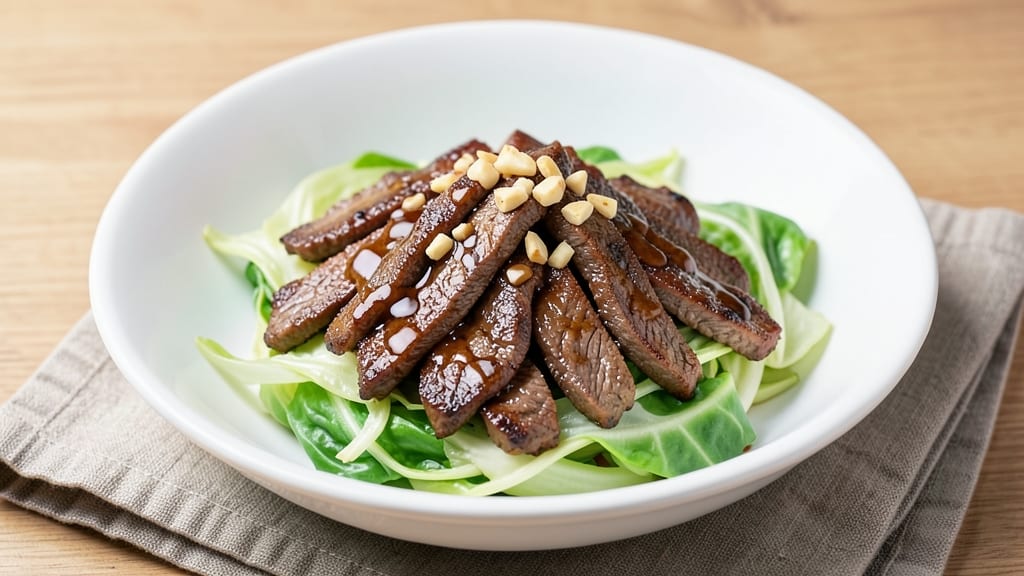
This beef and pechay recipe delivers the perfect balance of tender beef and crisp-tender Chinese cabbage, all coated in a silky soy-ginger sauce. The key lies in high-heat wok-frying for that signature caramelized crust on the beef, while preserving the pechay's satisfying crunch.
I developed this version after years of perfecting the technique—no soggy vegetables or overcooked meat here. What sets this dish apart is the sauce: a harmonious blend of soy sauce, ginger, garlic, and a touch of brown sugar that creates depth without overpowering.
The beef is marinated briefly in a mix of soy and cornstarch, ensuring it stays juicy while developing a crispy exterior. The pechay gets just enough time in the wok to soften slightly but maintain its satisfying bite.
By the time you plate it, you'll have a dish that's restaurant-quality yet simple enough for weeknight dinners. The beef comes out tender with a glossy sheen, while the pechay retains its vibrant green color and satisfying crunch.
Serve it over steamed rice or noodles for a complete meal that's both comforting and elegant. This recipe works equally well as a quick weeknight dinner or a showstopper for guests. The sauce can be adjusted to your preferred level of sweetness or heat, making it versatile for any palate.
Let's get cooking!
Ingredients for beef and pechay
Quick grocery run for beef, pechay, and pantry staples. Nothing fancy, just bold flavors.
| Ingredient | Amount | Notes |
|---|---|---|
| Flank Steak 🥩 | 1 ¼ lb | Thinly sliced against grain |
| Pechay (Chinese Cabbage) 🥬 | 1 lb | Outer leaves removed, chopped |
| Light Soy Sauce 🍶 | ½ cup | For marinade and sauce |
| Cornstarch 🌾 | 2 tbsp | For beef marinade |
| Fresh Ginger 🧄 | 1 tbsp | Minced, peeled |
| Garlic Cloves 🧄 | 4 cloves | Minced, fresh preferred |
| Brown Sugar 🍯 | 1 tbsp | Light or dark |
| Sesame Oil 🫒 | 1 tbsp | For aroma, not cooking |
| Neutral Oil 🫒 | 2 tbsp | Vegetable or canola |
| Green Onions 🧅 | 3 whole | Sliced, for garnish |
| Sesame Seeds 🌰 | 1 tbsp | Toasted, for garnish |
| White Pepper 🌶️ | ¼ tsp | Freshly ground |
| Salt 🧂 | 1 tsp | Kosher or sea salt |
| Rice Vinegar 🍶 | 1 tbsp | For brightness |
The flank steak is your star here—look for one with good marbling at the butcher counter or pre-sliced at Costco or Trader Joe's. Thinly slicing it against the grain is key (ask the butcher to do it if they're feeling helpful). For the pechay, grab the whole head and chop it yourself—pre-shredded is mushy. If you can't find pechay, Napa cabbage works in a pinch, but it's not the same. Fresh ginger and garlic? The more aromatic, the better—Whole Foods or your local Asian market usually have the freshest. And trust me, skip the pre-minced stuff in jars—it's flavorless.
No soy sauce? Coconut aminos in a bind, but it's sweeter. Cornstarch can be swapped for arrowroot powder if you're avoiding gluten. The sauce gets its depth from brown sugar—light or dark, but not raw sugar (it's too gritty). For extra umami, add 1 tsp fish sauce (if not vegetarian). The sesame oil is just for aroma—add it last, or you'll taste it too much. Want more heat? Add ½ tsp chili crisp or red pepper flakes. And if you're serving this to guests who don't love ginger, reduce it to ½ tbsp—it's strong stuff.
Steak marinates best in the fridge for at least 30 minutes (up to 4 hours). Pechay keeps 5-7 days in the crisper, but use it sooner for crunch. The sauce can be made a day ahead—flavors meld beautifully. Store leftovers in airtight containers for 3-4 days, or freeze for up to 2 months. Pro tip: Double the sauce—it's perfect for drizzling over rice or noodles later.
Why You'll Love This Recipe
- One-Pan Magic: I swear by this when I’m too tired to scrub pots—just sear the steak, toss in the pechay and ginger, and let the soy sauce work its magic. The cornstarch gives that perfect tender-crisp bite without extra fuss.
- Umami Bomb: That light soy sauce and ginger combo? It’s like a flavor explosion in your mouth. The pechay soaks up the savory goodness while the steak stays juicy—no dry bites here.
- Lunchbox Hero: Between us, this is my go-to for meal prep. Slice the cooled beef thin, pack it with rice, and boom—you’ve got a lunch that tastes like takeout. My kids actually eat their veggies this way.
- Budget Power Move: Flank steak stretches far, and pechay lasts forever in the fridge. Honestly, I make this twice a month and still have cash left for takeout guilt-free. The cornstarch keeps it feeling special without breaking the bank.
Step-by-step instructions for wok-fired beef and pechay
Here's how to get that perfect balance of tender beef, crisp pechay, and glossy soy-ginger sauce.
Marinate the Flank Steak
In a bowl, combine the 1.25 lb flank steak with the 0.5 cup light soy sauce, 2 tbsp cornstarch, 1 tbsp brown sugar, 1 tbsp minced fresh ginger, 4 minced garlic cloves, 0.25 tsp white pepper, and 1 tsp salt. The cornstarch helps tenderize while creating a silky coating. Mix well until the meat is fully coated and let it marinate for at least 30 minutes (up to 2 hours for deeper flavor). I like to press the marinade into the meat with my fingers to ensure even coverage.
While the steak marinates, prep your pechay by removing the outer leaves and chopping the remaining leaves into 1-inch ribbons. Store it separately until ready to use. The pechay should stay crisp—don't chop it too small or it'll turn mushy during cooking.
Prep the Sauce and Wok
In a small bowl, whisk together 1 tbsp rice vinegar and 1 tbsp sesame oil for the finishing sauce. Set aside—this adds brightness and aroma at the end. Heat a wok or large skillet over high heat until it's smoking hot. Add 2 tbsp neutral oil and let it shimmer for 30 seconds—this ensures a proper sear on the beef.
Real talk: If your wok isn't hot enough, the beef will steam instead of sear. You'll know it's ready when the oil ripples like water in a stream. Keep the heat cranked up—this is non-negotiable for that signature wok-fired texture.
Cook the Beef to Perfect Tenderness
Working in batches if needed, remove the steak from the marinade (let excess drip off) and add it to the wok. Cook for 1-2 minutes per side until the edges are deep golden brown and the meat is 70% cooked. The high heat will give you that beautiful crust while keeping the inside tender. Don't overcrowd the pan—this steak needs room to sear.
Transfer the cooked beef to a plate and set aside. The residual heat will carry it to medium-rare perfection. If the beef releases easily from the wok, it's ready. If it sticks, let it cook another 30 seconds—just don't walk away.
Stir-Fry the Pechay
Add the chopped pechay to the same wok and stir-fry for 2-3 minutes until just wilted but still bright green and slightly crisp. You want to preserve that satisfying crunch—don't overcook it. The high heat should make the pechay sizzle audibly. If it starts to brown too quickly, reduce heat slightly but keep it moving constantly.
Here's the thing—pechay has a delicate texture. The moment it turns dull green is the moment to remove it from the wok. If it gets mushy, you've lost that perfect crunch we're after.
Combine and Finish
Return the beef to the wok and pour in any remaining marinade from the bowl. Toss everything together for 1-2 minutes until the beef is fully heated through and coated in the glossy sauce. The beef should be medium-rare with a juicy pink center—use an instant-read thermometer if you're unsure (130-135°F for medium-rare).
Remove from heat and drizzle with the reserved sesame oil and rice vinegar mixture. Toss gently to combine. Garnish with sliced green onions and toasted sesame seeds right before serving. The contrast between the silky sauce, tender beef, and crisp pechay is what makes this dish sing.
Pro Tips For Making Beef And Pechay
- Slice Against the Grain: Flank steak’s tough fibers run diagonally—cutting them at a 45-degree angle shortens the strands and makes each bite tender. I used to ignore this and ended up with chewy, frustrating mouthfuls. A sharp knife and a steady hand make all the difference.
- Blanch Pechay First: Toss whole pechay leaves in boiling water for 30 seconds, then shock in ice water. This softens the core slightly without wilting, so they hold up better when stir-fried later. Skip this, and you’ll spend the whole cook time fighting limp, sad cabbage.
- Use Less Soy Sauce: Light soy adds flavor, but too much turns your dish into a salty sludge. Start with 1 tablespoon per pound of beef, then taste as you go—you can always add more, but you can’t un-salt. I learned this after ruining a batch that tasted like soy sauce soup.
- Marinate Ginger Separately: Grate fresh ginger fine, but toss it with the beef after the cornstarch slurry. The starch clumps with ginger’s moisture, making a thicker, stickier coating that caramelizes beautifully. Mix them together first, and you’ll end up with a gloppy mess clinging to your wok.
Essential equipment for this dish
Wok Essentials
A carbon steel wok is my top recommendation for this recipe—it heats up fast and retains heat perfectly, which is crucial for that signature wok-fired texture. I use a 14-inch De Buyer wok from Williams Sonoma, but budget-friendly options like the Amazon Basics carbon steel wok work too.
If you don’t have a wok, a heavy-bottomed cast iron skillet (like Lodge) will do in a pinch—just make sure it’s large enough to handle the beef and pechay without overcrowding. 🔥
Heat Source Matters
High, consistent heat is non-negotiable for this dish. A gas stove is ideal because you can crank the flame to high and control it precisely. If you’re using an electric stovetop, a griddle burner works best—avoid flat coils, which can create hot spots.
For induction cooktops, a carbon steel wok is a must (cast iron won’t work). Pro tip: Preheat your wok for 2-3 minutes until it’s smoking hot before adding oil—this ensures a proper sear on the beef.
Knife and Cutting Tools
A sharp chef’s knife is essential for slicing the flank steak against the grain—this ensures tender bites. I recommend an 8-inch Wüsthof or Shun Premier for precision. For the pechay, a mandoline (set to 1/8-inch thickness) speeds up the process, but a knife works too.
Just be careful—pechay is fibrous, so keep your knife sharp to avoid tearing. A cutting board with a non-slip mat prevents accidents, especially when chopping pechay in bulk.
Marinade and Mixing Tools
Use a glass or stainless steel bowl for marinating the beef—plastic can absorb odors and react with acidic ingredients like soy sauce. A whisk or fork helps distribute the marinade evenly.
For the sauce, a small ramekin or shot glass works perfectly for the finishing drizzle of sesame oil and rice vinegar. I also keep a fine-mesh strainer handy to drain excess marinade from the beef before cooking—this prevents a soggy sear.
Garnish and Finishing Touches
Toasted sesame seeds need a dry skillet or toaster oven—set it to 300°F for 2-3 minutes until golden. A microplane is perfect for zesting fresh ginger, and a pair of kitchen shears makes quick work of slicing green onions.
For plating, a slotted spoon helps transfer the beef and pechay without losing the sauce. Don’t skip the instant-read thermometer—it’s the only way to nail that 130-135°F medium-rare doneness. 💡
Nutrition facts
Frequently asked questions
Can I substitute flank steak with another cut of beef?
Yes, but choose cuts with similar tenderness and fat content. Sirloin or ribeye work well—just slice them ¼-inch thick against the grain. Avoid lean cuts like top round, as they can dry out. For extra juiciness, marinate for 2-4 hours instead of 30 minutes.
What if I can't find pechay (Chinese cabbage)?
Use Napa cabbage or bok choy as substitutes, but adjust cooking time. Napa cabbage needs 3-4 minutes to soften slightly, while bok choy cooks in 2 minutes. For a closer texture, blanch spinach for 30 seconds first, then stir-fry. The flavor won't be identical, but it'll still taste delicious!
How do I make this recipe vegetarian?
Replace the beef with extra-firm tofu or mushrooms. Press tofu for 15 minutes, then cube and pan-fry until crispy. Use shiitake mushrooms for meaty texture—sauté them for 4-5 minutes before adding pechay. Boost umami with 1 tsp soy sauce or ½ tsp miso paste in the marinade.
Why is my beef tough after cooking?
Overcooking is the #1 cause! Beef should reach 130-135°F (medium-rare) for tenderness. Use an instant-read thermometer to check. Also, slice against the grain (not with it) and avoid marinating for more than 4 hours. For extra tenderness, add 1 tbsp baking soda to the marinade (rinse before cooking).
Can I make this dish in advance?
Yes! The sauce and cooked beef keep for 3-4 days in the fridge. Reheat gently in a skillet over low heat with 1 tsp water to prevent drying. For best texture, add fresh pechay when reheating—it wilts quickly. Freeze for up to 2 months (sauce only). The pechay doesn't freeze well, so add it fresh when serving.