
Soups & Stews
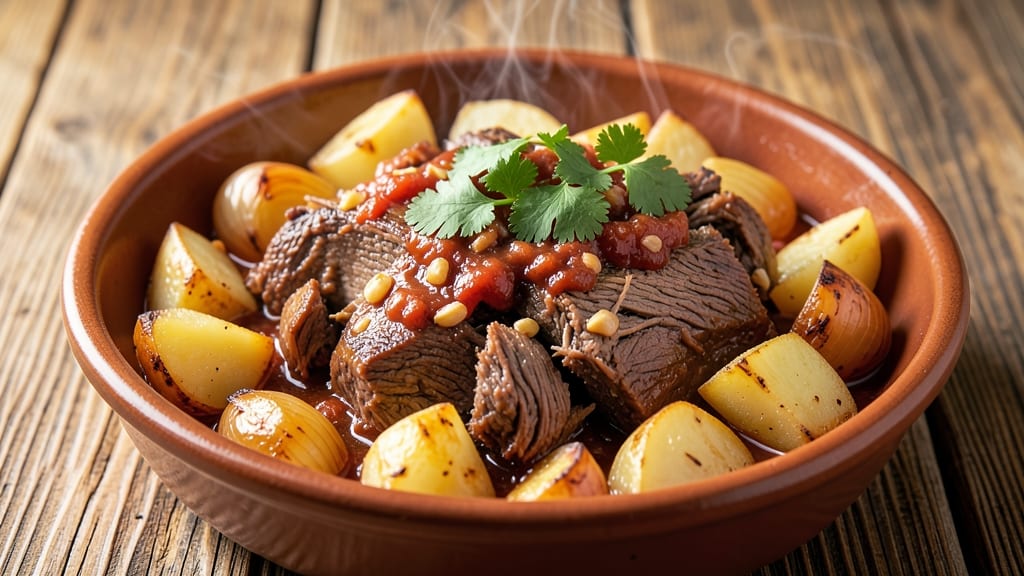
This beef and potato picadillo recipe brings the soul-warming flavors of Latin America to your kitchen with its deep, spiced tomato braise and tender chunks of beef and potatoes.
The dish is a staple in Cuban, Puerto Rican, and Dominican homes, where it’s cherished for its rich, savory-sweet balance and one-pot simplicity. What makes it special is the slow simmering process, which develops layers of flavor as the beef becomes fork-tender and the potatoes soak up the aromatic sauce.
The foundation of great picadillo lies in the spices—cumin, bay leaves, and a touch of cinnamon—that infuse the dish with warmth and depth. Unlike other stews, this recipe relies on a tomato-based sauce rather than a heavy cream or roux, making it lighter yet equally satisfying.
The beef, cut into bite-sized pieces, cooks low and slow, ensuring every bite is infused with flavor while remaining tender.
By the time you serve this dish, you’ll have a hearty, aromatic stew that’s perfect for family dinners or potlucks. The potatoes absorb the rich sauce, creating a creamy texture without needing extra cream, while the beef remains juicy and flavorful.
The dish pairs beautifully with crusty bread or over rice, making it a complete meal in one pot.
One of the best things about picadillo is its versatility—adjust the spice level to your taste or add bell peppers for extra crunch. The slow-cooked method ensures the flavors meld perfectly, delivering a dish that tastes even better the next day. Let’s get cooking!
Ingredients for beef and potato picadillo
Six hearty ingredients and one pot for this Latin-inspired beef and potato braise.
| Ingredient | Amount | Notes |
|---|---|---|
| Chuck Roast 🥩 | 2 ½ lb | Cut into 1-inch cubes |
| Yellow Onions 🧅 | 2 whole | Diced, about 2 cups |
| Russet Potatoes 🥔 | 3 lb | Peeled, cut into 1-inch cubes |
| Garlic Cloves 🧄 | 6 cloves | Minced, about 2 tbsp |
| Tomato Paste 🍅 | ½ cup | Squeeze tube preferred |
| Canned Tomato Sauce 🍅 | 2 cups | San Marzano preferred |
| Ground Cumin 🌿 | 1 ½ tbsp | Toasted for depth |
| Bay Leaves 🌿 | 2 whole | Fresh preferred |
| Ground Cinnamon 🌶️ | ½ tsp | Warm, not sweet |
| Olive Oil 🫒 | ½ cup | Extra-virgin for richness |
| Beef Broth 💧 | 2 cups | Low-sodium preferred |
| Salt 🧂 | 1 ½ tsp | Kosher or sea salt |
| Black Pepper 🌶️ | 1 tsp | Freshly ground |
| Cayenne Pepper 🔥 | ¼ tsp | Adjust for heat |
| Green Bell Pepper 🌶️ | 1 whole | Optional, diced |
The chuck roast is non-negotiable—it's the only cut that gives you that perfect fall-apart texture. Costco or local butcher shops usually have it pre-cubed, which saves time, but if you're buying a whole roast, ask for it to be cut into 1-inch pieces. The potatoes should be russets—they hold up best to the long cooking time. For the tomato sauce, San Marzano cans are worth the splurge if you can find them—they're sweeter and less acidic. If you're short on time, grab a squeeze tube of tomato paste at Trader Joe's; it's perfect for this recipe and lasts forever.
No chuck roast? Beef stew meat works in a pinch, but it won't be as tender. Skip the bell pepper if you're in a hurry, but add it if you want extra crunch—green or red, whatever's on sale. The cumin is the soul of this dish, so don't skip it. If you're sensitive to heat, cut the cayenne in half or use a pinch of red pepper flakes instead. For the broth, low-sodium is key—you don't want to over-salt the whole dish. And if you're using fresh bay leaves, crush them lightly between your fingers before adding to release the flavor.
This dish tastes even better the next day, so make extra if you can. It keeps for 4-5 days in the fridge, and you can freeze portions for up to 3 months. I like to portion it into containers so I can grab a meal for lunch all week. If you're serving it at a potluck, bring it in a slow cooker—it stays warm and the flavors keep developing. The potatoes will soak up all the sauce, so don't be shy with the broth. Trust me, it's worth it.
Why You'll Love This Recipe
- One-Pot Magic: I swear by this recipe when I’m too tired to dirty three pans. Chuck roast and potatoes simmer together—no flipping, no fuss—just deep, rich flavors with the occasional caramelized onion bite. Honestly, the only prep is chopping the onions, and the rest? Pure slow-cooker ease.
- Tomato-Paste Magic: That little can of tomato paste? Total game-changer. It thickens the sauce just enough to coat every bite of tender beef and potato, while the garlic and onions build layers of warmth. Not overly sweet, not too tangy—just right, like a hug in a skillet.
- Leftovers That Beg for More: Between us, this dish tastes better the next day. The potatoes soften just enough to soak up the beefy sauce, and the chuck roast gets fall-apart tender. I freeze half the batch for lazy Mondays—no takeout needed.
- Budget-Friendly Crowd-Pleaser: Chuck roast stretches across a whole table without breaking the bank, and potatoes? They’re the ultimate filler. Serve it with rice, tortillas, or just a fork—it’s the kind of meal that makes everyone at the table sigh with relief (and ask for seconds).
Step-by-step instructions for beef and potato picadillo
Let's make this rich, spiced stew that brings together tender beef and hearty potatoes in one flavorful pot.
🍳 Step 1: Sear the Chuck Roast for Deep Flavor
Heat the 0.5 cup olive oil in a large Dutch oven over medium-high heat until shimmering. Working in batches if needed, add the 2.5 lb chuck roast cut into 1-inch cubes, letting each piece brown deeply on all sides for 3-4 minutes per side. You're looking for a rich, golden crust that forms on the meat.
Don't overcrowd the pot—this is where the magic happens. The caramelized exterior will dissolve into the sauce later, creating layers of flavor. Once all the beef is browned, remove it from the pot and set it aside on a plate.
👨🍳 Step 2: Build the Aromatic Base
In the same Dutch oven, add the 2 whole yellow onions (diced) and cook for 5-6 minutes until softened and lightly golden. Stir occasionally so they don't stick to the bottom. Add the 3 lb russet potatoes (peeled and cut into 1-inch cubes) and continue cooking for another 3 minutes, stirring to coat them in the onion oil.
Now add the 6 cloves garlic cloves (minced), 1 whole green bell pepper (optional, diced), and the 1.5 tbsp ground cumin. Stir everything together and cook for 1 minute until the garlic becomes fragrant—this is your flavor foundation. If you're using the optional bell pepper, chop it into small pieces so it cooks evenly.
🍳 Step 3: Develop the Spiced Tomato Sauce
Squeeze in the 0.5 cup tomato paste directly from the tube and stir it into the vegetables. Let it cook for 2 minutes until it darkens slightly and the raw taste disappears. Pour in the 2 cups canned tomato sauce and scrape up any browned bits from the bottom of the pot with a wooden spoon—these bits are packed with flavor.
Add the 2 cups beef broth, 1.5 tsp salt, 1 tsp black pepper, 0.5 tsp ground cinnamon, and 0.25 tsp cayenne pepper. Stir everything together, then return the browned beef to the pot. The spices should be evenly distributed throughout the liquid, creating a rich, aromatic base for the stew.
⏰ Step 4: Simmer Until Tender and Flavorful
Bring the mixture to a gentle boil, then reduce the heat to low and cover the pot with a tight-fitting lid. Let it simmer for 1 hour and 15 minutes until the beef is fork-tender and the potatoes are easily pierced with a knife. You'll know it's ready when the flavors meld together beautifully and the beef pulls apart easily.
About halfway through cooking (45 minutes in), add the 2 whole bay leaves to infuse the stew with subtle herbal notes. Stir them in gently so they don't break apart. The bay leaves will add depth without overpowering the dish—just remove them before serving.
🍽️ Step 5: Finish and Serve with Confidence
Remove the bay leaves and taste the stew. Adjust the seasoning if needed—you might want to add a pinch more salt or a dash of cayenne for heat. Let the stew sit off the heat for 5 minutes** before serving to allow the flavors to settle and the potatoes to absorb any remaining liquid.
This hearty picadillo serves 6 people and pairs beautifully with warm crusty bread or over steamed rice. The combination of tender beef, creamy potatoes, and rich tomato sauce creates a satisfying, comforting meal that's perfect for any occasion.
Pro Tips For Making Beef And Potato Picadillo
- Sear the Chuck Roast: Don’t rush this—get that roast deep brown in a hot skillet with 2 tablespoons of oil before pulling it out. I used to walk away after a minute, but now I wait until the edges are almost black. That crust locks in flavor when it braises later.
- Pre-cook the Potatoes: Parboil the Russets for 5 minutes first, then drain and dry them well. This keeps them from turning to mush when they simmer in the sauce. (Yes, it’s an extra step, but your picadillo will thank you.)
- Deglaze with Beer: After browning the onions and garlic, splash in ½ cup of dark beer (stout or porter) instead of just broth. The bitterness cuts through the richness and adds depth—trust me, it’s the difference between "meh" and "wow."
- Check for Doneness Early: Chuck roast is forgiving, but pull it when it’s almost tender (around 190°F internal temp) and let it rest under foil for 15 minutes. It’ll finish cooking while you simmer the sauce, and the meat stays juicy—not dry. (I learned this after serving a stringy batch.)
Wine and beer pairings for this recipe
Red Wine Selections
For picadillo’s rich, spiced tomato base, I reach for medium-bodied reds that complement its warmth without overpowering. A Spanish Garnacha (Grenache) from Priorat—like Alvaro Palacios—brings fruity red berry notes and subtle earthiness that mirror the dish’s cumin and cinnamon.
The alcohol cuts through the tomato sauce beautifully, while its soft tannins won’t clash with the beef’s tenderness. 🍷
White Wine Options
If you prefer white, a dry, aromatic Viognier from Rhône Valley (try Domaine Alain Graillot) offers floral and stone fruit flavors that contrast the stew’s heartiness. Its slight sweetness balances the cayenne, while its acidity refreshes your palate between bites.
For something lighter, a crisp Albariño from Rías Baixas works—its citrus notes cleanse without competing.
Beer Pairings
A malty amber ale like Allagash Belgian-style or Sierra Nevada Pale Ale enhances picadillo’s caramelized depth. The beer’s caramel and toasty malt notes echo the stew’s slow-cooked richness, while its effervescence cuts through the sauce’s thickness.
For a bolder option, try a dark wheat beer like Weihenstephaner Hefeweizen Dunkel—its banana and clove notes complement the cinnamon.
Regional Sips
In Cuba or Puerto Rico, picadillo is often served with local rum cocktails like Mojito or Piña Colada—the citrus and mint refresh the palate after each spiced bite.
For a non-alcoholic option, a hibiscus iced tea (popular in Dominican cuisine) adds tartness that brightens the dish’s savory-sweet profile. The acidity cuts through the richness perfectly. 🍹
Pro Tips for Pairing
Serve wine or beer slightly chilled (50–55°F for reds, 45–50°F for whites) to enhance their aromatics against the stew’s warmth. If using beer, pour it 10 minutes before serving to let the carbonation settle.
For maximum harmony, let the dish rest 10–15 minutes** before pairing—this lets flavors meld, making the beverage choices shine even brighter. ✨
Nutrition facts
Frequently asked questions
Can I substitute chuck roast with another beef cut?
Yes, but texture may vary. Beef stew meat works in a pinch, though it won't be as tender. For best results, use chuck shoulder or round roast cut into 1-inch cubes. The fat content in chuck is key for flavor and moisture during the long simmer. If you must use leaner cuts, add 1 extra tablespoon of olive oil to the pot to compensate.
How do I adjust the spice level for kids or sensitive palates?
Reduce the cayenne pepper to 1/4 teaspoon or omit it entirely. For extra warmth without heat, add 1/2 teaspoon of smoked paprika instead. You can also remove the bay leaves earlier (30 minutes instead of 45 minutes) to keep flavors milder. The dish will still be flavorful—just less intense.
Can I make this recipe in a slow cooker?
Brown the beef first in a skillet, then transfer everything to the slow cooker. Cook on low for 7-8 hours or high for 4-5 hours. The slow cooker's gentle heat enhances the beef's tenderness. Add the bay leaves during the last 1-2 hours of cooking to prevent them from turning bitter.
Why does my picadillo taste too acidic?
This usually happens from overusing tomato paste or canned tomato sauce. Balance it by adding 1/4 cup of beef broth or 1 tablespoon of brown sugar to mellow the acidity. Let the stew simmer uncovered for 5 extra minutes to reduce excess liquid. For future batches, reduce tomato paste to 1/3 cup if you prefer a milder taste.
What's the best way to reheat leftovers?
Gently reheat on the stovetop over low heat with a splash of beef broth or water to prevent drying. Cover the pot and stir occasionally for 5-7 minutes until heated through. Avoid microwaving—it makes the potatoes gummy. For extra flavor, add a pinch of cumin or cinnamon while reheating to revive the spices.