
Soups & Stews
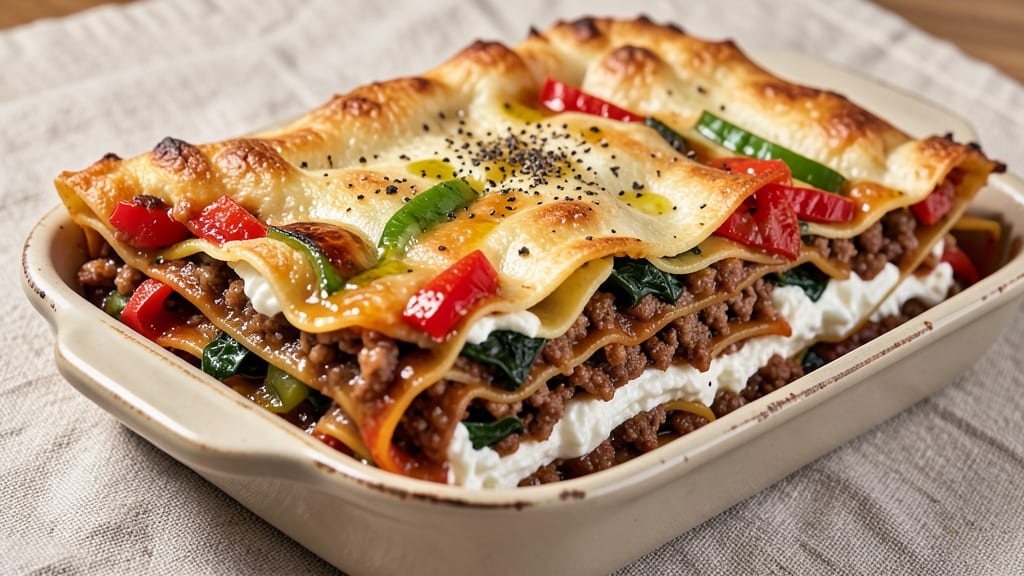
This beef and veg lasagna recipe delivers the ultimate comfort food experience—tender beef, fresh vegetables, and layers of melted cheese that create a dish so satisfying, it becomes a family tradition. The key lies in balancing rich tomato sauce with hearty vegetables and perfectly cooked lasagna noodles, all baked until bubbling and golden. I've perfected this recipe over years of Sunday dinners, ensuring every bite is packed with flavor and texture.
What sets this lasagna apart is the combination of slow-cooked beef and vibrant vegetables like zucchini, bell peppers, and spinach, all nestled between layers of creamy ricotta and sharp mozzarella. The result is a dish that's rich yet balanced, with each component—meaty, cheesy, and vegetable—harmonizing perfectly.
The secret to success? Building layers carefully and baking just long enough to achieve that irresistible golden crust while keeping the center warm and gooey.
By the time it emerges from the oven, you'll have a lasagna that's impossible to resist—steaming hot, with edges that crisp slightly and layers that hold together beautifully.
The aroma alone will have everyone gathering around the table, and the first forkful delivers that perfect combination of tender beef, fresh vegetables, and melty cheese. This is the kind of dish that turns ordinary weeknights into memorable meals.
Whether you're feeding a crowd for a holiday gathering or simply craving a hearty weeknight dinner, this lasagna recipe delivers restaurant-quality results at home. The best part?
It's a make-ahead dish that tastes even better the next day, making it ideal for meal prep. Let's get started on creating your perfect lasagna.
Ingredients for beef and veg lasagna
These hearty ingredients transform into the ultimate beef and veg lasagna—rich, layered, and packed with flavor.
| Ingredient | Amount | Notes |
|---|---|---|
| Ground Beef 🥩 | 1 ½ lb | 80% lean for best texture |
| Lasagna Noodles 🍝 | 12 pieces | No-boil preferred, but regular works |
| Zucchini 🥒 | 2 medium | Sliced into 1/4-inch rounds |
| Bell Peppers 🌶️ | 2 whole | Red or green, sliced thin |
| Spinach 🌿 | 5 oz | Fresh, roughly chopped |
| Ricotta Cheese 🧀 | 1 ½ cups | Whole-milk, room temperature |
| Mozzarella Cheese 🧀 | 2 cups | Part-skim, shredded fresh |
| Parmesan Cheese 🧀 | ½ cup | Freshly grated from block |
| Tomato Sauce 🍅 | 3 cups | High-quality jarred or homemade |
| Garlic Cloves 🧄 | 4 cloves | Minced for sauce |
| Onion 🧅 | 1 medium | Diced for beef mixture |
| Olive Oil 🫒 | 2 tbsp | Extra-virgin for cooking |
| Salt 🧂 | 1 ½ tsp | Kosher or sea salt |
| Black Pepper 🌶️ | 1 tsp | Freshly ground preferred |
| Dried Oregano 🍃 | 1 tsp | Italian blend preferred |
The beef is where the magic starts. 80% lean ground beef gives you that perfect balance of tenderness and flavor—90% lean gets too dry. I grab mine from Costco when I'm doing a big batch, but the regular supermarket stuff works fine. Look for good marbling if you're buying a whole roast to brown yourself. The ricotta? Whole-milk is non-negotiable here—it's creamier and adds that perfect texture. Room temperature ricotta mixes better, so take it out of the fridge 30 minutes before using. For the cheese, freshly shredded mozzarella makes all the difference—pre-shredded gets gummy when baked.
No fresh spinach? Frozen works perfectly—just thaw and drain it well. Bell peppers can be any color, but red adds that extra sweetness. The zucchini should be firm, not mushy—young ones are best. For the tomato sauce, Rao's or Barilla are my go-tos, but homemade is even better. If you're making your own, San Marzano tomatoes are worth the splurge. The garlic? Freshly minced is ideal, but powdered works in a pinch. For the noodles, no-boil lasagna sheets save time, but regular ones work too—just boil them al dente first. The key is layering them carefully so they don't get soggy.
This lasagna tastes even better the next day—make extra portions if you can. Keeps in the fridge for 4-5 days and freezes beautifully for up to 3 months. I like to wrap individual portions in foil before freezing so I can pull out just what I need. For reheating, cover with foil and bake at 350°F until heated through—about 20-25 minutes. The secret to perfect lasagna? Don't overbake—you want that golden crust, but the center should still be warm and gooey when you pull it out.
Why You'll Love This Recipe
- I swear by this trick: spiralize the zucchini and slice the bell peppers into fat strips—no knife skills required. The noodles? Just boil 'em. Honestly, I make this while scrolling through my phone.
- No-Chop Shortcuts: I swear by this trick: spiralize the zucchini and slice the bell peppers into fat strips—no knife skills required. The noodles? Just boil 'em. Honestly, I make this while scrolling through my phone.
- Meat Sauce Magic: That ground beef gets browned with garlic and Italian seasoning until it’s sticky with flavor, then simmered with crushed tomatoes until it’s thick enough to coat a spoon. Between us, the spinach wilts right into the sauce—no separate side needed.
- Leftovers That Last: This feeds six but tastes even better the next day. I double the recipe, freeze half, and pull it out for lazy Sundays. The veggies stay tender, the cheese pulls apart perfectly, and no one complains about "dry lasagna."
Step-by-step instructions for beef and veg lasagna
Here's how to build layers of flavor that'll have everyone asking for seconds.
Cook the Lasagna Noodles
Bring a large pot of salted water to a rolling boil. Add the 12 pieces lasagna noodles and cook according to package directions—usually about 8-10 minutes for regular noodles. If using no-boil noodles, you can skip this step entirely and proceed directly to assembly.
For regular noodles, I like to drain them and rinse briefly under cold water to stop the cooking process. This prevents them from becoming mushy when baked later. Drain well and set aside in a large bowl, ready for layering. The noodles should be al dente—firm to the bite but fully cooked through.
Prepare the Beef and Veggie Mixture
Heat 2 tablespoons olive oil in a large skillet over medium heat. Add the 1 medium onion and cook for 5 minutes until softened. Add the 1.5 lb ground beef and cook, breaking it apart with a wooden spoon, until no longer pink—about 6-8 minutes. Drain any excess fat if needed.
Add the 2 medium zucchini (sliced into ¼-inch rounds), 2 whole bell peppers (sliced thin), and 5 oz spinach, stirring to combine. Cook for another 3-4 minutes until the vegetables soften slightly. Stir in the 4 cloves minced garlic, 1.5 teaspoons salt, 1 teaspoon black pepper, and 1 teaspoon dried oregano, mixing well to coat everything in the seasoning.
Assemble the Lasagna Layers
In a 9x13-inch baking dish, spread 1 cup tomato sauce on the bottom to prevent sticking. Add a layer of 4 lasagna noodles (about half the total), followed by half of the beef and veggie mixture. Sprinkle ½ cup ricotta cheese evenly over the meat, then add ½ cup mozzarella cheese and ¼ cup parmesan cheese. Repeat with another layer of noodles, remaining beef mixture, ricotta, mozzarella, and parmesan.
Finish with a final layer of noodles, then spread the remaining 2 cups tomato sauce evenly over the top. Sprinkle the remaining 1 cup mozzarella cheese and ¼ cup parmesan cheese over the sauce. This layering ensures each bite has the perfect balance of rich tomato, creamy ricotta, and melty cheese.
Bake to Golden Perfection
Cover the baking dish tightly with aluminum foil and bake at 375°F for 30 minutes. Remove the foil and bake for another 15-20 minutes until the top is golden brown and bubbly. The edges should be slightly crispy, and the cheese should be melted and stretchy.
Let the lasagna rest for 10-15 minutes before slicing—this allows the layers to set and makes it easier to serve. The internal temperature should reach 160°F in the center, ensuring all the meat and veggies are fully cooked. Serve warm with a side of garlic bread or a fresh salad for the ultimate comfort meal.
Pro Tips For Making Beef And Veg Lasagna
- SALT THE MEAT FIRST: I learned this the hard way—ground beef stays bland if you wait to season. Break it into chunks, toss with 1 teaspoon salt and ½ teaspoon black pepper before browning, then let it sit for 5 minutes. The seasoning penetrates better, and the meat won’t taste like it’s hiding in the sauce.
- SAUTE VEGGIES IN BATCHES: Bell peppers and zucchini release water like crazy when cooked together. Sear the peppers first in a dry pan until charred in spots, then remove them. In the same pan, quickly cook the zucchini over high heat for 2-3 minutes—just until tender-crisp—before adding the spinach. This keeps the layers from turning soggy when assembled.
- DON’T OVERMIX THE SAUCE: I used to blend the beef sauce until it was smooth, but that’s a lasagna crime. Leave it slightly chunky—those little meat bits add texture. After browning the beef, deglaze with wine or broth, then simmer uncovered for 10 minutes. Stir occasionally, but let it reduce naturally. The sauce will thicken as it bakes, and you’ll avoid that gluey mess.
- LAYER SPINACH LAST: Fresh spinach wilts fast, and if you add it too early, it turns into a sad, watery sludge. Keep it raw until assembly, then layer it between the noodles and cheese right before baking. For extra flavor, toss it with a pinch of garlic powder and red pepper flakes—it’ll crisp slightly at the edges while the lasagna bakes.
Essential equipment for great beef and veg lasagna
Baking Dish Essentials
A 9x13-inch baking dish is non-negotiable for this lasagna—it creates the perfect surface area for even baking and layering. I recommend using a heavy-duty stainless steel or ceramic dish (like Le Creuset) for even heat distribution.
If you don't have one, a glass dish works too, but check for cracks before using. Avoid dark-colored dishes—they can cause uneven browning. 🍽️
Cheese Tools Matter
Freshly shredded mozzarella is a game-changer, but you'll need the right tools. A box grater (like Microplane) gives you the finest, most even shreds. For ricotta, a spoon or rubber spatula helps spread it smoothly between layers.
I also keep a small bowl nearby to mix ricotta with a beaten egg (optional) for extra creaminess. Pre-shredded cheese? Skip it—it gets gummy when baked.
Layering Utensils
Use a long-handled spatula (about 12 inches) to spread sauce and cheese evenly without disturbing lower layers. A lasagna comb (or even a fork) helps create ridges in the top cheese for a crispy crust.
For assembly, I grab a large mixing bowl to hold noodles and a small bowl for ricotta/cheese mixtures. Keep everything within arm's reach to avoid smudging layers. ✨
Oven Thermometer
Your oven's temperature display isn't always accurate. A digital oven thermometer (like Thermoworks) ensures your 375°F setting is precise. I've seen ovens run 25°F hotter or cooler than set—this affects baking time and texture.
Place it near the baking dish while preheating. Pro tip: Calibrate your oven annually for consistent results.
Cooling Rack
After baking, transfer your lasagna to a wire cooling rack to prevent soggy bottoms. I use a large rack that fits my 9x13-inch dish directly on top. This allows air circulation, which helps set the layers faster.
If you don't have a rack, prop the dish on a folded towel for the same effect. Never let it sit directly on the counter—condensation builds up and makes the noodles mushy.
Foil and Parchment
Heavy-duty aluminum foil (like Reynolds) is essential for covering during the initial bake. Use two layers for extra protection against leaks. For the final bake, I switch to parchment paper on top of the foil to create a crispy cheese crust without burning.
Keep a roll nearby—you'll need it for quick adjustments during baking. 💡
Nutrition facts
Frequently asked questions
Can I use regular lasagna noodles instead of no-boil?
Yes, but you'll need to cook them first! Boil regular noodles for 1-2 minutes less than package instructions (until al dente), then drain and rinse briefly with cold water. This prevents them from turning mushy during baking. The key is stopping the cooking process so they firm up when baked.
What if I don't have ricotta cheese?
You can substitute with 1 cup cottage cheese (blended smooth) or ½ cup mascarpone mixed with ½ cup heavy cream. For a dairy-free option, try silken tofu blended with nutritional yeast—it adds creaminess without the same richness. The texture will differ slightly, but it still works in a pinch!
How do I prevent a soggy bottom?
Spread 1 cup tomato sauce on the very bottom of your baking dish before adding noodles—this creates a moisture barrier. Also, avoid overfilling the dish (this recipe fills it about ¾ full). For extra insurance, bake on the middle rack where heat is most even, and never skip the foil cover during the initial 30 minutes of baking.
Can I make this lasagna ahead of time?
Assemble the lasagna up to 24 hours ahead and refrigerate uncovered. When ready to bake, add 15 minutes to your baking time (cover with foil for 45 minutes first, then uncover). For freezing, assemble completely, cover tightly with foil, and freeze for up to 3 months. Thaw overnight in the fridge before baking.
What vegetables can I swap in?
Try mushrooms (sautéed with garlic), eggplant (roasted first), or broccoli (steamed lightly). For heartier options, add chickpeas or lentils to the beef mixture. Just be mindful of moisture content—zucchini and bell peppers work well because they release water gradually during baking without making the lasagna soggy.