Soups & Stews
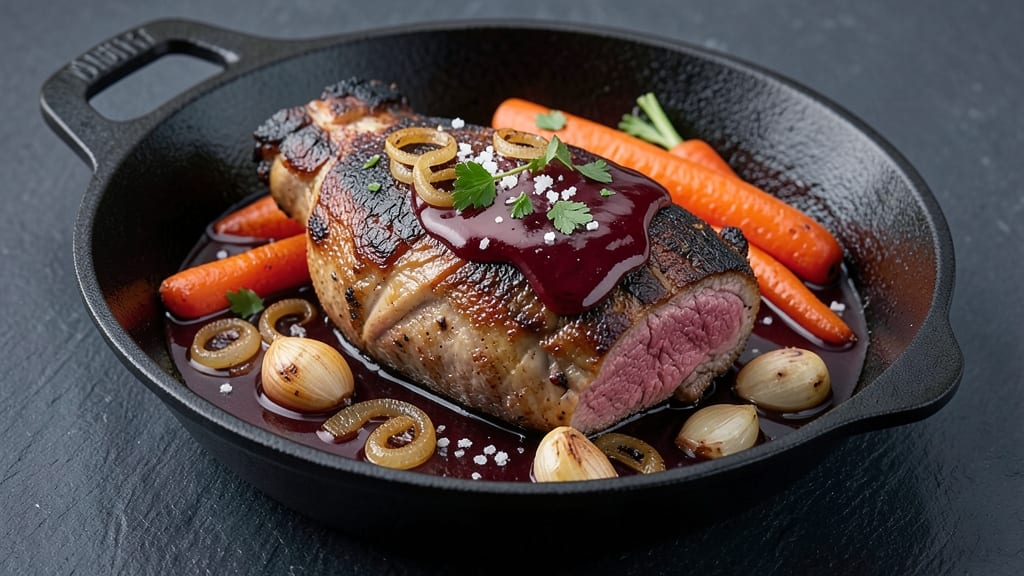
This beef arm recipe transforms tough cuts into melt-in-your-mouth perfection through slow braising—a technique that builds deep, rich flavors while breaking down connective tissue. The result? Fork-tender meat that practically falls apart, coated in a glossy sauce that clings to every bite.
I've perfected this method over years of testing, ensuring the beef stays juicy and the sauce achieves that ideal balance of savory, slightly sweet, and umami-rich depth.
What sets this technique apart is the combination of searing for flavor development followed by low-and-slow cooking in liquid. The key is patience—allowing the beef to cook for hours until it reaches that signature pull-apart tenderness.
While traditional methods use a Dutch oven, modern adaptations like sous vide or air fryer techniques can achieve similar results with less hands-on time. The secret weapon? A well-built braising liquid that infuses the meat with layers of flavor.
By the time you're ready to serve, you'll have beef that's so tender it dissolves at the touch of your fork, all while maintaining that satisfying chew. The sauce, reduced to a perfect consistency, will coat each bite with a velvety richness that makes every mouthful unforgettable.
This is the kind of dish that transforms a simple weeknight dinner into an impressive centerpiece.
Pair it with roasted root vegetables, creamy mashed potatoes, or a bold red wine reduction for a complete meal. The beauty of this recipe lies in its versatility—whether you're cooking for a family gathering or treating yourself to a special dinner, this beef arm delivers restaurant-quality results at home.
Ingredients for beef arm
Sixteen ingredients. One slow-cooked masterpiece. Your pantry already has most of these.
| Ingredient | Amount | Notes |
|---|---|---|
| Beef Arm (Chuck Roast) 🥩 | 4 lb | With good marbling for tenderness |
| Yellow Onion 🧅 | 2 whole | Chopped into large chunks |
| Carrots | 4 medium | Whole, peeled, cut into 2-inch pieces |
| Garlic Cloves 🧄 | 6 cloves | Smashed, not minced |
| Tomato Paste 🍅 | ½ cup | High-quality, no sugar added |
| Dry Red Wine 🍷 | 1 cup | Bold variety like Cabernet Sauvignon |
| Beef Broth 💧 | 3 cups | Low-sodium preferred |
| Olive Oil 🫒 | 2 tbsp | Extra-virgin for searing |
| Fresh Thyme 🌿 | 2 sprigs | Or 1 tsp dried thyme |
| Fresh Rosemary 🌿 | 1 sprig | For aromatic depth |
| Bay Leaves 🍃 | 2 whole | Remove before serving |
| Salt 🧂 | 1 ½ tsp | Kosher salt, adjust to taste |
| Black Peppercorns 🌶️ | 1 tsp | Freshly cracked |
| Brown Sugar 🍯 | 1 tbsp | For subtle sweetness |
| Dijon Mustard 🍯 | 1 tbsp | For depth of flavor |
The beef arm is the star—look for chuck roast with visible marbling at Costco or your butcher. Whole Foods often carries pre-cut beef arm pieces, which saves time. If you're using a whole roast, trim excess fat but leave some for flavor. The carrots can be any variety, but Napa or rainbow carrots add color. For the wine, any bold red works—Cab Sauv, Merlot, whatever's open. The tomato paste? San Marzano is ideal if you want that authentic sweetness, but regular high-quality paste works fine. Fresh herbs make all the difference here—don't skip them if you've got them.
No red wine? Beef broth with a splash of balsamic vinegar gets you close. Fresh thyme and rosemary are ideal, but dried works at one-third the amount. If you're short on time, those little squeeze tubes of tomato paste at Trader Joe's are perfect—no waste, keeps for months. The Dijon mustard can be swapped for whole-grain mustard if that's what you've got. For the carrots, baby carrots work in a pinch, but whole carrots cut into 2-inch chunks give better texture. The brown sugar adds subtle sweetness—reduce to 1 tsp if you prefer less sweetness. The key is patience with the slow cooking—don't rush this part.
This dish tastes even better the next day once everything melds together. Store in an airtight container in the fridge for up to 5 days, or freeze for 3 months. I always make extra because it reheats beautifully—just warm through with a splash of broth. The sauce thickens as it cools, so add a little water when reheating if needed. For serving, I like to spoon the beef and sauce over creamy mashed potatoes or crusty bread to soak up every last bit of that rich, buttery sauce.
Why You'll Love This Recipe
- Foolproof Simplicity: I swear, this recipe is the kind of thing you’ll make while scrolling through your phone—just brown the beef arm in one pan, toss in chopped onions and carrots, add a splash of broth, and let it slow-cook. The hardest part? Deciding when to stop staring at it.
- Rich, Deep Umami Bomb: That tomato paste isn’t just for color—it’s the secret weapon. Combined with garlic and onions caramelized right in the pot, every bite has this meaty, almost savory-sweet depth that makes you want to lick the plate. (Yes, I’ve done it.)
- Leftovers That Save You: Make a double batch, and you’ve got lunch for the next three days. The beef arm stays tender, the veggies soften just enough, and reheating? Microwave or skillet—both work. My freezer’s full of these because I’m lazy, but also because it’s that good.
- Budget-Friendly Crowd-Pleaser: Chuck roast is cheap, and this recipe stretches it into a meal that feeds six for less than $15. Honestly, I’ve served it at potlucks, game nights, and even a last-minute dinner with friends—no one’s ever complained. (They usually ask for the recipe instead.)
Step-by-step instructions for braised beef arm
This method transforms tough beef arm into melt-in-your-mouth perfection through slow braising.
Sear the Beef Arm for Deep Flavor
Pat the 4 lb beef arm dry with paper towels—this ensures a proper sear. Heat the 2 tbsp olive oil in a heavy Dutch oven over medium-high heat until shimmering. Place the beef arm fat-side down and sear undisturbed for 8-10 minutes until deeply browned. Flip and repeat on the other side.
Here's the thing—don't rush this step. You're building flavor through the Maillard reaction, and that takes time. Once browned, remove the beef arm and set it aside. The rich, caramelized crust will infuse the braising liquid with incredible depth.
Build the Aromatic Base
In the same Dutch oven, add the 2 whole yellow onions and 4 medium carrots cut into 2-inch pieces. Cook for 5-6 minutes until the onions soften and begin to caramelize. Add the 6 smashed garlic cloves, 1 tbsp brown sugar, and 1 tbsp Dijon mustard, stirring for 1 minute until fragrant.
This is where the magic happens. The sugar and mustard create a subtle sweetness that balances the richness of the beef. The garlic should smell pungent but not burnt—if it starts to darken too quickly, reduce the heat slightly. You want these aromatics to develop their flavors without burning.
Deglaze and Simmer the Braise
Pour in the 1 cup dry red wine, scraping up all the browned bits from the bottom of the pot. Let it simmer for 3-4 minutes until reduced by half. Stir in the 0.5 cup tomato paste, 3 cups beef broth, 1.5 tsp salt, and 1 tsp freshly cracked black peppercorns. Add the 2 sprigs fresh thyme, 1 sprig fresh rosemary, and 2 whole bay leaves.
Return the beef arm to the pot, fat-side up. Bring to a gentle simmer, then reduce heat to low. The liquid should just barely bubble—this ensures even cooking without boiling the beef dry. Cover with a tight-fitting lid and let it cook for 2 hours, turning the beef arm occasionally.
Braise Until Fork-Tender
After 2 hours, check for doneness by inserting a knife into the thickest part of the beef. It should be fork-tender but still slightly firm to the touch. If it's not quite there, continue braising for another 30-60 minutes, adding a splash of water if the liquid reduces too much.
I know it's tempting to rush this step, but patience is key. The beef needs time to break down and absorb all those delicious flavors. The final internal temperature should reach around 195-205°F—this is where the collagen melts into gelatin, creating that signature buttery tenderness.
Rest and Serve
Once the beef is fork-tender, remove it from the pot and let it rest for 15-20 minutes. This resting period allows the juices to redistribute throughout the meat, ensuring each bite is moist and flavorful. Discard the bay leaves and skim any excess fat from the braising liquid if desired.
Slice the beef arm against the grain into ½-inch thick slices. Serve with the reduced braising liquid spooned over the top. The result should be tender, flavorful beef that practically falls apart with each bite, all thanks to the slow braising process.
Pro Tips For Making Beef Arm
- SEAR THE ARM FIRST: Chuck roast is forgiving, but a quick sear in a screaming-hot pan (no oil needed—just let the fat render) builds flavor that slow cooking can’t replicate. I used to skip this, and the dish always tasted like it needed more seasoning—until I realized the crust was missing.
- PEEL THOSE CARROTS: Leave the skins on, and you’re fighting for texture and color the whole time. Peel them first, then cut into even chunks (about 1-inch) so they soften at the same rate as the onions. Uneven pieces mean some turn to mush while others stay stubborn.
- DON’T SKIP THE GARLIC MASH: Smash those garlic cloves with the flat of your knife before adding them—this releases more flavor without burning. I learned this the hard way when my beef arm tasted like it was missing something, even though I’d followed the recipe. (Yes, it’s weird, but it works.)
- START LOW, END HIGH: Chuck roast needs patience, but cranking the heat at the end to reduce the sauce by 20% concentrates the flavors. After 2 hours of slow cooking, turn the oven to 375°F (190°C) for the last 30 minutes—this caramelizes the tomato paste and deepens the color. Trust me, it’s worth the wait.
Best sauces and condiments for beef arm
Classic Red Wine Reduction
The braising liquid from your beef arm makes an incredible sauce when reduced. After removing the beef, strain the liquid through a fine-mesh sieve to remove herbs and vegetables. Simmer the strained liquid in a saucepan over medium-high heat for 15-20 minutes until it thickens to a glossy consistency.
Finish with 1 tbsp butter and a pinch of salt for richness. This sauce clings beautifully to the beef and pairs perfectly with mashed potatoes or crusty bread. 🍷
Creamy Horseradish Sauce
For a tangy kick, blend ½ cup sour cream, 2 tbsp prepared horseradish, 1 tbsp Dijon mustard, 1 tbsp fresh parsley, and 1 tsp lemon juice until smooth. Thin with a splash of beef broth if needed.
This sauce cuts through the richness of the beef and adds a refreshing contrast. Serve it on the side for dipping or spoon it over sliced beef. 🌶️
Garlic Butter Pan Sauce
After searing the beef, don't discard the browned bits! Deglaze the Dutch oven with 2 tbsp white wine or beef broth, then whisk in 2 tbsp butter and 2 minced garlic cloves. Simmer for 2-3 minutes until the butter melts and the sauce thickens.
Stir in 1 tsp fresh thyme leaves for extra aroma. This quick sauce adds a luxurious finish to your beef arm. 🧄
Spiced Tomato Jam
For a sweet-savory contrast, simmer 1 cup crushed tomatoes, 2 tbsp brown sugar, 1 tbsp balsamic vinegar, 1 tsp smoked paprika, and ½ tsp red pepper flakes over low heat for 15 minutes until thickened.
Spoon this jam over sliced beef arm for a vibrant, slightly sweet glaze. It's especially delicious with roasted root vegetables. 🍅
Mustard Cream Sauce
Whisk together ½ cup heavy cream, 2 tbsp Dijon mustard, 1 tbsp fresh chives, and a pinch of salt. Warm gently over low heat until just heated through.
This light, creamy sauce balances the richness of the beef arm beautifully. It's perfect for drizzling over sliced beef or serving as a dip. 🥄
Nutrition facts
Frequently asked questions
What cut of beef is best for this recipe?
Use a well-marbled chuck roast or beef short plate (the technical name for beef arm). These cuts have enough connective tissue to become tender when braised properly. Look for pieces with visible fat marbling—this ensures juicy, flavorful results.
Can I make this recipe without red wine?
Replace the wine with an equal amount of beef broth plus 1 tbsp balsamic vinegar for depth. The acidity helps tenderize the meat and mimics wine's flavor. For extra richness, add 1 tsp soy sauce or Worcestershire sauce to the braising liquid.
How do I know when the beef is fully tender?
The beef is done when it reaches 195-205°F internally and a fork slides in easily with minimal resistance. For a true test, cut into the thickest part—it should look like pulled pork with no chewy bits. If it's still firm after 3 hours, continue cooking with more liquid.
Can I use an Instant Pot for this recipe?
Yes! Sear the beef first, then add all ingredients to the Instant Pot. Cook on high pressure for 60 minutes, then quick-release. The beef will be tender but may need 10-15 minutes of stovetop reduction to thicken the sauce. For extra flavor, deglaze the pot after searing.
What's the best way to reheat leftovers?
Reheat in a skillet with a splash of beef broth over low heat for 5-7 minutes until warmed through. Avoid microwaving—it can make the meat dry. For extra richness, add a pat of butter to the pan. Leftovers taste even better the next day!