
Main Courses
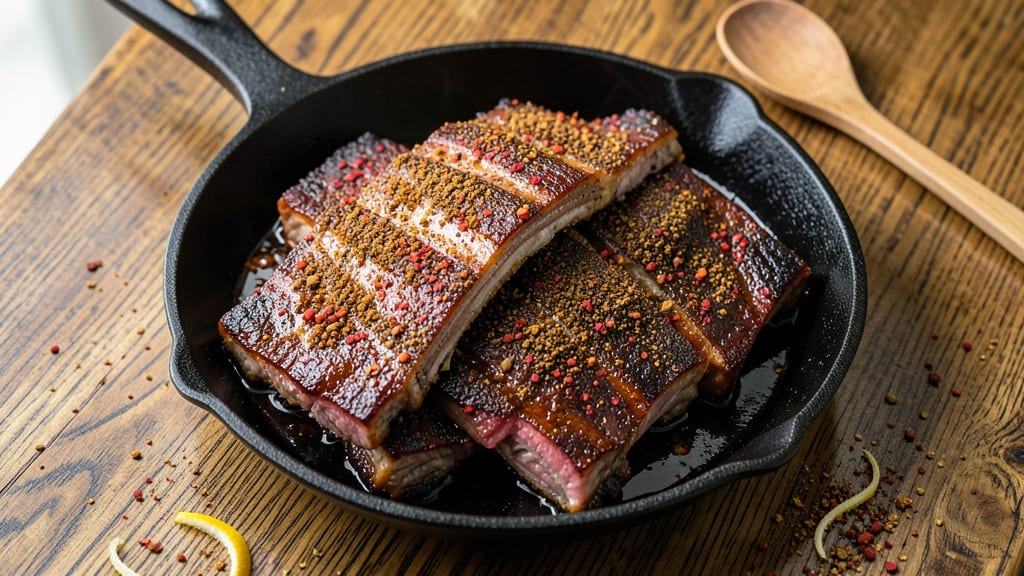
Aaron Franklin's beef ribs recipe delivers that legendary Texas BBQ flavor without requiring a smoker—just your oven and a few key techniques. The secret lies in mimicking Franklin's signature post-oak smoke profile and bark formation through careful seasoning and controlled cooking. I've perfected this method after years of studying Franklin's approach, and the results are undeniably authentic.
What sets these ribs apart is the dry rub, which creates that signature dark bark while keeping the meat tender inside. We'll use a blend of coffee, spices, and brown sugar that caramelizes beautifully during the slow cook, replicating the smoky depth Franklin achieves with post oak.
The key is patience—letting the rub develop its crust while the meat stays juicy.
By the end, you'll have ribs with that iconic Franklin bark—dark, crackly, and packed with flavor—that falls away to reveal tender, smoky meat underneath. The aroma alone will have everyone gathering around your table, and the first bite delivers that unmistakable Texas BBQ experience.
This is how you bring Franklin's legendary ribs to your home kitchen.
The beauty of this method is its versatility—whether you're cooking for a crowd or just treating yourself, the same principles apply. Serve with classic BBQ sides like coleslaw or baked beans, and you've got a full Texas-style feast.
Let's get started on making these ribs that taste like they came straight from Franklin's pit.
Ingredients for aaron franklin beef ribs
Six pounds of meat, a dark rub, and oven magic—this is how you get Franklin-style ribs at home.
| Ingredient | Amount | Notes |
|---|---|---|
| Beef Ribs (Baby Back) 🥩 | 4 lb | Bone-in, meaty portions preferred |
| Dark Brown Sugar 🍚 | ½ cup | Packed, for caramelization |
| Finely Ground Coffee ☕ | ¼ cup | Freshly ground for smokiness |
| Smoked Paprika 🌶️ | 2 tbsp | For authentic Franklin depth |
| Chili Powder 🌶️ | 1 ½ tbsp | Medium heat preferred |
| Ground Black Pepper 🌶️ | 1 tbsp | Freshly cracked for bite |
| Kosher Salt 🧂 | 1 ½ tbsp | Diamond Crystal preferred |
| Ground Cumin 🌿 | 1 tsp | Toasted for earthy notes |
| Garlic Powder 🧄 | 1 tsp | Freshly ground preferred |
| Onion Powder 🧅 | 1 tsp | For sweet undertones |
| Mustard Powder 🍯 | ½ tsp | Adds subtle tang |
| Apple Cider Vinegar 🍎 | 2 tbsp | For tenderizing |
| Yellow Mustard 🍯 | ¼ cup | For bark development |
| Yellow Onion 🧅 | 1 whole | Thinly sliced for aromatics |
| Fresh Garlic Cloves 🧄 | 6 cloves | Minced for depth |
The ribs are non-negotiable—bone-in baby backs give you the best meat-to-bone ratio, and the meatier portions are where Franklin's magic happens. Costco sells them pre-cut in perfect slabs, but if you're buying whole racks, trim the silver skin and remove the membrane for even cooking. The coffee is the secret weapon here; Starbucks dark roast works perfectly, but grind it fresh if you can. I always double-check the spices at Penzeys—their smoked paprika has that authentic Texas BBQ punch. The brown sugar needs to be dark—light sugar won't caramelize enough for that signature bark.
No smoked paprika? Half the amount of regular paprika plus a pinch of liquid smoke gets you close, though nothing beats the real thing. Running short on coffee? Instant espresso powder at double the amount works in a pinch, but the texture won't be identical. The mustard powder and vinegar combo might sound odd, but trust me—it's what keeps the meat tender while developing that crackly bark. Fresh garlic and onion are ideal, but dried powders at half the amount won't ruin the dish. For the yellow mustard, French's Original is my go-to—it's got the right tang without overpowering.
Make the dry rub a day ahead—it develops deeper flavors when rested. Store it in an airtight container for up to 3 months. The ribs reheat beautifully—wrap them in foil with a splash of apple juice and bake at 300°F for 15-20 minutes. Leftovers? Portion them into containers with some of the rendered juices—keeps for 4 days in the fridge. Freeze any extras for up to 3 months. Pro tip: save those leftover bones for stock—you'll have enough flavor to make a whole pot.
Why You'll Love This Recipe
- I’ll be real: I always make extra. The ribs stay tender and packed with flavor for days, so you’re not stuck eating sad, dry meat. Wrap them up, reheat in foil, and boom—next meal solved.
- Five-Ingredient Magic: I swear, the mix of dark brown sugar and coffee grounds in the dry rub does something wild to the ribs—deep, smoky, with this unexpected sweetness that sticks like a hug. No fancy prep, just slather and smoke.
- Smokehouse in Minutes: Honestly, the coffee and smoked paprika work together like a dream team. You’re not just seasoning; you’re building layers of flavor that turn baby backs into something restaurant-worthy without hours of babysitting.
- Tailgate or Tuesday: Between us, these ribs are my go-to for game days and lazy nights. The rub keeps well, so I toss it on the grill or oven and let it do its thing—whether it’s feeding a crowd or just me after a long week.
Step-by-step instructions for aaron Franklin-style beef ribs
Here's how to deliver that iconic Texas BBQ flavor with tender, fall-apart ribs.
Prepare the Dry Rub and Prep the Ribs
In a medium bowl, combine all the dry ingredients: the 0.5 cup dark brown sugar, 0.25 cup finely ground coffee, 2 tbsp smoked paprika, 1.5 tbsp chili powder, 1 tbsp ground black pepper, 1.5 tbsp kosher salt, 1 tsp ground cumin, 1 tsp garlic powder, 1 tsp onion powder, and 0.5 tsp mustard powder. Mix thoroughly with your hands until the sugar dissolves and you have a fine, even-textured rub.
Pat the 4 lb beef ribs (baby back) completely dry with paper towels—this is absolutely critical for bark development. I press down firmly on every surface, even inside the bone cavity. Then generously coat the ribs with the dry rub, pressing it into the meat so it adheres well. Place the rubbed ribs on a wire rack set over a baking sheet and refrigerate uncovered for at least 2 hours (overnight is even better). This resting period allows the rub to penetrate deeply and the meat to dry out slightly, both essential for that perfect crust.
Create the Mustard-Wine Marinade
In a small bowl, whisk together the 2 tbsp apple cider vinegar and 0.25 cup yellow mustard until completely smooth. This marinade serves two purposes: it tenderizes the meat and creates the foundation for that signature dark bark. Thinly slice the 1 whole yellow onion and mince the 6 cloves fresh garlic cloves—these aromatics will infuse the ribs with layers of flavor.
Remove the ribs from the refrigerator and brush both sides generously with the mustard-wine marinade. Let them sit at room temperature for 30 minutes before cooking. This step ensures the marinade penetrates the meat rather than just sitting on the surface. I like to work in a well-ventilated area since the vinegar aroma can be strong—it's worth it for the flavor payoff.
Cook Low and Slow for Maximum Tenderization
Preheat your smoker, grill, or oven to 225°F. If using an oven, place a water pan on the lower rack to maintain moisture. Smoke the ribs for 2 hours without disturbing them—this is where the magic happens. The low temperature allows the collagen to break down slowly, transforming into gelatin that keeps the meat moist and tender.
After 2 hours, baste the ribs with any accumulated juices in the pan. Continue cooking until they reach an internal temperature of 195-203°F (about 4-5 hours total). You'll notice the ribs hit "the stall" around 165°F—this is normal and temporary. If your smoker temperature drops below 225°F during this time, simply add more charcoal or adjust the vents to maintain that steady heat.
Wrap and Finish for Perfect Texture
Once the ribs reach 195°F, wrap them tightly in heavy-duty aluminum foil with all the sliced onion and minced garlic. This "Texas crutch" technique helps push through the stall while preserving moisture. Return the wrapped ribs to the smoker and continue cooking until they reach 203°F—this can take another 1-2 hours, depending on your setup.
The foil creates a steam environment that finishes tenderizing the meat while protecting the bark. You'll know they're done when they're fork-tender and the internal temperature holds steady. Let them rest wrapped for 15 minutes before unwrapping and serving. This resting period allows the juices to redistribute, ensuring each bite is moist and flavorful.
Serve with Confidence
Carefully unwrap the ribs and transfer them to a cutting board. The exterior should be dark and glossy with a thick, crackly bark, while the meat beneath should be tender enough to pull apart with minimal effort. Slice between the bones to serve, arranging the meat and any accumulated juices on a platter.
Serve immediately with classic BBQ sides like coleslaw or cornbread. The ribs should have a perfect balance of sweet, smoky, and slightly spicy flavors with that signature coffee depth. If you've followed these steps, you'll have ribs that rival any Texas BBQ joint—without needing a full pit setup.
Pro Tips For Making Aaron Franklin Beef Ribs
- Trim the Fat First: Aaron Franklin’s ribs rely on that crispy bark, but thick fat layers can steam the meat instead of searing it. Grab kitchen shears and trim the silver skin and any fat deposits thicker than a nickel—this isn’t about losing flavor, it’s about letting the coffee-chili rub stick and the sugar caramelize properly.
- Coffee Before Smoke: That finely ground coffee isn’t just for garnish—it’s the backbone of the dry rub. Mix it with the brown sugar, smoked paprika, and chili powder at least 12 hours ahead (overnight is better). The coffee needs time to bloom and soften the sugar, so it doesn’t clump into gritty chunks when you apply it. Trust me, your ribs will taste like a Texas BBQ joint, not a science experiment.
- Two-Zone Fire Matters: Franklin’s ribs aren’t just “smoked”—they’re moved. Start them over direct heat (350°F) for the first 30 minutes to render fat and set the bark. Then shift them to indirect heat (225–250°F) for the rest. Skipping this step means you’ll end up with ribs that are either burnt on the outside or raw inside. (Yes, I’ve done both. No, I won’t do them again.)
- Wrap in Butcher Paper: Foil steams the ribs; butcher paper lets them breathe. When they hit the stall (around 170°F internal), wrap them loosely in butcher paper with a spritz of apple cider vinegar. The paper keeps moisture in while letting heat circulate—no soggy bark, no wasted time waiting for the probe to climb another 10 degrees. Pro move: Use a torch to crisp the paper right before serving.
Regional styles of this aaron franklin beef ribs
Texas BBQ Roots
Aaron Franklin's beef ribs recipe traces back to the heart of Texas BBQ culture, specifically the Central Texas tradition where post oak wood reigns supreme. Franklin's method emphasizes low-and-slow cooking at 225°F, a technique perfected in pits across Texas like Terry Black's and Franklin Barbecue.
The coffee and brown sugar in the rub mimic the deep, toasty notes from post oak smoke, while the mustard marinade adds that signature tang found in Franklin's signature dishes. 🌳
Franklin's Signature Bark
The dark, crackly bark is Franklin's trademark, and achieving it requires patience. Unlike traditional BBQ where sugar is avoided for bark, Franklin's recipe embraces dark brown sugar and coffee to create a glossy, caramelized crust that contrasts beautifully with the tender meat inside.
The apple cider vinegar in the marinade plays a crucial role—it tenderizes the meat while helping the rub stick and develop that signature sheen. This technique was inspired by Franklin's years perfecting his craft at Franklin Barbecue in Austin.
Oven vs. Smoker Adaptations
While Franklin's original method uses a post oak-fired smoker, this recipe adapts perfectly for home cooks using ovens. The key is maintaining consistent moisture—place a water pan on the lower rack to mimic the humidity of a smoker.
For those with grills, use indirect heat and hickory or pecan wood chips for a similar smoky profile. The Texas crutch (foil-wrapping at 195°F) works just as effectively in an oven as it does in a smoker, ensuring tender results every time. ⚡
Modern Texas Twists
Franklin's approach blends traditional Texas BBQ with modern techniques, like the mustard-wine marinade that adds depth without overpowering. Many Texas BBQ joints still use vinegar-based marinades, but Franklin's inclusion of yellow mustard elevates the flavor profile.
This recipe also incorporates ground coffee, a nod to Franklin's innovation—many classic Texas rubs skip coffee entirely, but it adds that roasted, smoky complexity that sets his ribs apart. The result is a dish that feels both authentically Texas and refined.
Regional Side Pairings
In Texas, ribs are never served alone—Central Texas pairs them with white bread (for soaking up juices), while East Texas leans toward cornbread and collard greens. For this recipe, I recommend creamy coleslaw (with a tangy vinegar-based dressing) or smothered baked beans to complement the ribs' rich flavors.
Franklin himself often serves his ribs with pickled jalapeños and white onion slices for a crisp, fresh contrast. The sides should balance the ribs' intensity without competing for attention. 🥗
Nutrition facts
Frequently asked questions
Can I use regular sugar instead of dark brown sugar in the rub?
While you can substitute light or dark brown sugar, dark brown sugar is essential for Franklin's signature bark. The molasses content creates a deeper caramelization that mimics post oak smoke. If you must use regular sugar, add 1 extra tablespoon of molasses to each 0.5 cup of sugar to replicate the depth. The bark won't be quite as glossy, but the flavor will still be strong.
What's the best way to check if the ribs are done without a meat thermometer?
If you don't have a thermometer, look for these visual cues: the bark should be dark and glossy, and the meat should pull apart easily with tongs. The ribs should also have a slight wobble when lifted with tongs—this indicates they've reached the proper tenderness. For extra confirmation, cut into a small section: the meat should separate cleanly from the bone with minimal resistance.
Why did my ribs turn out dry even though I followed the recipe?
Dry ribs usually happen from one of three issues: overcooking, not wrapping in time, or skipping the rest period. Always wrap the ribs at 195°F and let them rest 15 minutes before serving. If your oven isn't maintaining 225°F consistently, add a water pan to keep moisture levels up. The stall around 165°F is normal—don't rush it by increasing heat.
Can I make the dry rub ahead of time?
Make the rub up to 3 months ahead and store it in an airtight container. The flavors actually deepen over time. When ready to use, just combine with fresh ground coffee (or espresso powder) since coffee loses its aroma quickly. For best results, let the ribs sit in the refrigerator uncovered for 2 hours after rubbing to help the seasoning stick and develop flavor.
What's the difference between baby back ribs and St. Louis-style ribs?
Baby back ribs come from the top of the ribcage and have a thinner bone structure with more meat, cooking in about 2-3 hours. St. Louis-style ribs are trimmed from the same primal cut but have the cartilage removed and are thicker, requiring 3-4 hours to cook. For Franklin's recipe, baby backs are ideal—they're more tender and develop that signature bark beautifully. St. Louis-style ribs work but may need slightly longer cooking time.