
Soups & Stews
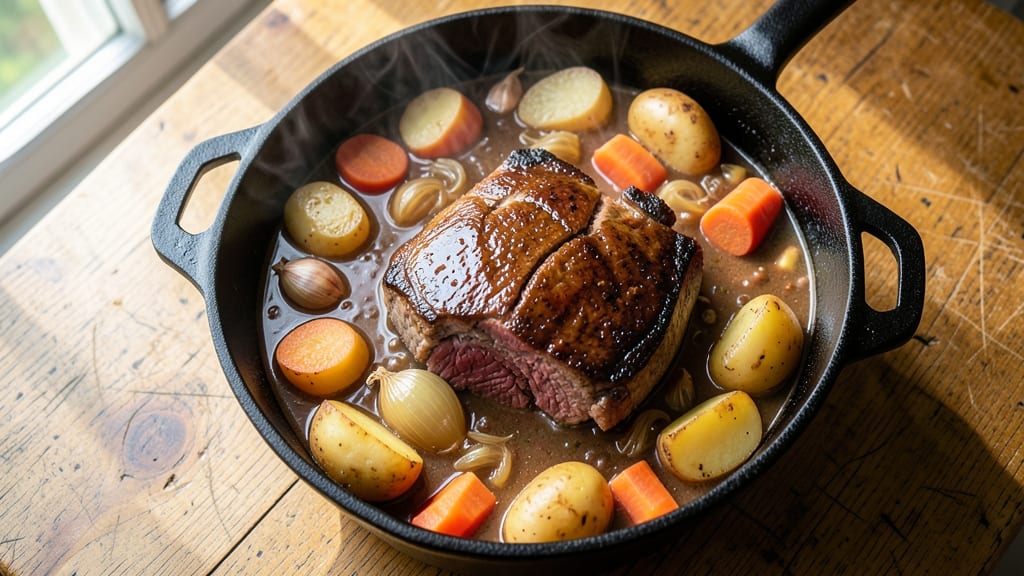
This absolute best beef stew recipe delivers restaurant-quality depth with tender beef and caramelized vegetables that transform tough cuts into melt-in-your-mouth perfection. The secret lies in slow-simmering—where tough chuck roast becomes fork-tender while root vegetables develop sweet, concentrated flavors.
I've perfected this over years of testing, ensuring every bite delivers that rich, velvety broth and satisfying texture that makes stews worth the wait.
The foundation starts with proper browning—the beef must develop a deep, flavorful crust before simmering. This recipe uses a blend of carrots, potatoes, and onions that caramelize beautifully, while herbs and spices build layers of aromatic complexity.
The slow cook ensures maximum tenderness while allowing flavors to meld into a harmonious balance. No shortcuts here—just time-tested techniques that deliver professional results at home.
What you'll achieve is a stew so rich and flavorful it becomes the centerpiece of any meal. The beef falls apart with gentle pressure, the vegetables are perfectly tender yet still hold their shape, and the broth is thick enough to coat a spoon.
This isn't just comfort food—it's a masterpiece of slow cooking that transforms simple ingredients into something extraordinary. The aroma alone will have everyone gathering around the table.
Perfect for cold evenings, holiday gatherings, or when you want to impress without complicated techniques. The beauty of this recipe is its versatility—it tastes even better the next day, making it ideal for meal prep or feeding a crowd. Let's create the best beef stew you've ever tasted.
Ingredients for absolute best beef stew
Sixteen ingredients transform into the most luxurious beef stew you'll ever make.
| Ingredient | Amount | Notes |
|---|---|---|
| Chuck Roast 🥩 | 3 lb | Well-marbled for tenderness |
| Yellow Onions 🧅 | 2 whole | Chopped into even pieces |
| Carrots 🥕 | 4 whole | Medium-sized, peeled, cut into chunks |
| Russet Potatoes 🥔 | 4 whole | Cut into 1-inch cubes |
| Garlic Cloves 🧄 | 6 cloves | Minced for aromatic depth |
| Beef Broth 💧 | 4 cups | Low-sodium preferred |
| Red Wine 🍷 | 1 cup | Bold dry variety like Cabernet |
| Tomato Paste 🍅 | 2 tbsp | For rich color and depth |
| Fresh Thyme 🌿 | ½ oz | Leaves only, stems removed |
| Fresh Rosemary 🌿 | ⅓ oz | Needle leaves only |
| Bay Leaves 🍃 | 2 whole | For subtle earthy flavor |
| Olive Oil 🫒 | 2 tbsp | Extra-virgin for browning |
| Kosher Salt 🧂 | 1 ½ tsp | Diamond Crystal preferred |
| Black Peppercorns 🌶️ | 1 tsp | Freshly cracked |
| Worcestershire Sauce 🍶 | 1 tbsp | For umami depth |
The chuck roast is non-negotiable—look for good marbling at Whole Foods or your butcher shop. The difference between a good stew and a great one often comes down to this cut. I always ask for it to be cut into 1.5-inch chunks myself, but pre-cut saves time. For the vegetables, organic carrots and potatoes hold their shape better during long cooking. The onions? Yellow or red both work, but yellow adds a touch of sweetness. Fresh herbs make all the difference here—Trader Joe's has great pre-bundled thyme and rosemary if you're short on time.
No red wine? Substitute with beef broth plus 1 tbsp balsamic vinegar—it's a game-changer for depth. Short on Worcestershire? Soy sauce or a splash of fish sauce works in a pinch, though fish sauce adds umami that's hard to replicate. The tomato paste can be skipped entirely if you're avoiding it, but it adds that rich, concentrated flavor that makes this stew restaurant-quality. For the herbs, dried thyme at one-third the amount works if fresh isn't available, but nothing beats the freshness. The bay leaves? Remove them before serving—they're for flavor, not eating.
This stew tastes even better the next day—plan ahead. Store in an airtight container in the fridge for up to 5 days, or freeze portions for 3 months. I always double the recipe and freeze half—perfect for lazy weeknights. The broth thickens as it cools, so add a splash of water or broth when reheating. For serving, a sprinkle of fresh parsley adds brightness, and a dollop of sour cream or crusty bread makes it feel extra special.
Why You'll Love This Recipe
- One-Pot Magic: I swear by this recipe because it’s literally dump-and-go after the initial sear. Brown that chuck roast in the same pot where it’ll simmer—no extra pans, no stress. The onions and carrots soften into the meat like they’ve been slow-dancing all night, and the potatoes just melt into fluffy perfection.
- Deep, Rich Umami Bomb: Between the chuck roast’s natural tenderness and the way garlic cloves caramelize into the sauce, every bite tastes like a hug from your favorite chef. The onions add sweetness that balances the hearty beef, and honestly? That first spoonful of broth—chef’s kiss—it’s the kind of flavor that makes you forget about takeout.
- Weeknight to Party Hero: Make it on a Tuesday for a cozy dinner, or double the batch and bring it to a potluck—no one will guess it’s the same recipe. The potatoes soak up the juices just right, so it’s filling enough for a crowd but still light enough for a solo night in. (Yes, even on a Tuesday night.)
- Budget-Friendly Leftovers: This stew costs next to nothing to make but tastes like you spent hours on it. Chuck roast is cheap, the veggies stretch forever, and the leftovers? Even better the next day—if they last that long. My freezer’s always stocked with portions because reheating it is just as easy as making it fresh.
Step-by-step instructions for slow-simmered beef stew
Here's how to transform tough chuck roast into melt-in-your-mouth perfection with caramelized vegetables.
Sear the Chuck Roast for Deep Flavor
Pat the 3 lb chuck roast completely dry with paper towels—this ensures maximum browning. Heat a heavy Dutch oven over medium-high heat until it's smoking hot. Add 2 tablespoons olive oil and let it shimmer for 30 seconds before adding the meat.
Sear the roast on all sides until it develops a deep mahogany crust—about 4-5 minutes per side. Don't rush this step; you want that rich Maillard reaction happening. Once browned, remove the roast and set it aside on a plate. Here's the thing—this initial sear builds the foundation for the stew's depth of flavor that you can't get any other way.
Caramelize Vegetables for Sweet Complexity
In the same Dutch oven, add the 2 whole yellow onions and 4 whole carrots, cut into even chunks. Cook for 8-10 minutes over medium heat, stirring occasionally, until they begin to soften and develop golden edges. Add the 4 whole russet potatoes, cut into 1-inch cubes, and continue cooking for another 5 minutes while you prepare the aromatics.
Add the 6 cloves minced garlic, 0.5 oz fresh thyme leaves, and 0.33 oz fresh rosemary needles, stirring for 30 seconds until fragrant. This is where the magic happens—the caramelization of the vegetables creates natural sweetness that balances the rich beef. Don't skip this step; it's the secret to restaurant-quality stew.
Deglaze and Build the Flavor Base
Pour in the 1 cup red wine, scraping up all those delicious browned bits from the bottom of the pot with a wooden spoon. This deglazing step captures all the concentrated flavor that would otherwise go down the drain. Let it simmer for 3-4 minutes until reduced by half.
Stir in the 2 tablespoons tomato paste, 1.5 teaspoons kosher salt, 1 teaspoon freshly cracked black peppercorns, and 1 tablespoon Worcestershire sauce. Add the 4 cups beef broth and the 2 whole bay leaves, then return the seared chuck roast to the pot. Bring everything to a gentle simmer—this is where the long cook begins.
Slow-Simmer for Maximum Tenderness
Cover the pot and transfer it to the oven preheated to 300°F. Let it cook for 3 hours, then carefully remove the lid and continue cooking uncovered for another 1-2 hours until the beef is fork-tender and the sauce has thickened to your desired consistency.
Here's the moment that matters: the beef should pull apart easily with two forks, and the sauce should coat the back of a spoon. If it's too thin, uncover and simmer longer to reduce. The potatoes should be tender but still hold their shape—this is where your patience pays off with melt-in-your-mouth texture.
Finish and Serve with Confidence
Remove the stew from heat and let it rest for 15 minutes before serving. This resting period allows the flavors to meld and the juices to redistribute throughout the meat. Skim off any excess fat if desired, then taste and adjust seasoning if needed.
Ladle the stew into warm bowls and serve immediately. Each bite should deliver tender beef that falls apart at the touch, surrounded by richly caramelized vegetables and a sauce that's perfectly balanced between savory, sweet, and umami. This is the kind of stew that tastes even better the next day, but it's so good fresh you'll want to eat it all now.
Pro Tips For Making Absolute Best Beef Stew
- SEAR THE ROAST HARD: Chuck roast needs a deep, dark crust to melt into the stew later—don’t be shy with the heat. After patting it dry, sear it in a hot Dutch oven with 2 tablespoons of oil until it’s got a ¼-inch crust on all sides (yes, even if it looks like you’re overcooking it). I used to rush this step, and the stew always tasted flat until I learned to let the meat develop that caramelized armor first.
- CUT POTATOES LARGE: Russet potatoes break apart when they’re small—keep them in 1.5-inch chunks so they hold their shape but still soften completely. If you’re worried about uneven cooking, parboil them for 3 minutes before adding them to the stew. I skip this when I’m lazy, but the dish is noticeably better when I don’t.
- DON’T CROWD THE PAN: When you’re browning onions and garlic, spread them out in a single layer—no overlapping. If you’re in a hurry, work in batches. I learned this the hard way after burning three batches of onions that turned to mush instead of golden bits. Crowding steams them instead of caramelizing, and that’s the flavor foundation.
- ADD POTATOES LAST: Potatoes take longer to cook than carrots, so let them simmer for just 15–20 minutes in the stew—no need to add them at the start. If you’re short on time, parboil them for 5 minutes first, but they’ll still need that final cook to soak up all the beefy juices. Sounds weird, but it works.
Make-ahead tips for leftovers
Prep Ahead for Perfection
Start by prepping all vegetables the night before—chop the 2 yellow onions, 4 carrots, and 4 russet potatoes into even chunks and store them in a sealed container in the fridge.
This saves 30 minutes of active prep time the day you cook. I always do this when making stews because it keeps everything organized and ready to go. 🥔
Slow Cooker Adaptation
For hands-off cooking, use a 6-quart slow cooker on low for 8 hours or high for 5-6 hours. Brown the meat and vegetables in a skillet first, then transfer everything to the slow cooker with the broth and aromatics.
The texture will be slightly different but still incredibly tender. Just avoid adding potatoes until the last 1 hour of cooking so they don't turn to mush.
Freezer-Friendly Strategy
This stew freezes beautifully—portion it into quart-sized freezer bags or airtight containers with 1-inch headspace for expansion. Label with the date and freeze for up to 3 months.
When ready to eat, thaw overnight in the fridge, then reheat on the stovetop with 2 tablespoons water or broth to restore moisture. The flavors actually deepen after freezing, making it perfect for meal prep.
Make-Ahead Broth Boost
For even richer flavor, make your own beef broth the day before and use it instead of store-bought. Simmer 4 lbs beef bones with 1 onion, 2 carrots, and 2 celery stalks in 1 gallon water for 4-6 hours.
Strain and cool completely before using in your stew. The homemade broth adds depth that store-bought can't match, and it's worth the extra effort for serious flavor lovers. 💫
Day-After Magic
If you're planning to serve this stew the next day, let it cool completely, then refrigerate uncovered for 1 hour to allow a thicker skin to form. This prevents a soggy texture when reheating.
The next day, skim off any fat that solidified on top, then reheat gently on low heat, stirring occasionally. The flavors will have melded even more beautifully, creating that restaurant-quality depth you crave.
Portion Control Tips
For individual servings, divide the stew into 1.5-cup portions in microwave-safe containers before freezing. When reheating, cover with a damp paper towel and microwave on 50% power for 2-3 minutes, stirring halfway through.
This method preserves texture better than full-power microwaving. I always keep a few portions frozen for those unexpected cravings or busy weeknights when I need comfort food fast. 🍲
Nutrition facts
Frequently asked questions about perfect beef stew
Why does my beef stew turn out tough instead of tender?
The key is patience! Chuck roast needs at least 3 hours of slow cooking at 300°F to break down collagen. If your beef is still chewy, extend cooking time uncovered to thicken the sauce. Never rush the simmer—this is where tough meat transforms into melt-in-your-mouth perfection.
Can I use a different cut of beef instead of chuck roast?
While chuck roast is ideal for its marbling, you can substitute with brisket (needs extra time) or stew meat (pre-cut for convenience). Avoid lean cuts like sirloin—they'll dry out. If using brisket, add 1 extra hour of cooking time. The fat content is what makes the stew rich and flavorful.
What's the secret to making the sauce thick and rich?
The sauce thickens naturally as it simmers, but you can boost it by removing the lid for the last 30-60 minutes of cooking. For extra richness, stir in 1 tablespoon cornstarch mixed with 2 tablespoons cold water at the end. The tomato paste and red wine also help create that velvety texture that makes this stew restaurant-quality.
How do I prevent my potatoes from turning mushy?
Add potatoes only after the beef has cooked for 2 hours—this ensures they absorb flavor but stay firm. Cut them into 1-inch cubes (not smaller) and avoid overcrowding the pot. If they're still too soft, reduce cooking time next time or add them later in the process. The goal is tender but still structured potatoes that hold up to the beef.
What's the best way to reheat leftover beef stew?
Reheat gently on low heat, stirring occasionally, until warmed through. For microwave reheating, use 50% power for 2-3 minutes, covered with a damp paper towel. Never reheat to a boil—this breaks down the texture. The flavors actually deepen overnight, so leftovers often taste even better than the first serving!