
Main Courses
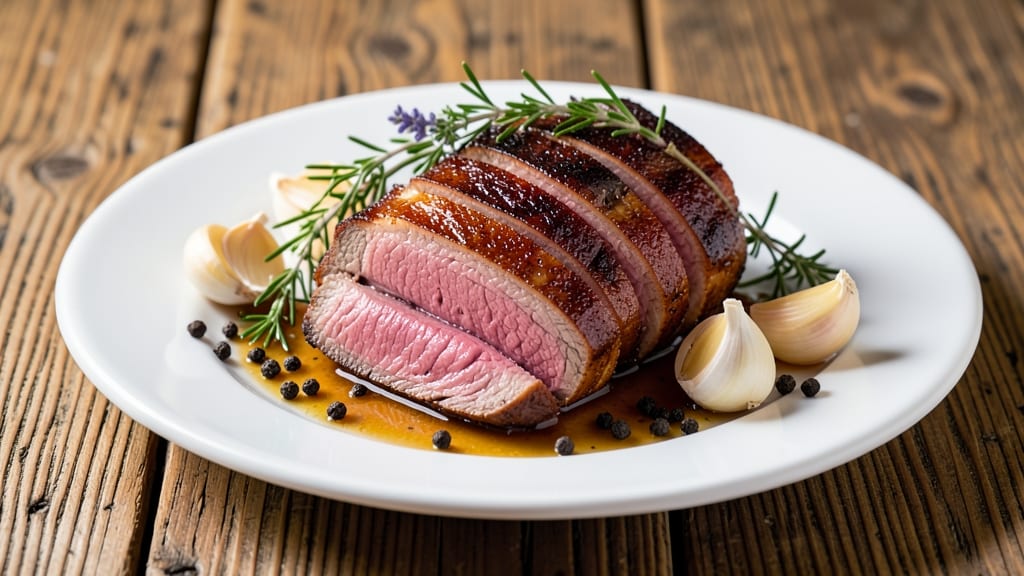
This All American roast beef recipe delivers the kind of showstopping centerpiece that turns any meal into a celebration. 🌟 The secret lies in a simple yet precise method—dry-brining the beef overnight and roasting it to a perfect medium-rare, then basting with its own rendered juices to create tender slices that practically melt in your mouth.
What sets this recipe apart is the au jus drizzle, a rich, savory sauce made from the beef's natural juices and a touch of red wine. This technique transforms ordinary roast beef into a restaurant-worthy dish without requiring fancy ingredients or complicated steps.
The result? Juicy, flavorful slices with a crust so tender it falls apart at the touch.
Pairing this roast with classic sides like creamy mashed potatoes and roasted root vegetables creates a complete meal that feels both comforting and impressive. The au jus elevates every bite, making even the simplest sides taste extraordinary.
This is the kind of recipe that impresses guests while keeping the process straightforward.
Ready in about 3 hours (including prep), this roast beef is perfect for holidays, Sunday dinners, or any occasion where you want to serve something special. The key is patience—letting the beef rest before slicing ensures every bite is perfectly juicy. Let's get started!
Ingredients for all american roast beef
The secret to showstopping roast beef lies in these 12 ingredients—simple but transformative.
| Ingredient | Amount | Notes |
|---|---|---|
| Top Round Roast Beef 🥩 | 4 lb | Center-cut, bone-in preferred |
| Kosher Salt 🧂 | 2 tbsp | Diamond Crystal preferred |
| Freshly Ground Black Pepper 🌶️ | 1 ½ tbsp | Coarse grind for texture |
| Garlic Cloves 🧄 | 8 cloves | Smashed, skin-on for flavor |
| Fresh Rosemary 🌿 | ½ cup | Needles only, finely chopped |
| Fresh Thyme 🌿 | ¼ cup | Leaves only, stems removed |
| Dry Red Wine 🍷 | 1 cup | Cabernet Sauvignon preferred |
| Beef Broth 🥫 | 1 cup | Homemade or high-quality store |
| Unsalted Butter 🧈 | ½ cup | Cold, cubed for basting |
| Yellow Onion 🧅 | 1 whole | Peeled, quartered for au jus |
| Carrots 🥕 | 2 whole | Peeled, chopped for au jus |
| Fresh Parsley 🌿 | ¼ cup | Chopped, for garnish |
The center-cut top round roast is non-negotiable—it stays juicy while developing that perfect crust. Costco or Whole Foods carry excellent pre-cut roasts, but if buying whole, ask the butcher for the center-cut portion. Look for rich marbling and vibrant color—anything grayish or overly lean will dry out. The Diamond Crystal kosher salt is key here; it dissolves better than table salt and enhances flavor without overpowering. I always double-check the roast weight before buying—4 lbs is ideal for 8 servings, but adjust if you're feeding more or fewer guests. Fresh herbs are a must: Trader Joe's sells pre-chopped rosemary and thyme, but I prefer buying whole sprigs and chopping them myself for maximum flavor.
No red wine? Dry sherry or extra beef broth works in a pinch, though the wine adds depth that's hard to replicate. For the au jus, homemade beef broth is worth the effort—Organic Valley or Pacific Foods brands are reliable if you're short on time. The butter should be cold and cubed when you baste; this creates a luxurious sauce as it melts into the juices. Swap the carrots for celery or mushrooms if you prefer, but keep the onion—it's the flavor backbone. If you're prepping ahead, chop the veggies for the au jus the night before and store them in the fridge; they'll be ready to go when you are. The parsley is purely decorative, but it adds that final touch of freshness that makes the dish feel complete.
This roast is all about patience and timing—the beef needs to rest for at least 30 minutes before slicing, or you'll lose all that precious juice. Store any leftovers in an airtight container with the au jus spooned over the top; it keeps for 4-5 days in the fridge and reheats beautifully. For longer storage, freeze the roast and au jus separately—the meat for up to 3 months and the sauce for 2 months. Pro tip: Portion the au jus into ice cube trays before freezing; thaw just what you need for reheating. The herbs can be chopped and stored in the fridge for 3-4 days, but they're best used fresh for maximum flavor.
Why You'll Love This Recipe
- I swear by this: just a quick rub of salt, pepper, and crushed garlic cloves, then rosemary sprigs tucked under the skin. No fancy marinades, no last-minute stress—just 15 minutes of hands-on time before the oven takes over.
- No-Fuss Prep: I swear by this: just a quick rub of salt, pepper, and crushed garlic cloves, then rosemary sprigs tucked under the skin. No fancy marinades, no last-minute stress—just 15 minutes of hands-on time before the oven takes over.
- Crispy-Creamy Magic: That top round beef? When seared just right, it develops a caramelized crust while staying tender inside. The rosemary infuses deep, earthy notes, and the garlic? Oh, it lingers in the best way—like a hug for your taste buds.
- Leftovers That Shine: Between us, this roast begs for seconds. Slice it thin for sandwiches the next day, or cube it into a hearty beef hash. Honestly, I’ve had it cold on salads and it still tastes like a Sunday dinner.
Step-by-step instructions for all American roast beef
Here's the method for restaurant-quality roast beef with a rich au jus—juicy, flavorful slices every time.
🔥 Step 1: Prep and Season the Roast for Maximum Flavor
Remove the top round roast beef from the refrigerator and let it sit at room temperature for 30 minutes—this ensures even cooking. Pat the roast dry with paper towels, then rub it generously with 2 tablespoons kosher salt and 1.5 tablespoons freshly ground black pepper all over, including inside the cavity if it has one. The salt will penetrate the meat and create that perfect crust.
In a small bowl, combine the 8 smashed garlic cloves, 0.5 cup finely chopped fresh rosemary, and 0.25 cup fresh thyme leaves. Press this aromatic mixture firmly into the surface of the roast, working it into the crevices. This herb-garlic paste will infuse the meat with incredible depth of flavor. Let the seasoned roast rest uncovered on a wire rack for 15 minutes before roasting—this final resting period helps the seasoning adhere and creates a better crust.
🔥 Step 2: Roast to Perfect Medium-Rare Doneness
Preheat your oven to 325°F—this lower temperature ensures even cooking without drying out the meat. Place the roast on a rack set inside a roasting pan, fat-side up if possible. Roast for 30 minutes per pound, which should give you about 2 hours for a 4 lb roast. Here's the thing—you want the internal temperature to reach 130°F for medium-rare perfection.
About 45 minutes into cooking, add 0.5 cup cold cubed unsalted butter to the roasting pan. This creates a delicious basting liquid that will contribute to your au jus later. Baste the roast every 30 minutes by spooning the melted butter over the top. For the last 15 minutes of cooking, increase the oven temperature to 425°F to create a beautiful crust on the outside while keeping the inside perfectly juicy.
🍳 Step 3: Create the Perfect Au Jus
While the roast rests, make the au jus by placing the roasting pan on the stovetop over medium-high heat. Add the 1 whole yellow onion and 2 whole carrots, chopped into ½-inch pieces, along with the 1 cup dry red wine and 1 cup beef broth from the pan. Scrape up all the browned bits from the bottom of the pan—they're packed with flavor.
Bring the mixture to a simmer and cook for 10-12 minutes until reduced by about half and slightly thickened. The au jus should coat the back of a spoon and have a rich, winey aroma. Strain the liquid through a fine-mesh sieve into a saucepan, pressing on the vegetables to extract all the flavor. Keep it warm over low heat until ready to serve.
⏰ Step 4: Rest and Slice for Juicy Perfection
Transfer the roast to a cutting board and let it rest for at least 20 minutes before slicing—this crucial step allows the juices to redistribute throughout the meat. The internal temperature will rise about 5°F during resting, so it should reach 135°F when done. If you cut into it too soon, all those precious juices will run out onto your cutting board instead of staying in the meat.
Slice the roast against the grain into ¼-inch thick slices. Arrange the slices on a warm platter and drizzle generously with the warm au jus. Garnish with 0.25 cup chopped fresh parsley for a pop of color and freshness. Serve immediately with crusty bread or your favorite sides—every slice should be tender, juicy, and bursting with herbaceous flavor.
Pro Tips For Making All American Roast Beef
- SEAR BEFORE ROASTING: I learned this the hard way—skipping the sear means a bland, pale crust instead of that rich, caramelized layer. Heat your Dutch oven or roasting pan until smoking hot, then sear the top round on all sides for 2-3 minutes per side before adding garlic and rosemary. The extra effort makes a real difference in flavor and texture.
- SALT THE MEAT TWICE: Don’t just season once. Generously salt the top round the night before (yes, even if you’re impatient like me), then give it another heavy coating right before searing. The first salting breaks down the fibers, and the second locks in moisture while building that crust. Trust the process—it’s non-negotiable for tender beef.
- USE WHOLE GARLIC CLOVES: I was skeptical until I tried it—peeling and mincing garlic cloves is a waste when roasting beef. Toss whole cloves in olive oil, crush them lightly with the flat side of your knife, and scatter them over the beef. They’ll soften perfectly during roasting, infusing flavor without turning to ash or burning.
- REST UNDER FOIL: Cutting into beef too soon is the fastest way to ruin it. After roasting, tent the top round with foil and let it rest for 15-20 minutes—this keeps the juices inside where they belong. I know, I know, but resist the urge to slice early. Your future self will thank you for the tender, juicy result.
Regional styles of this dish
Classic Texas Style
In Texas, roast beef takes on a bold, smoky character often enhanced with chopped jalapeños and a touch of smoked paprika in the seasoning. The Lone Star State loves their beef rare to medium-rare, so aim for an internal temp of 125-130°F.
I like adding 1-2 tablespoons of chopped jalapeños to the herb-garlic paste before pressing it into the roast. Serve with Texas toast—thick slices of sourdough bread lightly buttered and toasted—dipped in the au jus. 🌶️
New York Deli Tradition
New York's version focuses on thin, paper-thin slices and a slightly sweeter au jus. After roasting, slice the beef into ⅛-inch thick pieces against the grain using a sharp deli slicer. For the au jus, add 1 tablespoon of brown sugar when reducing the wine and broth.
Serve with mustard seeds on the side for guests to sprinkle on their plates—a classic deli touch. The key here is precision in slicing and balancing the sweetness in the sauce.
Midwest Homestyle
The Midwest prefers a heartier, more rustic approach with extra vegetables in the au jus. Add 1 cup of diced potatoes and ½ cup of pearl onions to the roasting pan along with the carrots and onions.
These starchy vegetables thicken the au jus naturally, creating a richer, more substantial sauce. Serve with creamy scalloped potatoes and buttered corn on the cob for a full Midwestern feast. This version is perfect for family gatherings where comfort is king.
Pacific Northwest Twist
Out West, they love to incorporate local ingredients like Portobello mushrooms and red wine reduction. For the au jus, substitute the red wine with ½ cup dry Riesling, a local favorite, and add 4 sliced Portobello mushrooms.
The earthy mushrooms add depth while keeping the dish light. Garnish with chopped fresh thyme, not parsley, to complement the wine's acidity. Serve with roasted asparagus, a staple in Pacific Northwest cuisine.
Southern Barbecue Fusion
In the South, roast beef often gets a smoky twist by finishing it on a grill or smoker. After roasting in the oven, transfer the beef to a grill or smoker set to 250°F for 15-20 minutes. This adds a subtle smokiness that pairs beautifully with the au jus.
Use hickory or applewood chips, not liquid smoke, for an authentic flavor. Serve with collard greens, a Southern staple, and cornbread*. This fusion brings together two iconic American traditions.
Nutrition facts
Frequently asked questions
Can I use a different cut of beef for this recipe?
The recipe is designed for top round roast because it stays juicy while developing a perfect crust. For similar results, try bottom round or sirloin tip roast—both have good marbling. Avoid lean cuts like eye of round or flank steak, as they dry out more easily. If using a different cut, adjust cooking time based on fat content.
How do I know when the roast is done?
Use a meat thermometer for accuracy! Insert it into the thickest part of the roast—it should read 130°F for medium-rare. The internal temperature will rise to 135°F while resting. For medium doneness, aim for 140°F. Never rely on time alone; every oven varies, and even roasts of the same size cook differently.
What if I don't have red wine for the au jus?
No problem! Substitute with 1 cup beef broth or dry sherry for a similar depth of flavor. For extra richness, add 1 tablespoon tomato paste to the pan when making the au jus. The wine adds acidity that balances the beef's richness, but these alternatives work in a pinch. Just reduce the liquid by half for a thicker sauce.
Can I make this roast ahead of time?
Cook the roast up to 2 days ahead and refrigerate it uncovered. Reheat in a 325°F oven for 20-30 minutes until warmed through. For the au jus, reduce it ahead of time and store it separately. Reheat gently on the stove, adding a splash of water or broth if it thickens too much. The flavors actually improve after resting!
Why does my roast beef turn out dry?
Dry roast beef usually happens from overcooking, skipping the rest, or using lean cuts. Always let the roast rest for 20-30 minutes before slicing—this redistributes juices. Cook to 130°F internal temp (medium-rare) for juiciness. For leaner cuts, baste frequently with butter or beef fat, and consider marinating overnight in a saltwater brine for extra moisture.