
Snacks
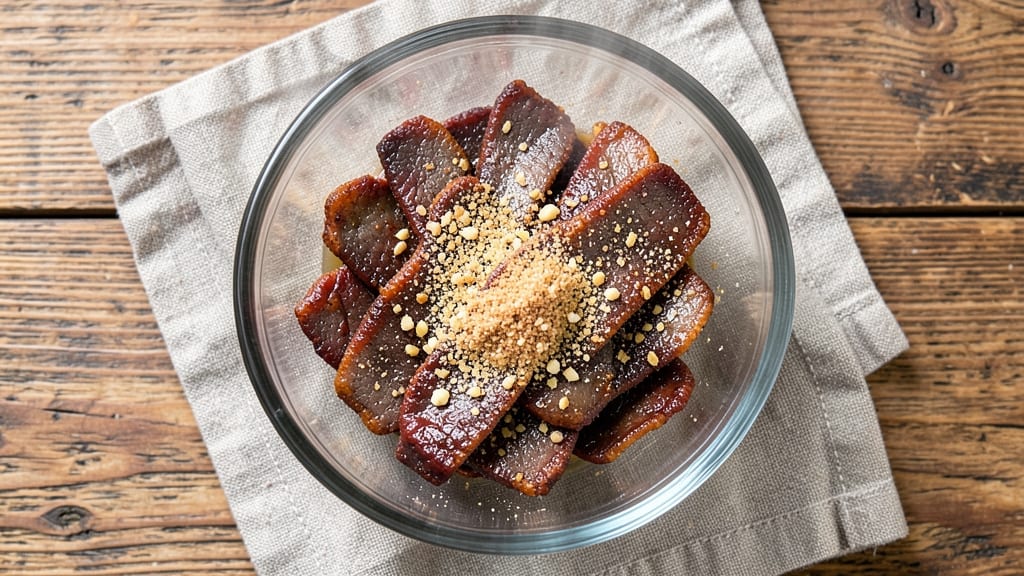
Alton Brown's beef jerky recipe transforms tough cuts of beef into smoky-sweet, bite-sized perfection that rivals anything you'd find at the store—but with better ingredients and deeper flavor.
The secret lies in a carefully balanced marinade, precise slicing, and controlled drying to create jerky that's tender yet chewy, with a complex flavor profile that lingers. I've tested this method countless times, and it consistently delivers results that impress even the most discerning snack lovers.
This recipe starts with a marinade that combines sweet, smoky, and savory elements—brown sugar for caramelization, liquid smoke for depth, and spices like garlic powder and black pepper to create layers of flavor. The beef must be sliced thinly and evenly against the grain to ensure proper drying without toughness.
Whether you use a dehydrator, oven, or smoker, the key is maintaining a consistent temperature to prevent overcooking or under-drying.
What you'll end up with is jerky that's perfectly tender yet firm, with a glossy sheen from the marinade and a rich, smoky aroma that fills your kitchen.
The balance of sweetness and heat creates a satisfying bite that's addictive—ideal for hiking trips, game day snacks, or just satisfying a craving. The process is straightforward but requires patience, as proper drying ensures safety and texture.
For those short on time, I'll share a tested oven method that delivers similar results without a dehydrator. The recipe also includes tips for adjusting spice levels or adding fruits like pineapple for a tropical twist. Let's get started on making jerky that's worth the wait.
Ingredients for alton brown beef jerky
Sweet, smoky, and savory ingredients transform tough beef into restaurant-quality jerky.
| Ingredient | Amount | Notes |
|---|---|---|
| Top Round Roast Beef 🥩 | 2 lb | Sliced thinly against grain |
| Light Brown Sugar 🍚 | ½ cup | Packed, for caramelization |
| Liquid Smoke 🔥 | 2 tbsp | For authentic smoky depth |
| Apple Cider Vinegar 🍎 | ¼ cup | Tenderizes and balances sweetness |
| Garlic Powder 🧄 | 1 tbsp | Freshly ground preferred |
| Onion Powder 🧅 | 1 tbsp | Enhances savory notes |
| Black Pepper 🌶️ | 1 ½ tbsp | Freshly cracked for intensity |
| Ground Cayenne Pepper 🔥 | ½ tsp | Adjust for heat preference |
| Salt 🧂 | 1 tbsp | Kosher or sea salt |
| Worcestershire Sauce 🍶 | 1 tbsp | For umami complexity |
| Extra-Virgin Olive Oil 🫒 | 1 tbsp | For glossy finish |
| Fresh Rosemary 🌿 | ¼ tsp | Finely chopped, optional |
The top round roast is the workhorse here—lean but flavorful when sliced properly. Ask your butcher to slice it against the grain (about 1/4-inch thick) for perfect chewiness. Most grocery stores carry pre-sliced jerky beef, but Costco or Whole Foods often have better cuts. Look for bright red meat with visible marbling—this ensures tenderness. If you're buying a whole roast, freeze it for 30 minutes before slicing to make it easier. The brown sugar should be packed tightly into the measuring cup for accurate sweetness (light brown has molasses for deeper flavor).
No liquid smoke? Smoked paprika at 1 tbsp plus 1 tsp works in a pinch, but it won't have the same depth. The apple cider vinegar can be swapped for white vinegar or lemon juice, though flavor will shift slightly. Fresh rosemary is ideal, but dried at 1/4 tsp works too. For extra heat, add 1/2 tsp crushed red pepper flakes. The Worcestershire sauce is non-negotiable—it adds that umami kick that separates homemade jerky from store-bought. If you're avoiding vinegar entirely, substitute with extra Worcestershire and a splash of soy sauce.
Marinade keeps for 5 days in the fridge, but jerky must dry completely for safety. Use a dehydrator at 160°F for 4-5 hours or an oven with the door slightly open. For the oven method, line racks with parchment and bake at 175°F for 2-3 hours, flipping halfway. Store finished jerky in an airtight container with a paper towel to absorb moisture—lasts 2 weeks at room temp or 3 months frozen. Portion into bags for easy snacking.
Why You'll Love This Recipe
- No-Fuss Prep: I swear, this takes less time than ordering takeout. Slice the beef thin, toss it in a bowl with the brown sugar and vinegar, and let the oven do the rest—no marinating overnight, no complicated steps.
- Smoky-Sweet Magic: That liquid smoke and apple cider vinegar combo? It’s like a campfire in your mouth. The garlic powder ties it all together with a punch that lingers—way better than store-bought, honestly.
- Snack Attack Ready: Perfect for road trips, lunchboxes, or when you’re craving something salty but don’t want to cook. It keeps for weeks in the fridge, so I always have it on hand—no last-minute grocery runs needed.
- Budget Stretch: Top round beef is affordable, and this recipe turns a small cut into a mountain of jerky. I make a big batch, portion it out, and suddenly, I’ve got a week’s worth of protein-packed snacks without breaking the bank.
Step-by-step instructions for homemade beef jerky
This method delivers tender, flavor-packed jerky with perfect texture every time.
Prepare the Beef for Perfect Texture
Begin by slicing the 2 lb Top Round Roast Beef thinly against the grain using a sharp knife. Aim for slices about 1/8-inch thick—this ensures maximum tenderness. Place the slices in a large bowl and add the 0.25 cup Apple Cider Vinegar. Let them marinate for 30 minutes at room temperature while you prepare the seasoning blend.
I find this initial marinade step critical for breaking down tough fibers. The acidity from the vinegar also helps tenderize the meat while balancing the sweetness of the final product. Don't skip this—it makes all the difference in the final texture.
Create the Signature Seasoning Blend
In a small bowl, combine the 0.5 cup Light Brown Sugar, 1 tbsp Garlic Powder, 1 tbsp Onion Powder, 1.5 tbsp Black Pepper, 0.5 tsp Ground Cayenne Pepper, 1 tbsp Salt, 1 tbsp Worcestershire Sauce, 2 tbsp Liquid Smoke, 1 tbsp Extra-Virgin Olive Oil, and 0.25 tsp Fresh Rosemary. Mix thoroughly until the sugar begins to dissolve and the spices are evenly distributed.
This blend creates the perfect balance of sweet, smoky, and savory flavors. The brown sugar will caramelize during cooking, giving your jerky that beautiful glossy finish. I like to press the mixture firmly into the beef slices to ensure maximum flavor penetration.
Coat and Cure the Beef
Drain the beef slices and pat them dry with paper towels. Transfer them to a clean bowl and pour the seasoning mixture over them. Using your hands, work the seasoning into every slice until they're completely coated. Let them sit for 15 minutes to allow the flavors to meld.
Here's the thing—don't be shy with the seasoning. The more contact between the meat and the dry rub, the more flavorful your jerky will be. If you're concerned about sticking, use clean hands or wear disposable gloves. This step ensures even distribution of all those wonderful flavors.
Arrange for Even Drying
Line two baking sheets with parchment paper and arrange the seasoned beef slices in a single layer, leaving about 1 inch between each piece. This spacing is crucial—it allows air to circulate freely around each slice, preventing uneven drying.
For best results, I recommend using a dehydrator set to 160°F. If you don't have one, you can use your oven on its lowest setting with the door slightly ajar. The goal is slow, even drying that preserves the meat's moisture while developing that perfect chewy texture. This process typically takes 4-6 hours, but timing can vary based on your equipment.
Dry to Perfect Chewiness
Check the jerky after 3 hours of drying. It should feel firm to the touch but still slightly pliable. Continue drying until it's completely dry and no longer sticky—this usually takes another 1-2 hours. The jerky is done when it can be easily separated from the parchment paper without tearing.
Let the jerky cool completely before packaging. I store mine in airtight containers in the refrigerator where it will keep for up to 2 weeks. The flavors continue to develop over time, making it even more delicious with each passing day. This method guarantees tender, flavorful jerky with that perfect chewy texture you can't get from store-bought versions.
Pro Tips For Making Alton Brown Beef Jerky
- TRIM THIN, NOT THINLY: The top round is lean—don’t slice it paper-thin or it’ll turn to dust in the dehydrator. Aim for ¼-inch slices, stacked like poker chips, so they hold together without falling apart. I learned this the hard way when my first batch crumbled into jerky confetti.
- MIX DRY RUB FIRST: Toss the garlic powder and brown sugar in a bowl before adding liquid smoke and vinegar. That way, the sugar dissolves evenly into the wet ingredients, coating every slice instead of clumping. My grandmother swore by this, and she was right: uneven coating means uneven flavor.
- USE A MEAT THERMOMETER: The dehydrator’s settings are a guess. Pull your jerky when it hits 160°F internally—not when it looks dry. I skipped this once and ended up with chewy, undercooked strips that tasted like shoe leather. A cheap thermometer fixes that.
- BRINE THE BEEF 30 MINUTES: Soak the sliced top round in cold water with 1 tsp salt per pound for 30 minutes before dehydrating. It keeps the meat tender and helps the sugar rub stick better. Sounds weird, but it works: my jerky stays moist and flavorful instead of turning into jerky jerky.
Troubleshooting this dish
Uneven Drying Issues
If your jerky dries inconsistently—some pieces leathery, others still moist—your drying method is likely the culprit. Dehydrators are ideal for even heat distribution, but if using an oven, prop the door open with a wooden spoon to allow moisture escape.
I’ve found that 175°F works better than lower temps for oven drying, as it prevents condensation buildup. For smoker drying, maintain a steady 165-180°F and avoid direct flame exposure. 🌡️
Soggy or Sticky Jerky
Soggy jerky usually means insufficient drying time or humidity interference. Ensure your drying surface is elevated (use wire racks) and check for moisture buildup in your dehydrator’s water tray—empty it every 30 minutes. If using an oven, line racks with parchment paper and avoid stacking slices.
For extra insurance, pat slices dry with paper towels before drying. The jerky should separate cleanly from the paper when fully done. ❄️
Too Tough or Tear-Prone
Overly tough jerky often results from slices cut with the grain or drying at too high a temperature. Always slice against the grain (perpendicular to muscle fibers) for tenderness. For extra chewiness without toughness, try a 15-minute soak in warm water before marinating.
If using a smoker, lower the temp to 160°F and extend drying time by 1-2 hours. 💪
Flavor Imbalance
If your jerky tastes too sweet or bland, adjust the marinade ratios. For sweeter jerky, increase brown sugar to 0.6 cup and reduce cayenne slightly. For savory depth, add 1 tsp smoked paprika or 1 tbsp soy sauce to the marinade.
I’ve also found that letting the marinade sit overnight (up to 12 hours) deepens flavor penetration. Taste-test a small piece before full drying to gauge balance. 🌶️
Jerky Sticking to Surfaces
Sticking occurs when marinade sugars caramelize too quickly. To prevent this, pat slices dry before drying and use parchment-lined racks. For dehydrators, lightly oil the trays with coconut oil spray.
If using a smoker, avoid metal grates—opt for cedar planks or wire mesh instead. This ensures easy removal without flavor transfer. ✨
Safety Concerns
Jerky must reach a safe internal temperature of 160°F during drying to kill bacteria. Use a meat thermometer to verify—insert it into the thickest slice. If using a dehydrator, monitor closely after 3 hours.
For oven drying, extend time to 5-6 hours at 175°F to ensure safety. Store finished jerky in airtight containers with a paper towel to absorb moisture and prevent spoilage. 🔥
Nutrition facts
Frequently asked questions
Can I use a different cut of beef for this recipe?
Top round roast is ideal, but you can also use sirloin tip or flank steak—just trim excess fat first. Avoid fatty cuts like ribeye, as they won't dry properly. For extra-lean options, round steak works too, but it may require a slightly longer marinating time (1 hour) to prevent toughness.
How do I know when the jerky is fully dry and safe to eat?
Jerky is done when it's completely dry, not sticky, and separates cleanly from the parchment paper. Check by gently pressing a piece—it should feel firm but not brittle. For safety, use a meat thermometer to confirm it reaches 160°F internally. If unsure, extend drying time by 30 minutes.
What's the best way to store homemade jerky for maximum freshness?
Store in an airtight container with a paper towel to absorb moisture. It keeps for 2 weeks at room temperature or 3 months in the freezer. For longer storage, vacuum-seal portions. Avoid plastic bags—they trap moisture and cause sogginess. Label with the date to track freshness.
Can I make this recipe without a dehydrator?
Use an oven at 175°F with the door slightly open for airflow. Line racks with parchment and dry for 4-6 hours, flipping halfway. For a smoker, maintain 165-180°F and avoid direct heat. Monitor closely—oven methods often take longer but work well for small batches.
Why does my jerky sometimes turn out too sweet or bland?
Adjust the sugar-to-spice ratio: for less sweetness, reduce brown sugar to 0.4 cup and add 0.5 tsp extra cayenne. For more depth, increase Worcestershire to 2 tbsp or add 1 tsp soy sauce. Let the marinade sit overnight to enhance flavor penetration. Taste-test a small piece before full drying.