
Main Courses
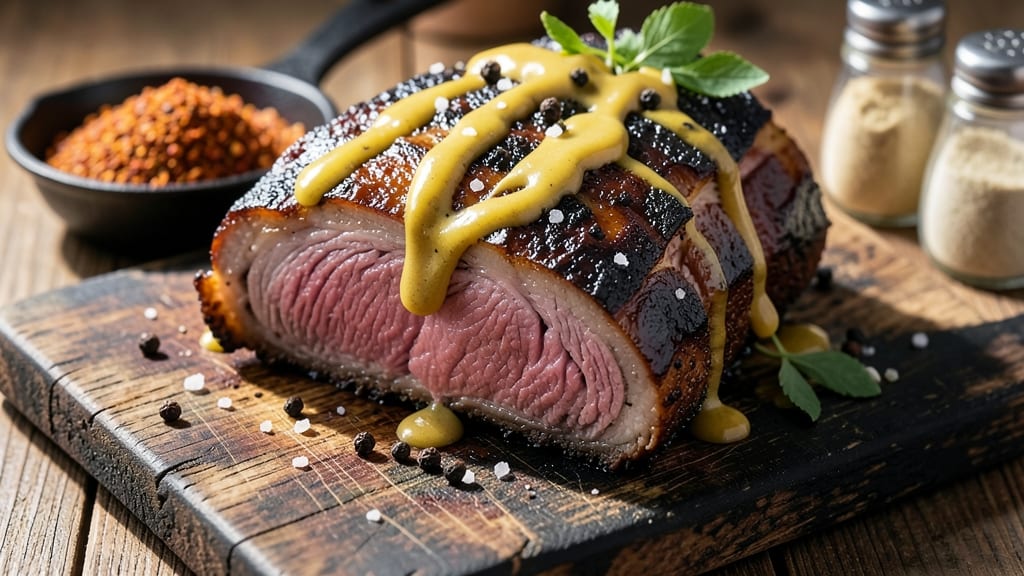
This American beef brisket recipe delivers restaurant-quality results with a perfect balance of smoky bark and melt-in-your-mouth tenderness. 🔥 The secret lies in a precise dry rub and slow cooking process that transforms tough beef into succulent perfection.
Whether you're aiming for Texas-style smoked brisket or Kansas City's sweeter approach, this method ensures consistent results every time.
The process begins with a flavorful dry rub that creates that coveted bark while keeping the meat tender inside. We'll cook it low and slow until the internal temperature reaches 203°F, where the collagen breaks down into rich, buttery fat.
This is where the magic happens—patient cooking transforms tough brisket into fall-apart texture that's worth every minute.
By the time you slice against the grain, you'll have perfectly tender beef with a dark, flavorful crust that's impossible to resist. The aroma alone will have everyone gathering around your table, and each bite delivers that perfect combination of smoky, savory, and slightly sweet flavors that define great brisket.
Serve with classic sides like tangy coleslaw or buttery cornbread to complete the meal. This recipe delivers the full brisket experience—from prep to plating—with professional results you can achieve at home. Let's get started on creating your masterpiece!
Ingredients for american beef brisket
Six ingredients transform tough beef into fall-apart tenderness with smoky bark perfection.
| Ingredient | Amount | Notes |
|---|---|---|
| Beef Brisket 🥩 | 5 lb | Flat cut, 1-inch thick |
| Yellow Mustard 🍯 | ¼ cup | For binder application |
| Coarse Kosher Salt 🧂 | ½ cup | Diamond Crystal preferred |
| Black Peppercorns 🌶️ | 2 tbsp | Freshly cracked |
| Smoked Paprika 🌶️ | 2 tbsp | For deep smoky flavor |
| Garlic Powder 🧄 | 2 tbsp | Freshly ground preferred |
| Onion Powder 🧅 | 2 tbsp | For sweet depth |
| Ground Cumin 🌿 | 1 tbsp | Toasted for warmth |
| Brown Sugar 🍚 | 2 tbsp | Light or dark variety |
| Wood Chips 🌳 | 2 cups | Hickory or oak preferred |
| Water 💧 | 1 cup | For soaking wood chips |
| Apple Cider Vinegar 🍎 | 1 tbsp | For tenderizing |
| Beef Tallow or Oil 🫒 | ¼ cup | For fat injection |
The brisket is non-negotiable here—flat cut, 5 lbs is ideal for a crowd. Costco or Whole Foods carry excellent quality, but check for good marbling. If you're buying whole, trim excess fat but leave a thin layer for flavor. The apple cider vinegar is worth the effort—it tenderizes the meat while adding subtle sweetness. For wood chips, Traeger brand or Butcher's Broom are reliable choices, but any quality hickory/oak works. Soak them in water for 30 minutes before using to prevent flare-ups.
No yellow mustard? Dijon mustard or olive oil works as a binder, though texture won't be identical. Substitute brown sugar with maple syrup at half the amount for a different depth. The tallow/oil injection is optional but recommended—Kirkland brand beef tallow is my go-to, but any neutral fat works. For a sweeter profile, add 1 tbsp of molasses to the rub. If you're short on time, pre-mixed brisket rubs from Trader Joe's are decent (but this homemade version tastes 10x better).
Brisket keeps beautifully—3-4 days in the fridge, 2 months frozen. Wrap tightly in butcher paper, then foil, to preserve moisture. For serving, slice against the grain using a sharp knife. Leftovers reheat best in the oven at 300°F until warmed through. Store wood chips in a dry place for up to 6 months. The rub? Makes extra—stores in an airtight container for 3 months.
Why You'll Love This Recipe
- Foolproof Seasoning: Between us, that smoked paprika and cracked black pepper? They do all the work. No fancy rubs—just a quick coat, a sprinkle, and the oven or smoker transforms it into something seriously tender. I swear, my lazy Sundays now include this.
- Smoky-Sweet Magic: The yellow mustard isn’t just for flavor—it’s the secret weapon. It cuts through the richness while the brisket renders down into melt-in-your-mouth perfection. Honestly, the first time I tasted it, I nearly canceled my plans to eat it straight from the pan.
- Leftovers That Win: This brisket? It’s the ultimate meal prep star. Shred it once, and you’ve got sandwiches, tacos, or a hearty hash for days. My freezer’s always stocked because reheating it is that easy—no dry, sad meat here.
- Budget Hero: A pound of brisket feeds my whole family, and the rest of the ingredients cost pennies. No need to break the bank for a showstopper—this is the kind of recipe that makes me feel like I’m feeding a crowd without stressing my wallet. (Yes, even on a Tuesday night.)
Step-by-step instructions for smoky brisket with perfect tenderness
Here's how to transform a tough cut into melt-in-your-mouth brisket with a crackling bark.
👨🍳 Step 1: Prep the Brisket for Maximum Flavor
Start by placing the 5 lb beef brisket on a cutting board, fat side up. Use a sharp boning knife to trim the fat cap down to about ¼-inch thickness—this ensures even cooking while keeping the meat moist. I like to make a couple of diagonal cuts about ½-inch deep across the fat cap before trimming. This creates pockets for the seasoning to penetrate deeper.
In a small bowl, whisk together the 0.5 cup coarse kosher salt, 2 tbsp black peppercorns (freshly cracked), 2 tbsp smoked paprika, 2 tbsp garlic powder, 2 tbsp onion powder, 1 tbsp ground cumin, and 2 tbsp brown sugar. Rub this mixture all over the brisket, pressing firmly so the spices stick. Then brush the entire surface with the 0.25 cup yellow mustard—this acts as a binder and helps the rub cling. Let it sit at room temperature for 1 hour while you prepare your smoker.
🔥 Step 2: Prep the Smoker and Inject for Extra Tenderness
Soak the 2 cups wood chips in the 1 cup water for at least 30 minutes before using. Meanwhile, preheat your smoker to 225°F—I prefer a pellet smoker for consistent temperatures, but a charcoal setup works too. Add the soaked wood chips once the smoker reaches temperature and you see clean, blue smoke (not thick white vapor).
For the injection, mix 0.25 cup beef tallow or oil with 1 tbsp apple cider vinegar in a small bowl. Using a meat injector, pierce the brisket in several places and inject the mixture. The fat helps keep the meat moist, while the vinegar tenderizes the fibers. Place the brisket fat-side up on the smoker grates and close the lid. Here's the thing—don't peek for at least 1 hour. Every time you open it, you lose heat and add 15-20 minutes to your cook time.
⏰ Step 3: Smoke Low and Slow Until Probe-Tender
Smoke the brisket undisturbed for 6-8 hours until the internal temperature reaches 165-170°F. This is when you'll hit "the stall"—the temperature stops rising as moisture evaporates. Don't panic; this is completely normal. The bark should be dark mahogany and crispy enough to resist when you press it gently with tongs.
When the internal temperature hits 165-170°F, it's time to wrap. I use pink butcher paper (not foil)—it breathes better and preserves that precious bark. Wrap the brisket tightly, return it to the smoker, and continue cooking until the internal temperature reaches 200-205°F and a probe slides in like butter. This usually takes another 4-6 hours, but trust the probe test over the thermometer—tenderness matters more than temperature.
🍽️ Step 4: Rest and Slice for Maximum Juiciness
Once probe-tender, remove the brisket from the smoker and transfer it to a cutting board. Unwrap it and let it rest for at least 1 hour (I prefer 2 hours wrapped in towels in a cooler). This resting period allows the juices to redistribute throughout the meat, ensuring every slice is moist and flavorful. The brisket should be steaming slightly when you remove it from the cooler—that's your sign it's ready.
Locate the grain direction—you'll see lines running through the meat. Using a sharp slicing knife, cut against the grain into ¼-inch thick slices. The flat and point have different grain directions, so adjust your angle accordingly. Serve immediately while still warm. Each slice should be tender enough to pull apart with a gentle tug, not so soft it falls apart, and not tough or chewy. The bark should be crispy on the outside with a beautiful pink smoke ring just beneath.
Pro Tips For Making American Beef Brisket
- Trim the Fat First: That thick layer of fat on brisket isn’t just for show—it renders down into flavor gold. Use a sharp knife to trim it to about ¼-inch thick before seasoning, or you’ll end up with grease splattering everywhere and uneven cooking. (Yes, even if your butcher says it’s "perfect" as-is.)
- Don’t Rush the Mustard: Yellow mustard isn’t just a glaze—it’s the glue that helps the crust stick. Brush it on thick (about 1 tablespoon per side) after the first hour of searing, not before. If you apply it too early, it’ll burn before the meat gets tender.
- Watch the Heat Zones: Start your brisket over direct heat until it’s dark brown all over, then move it to indirect heat at 275°F (135°C). I learned this the hard way—skipping the high-heat sear first means the smoked paprika and salt just sit there, not caramelizing into that deep, savory crust.
- Rest It Like Your Life Depends On It: That 5-minute rest after pulling it from the heat? Double it to 15 minutes, covered with foil. I used to cut into it too soon, and the juices would pool out like a sad, greasy puddle. Let the meat relax—it’s the only way to keep every slice moist.
Make-ahead tips for this dish
Prep Ahead Strategy
The dry rub can be mixed and stored in an airtight container for up to 3 months—perfect for when you're ready to cook. I like to prep mine the night before and let it sit overnight so the flavors meld together.
This saves time and ensures your brisket gets maximum flavor penetration. 🌶️
Wood Chip Prep
Soak your 2 cups wood chips in 1 cup water the night before and store them in a sealed container in the fridge. This keeps them ready to go when you fire up the smoker.
I even label the container with the date to track freshness—wood chips stay good for up to 6 months if stored properly.
Brisket Prep Timeline
Trim and season your brisket up to 24 hours ahead and refrigerate uncovered on a wire rack. This allows the rub to form a crust while keeping the meat dry for better bark development.
When ready to smoke, bring it to room temperature for 1 hour before cooking. This step is key for even cooking.
Smoker Prep Shortcut
If you're using a pellet smoker, pre-set it to 225°F and load the wood pellets the night before. This gives you a head start on reaching the perfect smoking temperature.
For charcoal smokers, I like to arrange coals in a crisscross pattern and let them burn down to ember stage before adding the brisket—this ensures steady heat.
Make-Ahead Cooking
Brisket actually tastes better the next day! Cook it completely through to 203°F internal temperature, then let it rest for 2 hours before wrapping tightly in butcher paper and refrigerating.
Reheat in a 300°F oven for 1-2 hours until warmed through. The flavors deepen overnight, making leftovers even more delicious.
Serving Prep
Slice your brisket against the grain and arrange on a platter. Keep it warm in a 200°F oven while you prepare sides like coleslaw or cornbread. I like to drizzle with au jus (the pan juices from cooking) and garnish with fresh parsley for a restaurant-worthy presentation. 🍽️
Nutrition facts
Frequently asked questions
What's the difference between Texas-style and Kansas City brisket?
Texas-style brisket is cooked all-mustard dry rub with no sugar, creating a crispy bark and leaner flavor profile. Kansas City style includes brown sugar in the rub for a sweeter, slightly sticky bark. Texas focuses on the point cut while KC often uses the whole packer cut. Both cook to 203°F but Texas prefers more fat trim.
How do I know when brisket is done without a meat thermometer?
Look for a dark mahogany bark that's crispy when pressed with tongs, and the meat should pull apart easily with two forks. The smoke ring should be about ¼-inch thick beneath the surface. If it feels tender but still firm, it needs 1-2 more hours wrapped in butcher paper.
Can I cook brisket in the oven instead of a smoker?
Yes! Preheat oven to 225°F with a water pan on the bottom rack for moisture. Place brisket on a rack over a tray, cover loosely with foil, and cook until 165°F (about 6 hours). Wrap in foil and cook another 3-4 hours to 203°F. Add wood chips to the foil for smoky flavor if you have them.
Why did my brisket turn out dry?
Overcooking or cutting too early are the most common causes. Always cook to 203°F and rest for 2 hours before slicing. If you wrapped too early (before 165°F), moisture steamed out. For next time, use butcher paper instead of foil—it breathes better and preserves juices. The apple cider vinegar injection also helps retain moisture.
What's the best way to reheat leftover brisket?
Slice the brisket and reheat in a 300°F oven on a wire rack over a tray for 1-2 hours until warmed through. For quick reheating, use a skillet with 1 tbsp beef broth per slice, covering with a lid for 3-5 minutes on medium-low heat. Never microwave—it turns the meat rubbery!