
Main Courses
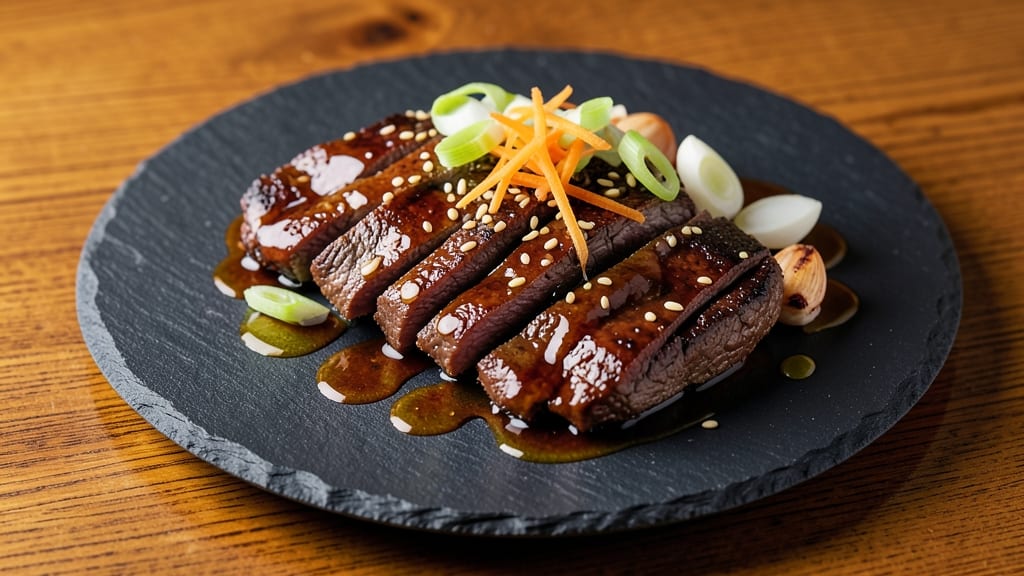
This Andy Cooks Mongolian Beef recipe delivers restaurant-quality sweet-spicy flavors in just 20 minutes—no takeout required. The secret lies in a perfectly balanced soy-ginger sauce that caramelizes while searing thinly sliced beef, creating tender, flavorful bites with a glossy glaze.
I’ve refined this technique over years of testing, ensuring the sauce stays sticky yet not overly sweet, with just the right kick of heat.
What sets this recipe apart is the two-step cooking process: first marinating the beef in a simple soy-ginger mixture, then stir-frying it in a hot wok or skillet until caramelized. The sauce reduces quickly, coating each piece of beef in a glossy, aromatic layer that clings perfectly.
This method transforms tough cuts into melt-in-your-mouth tenderness while keeping the prep simple—no complicated techniques, just precision timing.
The result is a dish that’s bold, balanced, and deeply satisfying, with a sauce that’s sweet, tangy, and just spicy enough to linger. Serve it over steamed rice or noodles, and garnish with sliced green onions for freshness.
The aroma alone will have everyone at the table asking for seconds. Ready to make this your new weeknight staple?
This recipe is designed for foolproof execution, even for home cooks. The sauce ingredients are pantry staples, and the beef cooks in minutes—no waiting hours for marinating or slow simmering.
Whether you’re feeding a crowd or meal prepping for the week, this Mongolian beef delivers restaurant-quality results with minimal effort. Let’s get cooking!
Ingredients for andy cooks mongolian beef
Restaurant-quality Mongolian beef relies on these precise ingredients for bold, balanced flavors.
| Ingredient | Amount | Notes |
|---|---|---|
| Flank Steak 🥩 | 1 ½ lb | Thinly sliced against grain |
| Soy Sauce 🍶 | ½ cup | High-quality, low-sodium preferred |
| Brown Sugar 🍚 | ¼ cup | Packed, light or dark |
| Fresh Ginger 🌿 | 2 tbsp | Finely grated, peeled |
| Garlic Cloves 🧄 | 6 cloves | Minced, fresh preferred |
| Sesame Oil 🫒 | 1 tbsp | Toasted sesame oil |
| Rice Vinegar 🍶 | 2 tbsp | White or seasoned |
| Red Pepper Flakes 🌶️ | 1 tsp | Adjust for heat preference |
| Cornstarch 🌾 | 1 tbsp | For sauce thickening |
| Vegetable Oil 🫒 | 2 tbsp | High smoke point |
| Green Onions 🧅 | 3 whole | Sliced, for garnish |
| Sesame Seeds 🌱 | 1 tbsp | Toasted, for garnish |
| Salt 🧂 | 1 tsp | Kosher or sea salt |
| Black Pepper 🌶️ | ½ tsp | Freshly ground |
The flank steak is non-negotiable—its lean texture slices beautifully when cut against the grain. Butcher shops or high-quality grocery stores carry it pre-sliced for convenience, but if you're slicing yourself, use a sharp knife and freeze the meat 30 minutes first for cleaner cuts. For the soy sauce, Kikkoman or Lee Kum Kee are the gold standards, but any high-quality brand will work. Ginger and garlic should be fresh—dried won't deliver that bright, aromatic punch. The brown sugar adds depth, so don't substitute with white; the molasses notes are essential for that restaurant-quality caramelization. Toast your sesame oil in the pan for 10 seconds before adding other ingredients—this deepens its nutty flavor without overpowering.
No toasted sesame oil? Regular sesame oil plus a pinch of ground sesame seeds works in a pinch, though the flavor won't be identical. Short on brown sugar? Maple syrup or agave at half the amount mimics the sweetness, though the texture will differ slightly. The cornstarch is crucial for that signature sticky glaze—don't skip it or use flour, which can make the sauce grainy. For heat, red pepper flakes are ideal, but Sichuan peppercorns or a dash of chili crisp add complexity if you're feeling adventurous. The rice vinegar balances the sweetness, so if you're using seasoned vinegar, reduce the salt slightly. And remember: the sauce should coat the back of a spoon but still be pourable—over-reducing turns it into syrup.
Prep the beef and sauce ingredients separately to streamline cooking. The sliced steak can marinate for up to 30 minutes in the fridge, but no longer—longer marinating can make it mushy. Store the sauce components separately until ready to combine; they'll keep in the pantry for up to 6 months except the ginger (use within 2 weeks of grating). Once cooked, this dish reheats beautifully—just add a splash of water or broth to the sauce and warm through. Portion leftovers into airtight containers for 4-5 days of meal-prep-friendly lunches. The garnishes (green onions and sesame seeds) can be stored in the fridge for 1 week or frozen for 3 months if prepped ahead.
Why You'll Love This Recipe
- No-Marinate Needed: I swear by this—just slice the flank steak thin against the grain, toss it in soy sauce and brown sugar, and let it sit for 10 minutes while I chop garlic. No fancy marinating, no waiting hours. The ginger and garlic work their magic fast, giving you that signature depth without the fuss.
- Sweet-Savory Magic: That caramelized brown sugar glaze? It’s what turns this into something special. The soy sauce adds umami, the ginger brings warmth, and the garlic? Oh, it’s there—crisp at the edges, tender inside. Honestly, it’s the kind of balance that makes you want to eat it straight from the pan.
- Leftover Reinvention: Make a double batch and keep it for days. Toss the cooled beef into rice for a quick stir-fry, wrap it in tortillas with pickled veggies, or even throw it in a salad for protein punch. My kids beg for it cold in rice bowls—yes, even on a Tuesday night.
- Budget Powerhouse: Flank steak is affordable, and a pound feeds four easily. Brown sugar and ginger are pantry staples, and garlic? You’re probably already growing it. I’ve made this for under $10 total, and it still feels like a restaurant-worthy meal. That’s the kind of smart cooking I love.
Step-by-step instructions for andy cooks Mongolian beef
Master this quick stir-fry with precise timing and technique for perfect tenderness and sauce balance.
Prepare the Flank Steak for Optimal Texture
Slice the 1.5 lb flank steak thinly against the grain using a sharp knife. I prefer ¼-inch thick slices for even cooking. Arrange the slices on a plate and season immediately with 1 tsp salt and 0.5 tsp black pepper, pressing gently to adhere. Let them sit for 10 minutes at room temperature while you prep the sauce.
The grain direction matters here—cutting against it shortens the muscle fibers, ensuring each bite is tender. If the slices feel too thick, slice them once more for consistency. This preparation prevents chewy results and ensures the beef cooks through completely in the brief stir-fry time.
Build the Sweet-Spicy Soy-Ginger Sauce
In a small bowl, whisk together the 0.5 cup soy sauce, 0.25 cup packed brown sugar, 2 tbsp finely grated fresh ginger, 6 minced garlic cloves, 1 tbsp sesame oil, 2 tbsp rice vinegar, and 1 tsp red pepper flakes. Set aside. This sauce is the heart of the dish—balance is key, so taste as you go and adjust sweetness or heat to preference.
For the thickening agent, mix 1 tbsp cornstarch with 2 tablespoons water in a separate small bowl. This slurry will give the sauce its signature glossy finish. The cornstarch needs to be fully dissolved before adding to prevent clumping in the hot pan.
Stir-Fry the Beef to Perfect Doneness
Heat 2 tbsp vegetable oil in a large skillet or wok over high heat until shimmering. Add the seasoned beef slices in a single layer, stirring gently for 1-2 minutes until they begin to brown. Avoid overcrowding the pan—this ensures proper searing and prevents steaming.
Once the beef is 80% cooked (it should still have a slight pink center), remove it to a plate and set aside. Here's the thing—you want the beef to finish cooking in the sauce, not in the pan. The residual heat will carry it through while the sauce thickens.
Combine Beef and Sauce for Maximum Flavor
Return the skillet to high heat and pour in the soy-ginger sauce. Stir vigorously for 1-2 minutes until the sauce begins to bubble and thicken. Then add the cornstarch slurry, stirring constantly for 30-60 seconds until the sauce reaches a glossy, syrupy consistency that coats the back of a spoon.
Add the beef back to the pan and toss everything together for 1-2 minutes until fully coated and heated through. The sauce should cling beautifully to each slice, creating that signature Mongolian beef sheen. If the sauce is too thick, add 1 tablespoon water to loosen it.
Finish and Serve with Authentic Garnishes
Remove from heat and let the dish rest for 2 minutes to allow the sauce to fully set. Garnish with 3 sliced green onions and 1 tbsp toasted sesame seeds just before serving. These final touches add freshness and texture contrast that elevate the dish.
Serve immediately over steamed rice for the perfect balance of sweet, spicy, and savory flavors. The beef should be tender with just a slight chew, perfectly coated in that glossy, aromatic sauce. This method delivers restaurant-quality results in under 20 minutes—no shortcuts needed.
Pro Tips For Making Andy Cooks Mongolian Beef
- Slice Against the Grain: Flank steak’s fibers run long—cut it perpendicular to those lines for tender bites. I used to ignore this and ended up with chewy mouthfuls. A sharp knife and a steady hand make all the difference.
- Toast the Ginger First: Peel and lightly fry the ginger slices in oil for 30 seconds before adding garlic. This deepens the flavor and prevents it from turning bitter. Yes, it’s an extra step, but your sauce will taste richer.
- Don’t Overcrowd the Pan: Cook the beef in two batches if needed—piling it all in at once steams the meat instead of searing. I learned this the hard way when my first batch came out soggy. High heat and space = better crust.
- Use Dark Soy Sauce: If your recipe calls for regular soy, swap in half dark soy sauce for color and depth. It caramelizes faster and gives that glossy, restaurant-style sheen. Trust me, it’s worth the extra dollar.
Serving suggestions for this recipe
Rice Pairing Essentials
Steamed jasmine rice is my go-to base for Mongolian beef—its delicate floral notes complement the sauce's bold sweetness without overpowering it. For extra texture, try short-grain sushi rice cooked with a touch of sugar (just ½ tsp per cup) for a subtle stickiness.
I recommend cooking 1.5 cups uncooked rice for 4 servings to ensure each bite has enough sauce. 🍚
Vegetable Sides
Quick-pickled cucumbers add a refreshing crunch that cuts through the richness. Toss 1 cup thinly sliced cucumbers with 2 tbsp rice vinegar, 1 tsp sugar, and a pinch of salt for 15 minutes.
Steamed bok choy or broccoli with a sprinkle of sesame seeds also pairs beautifully, adding color and nutrients to the plate.
Dipping Sauces
For extra dipping fun, serve a small bowl of sriracha mayo (mix 2 tbsp mayo with 1 tsp sriracha) or a simple soy-ginger dip (whisk 2 tbsp soy sauce, 1 tsp honey, and ½ tsp grated ginger).
These let guests adjust spice levels to their taste while keeping the meal interactive. ✨
Bread Companions
Warm steamed bao buns or mantou soak up excess sauce beautifully. For a lighter option, serve with garlic naan or butter toast—the buttery richness contrasts perfectly with the savory-spicy beef. I love keeping a small basket of buns on the table for easy grabbing during the meal.
Garnish Upgrades
Fresh cilantro or Thai basil adds a bright herbal note when sprinkled on top. For a smoky touch, finish with ½ tsp smoked paprika or a few drops of chili oil. These garnishes elevate the dish without altering the core flavors, making every bite feel special.
Meal Prep Serving
When prepping for leftovers, store the beef and sauce separately in airtight containers. Reheat the sauce first over medium heat until bubbly, then add the beef to warm through.
Serve with microwaved rice or pre-cooked noodles for a quick, satisfying meal. The flavors actually deepen overnight, making it perfect for lunchboxes too! 💪
Nutrition facts
Frequently asked questions
Can I use a different cut of beef instead of flank steak?
Flank steak is ideal for its lean texture and grain direction, but sirloin or ribeye work in a pinch. Just slice against the grain and ensure the pieces are ¼-inch thick for even cooking. Tougher cuts like chuck may require longer marinating (1 hour) to tenderize properly.
How do I adjust the spice level for kids or sensitive palates?
Reduce the red pepper flakes to ½ tsp or omit entirely. For extra mildness, add 1 tbsp honey to the sauce to balance any residual heat. Kids often love the sweet-savory flavors, so focus on the soy-ginger base first and let them add spice if desired.
Why is my sauce too thin or too thick?
Sauce consistency depends on timing: stir constantly for 30-60 seconds after adding cornstarch. For thicker sauce, simmer 30 seconds longer*; for thinner, add 1 tbsp water while stirring. The sauce should coat the back of a spoon but still be pourable—like honey.
Can I make this recipe in a slow cooker?
Not recommended! The dish relies on quick searing for flavor. However, you can par-cook the beef in a skillet first, then transfer everything to a slow cooker on low for 1 hour with ½ cup water. The sauce will be thinner but still delicious—great for meal prep!
What's the best way to reheat leftovers?
Reheat sauce first in a skillet over medium heat until bubbly, then add beef to warm through (2-3 minutes). Never microwave—it makes the sauce watery. For crispy texture, sear the beef briefly in a hot pan after reheating.