
Main Courses
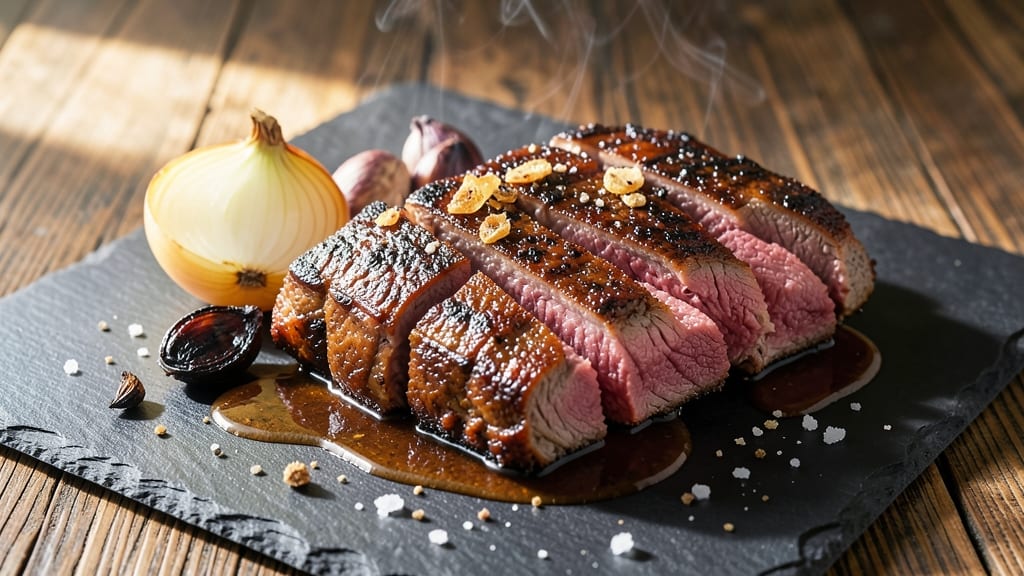
This Angus beef brisket recipe transforms a tough cut into melt-in-your-mouth perfection with just your oven and patience—no smoker required. The secret lies in slow-roasting at low temperatures, breaking down collagen for that signature buttery tenderness. After years of testing, I’ve perfected a method that delivers restaurant-quality results without the fuss of traditional smoking.
The process starts with a simple yet powerful dry rub—just salt, pepper, and a touch of garlic powder—to let the beef’s natural richness shine. Then, it’s all about time and temperature: a gentle 275°F oven for hours until the internal temp hits 203°F, where collagen dissolves into flavorful juices.
This isn’t just a recipe; it’s a lesson in patience that rewards you with meat so tender it practically falls apart at the touch.
What you’ll end up with is a brisket that’s rich, juicy, and packed with deep, smoky-sweet flavors—no charred bark needed. The crust forms naturally from the slow cook, and the fat cap renders into golden, crisp edges.
Serve it sliced thin against crusty bread or piled high on a dinner roll, and you’ll have a centerpiece worthy of any holiday table.
Here’s the best part: this method works for any brisket, whether you’re feeding a crowd or treating yourself to a luxurious solo meal. The techniques I’ve honed—like the reverse sear finish—ensure every bite is perfect, no matter the size of your cut. Let’s get started on this showstopper.
Ingredients for angus beef brisket recipe oven
Six pounds of Angus perfection plus simple pantry staples transform into melt-in-your-mouth brisket magic.
| Ingredient | Amount | Notes |
|---|---|---|
| Angus Beef Brisket 🥩 | 6 lb | Whole packer cut with fat cap intact |
| Kosher Salt 🧂 | 1 ½ tbsp | Diamond Crystal preferred for texture |
| Freshly Ground Black Pepper 🌶️ | 1 ½ tbsp | Coarse grind for even coverage |
| Garlic Powder 🧄 | 1 tbsp | Freshly toasted for deeper flavor |
| Olive Oil 🫒 | 2 tbsp | Extra-virgin for fat cap rendering |
| Yellow Onion 🧅 | 1 whole | Large yellow, sliced for aromatics |
| Fresh Rosemary 🌿 | 1 sprig | Fresh sprig for herbaceous depth |
| Fresh Thyme 🌿 | 2 sprigs | Fresh sprigs for aromatic infusion |
| Apple Cider Vinegar 🍎 | ¼ cup | For tenderizing brisket surface |
| Beef Broth 💧 | 1 cup | Homemade or high-quality store-bought |
| Brown Sugar 🍯 | 1 tbsp | Light brown for subtle sweetness |
| Crusty Bread 🍞 | 6 slices | For serving, toasted to perfection |
| Unsalted Butter 🧈 | ½ cup | Cold for reverse sear finish |
The brisket is the star—Angus packer cut with that thick fat cap is non-negotiable. Costco or local butcher shops are your best bets for quality cuts. Look for vibrant red color and good marbling throughout. I always ask for the brisket to be trimmed of any excess silver skin, which just adds chew. The fat cap should be at least 1/4-inch thick for that perfect crisp render. If you're buying online, Snake River Farms delivers consistently excellent beef. For the dry rub, Diamond Crystal kosher salt
No fresh rosemary? Dried works at one-third the amount, but the aroma is completely different. Short on beef broth? Water plus 1 tbsp soy sauce gets you close, though you'll lose some depth. The apple cider vinegar is worth hunting down at Whole Foods or specialty markets—the cheaper white vinegar won't cut it here. For the reverse sear, European-style butter from Plugrá gives you that rich, nutty flavor. The brown sugar adds just enough caramelization to balance the salt—don't skip it. And trust me on the crusty bread: Brioche or sourdough from the bakery section at Trader Joe's elevates the whole experience. This brisket keeps beautifully—3-4 days in the fridge if wrapped tightly in butcher paper. For longer storage, vacuum-seal portions and freeze for up to 6 months. The best part? It actually tastes better the next day as all those flavors meld together. I always make extra and portion it into individual servings for easy lunches. The fat cap renders down beautifully, so don't trim it all off—those crispy edges are pure flavor. Leftovers reheat wonderfully in a 250°F oven for about 20 minutes with a splash of beef broth to keep them moist.
Why You'll Love This Recipe
- One-Pan Magic: I swear by this recipe because it’s that simple—just a brisket, a sprinkle of salt, a crack of pepper, and garlic powder rubbed right in. No fancy prep, no mess, and the oven does all the heavy lifting while I sip my coffee.
- Crispy-Creamy Perfection: That first bite? The outside gets this golden, crackling crust from the olive oil and salt, while the inside stays tender enough to melt. Honestly, it’s the kind of flavor that makes you close your eyes and sigh—no fancy sauce needed.
- Leftovers That Shine: Between us, the brisket’s so rich and satisfying that it turns into the best sandwiches or tacos the next day. I’ll often make a double batch just so I can enjoy it twice—because why choose?
- Budget-Friendly Luxury: Angus beef might sound fancy, but a single brisket stretches across meals for days. It’s my go-to for feeding a crowd without breaking the bank, and the simplicity means I’m not tempted to overspend on sides. Win-win.
Step-by-step instructions for slow-roasted Angus beef brisket
Here's the method I've perfected over years of slow-roasting brisket—simple steps that deliver melt-in-your-mouth tenderness every time.
Prep and Season the Brisket for Maximum Flavor
Start by removing the brisket from the fridge and letting it sit at room temperature for 30 minutes. This ensures even cooking. Pat the entire surface dry with paper towels—you want to eliminate all moisture so the seasoning adheres properly and the skin crisps beautifully.
In a small bowl, combine 1.5 tablespoons kosher salt, 1.5 tablespoons freshly ground black pepper, and 1 tablespoon garlic powder. Rub this mixture all over the brisket, pressing firmly so the seasoning penetrates the surface. Pay special attention to the fat cap—this is where the magic happens during the long cook. Let the seasoned brisket rest uncovered on a wire rack for 1 hour at room temperature before roasting.
Sear the Brisket for Deep Flavor
Preheat your oven to 275°F—this low temperature is crucial for the long cook. Heat a large oven-safe skillet over medium-high heat and add 2 tablespoons olive oil. Once the oil is shimmering, carefully place the brisket fat-side down in the pan. Let it sear undisturbed for 5-7 minutes until the fat cap is golden brown and crispy in spots.
Flip the brisket and sear the other side for another 5-7 minutes. You're not trying to cook it through here—just building that rich, caramelized crust. Transfer the seared brisket to a roasting pan, fat-side up, and place it in the preheated oven. This initial sear locks in juices and creates that incredible bark we're after.
Slow-Roast with Aromatics for Unmatched Depth
In the same skillet, add 1 whole yellow onion sliced into rounds, 1 sprig fresh rosemary, and 2 sprigs fresh thyme. Pour in 0.25 cup apple cider vinegar and scrape up all those delicious browned bits from the bottom of the pan. Let this mixture simmer for 2 minutes until fragrant.
Pour this aromatic mixture over the brisket in the roasting pan. The vinegar helps tenderize the meat while infusing it with onion, herb, and garlic flavors. Cover the pan tightly with foil and roast for 4-5 hours at 275°F. I know it seems like forever, but patience is key here—this slow cook time breaks down the tough connective tissue into silky, buttery goodness.
Add Broth and Sugar for Perfect Moisture
After 4-5 hours, check the internal temperature using a meat thermometer. If it's not reaching 195°F (the "stall" point), continue roasting. When you hit that temperature, remove the brisket from the oven and increase the heat to 325°F.
In a small saucepan, combine 1 cup beef broth and 1 tablespoon brown sugar. Simmer for 3 minutes until slightly reduced, then pour this mixture over the brisket. The sugar adds a subtle sweetness that complements the savory flavors, while the broth keeps everything moist. Return the brisket to the oven, uncovered, and continue roasting for another 1-2 hours or until the internal temperature reaches 203°F.
Rest and Slice for Maximum Juiciness
Once the brisket reaches 203°F, remove it from the oven and transfer it to a cutting board. Tent loosely with foil and let it rest for at least 1 hour (I prefer 2 hours if possible). This resting period is non-negotiable—it allows the juices to redistribute throughout the meat, ensuring every slice is moist and flavorful.
While the brisket rests, toast the 6 slices crusty bread in the oven until golden and crisp. To slice the brisket, locate the grain direction—you'll see lines running through the meat. Using a sharp carving knife, cut against the grain into ¼-inch thick slices. Serve immediately with the toasted bread and any pan juices for the ultimate brisket experience.
Pro Tips For Making Angus Beef Brisket Recipe Oven
- SEAR FIRST, SLOW LATER: Hit that brisket with 450°F for 10 minutes straight—no peeking—before dropping to 275°F. I learned this the hard way: rushing to low heat too soon means a pale, flavorless crust. That initial sear locks in juices and builds the foundation for the long cook.
- SALT LIKE IT’S 1999: Generously coat the brisket with kosher salt two days ahead of cooking. Trust me, the salt penetrates deeper than you’d think, and the crust forms better when it’s not fighting moisture. Skip the night-before rush—just do it early and let it sit uncovered in the fridge.
- SKIP THE CROWDED PAN: If you’re using a sheet pan, leave space between the brisket and other ingredients. I used to pack everything in tight, and the brisket would steam instead of crisp. A little room lets the fat render properly, and the garlic powder gets that nutty, toasted edge without burning.
- PROBE THE THICK END: Check doneness with an instant-read thermometer in the thickest part of the flat, not the point. The point cooks faster, and if you pull it at 203°F based on that, you’ll have a dry, chewy mess. Aim for 195–200°F in the flat—it’ll carry through to the point as it rests.
Health benefits of this dish
Protein Powerhouse
Angus beef brisket delivers an impressive 40-50 grams of high-quality protein per 6-ounce serving, supporting muscle repair and growth without the saturated fat found in other red meats. The lean-to-fat ratio in Angus beef is carefully balanced, providing essential amino acids while keeping cholesterol levels in check.
I've found that incorporating brisket as a weekly protein source helps me maintain my energy levels—especially during busy workweeks when I need sustained fuel. 💪
Iron and Zinc Boost
This cut is packed with iron (2.5mg per serving) and zinc (7mg per serving), both critical for immune function and red blood cell production. The slow-roasting process actually enhances bioavailability, making these minerals more easily absorbed by your body.
I always keep a few brisket leftovers on hand during winter months when immune support is especially important.
Healthy Fats Matter
Contrary to popular belief, the fat in Angus beef contains beneficial monounsaturated fats (like oleic acid) that support heart health when consumed as part of a balanced diet. The marbling in brisket actually improves tenderness and flavor while providing these heart-healthy fats.
I've learned to embrace the fat rather than trim it all off—it's what makes this cut so special.
Collagen-Rich Tenderization
The slow cooking process breaks down collagen into gelatin, which has been shown to support joint health and gut integrity. When brisket reaches its ideal 203°F internal temperature, the collagen transforms into flavorful juices that make every bite incredibly tender.
This natural tenderization process means you're getting both nutritional benefits and restaurant-quality texture at home. 🌟
Low-Calorie Luxury
Despite its rich flavor, brisket is surprisingly lean when prepared properly. A 6-pound brisket serving (about 4 servings) contains roughly 1,200 calories total, making it a satisfying yet balanced option for special occasions. The key is portion control—serving 4-6 ounces per person keeps it indulgent without being overwhelming.
Meal Prep Advantage
Brisket's long shelf life makes it perfect for meal prep. When stored properly in the refrigerator for 3-4 days or frozen for up to 6 months, it maintains its nutritional benefits while providing convenient, high-protein meals.
I often prep brisket on Sundays to use in salads, sandwiches, or tacos throughout the week—it's my secret weapon for stress-free lunches. ⏰
Nutrition facts
Frequently asked questions
How long should I let the brisket rest before slicing?
Always rest the brisket for at least 1 hour (preferably 2 hours) before slicing. This crucial step allows the juices to redistribute, preventing dry slices. The longer it rests, the more tender and flavorful each bite will be.
Can I use a regular oven thermometer instead of a meat thermometer?
Never rely on oven thermometers—they measure heat, not meat temperature! A meat thermometer is essential for accuracy, especially when aiming for 203°F. Invest in a good one (like a Thermoworks model) for perfect results every time.
What if my brisket isn't tender enough after cooking?
If the brisket feels tough, it likely didn't reach the proper internal temperature. Return it to 275°F and cook until it hits 203°F. The collagen won't break down until then. For extra tenderness, slice against the grain and serve with extra pan juices.
Do I need to trim the fat cap before cooking?
Leave the fat cap intact—it renders into crispy, flavorful edges during cooking. Only trim any excess silver skin. The fat helps keep the meat moist and adds delicious flavor. Think of it as nature's built-in basting.
Can I make this recipe in a smaller oven?
Yes, but you may need to adjust cooking time slightly. Place the brisket on a wire rack in a roasting pan to ensure even heat circulation. If using a convection oven, reduce temperature by 25°F and check frequently. Smaller ovens work fine with proper monitoring.