
Main Courses
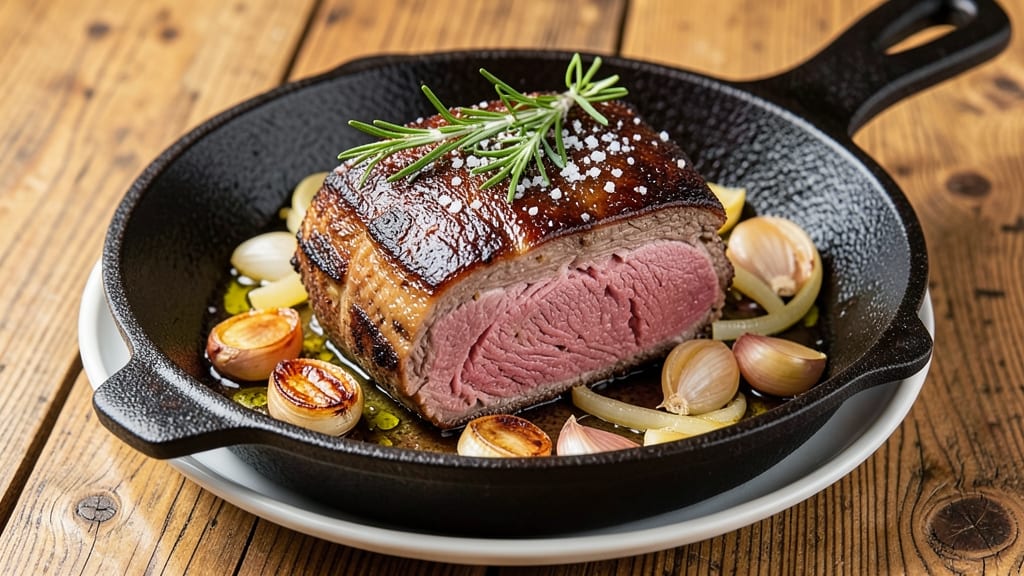
This Angus beef chuck tender roast recipe transforms tough cuts into melt-in-your-mouth perfection through slow braising—no fancy equipment required. The secret lies in a high-heat sear followed by low-and-slow cooking, which breaks down collagen into rich, buttery juices that make every bite irresistible.
I've perfected this method after years of testing, and it consistently delivers restaurant-quality results at home.
The process begins with a simple yet critical step: searing the roast to lock in flavors before transferring it to a slow cooker or oven. This dual-phase approach ensures a crisp exterior and tender interior, with the meat practically falling apart when sliced.
The beauty of this recipe is its versatility—whether you're hosting a dinner party or meal prepping for the week, the technique remains the same.
What you'll end up with is a pull-apart luxurious roast that's rich, deeply flavorful, and impossible to resist. The slow cooking process infuses the meat with its own juices, creating a sauce that can be used to baste or serve alongside.
This isn't just a meal; it's an experience that elevates any gathering, from family dinners to special occasions.
Pair it with classic sides like roasted potatoes, caramelized onions, or a fresh salad to complete the dish. The roast's natural richness pairs beautifully with bold flavors, making it a crowd-pleaser every time. Let's get started on creating this showstopping centerpiece.
Ingredients for angus beef chuck tender roast
Six ingredients transform tough beef into restaurant-worthy luxury through precise technique and patience.
| Ingredient | Amount | Notes |
|---|---|---|
| Angus Beef Chuck Tender Roast 🥩 | 4 lb | Center-cut, 2-2.5 inches thick |
| Extra-Virgin Olive Oil 🫒 | ½ cup | High smoke point preferred |
| Yellow Onion 🧅 | 1 whole | Chopped into 1-inch pieces |
| Garlic Cloves 🧄 | 6 cloves | Smashed but not minced |
| Fresh Rosemary 🌿 | ¼ cup | Chopped, stems removed |
| Fresh Thyme 🌿 | ¼ cup | Leaves only, stems removed |
| Dry Red Wine 🍷 | 1 cup | Bold Cabernet Sauvignon preferred |
| Beef Broth 💧 | 2 cups | Low-sodium preferred |
| Tomato Paste 🍅 | 2 tbsp | Smooth, no sugar added |
| Diamond Crystal Kosher Salt 🧂 | 1 ½ tsp | Adjust to taste |
| Freshly Ground Black Pepper 🌶️ | 1 tsp | Coarse grind preferred |
| Unsalted Butter 🧈 | 2 tbsp | Cold for basting |
| Fresh Parsley 🌿 | ⅛ cup | Chopped, for garnish |
The Angus beef chuck tender roast is the star—center-cut ensures optimal tenderness, and 2-2.5 inches thickness guarantees even cooking. Source from a trusted butcher or Whole Foods specialty counter where you can verify marbling and cut quality. The extra-virgin olive oil should have a high smoke point (look for 390°F+ on the label) to prevent burning during the sear. Fresh herbs like rosemary and thyme elevate the flavor profile, so avoid dried substitutes unless absolutely necessary—they lack the aromatic complexity. For the wine, any bold red (Cabernet Sauvignon, Merlot, or Malbec) works, but avoid overly oaky varieties that may clash with the beef's natural richness.
No red wine? Substitute with beef broth plus 1 tablespoon balsamic vinegar for depth. The tomato paste can be omitted entirely if you prefer a more traditional braise, though it adds subtle sweetness. For the beef broth, low-sodium options like Kitchen Basics or Pacific Foods ensure you control the seasoning. The butter must be cold when basting—microwave for 40 seconds to just melt it before applying to the roast. If you're short on time, pre-chopped onions from the grocery store work fine, but avoid the pre-shredded kind—it releases too much moisture. The parsley is purely decorative but adds a fresh finish; skip it if you're serving the roast immediately.
This roast develops best when reheated at 325°F for 15-20 minutes—the internal temperature should reach 160°F for perfect tenderness. Store leftovers in an airtight container for up to 4 days in the fridge, or freeze for 3 months by wrapping tightly in plastic and aluminum foil. For meal prep, portion into individual servings before freezing to simplify reheating. The braising liquid reduces into a rich sauce—strain and reserve it for basting or serving alongside. The roast itself keeps well 3-4 days refrigerated, though flavor peaks on day 2 when the collagen fully breaks down.
Why You'll Love This Recipe
- One-Pan Simplicity: I swear by this recipe because it’s basically set it and forget it—just sear the roast, toss in the sliced onion and garlic, sprinkle the rosemary, and let the oven do the work. No chopping boards full of scraps, no extra pots—just one pan, one mess.
- Rich, Deep Flavor: That chuck tender roast? It’s got character—tender but with a satisfying chew, and the olive oil, garlic, and rosemary create this earthy, aromatic crust that makes every bite feel like a hug. Honestly, I’ve tried fancier cuts, but this one’s my go-to for real beefy satisfaction.
- Weeknight or Weekend Hero: Between us, this roast works everywhere—throw it on the table for a lazy Sunday supper, slice it for sandwiches midweek, or serve it at a potluck where you want to look like the star. It’s the kind of dish that feels special without requiring a three-course menu.
- Leftovers That Don’t Let You Down: I make a big batch on Sunday, and by Thursday, I’m still pulling slices for wraps or tossing them into a skillet with roasted potatoes. The beef stays juicy, the flavors only get better, and I’m not scrambling to figure out dinner. Budget-friendly? Absolutely. Life-saving? Even more so.
Step-by-step instructions for slow-braised Angus beef chuck tender roast
Transform tough chuck into melt-in-your-mouth tenderness using this precise slow-braising method.
Sear the Roast for Deep Flavor
Pat the 4 lb Angus Beef Chuck Tender Roast dry with paper towels—this ensures maximum browning. Heat the 0.5 cup extra-virgin olive oil in a heavy Dutch oven over medium-high heat until shimmering. Place the roast in the pot, searing on all sides for 3-4 minutes per side until developing a deep mahogany crust. The key here is patience: resist the urge to move it frequently, as this creates the flavorful fond that will dissolve into the sauce.
Once seared, remove the roast and set it aside. You'll notice the oil will darken slightly—this is the foundation of your braising liquid. Don't wipe out the pot; those browned bits are pure flavor. Here's the thing—if you rush this step, you'll miss that crucial Maillard reaction that gives braised meats their depth of flavor.
Build the Aromatic Base
In the same Dutch oven, add the chopped 1 whole yellow onion and cook for 5 minutes until softened and translucent. Add the 6 smashed garlic cloves, 0.25 cup chopped fresh rosemary, and 0.25 cup fresh thyme leaves, stirring for 1 minute until fragrant. This combination of aromatics will infuse the meat with complex herbal notes that complement the beef's natural richness.
Next, stir in the 2 tbsp tomato paste and cook for another 2 minutes until it darkens slightly. This step develops the sauce's depth and prevents it from being too acidic when you add the wine. The tomato paste also adds a subtle sweetness that balances the herbaceous flavors. Don't skip this—it makes a noticeable difference in the final product.
Deglaze and Braise
Pour in the 1 cup dry red wine, scraping up all the browned bits from the bottom of the pot with a wooden spoon. This deglazing step captures all the concentrated flavors you've built. Let the wine reduce by half—about 3-4 minutes—until it coats the back of a spoon. Add the 2 cups beef broth, ensuring the roast is completely submerged. The liquid should come about halfway up the sides of the roast.
Season generously with 1.5 tsp diamond crystal kosher salt and 1 tsp freshly ground black pepper. Bring to a simmer, then cover the pot and transfer to a preheated 300°F oven. Here's where the magic happens: the low temperature and long cook time break down the connective tissue, transforming tough chuck into fork-tender luxury. Braise for 3 hours, then check for doneness.
Finish and Rest for Maximum Tenderness
When the roast reaches an internal temperature of 203°F (use a meat thermometer in the thickest part), it's ready. Remove it from the pot and tent loosely with foil. Let it rest for 30 minutes—this crucial step allows the juices to redistribute throughout the meat. If you skip this, you'll end up with dry, stringy beef instead of the melt-in-your-mouth texture you're after.
While the roast rests, skim any excess fat from the braising liquid and return it to the pot. Stir in the 2 tbsp cold unsalted butter, which will add richness and help emulsify the sauce. The butter should melt into a glossy finish. Skim any additional fat that rises to the surface before serving.
Serve with Herb-Garnished Sauce
Slice the roast against the grain into ½-inch thick slices. The grain direction will be visible in the meat—cut perpendicular to these lines for maximum tenderness. Spoon the braising sauce over the top and garnish with the 0.125 cup chopped fresh parsley. Each bite should deliver layers of flavor: the deep, caramelized crust from searing, the herbal complexity from the aromatics, and the velvety texture from the slow braising.
This dish pairs beautifully with creamy mashed potatoes or crusty bread to soak up the rich sauce. The roast should be so tender it practically falls apart with gentle pressure from your fork. If it's not quite there, return it to a low oven (200°F) for another 15-20 minutes, covered, to finish cooking.
Pro Tips For Making Angus Beef Chuck Tender Roast
- SEAR IN BATCHES: I learned this the hard way—trying to sear a whole chuck roast at once just makes your pan steam instead of brown. Cut the roast into 2-inch chunks first, then work in batches over medium-high heat with enough oil to coat the bottom (about 2 tablespoons total). The crust forms faster, and you won’t end up with soggy meat.
- SWEAT THE AROMS LOW: Skip the high-heat rush when cooking onions and garlic—they’ll burn before the flavors meld. Use the same pan after searing, reduce heat to medium-low, and let them cook for 8–10 minutes until soft and translucent. This builds depth without bitterness, and the rosemary gets a chance to infuse properly.
- USE ROSEMARY SPRIGS: Fresh rosemary stems are tough—don’t chop them fine. Tear the needles off the woody stems with your fingers and scatter them directly over the roast while it rests. This keeps the herb bright and aromatic instead of turning to mush in the pan. (Yes, even if you’re impatient like me.)
- REST UNDER FOIL: The roast will look perfect at 130°F internal temp, but cutting into it too soon means juices pool on the plate. Tent it loosely with foil and let it sit for 15–20 minutes—this lets residual heat redistribute. Trust the process, or you’ll end up with dry slices. (Your future self will thank you.)
Flavor customization for this angus beef chuck tender roast
Herb-Forward Variations
Swap the rosemary and thyme for 1 tbsp fresh sage and 1 tbsp fresh bay leaves for an Italian-inspired twist. The sage adds earthy depth while bay leaves infuse subtle floral notes.
I find this works especially well with a Chianti instead of Cabernet—just reduce the wine to ½ cup to maintain balance. For a French bistro vibe, add 2 sprigs fresh tarragon and 1 sprig fresh parsley to the braising liquid. 🌿
Spicy Kick Options
Infuse heat by adding 1 tbsp smoked paprika and ½ tsp cayenne pepper to the tomato paste before deglazing. For deeper spice, stir in 1-2 slices of chipotle pepper in adobo sauce with the wine.
I like to finish with a sprinkle of flaky sea salt and crushed red pepper flakes before serving. This works particularly well with a Malbec wine's natural fruitiness to balance the heat.
Umami Boosters
Elevate the depth by adding 1 tbsp soy sauce or 1 tbsp Worcestershire sauce to the braising liquid. For an Asian-inspired fusion, replace the red wine with 1 cup dry sherry and add 1 tbsp grated ginger and 1 tbsp minced galangal (if available).
The umami compounds create a richer, more complex sauce that pairs beautifully with the beef's natural richness. 🍜
Sweet-Savory Balance
Add 1 tbsp honey or 1 tbsp brown sugar to the tomato paste for a caramelized depth. This works especially well with a Portuguese red blend that has natural sweetness.
For a fruit-forward twist, add ½ cup pitted prunes or ½ cup dried apricots to the braising liquid—they'll soften and release their sweetness into the sauce. This variation is perfect for holiday gatherings where you want to impress with unexpected flavors.
Creamy Variations
For a luxurious finish, stir ½ cup heavy cream into the braising liquid during the last 30 minutes of cooking. This creates a silky sauce that coats the beef beautifully.
Alternatively, finish by adding 2 oz cream cheese to the sauce after removing the roast—simmer until melted for a velvety consistency. I find this works particularly well when paired with truffle-infused olive oil drizzled over the slices before serving. 🧈
Global Fusion Twists
Create a Korean-inspired version by replacing the red wine with 1 cup gochujang (Korean chili paste) and adding 1 tbsp grated ginger and 1 tbsp minced garlic.
For a Moroccan twist, use 1 cup beef broth with 1 tbsp ras el hanout spice blend and 1 tbsp harissa paste. The global flavors transform the classic braise into something entirely new while maintaining the same tender texture.
These variations are perfect for adventurous eaters looking to explore different culinary traditions. 🌍
Nutrition facts
Frequently asked questions
Why does the recipe specify a center-cut chuck tender roast?
The center-cut is crucial because it has the best marbling and even thickness, ensuring consistent tenderness throughout. The 2-2.5 inch thickness guarantees proper heat penetration during braising. Look for a piece with visible fat streaks—this fat melts during cooking, keeping the meat juicy. A poorly cut roast might have uneven cooking or dry spots.
Can I use a slow cooker instead of the oven?
After searing, transfer everything to a slow cooker and cook on Low for 6-8 hours or High for 4-5 hours. The liquid should cover the roast halfway. For best results, use a Dutch oven that fits inside your slow cooker to maintain the same depth of flavor. The slow cooker method is especially convenient for weeknight meals.
What if my roast isn't tender enough after 3 hours?
Check the internal temperature—it should reach 203°F. If it's lower, return it to the oven at 300°F for another 1-2 hours, covered. The meat will continue breaking down. Never rush this step—tough beef can't be fixed by overcooking. If you're short on time, try a reverse sear method: cook at 250°F until 195°F, then sear briefly.
How do I store leftovers without drying them out?
Cool the roast to room temperature, then store in an airtight container with some of the braising liquid. Reheat in the oven at 325°F for 15-20 minutes until it reaches 160°F. Never microwave directly—this causes moisture loss. The roast keeps well for 4 days refrigerated or 3 months frozen. For freezing, wrap tightly in plastic and foil to prevent freezer burn.
What's the best way to serve this roast for a dinner party?
Slice against the grain into ½-inch pieces and arrange on a platter with the reduced braising sauce spooned over the top. Garnish with fresh parsley and serve with creamy mashed potatoes or crusty bread for soaking. For extra presentation, drizzle with truffle oil or sprinkle with flaky sea salt. The rich sauce and tender meat make this a showstopper centerpiece.