
Main Courses
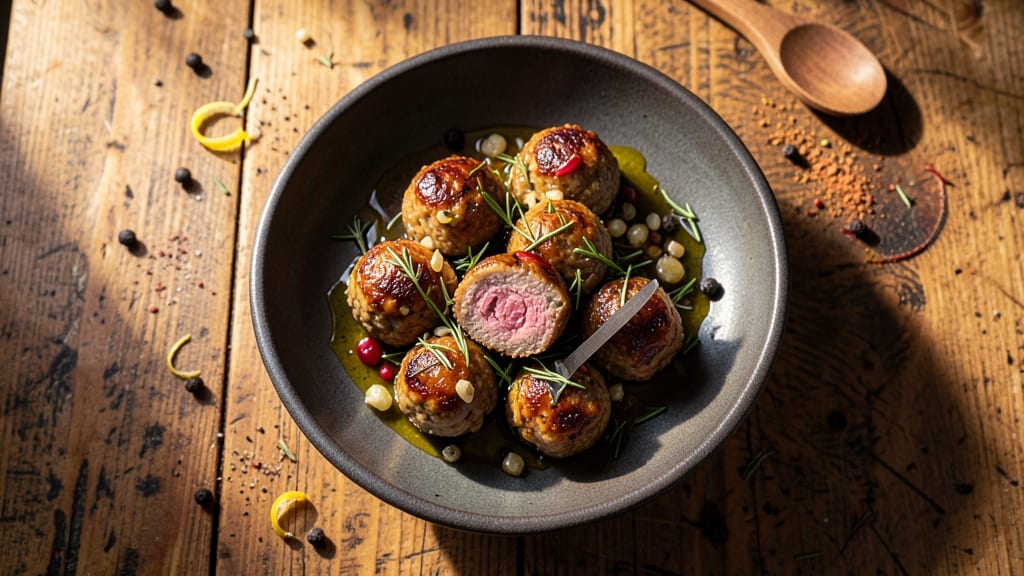
This angus beef meatballs recipe delivers restaurant-quality flavor with tender, juicy meatballs packed with herb-infused richness and deep umami notes. The secret lies in using high-quality ground angus beef for unmatched tenderness, combined with a blend of aromatic herbs and spices that elevate every bite.
Unlike traditional meatballs, these hold their shape beautifully while developing a caramelized crust that adds texture and depth.
What sets these apart is the technique: pan-searing the meatballs before simmering ensures a perfect balance of crispy exteriors and moist interiors.
The recipe includes a foolproof method for forming meatballs without them falling apart, and the seasoning blend—garlic, rosemary, and black pepper—creates layers of flavor that pair beautifully with classic marinara or a bold red wine reduction. The result is a dish that feels indulgent yet remains approachable for weeknight dinners.
The versatility of these meatballs makes them ideal for any occasion, whether served as a hearty main course with mashed potatoes and roasted vegetables or as a showstopping appetizer with a creamy dipping sauce. The rich, beefy flavor stands up to bold accompaniments, ensuring every bite is satisfying.
With just a few simple ingredients and a hands-on approach, you'll achieve meatballs that taste like they've been simmering all day—without the hours in the kitchen.
For an added twist, consider air-frying the meatballs for a lighter texture or rolling them in crushed nuts for extra crunch. The recipe scales effortlessly, making it perfect for feeding a crowd or meal prepping for the week.
Let’s get started on creating meatballs that will impress even the most discerning palates.
Ingredients for angus beef meatballs
High-quality ground angus beef and aromatic herbs create restaurant-worthy meatballs with perfect texture and depth.
| Ingredient | Amount | Notes |
|---|---|---|
| Ground Angus Beef 🥩 | 1 ½ lb | 80% lean for optimal tenderness |
| Fresh Rosemary 🌿 | ¼ cup | Finely chopped, stems removed |
| Garlic Cloves 🧄 | 4 cloves | Minced for even distribution |
| Black Peppercorns 🌶️ | 1 ½ tsp | Freshly cracked for robust flavor |
| Extra-Virgin Olive Oil 🫒 | 2 tbsp | High-quality, fruity variety |
| Large Eggs 🥚 | 1 whole | Room temperature for better binding |
| All-Purpose Flour 🌾 | ¼ cup | For texture and binding |
| Parmesan Cheese 🧀 | ½ cup | Freshly grated, fine texture |
| Shallots 🧅 | 2 whole | Minced for subtle sweetness |
| Dry Red Wine 🍷 | ½ cup | Bold Cabernet Sauvignon preferred |
| Beef Broth 💧 | 1 cup | Homemade or high-quality store-bought |
| Tomato Paste 🍅 | 2 tbsp | Smooth, no lumps |
| Kosher Salt 🧂 | 1 ½ tsp | Diamond Crystal preferred |
| Fresh Thyme Leaves 🌿 | ¼ cup | Chopped, stems discarded |
The ground angus beef is non-negotiable—look for 80% lean at specialty butchers or high-end grocery stores like Whole Foods or Costco. The fat content ensures juiciness, while the lean keeps them tender. Freshly ground beef has better texture than pre-packaged, but if you're short on time, Boar’s Head or Hormel Natural Choice work well. For the herbs, fresh rosemary and thyme from the grocery store’s produce section (not dried) bring the most vibrant flavor—Trader Joe’s often carries excellent quality. Shallots add subtle sweetness; if unavailable, 1 small red onion minced works as a substitute, though the flavor profile shifts slightly.
No fresh rosemary? Dried rosemary at one-third the amount suffices, but the texture won’t be as lush. Short on red wine? Beef broth with 1 tbsp balsamic vinegar mimics the depth. For the tomato paste, squeeze tubes from Trader Joe’s are ideal—they’re convenient and last months without refrigeration. The Parmesan should be freshly grated; pre-grated clumps and lacks flavor. If you’re air-frying the meatballs, reduce the olive oil to 1 tbsp—the high heat will crisp them without excess grease. For extra umami, add 1 tsp fish sauce (ensure it’s gluten-free if needed) to the simmering liquid, though this step is optional.
Store formed meatballs in an airtight container in the fridge for up to 3 days before cooking, or freeze them raw for 3 months on a parchment-lined tray before transferring to a bag. Cooked meatballs reheat beautifully in a 350°F oven for 10-15 minutes with a splash of broth to retain moisture. The red wine and beef broth base can be prepped ahead and refrigerated for 5 days or frozen for 3 months. For meal prep, portion the cooked meatballs into single-serving containers with a side of marinara—ready to grab and heat for quick lunches.
Why You'll Love This Recipe
- No Fuss Rolling: I swear by the "pinch-and-squeeze" method—no rolling board, no stress. The Angus beef holds together like magic, so even if my meatballs look lumpy, they still turn out juicy and cohesive. (Yes, even when my toddler "helps" by poking them.)
- Herb-Packed Punch: That rosemary and garlic combo? It’s the secret weapon. The fresh rosemary adds a bright, piney note that cuts through the richness of the beef, while the black peppercorns give it a subtle kick. Honestly, I’ve tried dried herbs—this is where it’s at.
- Weeknight to Party: Same recipe, endless uses. Toss them in marinara for a quick pasta night, serve them on skewers for a summer BBQ, or even crumble them into a breakfast hash. My husband’s coworkers still ask for the "meatballs from that party" months later.
- Leftovers That Don’t Suck: These actually taste better the next day—crispy on the outside, tender inside. I freeze half the batch and pull them straight into soups or stir-fries. No sad, dry meatballs here; the olive oil keeps them moist, and the Angus beef makes every bite worth it.
Step-by-step instructions for herb-infused angus beef meatballs
Mastering these meatballs requires precision in handling and layering flavors. Here's how to achieve restaurant-quality results.
Prepare the Herb and Aromatic Base
In a small mixing bowl, combine the 0.25 cup fresh rosemary and 0.25 cup fresh thyme leaves, then finely chop them together with a sharp chef's knife. Add the 2 whole shallots, minced until they're barely visible, and the 4 cloves garlic cloves, finely minced for even distribution throughout the meatballs. This aromatic blend forms the flavor foundation.
Transfer this mixture to a medium bowl and set aside. I like to press the herbs with the back of a spoon to release their essential oils, which intensifies their flavor in the final dish. This step ensures every bite carries that herbal depth promised in the title.
Create the Binding Mixture
In a separate bowl, whisk together the 1 whole large egg, 0.25 cup all-purpose flour, 0.5 cup finely grated parmesan cheese, 1.5 tsp freshly cracked black peppercorns, and 1.5 tsp kosher salt. The egg acts as a binder, while the flour and parmesan create a delicate texture that prevents the meatballs from becoming dense. I prefer to use a whisk for the egg to incorporate air, which helps create lighter meatballs.
This mixture should be smooth and cohesive. If it appears too dry, add 1 teaspoon of water to help the ingredients come together. The parmesan adds umami richness that complements the beef's natural flavor, while the cracked peppercorns provide a subtle heat that develops beautifully during cooking.
Combine Ingredients for Maximum Flavor
In a large mixing bowl, gently combine the 1.5 lb ground angus beef with the herb mixture from Step 1. Using your hands, mix just until the beef is evenly coated with the herbs—overmixing develops gluten and can make the meatballs tough. Add the egg mixture and combine carefully, folding gently to maintain the beef's natural texture.
This is where the magic happens. The angus beef's marbling ensures juiciness, while the herbs and parmesan create layers of flavor. I find that working with cold ingredients (straight from the refrigerator) helps prevent the meatballs from becoming greasy during handling. If the mixture feels too sticky, add 1 tablespoon of flour to help bind it.
Form and Sear the Meatballs
Using a scoop or your hands, form the mixture into 1.5-inch diameter meatballs—about 8 total for 4 servings. Place them on a parchment-lined baking sheet and refrigerate for 30 minutes to firm up. This chilling step is crucial for maintaining their shape during cooking.
Heat 2 tablespoons extra-virgin olive oil in a large skillet over medium-high heat until shimmering. Working in batches to avoid crowding, add the meatballs and sear for 2-3 minutes per side until they develop a golden-brown crust. This initial sear locks in juices and creates that beautiful exterior texture we're after.
Simmer in Rich Red Wine and Broth
Remove the meatballs from the skillet and set aside. In the same pan, deglaze with 0.5 cup dry red wine, scraping up any browned bits from the bottom—a technique called fond-making that adds deep, caramelized flavor to the sauce. Let the wine reduce by half, then add 1 cup beef broth and 2 tablespoons tomato paste, stirring to combine.
Return the meatballs to the skillet and simmer uncovered over medium-low heat for 15-20 minutes, turning occasionally, until they're cooked through and the sauce has thickened slightly. The meatballs should reach an internal temperature of 160°F—this ensures they're fully cooked while remaining tender. The red wine and broth create a velvety sauce that perfectly complements the herb-infused beef.
Rest and Serve
Transfer the meatballs and sauce to a serving platter and let them rest for 5 minutes before serving. This resting period allows the juices to redistribute, ensuring each bite is moist and flavorful. The meatballs should be tender yet firm, with a golden-brown exterior and herb-speckled interior.
Serve immediately with the rich red wine sauce spooned over the top. These meatballs pair beautifully with creamy polenta or crusty bread to soak up every last drop of that umami-packed sauce. The combination of rosemary, thyme, and parmesan creates a complex herbal profile that elevates the natural richness of the angus beef.
Pro Tips For Making Angus Beef Meatballs
- CHILL THE MEAT FIRST: Angus beef is rich—don’t rush the prep. Pop the ground meat in the fridge for 20-30 minutes before handling, or it’ll get greasy and sticky. (Yes, even if you’re impatient like me.)
- MINCE GARLIC FINE: Whole garlic cloves in meatballs? No. Pulse 3-4 cloves with a pinch of salt in a mini food processor until it’s a paste—this distributes flavor evenly. I learned this the hard way after biting into a meatball with a single, undercooked clove.
- SEAR IN BATCHES: Crowding the pan = soggy meatballs. Cook them in single layers over medium-high heat for 3-4 minutes per side until deeply browned. (Your future self will thank you.)
- FINISH WITH OIL SPLASH: Right before serving, add a teaspoon of extra-virgin olive oil to the pan and toss the meatballs—it keeps them juicy and adds a silky finish. (Sounds weird, but it works.)
Troubleshooting perfect results
Meatballs Falling Apart
If your meatballs disintegrate during cooking, the issue is likely overmixing or insufficient binding. I’ve found that under-mixing the beef mixture (just until combined) prevents gluten development, while adding 1 extra tablespoon of flour or 1 more egg yolk can reinforce structure.
For extra insurance, chill the formed meatballs for 45 minutes instead of 30—this firms them up significantly. 💪
Dry or Tough Texture
Dry meatballs usually mean the beef was overcooked or lacked fat. First, use 80% lean ground angus beef—the fat keeps them juicy. Second, avoid high heat during searing; medium-high is ideal.
If they still dry out, try adding 1 tablespoon of water to the egg mixture or simmering them in broth for just 12-15 minutes instead of 20. The internal temp should hit 160°F, not higher. ✨
Uneven Cooking
Uneven doneness happens when meatballs vary in size or crowd the pan. Use a kitchen scale to portion equal 3-ounce balls (about 1.5 inches). For searing, work in batches—no more than 4 meatballs per skillet.
If some cook faster, remove them earlier and finish in the oven at 350°F for 5 minutes to equalize. A meat thermometer ensures accuracy—160°F is perfect. 🌡️
Sauce Too Thin or Bland
A watery sauce often means insufficient reduction. After deglazing with wine, simmer the broth longer (up to 10 minutes) to thicken. For depth, add 1 teaspoon of tomato paste or 1 splash of red wine reduction at the end.
If the sauce tastes flat, boost umami with 1 teaspoon fish sauce or ½ teaspoon soy sauce (ensure gluten-free if needed). Fresh herbs like parsley or basil brighten the finish. 🍷
Greasy or Oily Meatballs
Excess grease usually means too much fat in the beef or over-oiling. Stick to 2 tablespoons olive oil for searing, and pat the beef dry before mixing. If your batch feels greasy, chill the meatballs longer (up to 1 hour) to firm the fat.
For air-frying, reduce oil to 1 tablespoon—the high heat crisps without excess grease. 💡
Herbs Not Infusing Well
If herbs taste muted, they weren’t distributed evenly. Chop them finely (almost paste-like) and press them into the beef with your hands. For extra flavor, steep the rosemary and thyme in warm broth for 5 minutes before using it in the sauce.
A mortar and pestle works wonders for releasing essential oils from dried herbs if fresh aren’t available. 🌿
Nutrition facts
Frequently asked questions
Can I substitute ground beef for angus beef in this recipe?
While you can use standard ground beef, the flavor and texture won't be the same. Angus beef has more marbling and richer flavor, which keeps the meatballs juicy and tender. For a budget-friendly version, try a high-quality 80/20 blend, but expect slightly less depth of flavor. If you're using leaner beef, add 1 teaspoon extra olive oil to the mixture to compensate for lost juiciness.
How do I make these meatballs ahead of time?
You can prep these meatballs up to 3 days in advance! Form them and store in an airtight container in the fridge. For best results, sear them just before serving to maintain that perfect crust. If freezing, shape the meatballs and freeze them on a tray before transferring to a bag - they'll keep for 3 months. Thaw overnight in the fridge before cooking.
What's the best way to reheat cooked meatballs?
For maximum flavor retention, reheat in a skillet over medium heat with 1 tablespoon of olive oil for 3-4 minutes until warmed through. If using the oven, bake at 350°F for 10-15 minutes with a splash of beef broth to keep them moist. Microwaving works in a pinch (90 seconds), but the texture won't be as good. Always reheat until reaching 165°F internally.
Can I make these meatballs in an air fryer?
Preheat your air fryer to 375°F and spray the basket with oil. Arrange meatballs in a single layer and cook for 8-10 minutes, shaking the basket halfway. For extra crispiness, brush with olive oil before air frying. The air fryer method reduces oil absorption while creating a beautiful crust. Just be sure to monitor closely to prevent overcooking.
What are the best sauce pairings for these meatballs?
The recipe's red wine sauce is perfect, but you can also try a classic marinara, creamy Alfredo, or even a tangy pesto. For extra richness, make a quick red wine reduction by simmering 1 cup red wine with 1 tablespoon tomato paste until thickened. The herb-infused meatballs also pair beautifully with a balsamic glaze or a simple garlic butter sauce for a lighter option.