
Main Courses
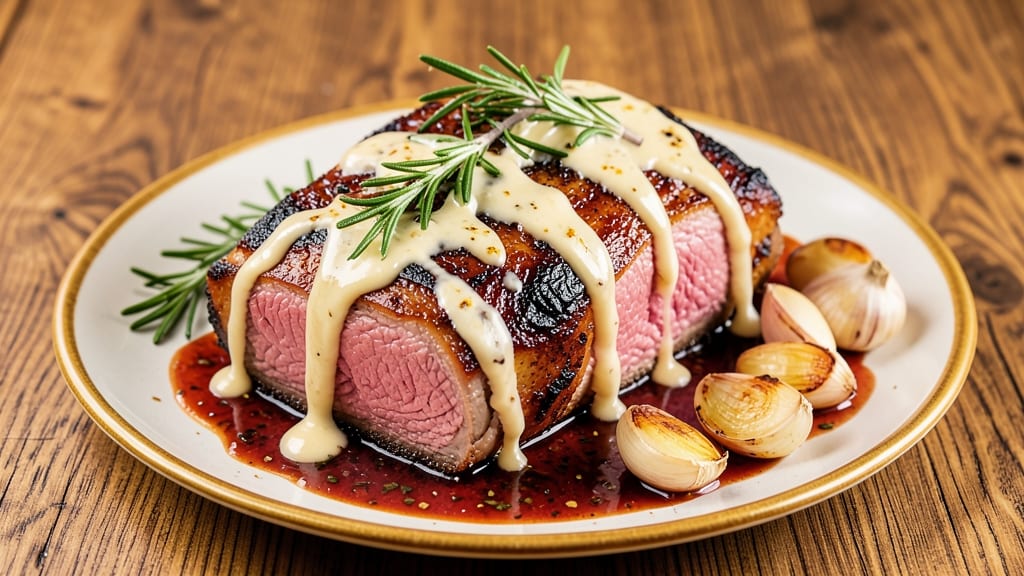
Angus beef oven roast recipe transforms a simple Sunday dinner into a showstopping centerpiece that delivers fall-off-the-bone tenderness and a golden, buttery crust. 🔥 The secret lies in precise temperature control and a slow roast that melts fat back into the meat, creating that luxurious mouthfeel everyone craves. This isn't just another beef roast—it's a technique that elevates your cooking game with minimal effort but maximum impact.
What sets this recipe apart is the combination of high-quality Angus beef with a dry-brine method that enhances flavor without adding moisture. We'll use a reverse sear technique—slow roasting first, then finishing with a high-heat sear—to lock in juices while creating that coveted caramelized crust.
The result? A perfectly cooked roast that's tender enough to slice with a fork and rich enough to satisfy even the most discerning guests.
By the time you're done, you'll have a juicy, flavorful roast that practically melts in your mouth, paired with complementary sides like roasted root vegetables or creamy mashed potatoes.
The aroma alone will have everyone anticipating dinner, and the presentation—with crispy edges and succulent meat—will make you look like a professional chef.
This recipe is designed for confidence: no guesswork, no overcooking, just a foolproof method that delivers restaurant-quality results at home. Whether you're hosting a holiday feast or treating yourself to a special weeknight meal, this Angus beef roast will become your new go-to recipe. Let's get started!
Ingredients for angus beef oven roast
Six ingredients transform a simple roast into a restaurant-worthy centerpiece with luxurious tenderness and caramelized perfection.
| Ingredient | Amount | Notes |
|---|---|---|
| Angus Beef Roast 🥩 | 3 lb | Center-cut, bone-in preferred for flavor |
| Kosher Salt 🧂 | 1 ½ tbsp | Diamond Crystal preferred, coarse grain |
| Freshly Ground Black Pepper 🌶️ | 1 tbsp | Freshly cracked for optimal flavor |
| Unsalted Butter 🧈 | ½ cup | Cold, cut into 1-inch cubes |
| Garlic Cloves 🧄 | 6 whole | Peeled, smashed for aroma infusion |
| Fresh Rosemary 🌿 | ¼ cup | Finely chopped, stems removed |
| Fresh Thyme 🌿 | ¼ cup | Leaves only, stems discarded |
| Extra-Virgin Olive Oil 🫒 | 2 tbsp | For basting, high-quality preferred |
| Yellow Onion 🧅 | 1 whole | Quartered, skin on for roasting |
| Carrots 🥕 | 4 whole | Whole, scrubbed, for roasting |
| Fresh Parsley 🌿 | ⅛ cup | Chopped, for garnish |
| Beef Stock 💧 | ½ cup | Homemade or high-quality store-bought |
The Angus beef is non-negotiable here—look for a center-cut roast with visible marbling at your butcher shop or specialty grocer like Whole Foods or Dartmouth Farms. A bone-in roast delivers superior flavor, but if you prefer boneless, ensure it's at least 3 lbs to maintain yield. For the best results, purchase the roast 24 hours ahead to let it sit at room temperature before cooking, allowing for even cooking. The Diamond Crystal kosher salt is essential—its coarse texture clings better than table salt, and the brand's uniform grain size ensures even distribution.
No fresh rosemary? Dried rosemary at half the amount works in a pinch, though fresh imparts that piney aroma that's impossible to replicate. The butter must be cold and cubed—this creates a luscious, golden crust during the reverse sear. For the garlic, roasting the whole cloves with the onions and carrots intensifies their sweetness naturally. If you're short on time, minced garlic is fine, but roasting adds depth. The beef stock can be swapped for bone broth or even low-sodium chicken broth if you're vegetarian-adjacent, though purists will argue for the beefy richness. For the herbs, Trader Joe's often has pre-bundled fresh rosemary and thyme at reasonable prices.
This roast shines when made ahead—prep the entire dry brine the night before and refrigerate uncovered for 12-24 hours. The meat will develop incredible depth of flavor. For the reverse sear, use a meat thermometer to avoid overcooking; the internal temperature should hit 125°F for medium-rare before resting. The roasted vegetables can be prepped in advance and refrigerated until ready to roast alongside the beef. Leftovers keep 3-4 days in the fridge, but honestly, the flavor only improves after resting 24 hours—perfect for sandwiches or salads. For long-term storage, slice against the grain and freeze portions for up to 3 months.
Why You'll Love This Recipe
- I swear by this combo: just salt, pepper, and butter on a perfect Angus roast. The beef does all the heavy lifting—you’re basically just letting it shine.
- Two-Ingredient Magic: I swear by this combo: just salt, pepper, and butter on a perfect Angus roast. The beef does all the heavy lifting—you’re basically just letting it shine.
- Weeknight Crowd-Pleaser: Between us, this is my go-to for game day, family dinners, or when my in-laws drop by unannounced. Slice it thin, and it feeds six without breaking a sweat.
- Leftovers That Don’t Suck: Honestly, the second day is even better. That crusty exterior? Gets richer. The garlic butter? Soaks in perfectly. I meal prep this like it’s my job—because it is.
Step-by-step instructions for perfectly roasted Angus beef
Master this technique and you'll achieve fall-off-the-bone tenderness with a golden, buttery crust every time.
👨🍳 Step 1: Prepare the Roast for Maximum Flavor
Remove the 3 lb Angus Beef Roast from the refrigerator and let it sit at room temperature for 30-60 minutes before roasting. This ensures even cooking throughout. Pat the roast dry with paper towels—moisture is the enemy of a crispy crust. I press firmly all over, especially in crevices, to remove every trace of surface moisture.
In a small bowl, combine the 1.5 tbsp Kosher Salt and 1 tbsp Freshly Ground Black Pepper. Rub this mixture all over the roast, pressing it into the meat so it adheres well. The salt will penetrate the surface and enhance flavor as the roast cooks. I like to make small crosshatch marks with the salt crystals for both visual appeal and better adhesion.
🔥 Step 2: Create the Herb Butter Rub
In a food processor or by hand, finely chop the 6 whole Garlic Cloves, 0.25 cup Fresh Rosemary, and 0.25 cup Fresh Thyme. The rosemary and thyme should be very finely minced—you want the herbs to blend into the butter rather than create texture. Pulse the food processor in short bursts to avoid making a paste.
Cut the 0.5 cup Unsalted Butter into 1-inch cubes and add to the herb mixture. Pulse until the butter is completely incorporated and you have a smooth, spreadable paste. This herb butter will infuse the roast with incredible flavor while creating that coveted buttery crust. Spread this mixture evenly over the roasted beef, pressing it into every crevice.
🔥 Step 3: Sear the Roast for Deep Flavor
Preheat your oven to 425°F with a rack positioned in the lower third of the oven. Heat a large oven-safe skillet over medium-high heat. Add the 2 tbsp Extra-Virgin Olive Oil and swirl to coat the bottom evenly. Place the roast in the skillet, fat-side down, and sear for 3-4 minutes until a deep golden brown crust forms.
Flip the roast and sear the other side for another 2-3 minutes. You're looking for a rich, caramelized crust that develops quickly. This initial searing locks in juices and creates the flavor foundation for your roast. Transfer the skillet to the preheated oven once the crust is well-developed.
🥘 Step 4: Roast with Vegetables for Perfect Balance
Place the 1 whole Yellow Onion (quartered, skin on) and 4 whole Carrots (scrubbed) around the roast in the skillet. The vegetables will roast alongside the meat, absorbing the rich beef juices. Pour the 0.5 cup Beef Stock into the bottom of the skillet—this will create a flavorful pan sauce as the roast cooks.
Roast uncovered for 1 hour 15 minutes for medium-rare (or until internal temperature reaches 130°F for medium-rare). I check the temperature with a meat thermometer inserted into the thickest part of the roast. The vegetables should be tender but not falling apart. If the roast browns too quickly, tent loosely with foil to prevent over-browning.
⏰ Step 5: Rest and Carve for Maximum Juiciness
Remove the roast from the oven and transfer it to a cutting board. Tent loosely with foil and let it rest for 15-20 minutes before carving. This resting period is absolutely critical—it allows the juices to redistribute throughout the meat, preventing them from pooling and running out when you slice. The internal temperature will rise about 5°F during resting.
While the roast rests, skim the fat from the pan juices and set aside. Strain the remaining juices through a fine-mesh sieve to remove any herb bits, then return to the skillet. Reduce over medium heat until slightly thickened, then spoon over the sliced roast. Garnish with 0.125 cup Fresh Parsley for a pop of color and freshness. Serve with the roasted vegetables on the side for a complete meal.
Pro Tips For Making Angus Beef Oven Roast
- SEAR FIRST, THEN ROAST: Get that roast screaming hot in a dry pan before it hits the oven—this locks in flavor and builds a crust that’ll make your guests think you’re a pro. I used to skip this step and ended up with bland, gray meat that needed a sauce to save it.
- SALT THE MEAT EARLY: Season the roast at least 40 minutes before cooking—this lets the salt work its magic deep into the meat, not just on the surface. I learned this the hard way when my first attempt tasted flat because I salted it right before searing.
- USE A MEAT THERMOMETER: Don’t guess—Angus roasts hit their prime at 130°F for medium-rare (or 145°F for medium). Oven temps fluctuate, and pulling it too early means dry meat, while waiting too long ruins the texture. I’ve ruined more roasts than I’ll admit by eyeballing it.
- BUTTER THE GARLIC RIGHT: Melt the butter with minced garlic until it’s golden and fragrant—not browned. Dumping raw garlic cloves into the pan just makes your roast taste like a hospital cafeteria. My grandmother swore by this, and she was right: flavor matters more than presentation.
Flavor customization for angus beef oven roast
Herb Variations
Swap the rosemary and thyme for fresh sage (about 0.25 cup) and fresh marjoram (0.25 cup) for an Italian-inspired twist. The sage adds earthy depth, while marjoram brings a citrusy note that pairs beautifully with the beef's natural richness.
For a Mediterranean flair, use fresh oregano (0.25 cup) and fresh basil (0.25 cup)—both infuse bright, aromatic flavors that contrast the beef's richness. 🌿
Spice Blends
For a smoky kick, mix 1 tbsp smoked paprika with 1 tsp cayenne pepper into your dry rub. This adds warmth and a subtle heat that complements the beef's natural sweetness.
If you prefer warm spices, try 1 tsp ground cinnamon and ½ tsp allspice—these create a cozy, almost chai-like profile that works surprisingly well with roasted beef. Just be sure to use high-quality spices like those from Penzeys for the best flavor.
Umami Boosters
Add 1 tbsp soy sauce or 1 tbsp Worcestershire sauce to your herb butter for an extra umami punch. The deep, savory notes enhance the beef's natural flavors without overpowering them.
For a richer crust, fold 1 tbsp miso paste into the butter—it adds complexity and a subtle sweetness that balances the saltiness. I love using white miso for a cleaner, milder flavor that won’t dominate the dish. 🍜
Sweet-Savory Balance
Introduce 1 tbsp honey or 1 tbsp maple syrup into the herb butter for a sweet-savory contrast. The caramelization during roasting creates a beautiful crust with a hint of sweetness.
For a balsamic touch, drizzle 1 tbsp reduced balsamic vinegar over the roast before serving—it adds a tangy brightness that cuts through the richness. Pair this with roasted root vegetables for a harmonious balance of flavors.
Global Flavors
Transform your roast into a French-style beef bourguignon by adding 1 cup red wine (like Cabernet Sauvignon) and 1 tbsp tomato paste to the pan juices. Simmer until reduced for a rich, wine-infused sauce.
For a Mexican-inspired version, rub the roast with 1 tbsp chili powder and 1 tsp cumin, then serve with charred corn and avocado. These global twists keep the dish exciting while maintaining the core technique of slow roasting for tenderness. 🌍
Nutrition facts
Frequently asked questions
What's the best cut of Angus beef for oven roasting?
A center-cut roast (like a top or bottom round roast) is ideal—it has good marbling and stays tender when roasted. For extra flavor, choose a bone-in roast (like a rib roast). Avoid lean cuts like sirloin roast, as they can dry out. Always ask your butcher for a well-marbled piece with visible fat streaks.
How do I know when the roast is done without a meat thermometer?
For medium-rare, press the roast gently—it should feel very soft (like pressing a ripe avocado). The internal color should be deep pink in the center. A 1 hour 15 minute roast time at 425°F for a 3 lb roast typically yields perfect results. If unsure, cut into a small section to check—juices should run light pink, not clear.
Can I make this roast ahead of time?
Yes! Prep the dry brine (salt and pepper) the night before and refrigerate uncovered for 12-24 hours. The roast will develop incredible flavor. For the full roast, cook it 1-2 hours ahead, then refrigerate. Reheat in a 350°F oven for 20-30 minutes with a little beef stock to keep it moist. The flavor actually improves after resting!
What sides pair best with this roast?
Classic choices include creamy mashed potatoes, roasted root vegetables (carrots, parsnips), or a rich red wine reduction. For a lighter option, try sautéed green beans with garlic or a fresh salad with balsamic vinaigrette. The roasted vegetables in this recipe (onions and carrots) make a perfect one-pan meal when served alongside.
Why does my roast turn out dry?
Overcooking is the #1 cause—use a meat thermometer to avoid exceeding 130°F for medium-rare. Another common mistake is skipping the resting time (15-20 minutes). Juices need time to redistribute! Also, avoid cutting into the roast immediately—this releases precious juices. For extra moisture, baste occasionally with pan juices during roasting.