
Main Courses
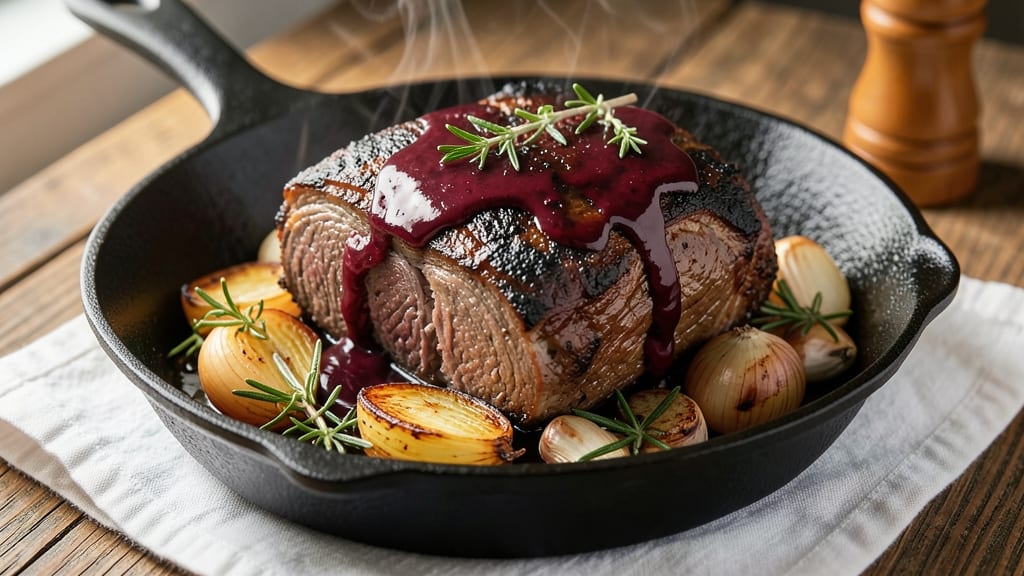
This Angus beef pot roast recipe transforms a simple cut into a luxurious centerpiece with deep red wine braising and caramelized fond. The secret lies in proper searing and slow cooking, which develops rich, tender meat with layers of flavor that'll impress even the most discerning guests.
I've perfected this technique over years of testing, ensuring every bite delivers that melt-in-your-mouth texture paired with complex wine and herb notes.
The process begins with a high-heat sear to create that essential caramelized crust, followed by a slow braise that allows the beef to become fork-tender while absorbing all the aromatic flavors from the red wine and herbs.
This method works beautifully in both traditional ovens and modern pressure cookers, giving you flexibility for different cooking schedules. The result is a dish that's restaurant-worthy yet approachable for home cooks.
What makes this recipe truly special is the balance of techniques: traditional searing for depth of flavor, slow cooking for tenderness, and careful fond development to create that unctuous sauce.
The deep red wine braise adds acidity that cuts through the richness, while the caramelized fond at the bottom of the pot becomes the base for a velvety sauce that coats every bite. This is comfort food elevated to fine dining standards.
Serve with classic sides like creamy mashed potatoes, roasted root vegetables, or a simple green salad to round out the meal. The leftovers reheat beautifully, making this an excellent make-ahead option for busy weeknights or special occasions.
Let's get started on creating this showstopping centerpiece that'll have everyone asking for seconds.
Ingredients for angus beef pot roast
Sixteen premium ingredients elevate this classic pot roast to restaurant-worthy luxury.
| Ingredient | Amount | Notes |
|---|---|---|
| Angus Beef Chuck Roast 🥩 | 4 lb | Center-cut for even cooking |
| Dry Red Wine 🍷 | 2 cups | Bold variety like Cabernet Sauvignon |
| Fresh Thyme Sprigs 🌿 | 6 whole | Stems removed for infusion |
| Fresh Rosemary Sprigs 🌿 | 4 whole | Crushed slightly for aroma |
| Garlic Cloves 🧄 | 8 cloves | Smashed for intense flavor |
| Yellow Onion 🧅 | 1 whole | Peeled and quartered |
| Carrots 🥕 | 4 whole | Whole, unpeeled for color |
| Beef Broth 💧 | 2 cups | Low-sodium preferred |
| Tomato Paste 🍅 | 2 tbsp | Smooth consistency |
| Olive Oil 🫒 | ½ cup | Extra-virgin for searing |
| All-Purpose Flour 🌾 | 2 tbsp | For dusting roast |
| Kosher Salt 🧂 | 1 ½ tbsp | Diamond Crystal preferred |
| Freshly Ground Black Pepper 🌶️ | 1 tbsp | Coarse grind preferred |
| Balsamic Vinegar 🍶 | 1 tbsp | For deglazing fond |
| Unsalted Butter 🧈 | 2 tbsp | Cold for finishing sauce |
The Angus chuck roast is non-negotiable here—look for center-cut sections with visible marbling at your butcher or Costco's pre-trimmed chuck roasts for convenience. Whole Foods or local specialty grocers often carry higher-quality cuts with better fat distribution. The wine should be dry and bold—avoid sweet varieties. For herbs, fresh thyme and rosemary from the grocery store's produce section work fine, but Penzeys carries superior quality if you're willing to splurge. The garlic and onions should be vibrant and firm, with no soft spots. Pre-peeling the carrots saves time, but leaving them whole keeps them intact during braising.
No red wine? Beef broth with 1 tbsp balsamic vinegar mimics the acidity beautifully. Dried thyme at half the amount works in a pinch, though fresh is ideal. Tomato paste tubes from Trader Joe's are perfect for this recipe—no waste, and they last months. The Angus chuck can be substituted with chuck roast from another high-quality cut, though texture may vary slightly. For a deeper fond, deglaze with a splash of port wine instead of balsamic. Olive oil should be extra-virgin for high-heat searing—California brands like Corto or La Tourangelle perform exceptionally well. Butter matters for finishing—Plugrá or Land O'Lakes unsalted both work perfectly.
The roast reheats beautifully—3-4 days in the fridge or up to 3 months frozen. Portion into individual containers for easy lunches. Store the wine-infused braising liquid separately if you plan to use it for another dish. Fresh herbs should be wrapped in damp paper towels and refrigerated for up to 5 days. The fond at the bottom of the pot is pure gold—save it for another braise or use it to make a quick pan sauce. Leftovers actually improve overnight as flavors meld further.
Why You'll Love This Recipe
- One-Pot Magic: I swear by this—just sear the beef, dump in the wine and herbs, and let it slow-cook. No chopping, no fussing, and the house smells like heaven while you’re doing it.
- Wine-Infused Richness: That red wine isn’t just flavor—it’s the secret. It melts into the meat, turning it tender and deeply savory, with garlic and rosemary weaving through like a cozy blanket.
- Leftovers for Days: Between us, this makes way more than we eat in one sitting. The second day? Even better—shred it for tacos, sandwiches, or just reheated with crusty bread. Zero waste, maximum satisfaction.
- Weeknight Hero: Honestly, this is my go-to when I’m exhausted but still want to feel fancy. The chuck roast is forgiving, the wine adds drama, and by 6 PM, I’ve got a restaurant-worthy meal without stress.
Step-by-step instructions for deep red wine braised Angus beef pot roast
Transform a simple chuck roast into melt-in-your-mouth perfection using this luxurious braising technique.
Prepare and Sear the Roast
Pat the 4 lb Angus Beef Chuck Roast completely dry with paper towels—this ensures maximum browning. In a large Dutch oven, heat 0.5 cup Olive Oil over medium-high heat until shimmering. Add the roast and sear on all sides for 8-10 minutes total, turning occasionally, until deeply browned and developing a crust.
While searing, remove the stems from the 6 whole Fresh Thyme Sprigs and 4 whole Fresh Rosemary Sprigs, then crush the rosemary lightly with your palm to release the aromatic oils. Set aside with the garlic cloves and onion for later. The deep browning creates the flavor foundation for your braise, so don't rush this step—you're building layers of complexity.
Build the Braising Base
Remove the roast from the pot and set it aside. Add the 1 whole Yellow Onion (quartered), 4 whole Carrots, and 8 cloves Garlic Cloves to the Dutch oven, cooking for 5 minutes until the onion softens slightly. Sprinkle the roast with 2 tbsp All-Purpose Flour, shaking off any excess, then return it to the pot.
Pour in the 2 cups Dry Red Wine, scraping up any browned bits from the bottom with a wooden spoon. This deglazing captures all the flavor you worked so hard to develop during searing. Add 2 tbsp Tomato Paste and stir to combine, creating a rich base for your sauce. The wine should nearly cover the roast—this ensures proper braising liquid.
Braise Until Fork-Tender
Bring the liquid to a simmer, then cover the Dutch oven and transfer to a 325°F oven. Here's the key: braise for 3 hours without disturbing it. The slow cooking breaks down the tough muscle fibers, transforming them into succulent, fork-tender meat. Real talk—this is where patience pays off. If you peek, you'll lose heat and moisture, so resist the temptation.
About 30 minutes before the roast is done, add the 2 cups Beef Broth, 1.5 tbsp Kosher Salt, and 1 tbsp Freshly Ground Black Pepper to the pot. The broth should be hot to prevent shocking the meat. You'll know it's ready when a fork slides in easily and the internal temperature reaches 205°F—this ensures melt-in-your-mouth tenderness.
Finish with Caramelized Fond
Remove the roast from the pot and transfer it to a cutting board. Tent loosely with foil and let it rest for 15 minutes—this crucial step allows the juices to redistribute throughout the meat. While it rests, place the Dutch oven over medium-high heat and reduce the braising liquid by half, stirring occasionally, until it thickens into a glossy sauce.
Stir in the 1 tbsp Balsamic Vinegar and 2 tbsp Unsalted Butter, swirling to incorporate. The vinegar adds brightness while the butter creates a silky finish. Taste and adjust seasoning if needed—this is your chance to perfect the balance of flavors. The sauce should coat the back of a spoon with a velvety texture, not be watery or overly thick.
Serve with Pan Sauce
Slice the roast against the grain into ½-inch thick portions. Spoon the caramelized sauce over the top and serve immediately with the pan juices spooned alongside. The contrast between the tender, fall-apart meat and the rich, wine-infused sauce is what makes this dish truly luxurious. Each bite should deliver layers of flavor—deep red wine notes, caramelized fond, and the natural richness of the Angus beef.
Pro Tips For Making Angus Beef Pot Roast
- SEAR FIRST, THEN SLOW: The chuck roast won’t tenderize if it’s just simmered—crank the oven or pan to 450°F (230°C) and sear it hard for 5–7 minutes per side until deep brown. I learned this the hard way: skipping the sear means flavorless, gray meat, no matter how long you cook it.
- SALT THE MEAT 48 HOURS EARLY: Angus chuck needs time to absorb salt—sprinkle 1–2 teaspoons of kosher salt per pound two days ahead and let it sit uncovered in the fridge. This isn’t just for seasoning; it breaks down the tough fibers so the wine and herbs penetrate deeper. (Yes, even if you’re impatient like me.)
- DEGLAZE WITH WINE IMMEDIATELY: As soon as you remove the roast, pour in that dry red wine while the pan is still smoking hot—this lifts all the browned bits (fond) that hold 50% of the flavor. Let it reduce by half before adding the roast back; rushing this step means a dull, watery sauce instead of something rich enough to coat the meat.
- STEAM THE HERBS: Tuck the thyme and rosemary sprigs inside the roast with the garlic cloves (peeled, but uncrushed) before searing—this traps their oils and prevents them from floating away in the wine. I was skeptical until I tried it: the meat tastes like it was kissed by the herbs, not just sprinkled with them.
Dietary considerations for this recipe
Gluten-Free Adaptation
The original recipe uses flour to dust the roast before braising, but you can easily adapt it for gluten-free needs. Simply skip the flour entirely or use 2 tbsp cornstarch or arrowroot powder instead.
These alternatives create a similar light coating without gluten. Just be sure to shake off any excess powder to prevent clumping in the braising liquid. 🌾
Dairy-Free Considerations
For a dairy-free version, omit the 2 tbsp unsalted butter used to finish the sauce. Instead, stir in 2 tbsp olive oil or coconut oil while reducing the braising liquid. This maintains the sauce's richness while keeping it dairy-free. The flavor remains luxurious without compromising texture.
Low-Carb Options
This recipe is naturally low-carb, but you can enhance it further by reducing the tomato paste to 1 tbsp and omitting the carrots entirely. The focus remains on the beef, wine, and herbs, delivering deep flavor without excess carbohydrates.
Pair with cauliflower mash instead of potatoes for a fully low-carb meal.
Allergen-Friendly Substitutions
If you're avoiding wine, replace the 2 cups dry red wine with 2 cups beef broth plus 1 tbsp balsamic vinegar for acidity. For nut allergies, ensure all ingredients are certified nut-free, as some olive oils and beef broths may contain traces. Always check labels when substituting ingredients.
Protein-Packed Boost
For an extra protein boost, add ½ lb sliced mushrooms or chicken thighs to the Dutch oven during the final 30 minutes of braising. These additions absorb the rich flavors while increasing the meal's protein content without altering the recipe's core technique.
Slow-Cooker Adaptation
To make this dish gluten-free in a slow cooker, simply omit the flour entirely. The slow cooker's gentle heat will still tenderize the beef beautifully. Use the same ingredients but reduce the braising liquid by ½ cup to account for the slow cooker's moisture retention.
Cook on low for 8 hours or high for 5 hours for perfect results.
Nutrition facts
Frequently asked questions
How do I choose the best cut of beef for this recipe?
Look for a center-cut chuck roast with visible marbling—this ensures tenderness and flavor. A 4 lb roast yields perfect portions for 6 servings. Ask your butcher for "center-cut" to avoid tougher outer sections.
Can I use a pressure cooker instead of an oven?
Sear the roast first, then add all ingredients to your pressure cooker. Cook on high pressure for 60 minutes (no need to add extra liquid). Release pressure naturally, then finish with the sauce as directed. The result is just as tender in half the time!
What's the secret to making the sauce extra rich?
Don't skip the fond! After removing the roast, let the braising liquid reduce until syrupy, scraping up all the browned bits from the bottom. Finish with 2 tbsp cold butter and 1 tbsp balsamic vinegar for depth. The fond contains concentrated flavors that transform ordinary sauce into something luxurious.
How do I prevent my pot roast from drying out?
Never skip the sear—this creates a flavorful crust that locks in juices. Keep the roast covered during braising to trap moisture, and avoid peeking at it while cooking. The 205°F internal temperature ensures perfect tenderness without dryness. If using a slow cooker, reduce liquid by ½ cup to prevent sogginess.
What are the best sides to serve with this dish?
Classic pairings include creamy mashed potatoes, roasted root vegetables, or a simple green salad. For extra richness, try crusty bread to soak up the sauce. The wine-infused flavors work beautifully with earthy vegetables like carrots and parsnips, or even buttery egg noodles for a heartier meal.