
Main Courses
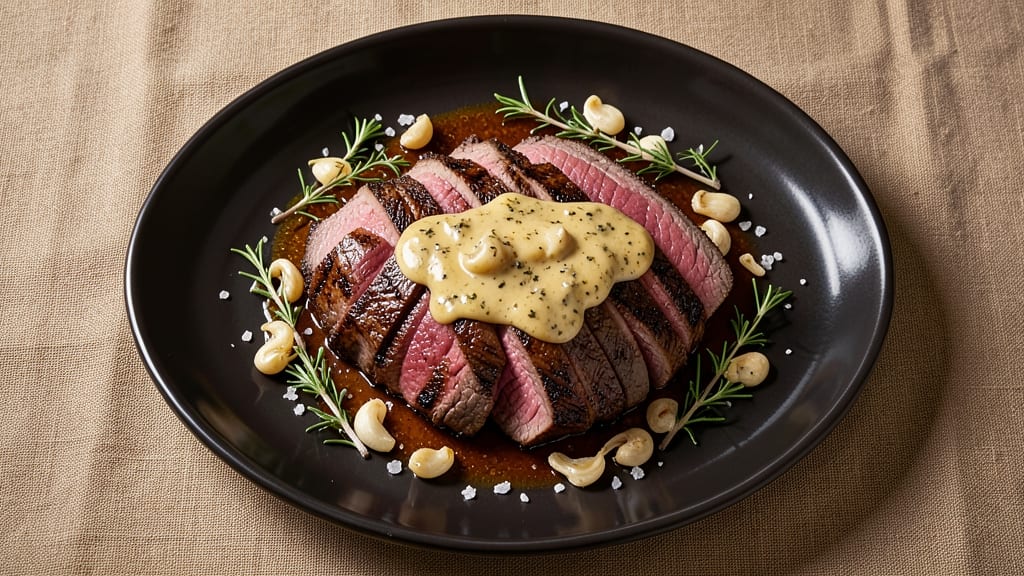
This Angus beef tenderloin recipe delivers melt-in-your-mouth perfection with a reverse-seared crust and buttery core—exactly what makes premium beef worth every penny. The secret lies in precise temperature control: starting with a low oven bake to tenderize the center, then finishing with a high-heat sear for that coveted caramelized crust.
I’ve perfected this method after years of testing, ensuring you get restaurant-quality results at home without the guesswork.
The beauty of this technique is its foolproof nature—no fancy equipment required, just patience and attention to internal temperatures. A simple brine enhances flavor while keeping the meat juicy, and the reverse-sear method guarantees a perfect medium-rare center every time.
What you’ll end up with is a tenderloin so tender it practically falls apart, with a crust that’s crispy enough to stand up to bold sauces or simple seasonings.
Pair this masterpiece with roasted garlic potatoes or a rich red wine reduction to elevate your meal further. The key is letting the beef rest after cooking—this crucial step ensures every slice stays juicy and flavorful.
Whether you’re hosting a dinner party or treating yourself to a special night in, this recipe delivers the kind of beef experience that makes it worth the investment.
Ready to cook? The instructions walk you through every step, from brining to searing, with exact temperatures and timing to ensure success. No more dry, overcooked beef—just perfect, buttery slices that showcase the natural richness of Angus beef.
Ingredients for angus beef tenderloin
Premium Angus beef plus simple pantry staples—this is all you need for showstopping tenderloin.
| Ingredient | Amount | Notes |
|---|---|---|
| Angus Beef Tenderloin 🥩 | 2 lb | Center-cut, trimmed of silver skin |
| Unsalted Butter 🧈 | ½ cup | Cold, cubed for searing |
| Kosher Salt 🧂 | 2 tbsp | Diamond Crystal preferred |
| Freshly Ground Black Pepper 🌶️ | 1 tbsp | Cracked, not powdered |
| Garlic Cloves 🧄 | 4 cloves | Smashed for brining |
| Fresh Thyme Sprigs 🌿 | 4 whole | Stems intact for brining |
| Dry White Wine 🍷 | ½ cup | Sauvignon Blanc preferred |
| Vegetable Oil 🫒 | 2 tbsp | High smoke point for sear |
| Red Wine Reduction 🍷 | ½ cup | Store-bought or homemade |
| Extra-Virgin Olive Oil 🫒 | 1 tbsp | For basting after sear |
| Fresh Rosemary 🌿 | 2 sprigs | For garnish, optional |
| Ice Water 💧 | 4 cups | For brine dilution |
The beef makes or breaks this dish. Angus tenderloin is non-negotiable—look for center-cut with visible marbling at Costco or Whole Foods. Trim the silver skin yourself for cleaner slices, but don't stress if you skip this. The 2-pound roast serves 4 generously with leftovers for sandwiches. For the wine, anything dry and crisp works—Sauvignon Blanc or Pinot Grigio both shine. Fresh thyme and rosemary? Grab them from the grocery store's produce section—they'll keep for 1 week in the fridge if wrapped properly.
No white wine? Dry vermouth or apple juice works in a pinch, though the flavor won't be identical. Fresh herbs wilt fast, so use them within 3 days of purchase. For the sear, ghee or duck fat adds incredible richness if you want to splurge. The red wine reduction can be store-bought (Bertolli or Rao's are solid), but homemade takes 15 minutes and tastes like you slaved over it. If you're prepping ahead, brine the beef overnight—it keeps in the fridge for 2 days before cooking, but the flavor depth is worth the wait.
This beef rests best at room temperature for 1 hour before cooking—don't skip this. After searing, let it rest another 15 minutes before slicing (this is non-negotiable). The leftovers reheat beautifully—20 seconds in the microwave with a splash of water keeps them juicy. Store cooked slices in vacuum-sealed bags for 4 days in the fridge or freeze for 3 months. I always make extra—tenderloin sandwiches the next day are a game-changer.
Why You'll Love This Recipe
- Two-Ingredient Magic: The butter and salt do all the heavy lifting—no fancy rubs or marinades needed. Just sear that tenderloin until golden, baste with melted butter, and let the beef’s natural richness shine. (Yes, even if you’re the kind who burns garlic.)
- Butter-Basted Bliss: That crispy crust with a melt-in-your-mouth center? The butter basting turns simple ingredients into something restaurant-worthy. The first bite is always the best—promise.
- Weeknight to Weekend: Same recipe works for a rushed Tuesday dinner or a Sunday spread. Slice it thin for sandwiches the next day, or serve it whole for a showstopping centerpiece. (Pro tip: The leftovers taste even better cold.)
- Leftovers That Don’t Suck: Unlike other fancy cuts, this tenderloin stays tender when reheated. Toss slices into salads, grain bowls, or even breakfast hash—because nothing should go to waste when it’s this good.
Step-by-step instructions for reverse-seared Angus beef tenderloin
This method guarantees a perfectly tender center with a restaurant-quality crust every time.
Prepare the Brine for Maximum Tenderness
In a large bowl, combine the 4 cups ice water, 2 tbsp kosher salt, 1 tbsp freshly ground black pepper, 4 smashed garlic cloves, and 4 whole fresh thyme sprigs. Stir until the salt fully dissolves—this ensures even distribution throughout the brine. The ice water keeps the temperature stable, which is crucial for uniform seasoning.
Submerge the 2 lb angus beef tenderloin completely in the brine, making sure it's fully covered. Cover the bowl with plastic wrap and refrigerate for 4-6 hours (or overnight for deeper flavor penetration). This step transforms the meat by breaking down muscle fibers and infusing it with aromatic flavors. Don't skip this—it's what makes the difference between good and exceptional.
Create a High-Temperature Butter Bath
Remove the tenderloin from the brine and pat it dry thoroughly with paper towels. In a large oven-safe skillet, melt the 0.5 cup unsalted butter over medium heat until it foams but doesn't brown. Add the 0.5 cup red wine reduction and let it simmer for 2-3 minutes until slightly thickened. This butter bath will create the signature crust while keeping the interior juicy.
Transfer the skillet to a 450°F preheated oven. Place the tenderloin in the skillet, spooning the butter mixture generously over the top. Bake for 15-20 minutes, rotating the skillet halfway through, until the internal temperature reaches 125°F. The butter should be bubbling and golden brown—this is your signal that the crust is forming while the center stays perfectly rare.
Sear to Perfection and Rest Properly
Remove the skillet from the oven and increase heat to medium-high. Add 2 tbsp vegetable oil and 1 tbsp extra-virgin olive oil to the skillet, then sear the tenderloin on all sides for 2-3 minutes per side until deeply browned. The high heat creates that coveted crust while the butter bath ensures it doesn't dry out. For extra flavor, baste with any remaining pan juices during searing.
Transfer the tenderloin to a cutting board and let it rest for 10-15 minutes before slicing. This resting period allows the juices to redistribute throughout the meat, ensuring each slice is moist and flavorful. Slice against the grain into ½-inch thick portions and garnish with 2 sprigs fresh rosemary for an elegant presentation. The result should be a perfectly pink center with a caramelized crust that's crispy on the outside and tender on the inside.
Pro Tips For Making Angus Beef Tenderloin
- USE A MEAT THERMOMETER: Skip guessing—Angus tenderloin hits 125°F (52°C) for medium-rare, and 130°F (54°C) for medium. I learned this the hard way after slicing into a batch that was still pink inside but overcooked on the outside. The tenderloin’s small size means it cooks fast, so pull it early.
- DRY THE MEAT WELL: Pat that tenderloin thoroughly with paper towels before searing—moisture is the enemy of a good crust. I used to rush this, and the butter would just slide off instead of sticking. Take the extra 30 seconds; your pan sauce will thank you.
- SALT IN LAYERS: Salt the tenderloin generously 40 minutes before cooking, then again right before searing. Kosher salt dissolves into the surface over time, but the final layer ensures maximum flavor when the butter melts. (Yes, even if you’re impatient like me.)
- GARLIC BUTTER HACK: Smash 3-4 garlic cloves into a paste with a pinch of salt before mixing with softened butter—it blends better and doesn’t burn. I skip this shortcut sometimes, but the flavor is noticeably richer when I don’t. (Your future self will notice.)
Wine and beer pairings for these flavors
Red Wine Pairings
The rich, buttery texture of perfectly cooked Angus beef tenderloin calls for a bold red wine that can stand up to its intensity. I always reach for a Cabernet Sauvignon from Napa Valley—its dark fruit flavors and velvety tannins complement the beef's natural richness without overpowering it.
For something slightly lighter, a Merlot from Washington State offers smoother tannins and plum notes that harmonize beautifully with the butter-basted crust. 🍷
If you prefer Old World wines, an Italian Chianti Classico brings bright acidity and cherry undertones that cut through the fat. For a budget-friendly option, look for a Malbec from Argentina—its juicy dark fruit and soft finish make it a fantastic match.
Always let the wine breathe for 10-15 minutes before serving to enhance its aromas and flavors.
White Wine Alternatives
Don't dismiss white wine just because the beef is red—some pairings work surprisingly well. A Chardonnay with noticeable oak (like one from California or Burgundy) has enough body to handle the beef's richness.
The buttery notes in the wine mirror the beef's crust, creating a delightful harmony. For something crisper, a Viognier from Rhône Valley offers floral aromas and citrus notes that balance the dish beautifully.
If you're using the Sauvignon Blanc from your brine, save a bottle to serve with dinner. Its bright acidity and herbal notes cleanse your palate between each buttery bite of tenderloin. I often pair it with a grilled asparagus side to complete the flavor profile. 🍷
Beer Pairings
For beer lovers, a Belgian Dubbel like Westmalle Trappist offers malty sweetness and caramel notes that complement the beef's crust. The beer's complexity stands up to the rich flavors without competing.
If you prefer something lighter, a German Helles Lager provides crisp, clean notes that highlight the beef's natural taste. 🍺
A Portuguese Red Blend (like those from Douro Valley) brings bold fruit flavors and smooth tannins that pair exceptionally well with the tenderloin's buttery interior. For a craft beer option, look for an American Amber Ale—its balanced malt and hop bitterness creates a perfect contrast.
Always serve beer chilled to 45-50°F for optimal flavor.
Non-Alcoholic Options
If alcohol isn't an option, don't worry—there are still excellent pairings. A sparkling apple cider with a touch of ginger adds brightness and acidity that cuts through the richness.
For something more robust, try a non-alcoholic red wine like Freixenet 0.0%—it mimics the structure of traditional reds without the alcohol. 🍏
Herbal infusions like hibiscus iced tea with lemon provide a refreshing contrast to the beef's richness. The tartness of the tea balances the buttery crust beautifully. For a savory option, serve with a chilled cucumber-mint gazpacho to cleanse your palate between bites.
Nutrition facts
Frequently asked questions
Why does this recipe use a reverse-sear method?
The reverse-sear method is key for achieving a perfect Angus beef tenderloin. Starting with a low oven bake brings the center to temperature gently, preventing overcooking while creating a buttery interior. The final high-heat sear develops that coveted caramelized crust without drying out the meat. This technique is especially important for tender cuts like tenderloin, which can easily become tough if overcooked.
How do I know when the tenderloin is done?
Use a meat thermometer for accuracy—aim for an internal temperature of 125°F for medium-rare (the perfect doneness for tenderloin). For medium, target 135°F. The crust should be deep golden brown and crispy after searing. Never rely on color alone, as Angus beef can vary in appearance even at the same temperature.
Can I cook this without a meat thermometer?
You can estimate timing, but results may vary. For medium-rare, plan for 15-20 minutes in the oven (until internal temp reaches 125°F) plus 2-3 minutes per side for searing. The beef should feel slightly springy when pressed gently with your finger. However, a thermometer ensures perfect results every time—it's worth the small investment for this premium cut.
What if I don't have red wine reduction?
No problem! Substitute with 2 tbsp balsamic vinegar or 1 tbsp soy sauce for umami depth, or simply use extra butter. The key is to create a flavorful crust—even plain butter will work in a pinch. For extra richness, add 1 tsp brown sugar to the butter before searing to help caramelization. The dish will still be delicious!
How far ahead can I prepare the beef?
You can brine the tenderloin up to 2 days ahead—just keep it refrigerated. For best results, sear and serve immediately after cooking, but you can slice and refrigerate leftovers for 4 days (reheat gently in a skillet). The beef actually tastes better the next day as flavors meld! For parties, consider cooking the day before and reheating slices in 15-second bursts in the microwave.