
Main Courses
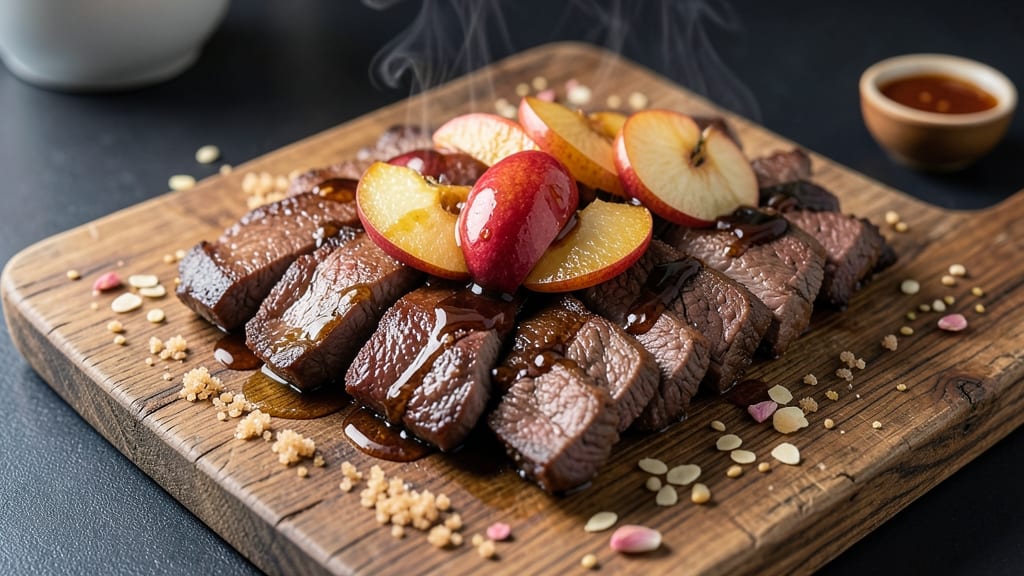
This apple beef jerky recipe transforms tough beef into chewy, sweet-spiced strips without artificial additives—perfect for snacking or gifting. 🔥 The secret lies in a balanced marinade of apple cider vinegar, brown sugar, and warm spices that tenderize while adding natural sweetness.
I’ve tested this method countless times to ensure it delivers restaurant-quality results at home, with a texture that’s satisfyingly chewy and a flavor profile that’s complex yet approachable.
The process starts with thinly sliced beef, which is marinated for at least 12 hours (overnight is ideal) to absorb the apple-infused blend of spices, garlic, and a touch of molasses.
After marinating, the beef is dehydrated at a precise 160°F for 4-6 hours, ensuring it’s fully cooked and safe to eat while maintaining that perfect chew.
The apple cider vinegar not only tenderizes the meat but also adds a subtle tang that cuts through the sweetness, creating a harmonious balance.
What you’ll end up with is a batch of homemade jerky that’s free from preservatives, with a rich, caramelized edge and a tender, juicy interior.
The sweet-spiced flavor makes it a crowd-pleaser, whether you’re packing it for hikes, using it as a protein boost in salads, or simply enjoying it as a standalone snack. Plus, the leftovers keep well in the fridge for up to 2 weeks or can be frozen for longer storage.
For those who prefer a bolder taste, you can adjust the sweetness by adding more brown sugar or molasses, or lean into the savory side with extra garlic and black pepper.
The key is patience—rushing the marinating or dehydrating process will compromise both flavor and safety. Let’s get started on making jerky that’s as good as it gets!
Ingredients for apple beef jerky
Sweet-spiced beef jerky with apple cider vinegar's tang—no artificial junk, just pure chewy goodness.
| Ingredient | Amount | Notes |
|---|---|---|
| Lean Beef Top Round Roast 🥩 | 2 lb | Thinly sliced against grain (1/4-inch thick) |
| Apple Cider Vinegar 🍏 | 1 cup | Raw, unfiltered preferred |
| Light Brown Sugar 🍚 | ½ cup | Packed for accurate measure |
| Molasses 🍯 | ¼ cup | Unsulphured for pure flavor |
| Granulated Garlic 🧄 | 2 tbsp | Or 4 fresh cloves minced |
| Ground Black Pepper 🌶️ | 1 tbsp | Freshly cracked preferred |
| Ground Cinnamon 🌿 | 1 tsp | Warm, not bitter |
| Ground Cloves 🌶️ | ½ tsp | Freshly ground for potency |
| Ground Nutmeg 🌿 | ¼ tsp | Freshly grated preferred |
| Kosher Salt 🧂 | 1 tbsp | Diamond Crystal preferred |
| Worcestershire Sauce 🍶 | 1 tbsp | Vegan version if needed |
| Liquid Smoke 🔥 | ½ tsp | Optional for smoky depth |
The beef is everything here. Top round roast is the gold standard—lean but tender when sliced properly. Look for well-marbled cuts at Costco or Whole Foods—they usually carry pre-sliced jerky beef, but if you're slicing yourself, 1/4-inch thickness is critical for even drying. Freshly ground spices make a world of difference, so skip the pre-mixed jerky seasoning. Penzeys or bulk bins at natural markets are your best bet for quality. The apple cider vinegar should be raw and unfiltered—Bragg is my go-to, but any organic brand works.
No Worcestershire sauce? Soy sauce or coconut aminos in a pinch, but add a splash of vinegar to balance. Running low on molasses? Maple syrup at half the amount gives sweetness without the same depth. The spices are non-negotiable—cinnamon and cloves give that warm, spiced apple vibe. If you're sensitive to heat, reduce the black pepper by half. Trader Joe's has great bulk spices if you want to stock up. For the liquid smoke, 1/4 tsp is plenty if you're worried about overpowering the apple flavor. And don't skip the Worcestershire—it adds that umami punch that makes this taste restaurant-quality.
Marinate the beef for at least 12 hours—overnight is ideal. Use a resealable bag or container, and turn the beef a few times to coat evenly. The marinade keeps in the fridge for 5 days, but use it fresh for best results. Dehydrate at 160°F for 4-6 hours—the jerky is done when it's no longer sticky to the touch. Store in an airtight container in the fridge for 2 weeks or freeze for 3 months. I portion mine into snack-sized bags so I can grab and go—perfect for hikes or lunchboxes.
Why You'll Love This Recipe
- No-Fuss Marinade: I swear by the apple cider vinegar and molasses combo—it tenderizes the beef and adds that sweet-tangy punch with zero fuss. Just toss the meat in a bag, let it sit overnight, and boom—flavor infused without babysitting the stove.
- Sweet-Savory Magic: That brown sugar and garlic mix? It caramelizes into a sticky, addictive crust that’s crisp on the outside but still juicy inside. (Honestly, I’ve caught myself sneaking bites straight from the pan.)
- Packable Anywhere: Slice it thin, and it’s my go-to for lunchboxes, hiking snacks, or even a quick charcuterie board. The vinegar keeps it shelf-stable for days, so I’m never scrambling for last-minute meals.
- Budget Stretch: A single roast feeds my family for weeks—either as jerky, stir-fry strips, or even crumbled into tacos. The ingredients cost pennies, but the flavor? That’s the real win.
Step-by-step instructions for homemade apple beef jerky
Here's how to transform lean beef into sweet-spiced jerky with perfect chew.
🔪 Step 1: Prep the Beef for Maximum Flavor and Texture
Start by slicing the 2 lb lean beef top round roast against the grain into ¼-inch thick strips. I use a sharp boning knife and work carefully—thin slices ensure proper drying while maintaining chewiness. You should end up with about 12-15 strips for each serving.
Pat the beef strips dry with paper towels to remove any surface moisture. This step is crucial because moisture creates steam during drying, which can lead to tough jerky. Arrange the strips on a wire rack set over a baking sheet to allow air circulation on all sides.
👨🍳 Step 2: Whisk the Sweet-Spiced Marinade
In a medium bowl, combine the 1 cup apple cider vinegar, 0.5 cup light brown sugar, 0.25 cup molasses, 2 tbsp granulated garlic, 1 tbsp ground black pepper, 1 tsp ground cinnamon, 0.5 tsp ground cloves, 0.25 tsp ground nutmeg, 1 tbsp kosher salt, 1 tbsp Worcestershire sauce, and 0.5 tsp liquid smoke. Whisk vigorously until the sugar and molasses dissolve completely—this ensures even flavor distribution.
The marinade should have a thick, syrupy consistency. I like to taste it at this stage—it should be tangy, sweet, and aromatic with warm spice notes. If the mixture seems too thick, add 1-2 tablespoons of water to loosen it slightly.
🥘 Step 3: Marinate the Beef for Deep Flavor Penetration
Pour the marinade over the beef strips in a resealable plastic bag or glass container. Seal tightly and refrigerate for at least 12 hours, though I prefer 24 hours for maximum flavor infusion. The acidity in the apple cider vinegar will begin tenderizing the beef while the spices penetrate deeply.
After marinating, remove the beef from the refrigerator and let it sit at room temperature for 30 minutes before drying. This prevents the cold meat from shocking your dehydrator or oven. The beef should be fully coated in the marinade—if any strips look dry, give them a quick toss in the reserved marinade.
🔥 Step 4: Dry the Jerky to Perfect Chewiness
Preheat your dehydrator to 160°F (or set your oven to 160°F with the door slightly ajar for proper airflow). Arrange the marinated beef strips on dehydrator trays or oven racks, ensuring they don't overlap. This spacing allows for even drying and prevents soggy jerky.
Dry the beef for 6-8 hours, checking periodically. The jerky is done when it's leather-like but still pliable—it should bend slightly but not feel rubbery. If using an oven, prop the door open with a wooden spoon to allow moisture to escape. The jerky is ready when it's deep amber in color and no longer sticky to the touch.
⏰ Step 5: Rest and Store for Maximum Shelf Life
Once fully dried, remove the jerky from the dehydrator or oven and let it cool completely on a wire rack. This cooling process helps set the texture and prevents condensation from forming in storage. The jerky should be firm to the touch but still flexible—if it cracks when bent, it needs a few more minutes of drying.
Store the finished jerky in an airtight container or vacuum-sealed bag in the refrigerator for up to 2 weeks or freeze for up to 6 months. The flavors will continue to develop over time, but it's best enjoyed within the first week when the spices are most aromatic. Each piece should have a perfect balance of sweetness, smokiness, and savory depth with a satisfying chewy texture.
Pro Tips For Making Apple Beef Jerky
- Freeze Before Slicing: I learned this the hard way—when the beef is frozen solid, it slices like butter without tearing. Just pop the roast in the freezer for 30 minutes before cutting against the grain. The jerky stays tender, not chewy, and the slices hold their shape during drying.
- Whisk the Vinegar: Don’t just dump apple cider vinegar into the marinade—whisk it with the brown sugar and molasses first. This dissolves the sugar faster and prevents clumpy streaks on your jerky. (Yes, even if you’re impatient like me.)
- Dry the Meat First: Pat the beef thoroughly with paper towels before marinating—no wet spots. I used to skip this, and the jerky would stick to the dehydrator trays or take forever to crisp up. A quick dry rub with salt first helps too.
- Low and Slow Wins: If your dehydrator runs hot (above 160°F), crack the lid or use a fan. Overheating turns jerky rubbery, and this recipe’s sweetness burns easily. Aim for 145°F—it’s slower, but the texture is perfect. (Your future self will thank you.)
Creative variations of apple beef jerky
Spiced Apple Cider Twist
Swap the apple cider vinegar for 1 cup unsweetened apple cider (not juice) and reduce the brown sugar to ¼ cup to keep the sweetness in balance. Add ½ tsp grated fresh ginger to the marinade for a zesty kick that pairs beautifully with the apple's natural tartness.
This variation works especially well if you have leftover apple cider from seasonal baking—it adds a subtle fruit-forward depth that traditional vinegar can't match. 🍏
Smoky Maple Fusion
Boost the smokiness by doubling the liquid smoke to 1 tsp and replacing the molasses with ¼ cup pure maple syrup. The maple syrup adds a richer, more complex sweetness while the extra liquid smoke deepens the charred notes.
This version tastes like it's been slow-smoked over applewood—a perfect match for fall gatherings or camping trips. 🔥
Chipotle Apple Heat
For a Southwestern-inspired twist, add 1 tbsp adobo sauce (from canned chipotles) and ½ tsp smoked paprika to the marinade. The chipotle's smoky heat cuts through the apple's sweetness while the paprika adds a warm, earthy depth.
This variation is ideal if you love a little spice with your jerky—just be sure to marinate for 24 hours to let the flavors meld perfectly. 🌶️
Honey-Cinnamon Caramelized
Replace the brown sugar with ¼ cup honey and increase the cinnamon to 2 tsp for a caramelized finish. The honey creates a glossy, slightly sticky coating during drying, which adds a delicate sweetness that caramelizes beautifully.
This version tastes like a cross between jerky and candy—perfect for those who prefer a sweeter profile. 🍯
Herb-Infused Apple
Add 1 tbsp finely chopped fresh rosemary and 1 tsp dried thyme to the marinade for an herbal twist that complements the apple beautifully. The rosemary adds a piney freshness, while the thyme brings an earthy warmth.
This variation is especially lovely if you're serving the jerky with charcuterie boards or pairing it with sharp cheeses like aged Gouda. 🌿
Sweet and Tangy Balance
For a brighter, more acidic profile, add 1 tbsp lemon juice and reduce the molasses to 2 tbsp. The lemon juice enhances the apple's natural tartness while keeping the sweetness in check. This version is lighter and more refreshing—ideal for summer snacking or as a protein boost in salads.
The tangy finish makes it a standout choice for those who prefer a cleaner flavor profile. 🍋
Nutrition facts
Frequently asked questions
Can I use a different type of vinegar instead of apple cider vinegar?
While apple cider vinegar is ideal for its tangy depth, you can substitute with white vinegar or balsamic vinegar in a pinch. For balsamic, reduce the brown sugar to ¼ cup since it's already sweet. Avoid apple juice—it lacks the acidity needed to tenderize the beef properly.
How do I know when the jerky is fully dehydrated?
The jerky is done when it's leather-like but still pliable—it should bend slightly without cracking. Test by touching: if it's no longer sticky and has a deep amber color, it's ready. Overdrying makes it tough, while underdrying risks spoilage. A meat thermometer should read 160°F internally for safety.
What’s the best way to store homemade jerky?
Keep jerky in an airtight container or vacuum-sealed bag. It lasts 2 weeks in the fridge or 6 months in the freezer. For longer fridge storage, portion into snack-sized bags to prevent freezer burn. The flavors actually improve slightly over time, but texture may dry out after 3 weeks.
Can I make this jerky without a dehydrator?
Yes! Use an oven set to 160°F with the door slightly ajar for airflow. Place strips on a wire rack over a baking sheet and dry for 6-8 hours, checking frequently. A fan oven works even better—just keep the temperature consistent. For extra crispiness, finish under a broiler for 1-2 minutes before cooling.
Why did my jerky turn out too sweet or sour?
Too sweet? Reduce the brown sugar by 2 tbsp next time. Too sour? Cut the apple cider vinegar by ¼ cup and add 1 tbsp molasses for balance. Always taste the marinade before applying—it should be tangy but not overpowering. For a smoother flavor, marinate for 24 hours instead of 12.