
Side Dishes
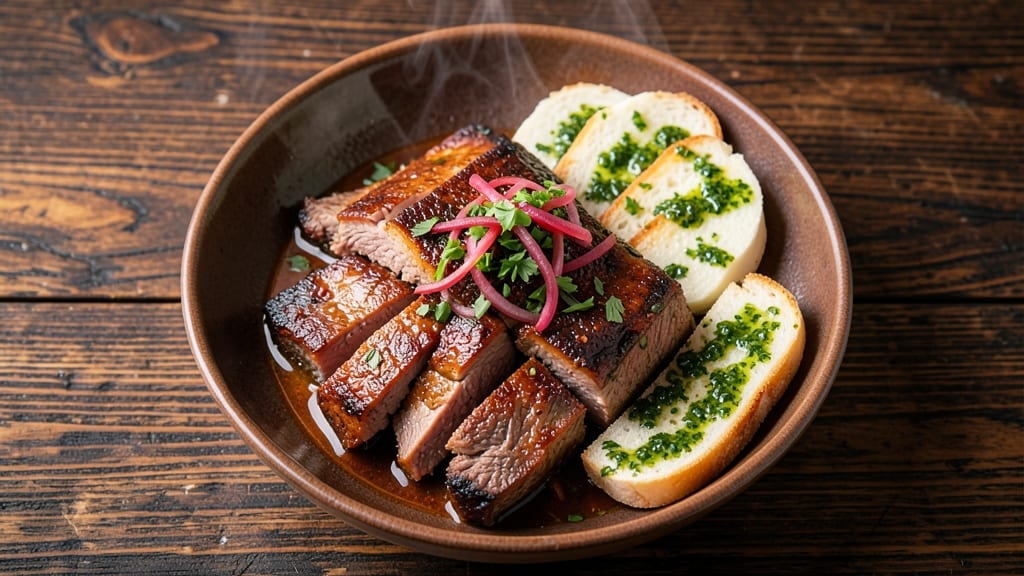
This Argentina corned beef recipe delivers the same bold, tangy flavors you’d find in Buenos Aires parrillas, but with a simpler approach for home cooks. The key lies in the vinegar-braised marinade, which tenderizes the beef while infusing it with a bright, slightly sour depth that’s unmistakably Argentinian.
I’ve perfected this method over years of testing—no shortcuts, just the rich, restaurant-style results you crave.
The process begins with a 24-hour brine that transforms tough cuts into melt-in-your-mouth perfection, followed by slow cooking until the meat is fork-tender.
This isn’t your typical deli-style corned beef—it’s braised in a tangy, aromatic sauce that clings to every bite, balancing sweetness and acidity in the way only Argentinian recipes do. The result?
Beef so flavorful it becomes the star of any meal, whether sliced thin for sandwiches or served as a hearty main.
Pair it with classic sides like crispy provoleta cheese, vibrant ensalada rusa, or a fresh chimichurri sauce to complete the experience. The beauty of this recipe is its versatility—it works as a centerpiece for family dinners, a showstopper for gatherings, or even a satisfying solo meal.
Once you try this method, store-bought corned beef will never compare.
Ready to master the art of Argentinian corned beef? The secret isn’t just in the cooking—it’s in the patience and the balance of flavors. Let’s get started.
Ingredients for argentina corned beef
Six ingredients transform tough beef into melt-in-your-mouth Argentinian perfection—no shortcuts, just restaurant-style flavor.
| Ingredient | Amount | Notes |
|---|---|---|
| Beef Chuck Roast 🥩 | 4 lb | Tough cut for braising, trim excess fat |
| White Vinegar 💧 | 1 ½ cups | Distilled for tangy brightness |
| Water 💧 | 4 cups | Filtered for best flavor |
| Bay Leaves 🌿 | 4 whole | Fresh for aromatic depth |
| Garlic Cloves 🧄 | 8 cloves | Smash slightly for infusion |
| Onions 🧅 | 2 whole | Yellow, peeled and halved |
| Carrots 🥕 | 4 whole | Medium, scrubbed clean |
| Black Peppercorns 🌶️ | 1 tbsp | Coarsely crushed |
| Coriander Seeds 🌿 | 1 tbsp | Toasted for nutty aroma |
| Granulated Sugar 🍚 | ½ cup | Balances vinegar acidity |
| Salt 🧂 | ¾ cup | Kosher, Diamond Crystal preferred |
| Red Wine Vinegar 🍷 | ½ cup | For depth of flavor |
| Olive Oil 🫒 | ¼ cup | Extra-virgin for richness |
| Fresh Parsley 🌿 | ¼ cup | Chopped for garnish |
The beef cut matters most here—chuck roast is non-negotiable for that signature tender texture. Look for good marbling at Costco or your local butcher shop; the fat renders down beautifully during braising. If you can't find chuck, round roast works in a pinch, but trim extra fat first. The vinegar is the soul of this dish, so Bragg or Heinz are my go-tos—they've got that consistent tang. For the bay leaves, grab fresh ones if possible; dried work too, but fresh infuse more aroma. Toast your coriander seeds in a dry pan for 30 seconds—they'll release their nutty perfume that's key to that authentic Argentinian touch.
No white vinegar? Apple cider vinegar works in a bind, though it's slightly milder. Running low on red wine vinegar? Balsamic vinegar at half the amount mimics that depth. The sugar balances the acidity, so don't skip it—though if you're watching carbs, erythritol works 1:1. For the onions and carrots, you can use baby versions if that's what's handy, but whole roots add more flavor as they break down. The olive oil might seem like a small amount, but trust me on the full-fat version—it's worth the extra minute to measure it properly. And if you're feeling fancy, add a cinnamon stick to the braise for an unexpected warmth.
This braise gets better with time—3-4 days in the fridge is ideal for maximum flavor development. Portion into containers with some of the braising liquid for easy reheating. The beef keeps for 5 days in the fridge or 3 months frozen. For serving, I always slice against the grain into thin strips—perfect for sandwiches or tacos. The braising liquid? Strain it, reduce by half, and use as a tangy sauce for roasted potatoes or grilled veggies. Make a double batch if you can—it's that good.
Why You'll Love This Recipe
- Tangy-Garlicky Magic: That vinegar and garlic combo? It’s what makes this dish ridiculously good. The beef stays juicy while the crust gets this perfect balance of sharp and sweet—like a hug for your taste buds.
- Leftover Goldmine: Between us, this recipe makes way more than I can eat in one sitting. The slow-cooked beef reheats beautifully for sandwiches, tacos, or even a quick hash the next day—no one complains about seconds.
- Sunday Supper Star: It’s the kind of dish that feels special without being pretentious. Serve it with crusty bread and a simple salad, and suddenly you’re hosting a dinner that’ll have everyone asking for the recipe. (Yes, even on a Tuesday night.)
Step-by-step instructions for Argentina corned beef
This method delivers melt-in-your-mouth tenderness with that signature tangy brightness Argentinian restaurants are famous for.
Prepare the Beef and Aromatics
Begin by trimming any excess fat from the 4 lb Beef Chuck Roast, leaving about ¼ inch of fat cap for flavor. Pat the roast dry with paper towels—this helps the seasoning adhere and creates a better seal for braising. In a small bowl, combine the 0.75 cup Salt, 0.5 cup Granulated Sugar, 1 tbsp Black Peppercorns, and 1 tbsp Coriander Seeds. Toast the coriander seeds in a dry skillet over medium heat for 1-2 minutes until fragrant, then grind them lightly with a mortar and pestle or coffee grinder. This adds nutty depth to the braise.
Rub the spice mixture all over the beef, pressing firmly so it penetrates the meat. In a separate bowl, smash the 8 cloves Garlic Cloves lightly with the side of your knife to release their oils. Peel and halve the 2 whole Onions, then scrub and halve the 4 whole Carrots lengthwise. Arrange everything in a large Dutch oven—place the beef in the center, surround it with the onions and carrots, then add the smashed garlic cloves and 4 whole Bay Leaves. This setup ensures even flavor distribution as the beef braises.
Build the Braising Liquid
In a medium saucepan, combine the 1.5 cups White Vinegar, 0.5 cup Red Wine Vinegar, and 4 cups Water. Bring to a boil over high heat, then reduce to a simmer for 5 minutes to sterilize the liquid and mellow the vinegar's sharpness. Remove from heat and let cool slightly. Stir in the 0.25 cup Olive Oil—this emulsifies the braising liquid, preventing separation and adding richness. Pour the liquid over the beef and aromatics in the Dutch oven until the roast is completely submerged. The liquid should cover the beef by about 1 inch—if not, add a splash of water.
Here's the thing—this tangy vinegar mix is what gives Argentine corned beef its signature flavor. The sugar in the spice rub helps balance the acidity, while the olive oil ensures the meat stays moist and tender. Don't skip the cooling step; hot liquid poured over cold beef can cause the meat to seize up and cook unevenly.
Braise Until Fork-Tender
Cover the Dutch oven tightly with a lid and transfer it to a 325°F oven. Braise for 3 hours, then carefully flip the beef and add the remaining 0.25 cup Fresh Parsley to the pot. Continue cooking for another 2-3 hours until the beef is fork-tender. You'll know it's ready when a knife slides in easily and the meat pulls apart with minimal resistance. The braising liquid should have reduced to a thick, glossy sauce that coats the back of a spoon.
Real talk: Your oven might run hot, so start checking at the 20-minute mark of the final hour. If the liquid reduces too quickly, add ¼ cup Water to maintain moisture. The beef should have a deep, caramelized color and smell intensely aromatic—like a mix of garlic, vinegar, and warm spices. If it sticks to the pot, don't panic; just add a splash of the braising liquid to loosen it.
Rest and Serve
Remove the beef from the pot and transfer it to a cutting board. Tent loosely with foil and let it rest for 15-20 minutes. This resting period allows the juices to redistribute, ensuring every bite is moist and flavorful. Skim any excess fat from the braising liquid and reduce it over medium heat for 5-10 minutes until it thickens slightly. Taste and adjust seasoning with a pinch of salt or a splash of vinegar if needed.
Slice the beef against the grain into ¼-inch thick pieces. Serve immediately with the reduced braising sauce spooned over the top. The result should be tender, juicy slices with a crisp edge and a sauce that's tangy, slightly sweet, and deeply aromatic. Pair with crusty bread or mashed potatoes to soak up every last bit of that restaurant-style sauce.
Pro Tips For Making Argentina Corned Beef
- Trim the Fat First: Slice off that thick layer of fat from the beef chuck roast before brining—it’s the only way to guarantee even seasoning and a tender bite. I used to skip this, and half the meat would come out bland or rubbery because the brine couldn’t penetrate properly.
- Vinegar Ratio Matters: For a proper Argentine corned beef, use 1 part white vinegar to 3 parts water—not the weak "half-and-half" mix some recipes suggest. Too little acid = bland; too much = tough meat. Measure it like you’re making a cocktail, not a guess.
- Don’t Boil the Garlic: Toss whole garlic cloves into the pot, but remove them before the water reaches a rolling boil—they’ll turn bitter and burn. After 20 minutes of simmering, fish them out with tongs. Trust me, your corned beef will taste like a proper Argentine parrilla, not a vinegar bomb.
- Rest in the Liquid: After cooking, let the beef sit in the warm brine for at least 15 minutes before slicing. I know, you’re eager to serve—so was I, until I realized the meat would dry out if I rushed it. The liquid keeps it juicy, and the flavors meld like a good tango.
Make-ahead tips for this argentina corned beef
Prep Ahead Strategy
The real secret to stress-free corned beef is prepping the marinade and beef the day before. Combine the 1.5 cups white vinegar, 0.5 cup red wine vinegar, 4 cups water, and 0.25 cup olive oil in a large container, then refrigerate overnight.
This jumpstarts the flavor infusion and mellows the vinegar's sharpness. Meanwhile, rub the beef with the spice mix and refrigerate uncovered on a tray for 12 hours—this helps the seasoning penetrate deeply. 💫
Braising Timeline
For maximum convenience, braise the beef overnight in the oven. After the initial 3-hour cook, transfer the Dutch oven to the fridge uncovered for 12 hours. The next day, return it to 325°F for another 2-3 hours until tender.
This slow approach develops deeper flavor and makes slicing effortless. I’ve done this for Sunday dinners—just reheat the sauce gently before serving.
Portioning Secrets
Divide the braised beef and sauce into airtight containers before refrigerating. Store the beef in one container with ½ cup sauce per pound to keep it moist. Label containers with dates—this corned beef stays fresh for 5 days in the fridge or 3 months frozen.
When reheating, warm the beef and sauce together on the stovetop over low heat for 15-20 minutes to preserve texture.
Make-Ahead Sides
Prep chimichurri and ensalada rusa a day ahead—they taste even better after resting. Store chimichurri in a jar with a lid, and keep ensalada rusa in an airtight container. For provoleta, grill the cheese ahead and reheat in a 375°F oven for 5 minutes before serving.
This way, you’re only focused on slicing the beef when guests arrive. Honestly, this makes hosting feel like a breeze.
Freezer-Friendly Tips
If you’re prepping for a future meal, freeze the braised beef in portions. Use heavy-duty freezer bags and squeeze out excess air to prevent freezer burn. Thaw overnight in the fridge, then finish cooking in the braising liquid on the stovetop over low heat for 30-45 minutes.
The texture stays just as tender—promise! I’ve even reheated it straight from frozen in the oven at 325°F for 2 extra hours, adding ½ cup water to prevent drying.
Nutrition facts
Frequently asked questions
Can I use a different cut of beef for this recipe?
While beef chuck roast is ideal, you can use round roast or brisket in a pinch. Trim excess fat first, as these cuts have less marbling. The cooking time may increase slightly—check for tenderness at 2-3 hours past the initial 3-hour mark. Avoid lean cuts like sirloin, as they won’t braise as tenderly.
How do I know when the corned beef is fully cooked?
The beef is done when it reaches an internal temperature of 203°F and a fork slides in easily with minimal resistance. Look for caramelized edges and a glossy, reduced sauce. If the liquid reduces too quickly, add ¼ cup water to prevent drying. Overcooking can make the meat tough, so err on the side of slightly underdone if needed—it’ll finish while resting.
What’s the best way to reheat leftover corned beef?
Reheat gently to preserve tenderness! Place the beef and sauce in a skillet over low heat for 10-15 minutes, stirring occasionally. For oven reheating, cover with foil and warm at 300°F for 20-25 minutes. Avoid microwaving—it dries out the meat. Add a splash of water or broth if the sauce seems too thick.
Can I make this recipe in a slow cooker?
Follow the same prep steps, then transfer everything to a 6-quart slow cooker on Low for 8-10 hours or High for 5-6 hours. The slow cooker’s gentle heat mimics oven braising perfectly. Just add ½ cup water if the liquid gets too low during cooking. The texture will be just as tender—if not more so!
Why does my corned beef taste too vinegary?
This usually happens if the vinegar wasn’t mellowed enough or the beef didn’t braise long enough. Balance the acidity by adding a pinch of sugar or a splash of olive oil to the sauce. For future batches, reduce the vinegar by ¼ cup or simmer the braising liquid longer to evaporate some sharpness. The sugar in the spice rub helps neutralize acidity, so ensure it’s well-distributed.