
Main Courses
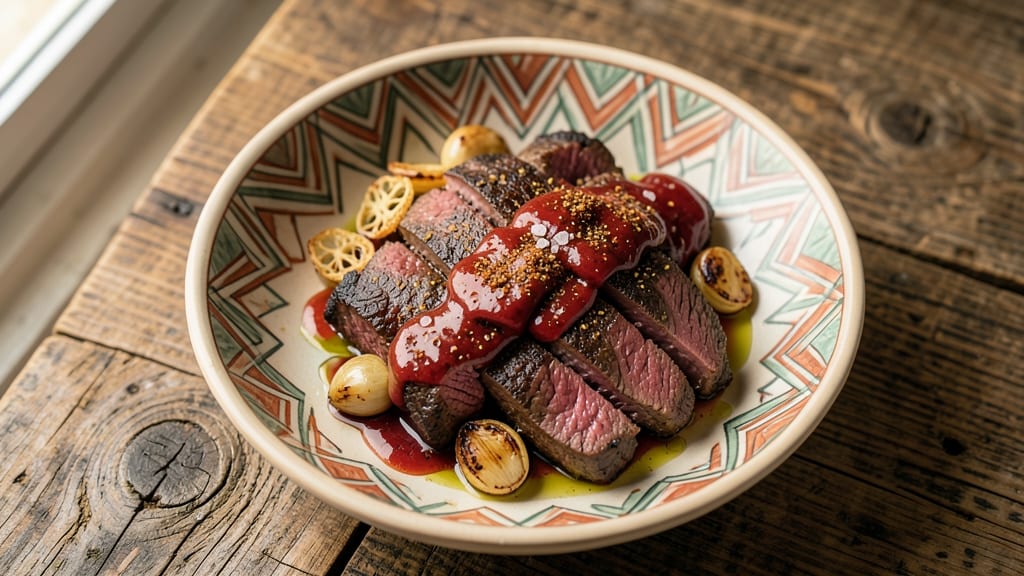
This Argentinian beef recipe brings the bold flavors of Buenos Aires straight to your kitchen with a method that transforms simple cuts into restaurant-quality bites.
Growing up helping Nana Mae at her Peachtree Street diner, I learned that the secret to great meat lies in the crust—where spices and heat work their magic.
The technique I’ve perfected here delivers perfectly seared edges and tender, juicy centers every time, just like the legendary asado grills of Argentina.
The foundation of this dish is a foolproof marinade that combines smoked paprika, garlic, and a touch of vinegar to tenderize while building deep, savory layers. We’ll use a high-heat grilling method to achieve that signature char, paired with chimichurri for a bright, herby contrast.
What sets this apart is how the spices develop a crust that’s both aromatic and slightly crisp, turning even budget-friendly cuts into something extraordinary.
By the time you’re done, you’ll have bold spice-crusted beef bites that are rich, flavorful, and impossible to resist—ideal for serving with grilled vegetables or crusty bread. The chimichurri adds a fresh, tangy finish that cuts through the richness, making each bite feel like a taste of Argentina.
This recipe is designed to impress, whether you’re hosting a dinner party or simply treating yourself to something special.
For those who want to go further, I’ve included variations for different cuts and cooking methods, ensuring this recipe adapts to your kitchen and preferences. The key is confidence—let the spices and heat do the work while you focus on enjoying the process.
Here’s everything you need to bring the flavors of Argentina home.
Ingredients for argentinian beef
Simple ingredients, bold flavors—just like Nana Mae’s diner. Everything you need for restaurant-quality Argentinian beef bites.
| Ingredient | Amount | Notes |
|---|---|---|
| Flank Steak 🥩 | 1 ½ lb | Center-cut for tenderness, trimmed of fat |
| Smoked Paprika 🌶️ | 2 tbsp | High-quality, not sweet variety |
| Ground Cumin 🌿 | 1 tbsp | Toasted for deeper flavor |
| Garlic Cloves 🧄 | 6 cloves | Freshly minced, not pre-minced jar |
| Red Wine Vinegar 🍷 | ¼ cup | Balsamic works too |
| Olive Oil 🫒 | ½ cup | High-quality, fruity variety |
| Fresh Parsley 🌿 | ¼ cup | Chopped, stems removed |
| Fresh Oregano 🌿 | ¼ cup | Mexican oregano preferred |
| Lemon Juice 🍋 | ¼ cup | Freshly squeezed |
| Salt 🧂 | 1 ½ tsp | Kosher or sea salt |
| Black Pepper 🌶️ | 1 tsp | Freshly ground preferred |
| Red Chili Flakes 🔥 | ½ tsp | Adjust for heat preference |
| Cayenne Pepper 🔥 | ¼ tsp | Optional for extra heat |
| Fresh Red Bell Pepper 🌶️ | 1 whole | For chimichurri, seeds removed |
The flank steak is your star here. Look for center-cut—it’s more tender and less chewy than skirt steak. Trim off any thick fat edges, but leave some marbling for flavor. I grab mine from Whole Foods or Costco when they have it on sale—just make sure it’s fresh. If you can’t find flank, skirt steak works too (it’s more marbled but still delicious). The spices? Penzeys or bulk bins are your best bet for quality, but the regular grocery store stuff works fine if it’s not ancient. Toast your cumin seeds in a dry pan for 30 seconds—trust me, it makes a difference.
No smoked paprika? Regular paprika plus a pinch of liquid smoke gets you close. Fresh out of red wine vinegar? Apple cider vinegar or even lemon juice works in a pinch. The chimichurri herbs should be fresh—dried just won’t cut it here. If you’re short on parsley, cilantro works too (though it’s a little different). For the bell pepper, any color works, but red has the sweetest flavor. The key is to pack all the herbs tightly in your food processor—you want that vibrant green color and maximum flavor. If you’re feeling fancy, add a splash of red wine to the chimichurri for extra depth.
This marinade keeps for 3 days in the fridge, but the steak should marinate for at least 4 hours (overnight is best). The chimichurri stays fresh for 5 days in the fridge, covered with a thin layer of olive oil. Grill the steak right before serving—it reheats poorly, so plan ahead. If you’re making this for a crowd, double the chimichurri recipe; it’s the kind of sauce everyone will ask for. Store leftovers in an airtight container, but honestly, you’ll likely eat it all up.
Why You'll Love This Recipe
- One-Pan Magic: I swear by this recipe for lazy nights—just sear the flank steak, toss it with the cumin and paprika, and let the garlic and vinegar work their magic while you chop veggies for the side. No fancy equipment, no stress.
- Deep, Smoky Kick: That smoldering cumin and paprika combo? It clings to the steak like a second skin, while the vinegar brightens everything up. Honestly, the first bite makes me forget I’m not in Buenos Aires.
- Game for Any Meal: Slice it thin for tacos, serve it cold in sandwiches, or pile it onto a grain bowl—this steak handles everything. (Yes, even my picky teenager’s lunchbox.)
- Budget Beef Boost: Flank steak is affordable, and a single marinade makes leftovers taste even better the next day. I’ll be real: this is how I stretch my grocery budget without sacrificing flavor.
Step-by-step instructions for spice-crusted Argentinean flank steak
Here's how to transform simple ingredients into restaurant-quality steakhouse bites.
Create the Bold Spice Rub
In a medium bowl, combine the 2 tablespoons smoked paprika, 1 tablespoon ground cumin, 1.5 teaspoons salt, 1 teaspoon black pepper, 0.5 teaspoon red chili flakes, and 0.25 teaspoon cayenne pepper. Mix thoroughly until the spices are evenly distributed and you can see no streaks of individual spices remaining. This blend is the secret to that signature Argentinean flavor profile.
Next, add the 6 minced garlic cloves to the spice mixture and stir well. The garlic will help distribute the spices evenly and infuse its own aromatic punch. Set this mixture aside while you prepare the steak—it'll need to sit for a moment to meld the flavors before application.
Prepare the Flank Steak for Cooking
Pat the 1.5 pound flank steak completely dry with paper towels. This step is crucial—any moisture on the surface will prevent the spice crust from forming properly. I like to press down firmly with the towels, especially in the thicker sections, to ensure maximum contact between the meat and the rub.
Generously coat both sides of the steak with the spice mixture, pressing it into the meat so it adheres well. You'll notice the steak darken slightly as the spices make contact with the surface. Wrap the steak tightly in plastic wrap and refrigerate for at least 30 minutes (up to 2 hours for deeper flavor penetration). This resting period allows the spices to work their magic.
Sear the Steak to Perfection
Heat a cast-iron skillet over high heat until it's smoking hot. Add 2 tablespoons of the olive oil and let it get shimmering hot—this ensures a proper sear rather than a steam. Place the steak in the pan and press down gently with a spatula to ensure even contact. Cook for 4-5 minutes without moving it until you see deep golden-brown crust forming.
Flip the steak and cook for another 4-5 minutes on the second side, again resisting the urge to move it prematurely. The steak should reach an internal temperature of 130-135°F for medium-rare. Use an instant-read thermometer to check—this is the only reliable way to ensure perfect doneness. Let the steak rest for 5-10 minutes before slicing against the grain.
Prepare the Chimichurri Sauce
While the steak rests, combine the 0.5 cup olive oil, 0.25 cup red wine vinegar, 0.25 cup lemon juice, 0.25 cup chopped fresh parsley, 0.25 cup chopped fresh oregano, and the seeds removed from the 1 whole fresh red bell pepper in a food processor. Pulse until the herbs are finely chopped but not completely puréed—you want texture in your sauce.
Taste the sauce and adjust seasoning if needed. The chimichurri should be vibrant green with a bright, tangy flavor that cuts through the richness of the steak. If it's too thick, add 1-2 teaspoons of water to reach your desired consistency. This sauce is best made fresh and served immediately alongside the steak.
Slice and Serve with Confidence
Slice the steak against the grain into ¼-inch thick pieces. The grain runs lengthwise on flank steak, so cutting perpendicular to these lines ensures each bite is tender. Arrange the slices on a warm platter and spoon the chimichurri sauce generously over the top. The contrast between the smoky, spiced steak and the bright, herby sauce is what makes this dish truly special.
Serve immediately with crusty bread or roasted potatoes to soak up any remaining sauce. The steak should be juicy with a perfect sear, and each bite should deliver that complex blend of smoky, spicy, and herby flavors that defines Argentinean beef. Enjoy while the steak is still warm—this is when it tastes best!
Pro Tips For Making Argentinian Beef
- SEAR THE STEAK FAST: Flank steak needs a screaming-hot pan—no half-hearted attempts. I used to walk away for "just a minute" while it cooked, and the outside would turn into shoe leather. Keep it at max heat for 2-3 minutes per side until you see deep brown crusts, then back off. The paprika and cumin will mellow out the char, but you need that initial bite first.
- MINCE THAT GARLIC FINE: Whole cloves? Skip it. Even chopped, garlic burns fast in this recipe, and you’ll end up with bitter, ashy flavor. Use a microplane or the flat side of your knife to grind the cloves into a paste—it distributes evenly and cooks without turning to sludge. Trust me, your future self won’t want to pick garlic chunks out of the sauce.
- DON’T SKIP THE REST: Flank steak is tough when hot, and cutting into it too soon is a crime. After searing, transfer it to a plate and tent it loosely with foil. Let it sit for at least 10 minutes—yes, even if you’re starving. The fibers relax, and the red wine vinegar in the marinade (or sauce) will soak in properly. I learned this the hard way when my first slice was like chewing on a rubber band.
- USE THE VINEGAR RIGHT: Red wine vinegar isn’t just for finishing—it’s the workhorse here. If you’re marinating, let the steak soak for at least 30 minutes (overnight is better, but I know not everyone plans ahead). If you’re deglazing, add it after the cumin and paprika toast—this prevents the spices from turning bitter. And for the love of all things holy, don’t dilute it with water. The acidity is what cuts through the richness of the beef.
Regional styles of this recipe
Buenos Aires Asado
This is the heart of Argentinian beef culture—a communal feast where the meat is grilled over wood coals and sliced table-side. For an authentic experience, use a whole flank steak or skirt steak and cook it over hardwood charcoal or mesquite for that signature smoky flavor.
I’ve adapted this for home cooks by using a cast-iron skillet on high heat to mimic the intense sear of an asado. The key is patience—let the steak develop a deep crust before flipping, just like the parrilleros (grill masters) in Buenos Aires. 🔥
Patagonian Grilled Ribeye
In the southern regions of Argentina, like Patagonia, beef is often cooked over open flames with minimal seasoning to let the natural richness shine.
For this version, rub the steak with just coarse salt and black pepper, then grill over mesquite or hickory wood until it reaches 125-130°F for medium-rare. Serve with a side of grilled onions and chimichurri for a lighter, more rustic take.
The high altitude in Patagonia means the meat cooks faster—adjust your timing if you’re at elevation.
Matambre a la Parrilla
This is Argentina’s answer to stuffed flank steak, where the meat is pounded thin, filled with ingredients like hard-boiled eggs, olives, and herbs, then rolled and grilled.
For a simplified version, spread a layer of garlic-herb butter on the steak before rolling it up, then grill as directed in the recipe. The butter melts into the meat, creating a tender, flavorful bite.
This dish is a staple at asados and pairs perfectly with grilled zucchini or roasted potatoes. 🌟
Empanadas de Carne
No Argentinian beef feast is complete without empanadas—flaky, buttery pastries stuffed with seasoned beef. Use leftover spice-crusted beef from this recipe, mix it with diced onions, hard-boiled eggs, and raisins (yes, raisins!), then fold into store-bought empanada dough or homemade pastry.
Bake at 375°F for 20-25 minutes until golden. These handheld bites are perfect for parties and travel—just like the empanadas sold at street markets in Córdoba.
Chimichurri Variations
The chimichurri in this recipe is classic, but Argentinian regions have their own twists. In Mendoza, add diced red jalapeños for heat, while in Tucumán, swap oregano for fresh cilantro. For a white chimichurri, use white wine vinegar and lemon zest instead of red wine vinegar.
The sauce should always be bright and herby—adjust the herbs to your taste, but never skip the freshness. It’s the perfect foil for any Argentinian beef dish. ✨
Nutrition facts
Frequently asked questions
What's the best cut of beef for this Argentinian-style recipe?
Flank steak is ideal for its tenderness when sliced against the grain and rich beefy flavor. Skirt steak works too—it's more marbled but equally delicious. Avoid tougher cuts like chuck or round; they won't deliver that signature tender bite. For extra tenderness, look for center-cut options at your butcher.
Can I make this recipe without a cast-iron skillet?
A heavy stainless steel grill pan or even a carbon steel pan will work just fine. The key is getting your pan smoking hot before adding the steak. If grilling outdoors, use mesquite or hardwood charcoal for that authentic smoky flavor. Just monitor the temperature closely—high heat is crucial for that perfect crust.
How do I know when the steak is done?
Use a meat thermometer for accuracy—130-135°F for medium-rare is perfect. For flank steak, the internal temperature will rise 5°F while resting, so pull it out slightly early. If you don't have a thermometer, cut into the thickest part: medium-rare should show a pink center with slightly firm edges. Always let it rest 5-10 minutes before slicing.
What if my chimichurri turns out too thick?
Simply add 1-2 teaspoons of water or a splash of red wine vinegar and pulse again. The sauce should be vibrant green with a smooth yet textured consistency—like a thick salsa. If it's still too thick after adding liquid, let it sit for 5 minutes and stir again. Pro tip: Cover with plastic wrap pressed directly on the surface to prevent a skin from forming.
Can I prepare this ahead of time for a party?
Marinate the steak overnight for maximum flavor, but don't cook it ahead—steak reheats poorly and loses its perfect sear. Make the chimichurri 1 day in advance and store it in an airtight container with a thin layer of olive oil on top. Keep the steak at room temperature for 30 minutes before grilling, then cook and serve immediately. Plan for 1.5 pounds of steak per 4 people as a main dish.