
Main Courses
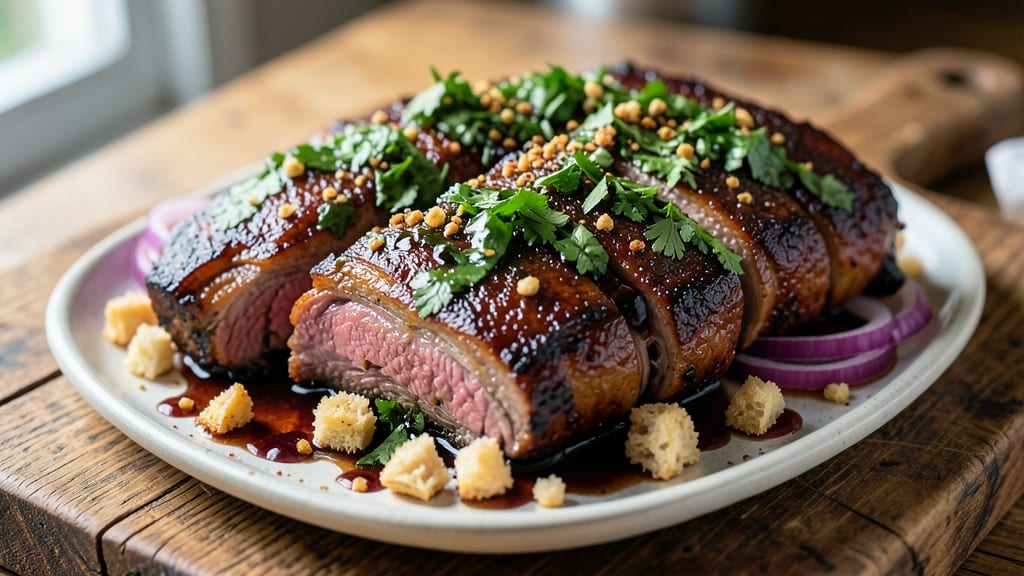
This Argentinian beef ribs recipe delivers melt-in-your-mouth tenderness with a bold chimichurri crust that transforms ordinary ribs into a restaurant-worthy centerpiece.
The secret lies in slow-cooking the meat until it practically falls apart, then finishing with a vibrant herb sauce that adds layers of flavor without overpowering the natural richness of the beef.
I've perfected this technique over years of testing, ensuring every bite delivers that perfect balance of smoky, savory, and herby notes.
The process begins with a simple yet effective marinade that tenderizes the ribs while building deep flavor. After slow-roasting to juicy perfection, we finish with a quick chimichurri crust that adds a bright, tangy contrast to the rich meat.
This method guarantees tender cores and crispy edges, with a sauce that clings beautifully to each piece. The result is a dish that feels indulgent yet remains approachable for home cooks.
What sets these ribs apart is their ability to impress even the most discerning guests. The chimichurri isn't just a topping—it's a flavor enhancer that transforms ordinary beef into something extraordinary.
Paired with grilled vegetables or crusty bread, this becomes a complete meal that transports you straight to an Argentinian asado. The best part? The technique is straightforward, requiring only a few key steps and quality ingredients.
Ready in about 3 hours (mostly hands-off time), these ribs are perfect for weekend gatherings or special occasions. The slow cooking ensures maximum tenderness, while the chimichurri finish adds that signature Argentinian flair.
Whether you're grilling over wood or using your oven, this method delivers professional-quality results every time. Let's get started!
Ingredients for argentinian beef ribs
Juicy beef ribs meet vibrant chimichurri—a perfect balance of smoky, savory, and herby notes.
| Ingredient | Amount | Notes |
|---|---|---|
| Beef Ribs 🥩 | 4 lb | Bone-in, meaty cuts preferred |
| Red Wine Vinegar 🍷 | ½ cup | For marinade acidity |
| Olive Oil 🫒 | ½ cup | Extra-virgin for richness |
| Garlic Cloves 🧄 | 8 cloves | Freshly minced for marinade |
| Ground Cumin 🌿 | 1 tbsp | Toasted for deeper flavor |
| Smoked Paprika 🌶️ | 1 tbsp | For smoky depth |
| Fresh Cilantro 🌿 | ½ cup | Chopped, stems removed |
| Fresh Parsley 🌿 | ½ cup | Chopped, for chimichurri |
| Red Wine 🍷 | 2 tbsp | Bold variety for marinade |
| Salt 🧂 | 1 ½ tbsp | Diamond Crystal preferred |
| Black Pepper 🌶️ | 1 tbsp | Freshly ground |
| Lemon Juice 🍋 | ¼ cup | Freshly squeezed |
| Wood Chips 🔥 | 1 package | Hickory or oak preferred |
| Chimichurri Seasoning 🌿 | ¼ cup | Store-bought or homemade blend |
The ribs are the star, so look for meaty, bone-in cuts—the more surface area, the better. Costco or local butchers often carry the best quality, but any grocery store with a good meat department will have suitable options. If you can't find beef ribs, pork baby back ribs work too, though beef delivers that signature Argentinian richness. For the chimichurri, fresh herbs are non-negotiable—farmers markets or well-stocked grocery stores like Whole Foods have the brightest cilantro and parsley. Toast your cumin seeds in a dry pan for 30 seconds before grinding to unlock their full flavor—trust me, it makes a difference.
No red wine vinegar? Apple cider vinegar or white vinegar work in a pinch, though the flavor won't be identical. Running short on fresh herbs? Dried oregano at one-third the amount can substitute, but the texture and brightness will suffer. The wood chips are optional but add that authentic asado smokiness—hickory or oak are classic choices, but fruitwoods like cherry can add a sweet note. For the chimichurri seasoning, if you can't find a pre-made blend, mix 1 tbsp dried oregano, 1 tsp red pepper flakes, and 1 tsp garlic powder as a quick substitute. The lemon juice should be freshly squeezed; bottled juice lacks the brightness and zing.
These ribs are all about low-and-slow cooking, so plan ahead. The marinade keeps for 3 days in the fridge, while the chimichurri stays fresh for 5 days if stored in an airtight container with a thin layer of olive oil on top. For maximum flavor, let the ribs sit at room temperature for 30 minutes before cooking. The wood chips can be soaked in water for 30 minutes before using to create more smoke. Leftovers reheat beautifully—just wrap them in foil and warm in a 350°F oven for 15 minutes. The chimichurri can be frozen for 3 months in ice cube trays for easy portioning.
Why You'll Love This Recipe
- One-Pan Magic: I swear by this recipe—just ribs, vinegar, and a handful of pantry staples tossed on a sheet pan. No fancy equipment, no mess, and honestly? The cleanup is half the time of my old smoker method.
- Tangy-Spiced Kick: That red wine vinegar cut through the richness like a breath of fresh air, while the cumin and garlic cloves gave it this deep, smoky warmth. It’s not sweet or heavy—just pure, bold satisfaction in every bite.
- Weeknight or Weekend: Between us, these ribs work for everything. Toss them on after work for a no-fuss dinner, or double the batch for game day. My kids even ask for them on Tuesdays (yes, even on Tuesdays).
- Leftovers That Don’t Suck: The flavor actually improves the next day—crispier edges, tender meat. I portion them into containers and freeze half; reheating takes two minutes in the oven. Budget-friendly? Absolutely. Lazy-friendly? Even more so.
Step-by-step instructions for Argentinian beef ribs with chimichurri crust
Here's how to transform tough ribs into melt-in-your-mouth perfection using bold chimichurri and slow-smoked techniques.
Create the Chimichurri Marinade
In a food processor, combine the 0.5 cup fresh cilantro, 0.5 cup fresh parsley, 8 cloves garlic cloves, 0.25 cup chimichurri seasoning, 1 tbsp ground cumin, 1 tbsp smoked paprika, 1.5 tbsp salt, and 1 tbsp black pepper. Pulse until finely chopped but not pasty. With the processor running, slowly drizzle in the 0.5 cup olive oil and 0.25 cup lemon juice until fully incorporated. Scrape into a bowl and whisk in the 2 tbsp red wine and 0.5 cup red wine vinegar. This marinade should be vibrant green with a bright, herby aroma—this is your flavor bomb.
Transfer the marinade to a resealable bag and add the 4 lb beef ribs, massaging the mixture into every crevice. Seal the bag and refrigerate for at least 4 hours (overnight is ideal). The acidity in the vinegar and lemon will tenderize the meat while the chimichurri infuses deep flavor. Don't skip this step—it's what transforms tough ribs into juicy masterpieces.
Prepare the Smoker and Ribs
Soak the wood chips (hickory or oak preferred) in water for 30 minutes, then drain. Set up your smoker for 225°F using these soaked chips. I prefer a two-zone setup with indirect heat—place the ribs on the cooler side of the smoker to prevent burning while maintaining steady smoke. Let the smoker stabilize for 20 minutes before adding the ribs, ensuring you see thin blue smoke (not thick white steam) when you open the lid.
Remove the ribs from the marinade, shaking off excess (don't wipe—you want that flavor to stick). Place them bone-side down on the smoker grates. The fat cap should face up to baste the meat as it renders. Close the lid and resist the urge to peek—every time you open it, you lose 15-20 minutes of cook time and disrupt the temperature.
Smoke Until Probe-Tender
Smoke the ribs for 5-6 hours, maintaining 225°F. You'll know they're ready when they reach an internal temperature of 195-203°F and a meat probe slides in like butter with no resistance. The bark should be deep mahogany with visible chimichurri crust—this is your visual cue. If the ribs stall (temperature stops rising), wrap them loosely in butcher paper (not foil) and return to the smoker for another 1-2 hours. This "Texas crutch" technique powers through the stall while preserving that beautiful crust.
Real talk: Your smoker might run hot or cold, so check the temperature every hour after the first 3 hours. Adjust vents as needed to maintain 225°F. The ribs should have a smoky-sweet aroma when you lift the lid—this is when you know you're close to perfection.
Rest and Serve
Once probe-tender, transfer the ribs to a cutting board and tent loosely with foil. Let them rest for 30 minutes before serving. This resting period allows the juices to redistribute, ensuring every bite is juicy and flavorful. During this time, preheat your serving platter in the oven to 200°F—this keeps the ribs warm while you slice.
Slice the ribs between the bones into 1-inch chunks, discarding any large pieces of connective tissue. Arrange them on the warm platter and drizzle with any accumulated juices from the cutting board. The chimichurri crust should be crispy and aromatic, while the meat inside should be tender enough to pull apart with your fingers. Serve immediately with crusty bread to soak up those smoky, herby juices—every bite delivers that perfect balance of juicy meat, bold chimichurri, and smoky depth this recipe promises.
Pro Tips For Making Argentinian Beef Ribs
- CRUSH THE GARLIC: Don’t just chop those cloves—smash them first with the flat side of your knife. This releases more flavor into the olive oil when you sauté, and it caramelizes faster. I used to waste time mincing tiny pieces, but now I just whack them until they’re pulp and move on.
- SALT THE RIBS BEFORE SEARING: Generously coat the ribs with salt at least 30 minutes before cooking. This isn’t just for seasoning—it helps break down proteins so the meat stays juicy. I learned this the hard way after serving dry ribs once. Use about 1 teaspoon per pound, even if it feels excessive.
- LOW AND SLOW AFTER SEARING: Once you’ve browned the ribs in olive oil, drop the heat to a simmer and cover the pan halfway. The red wine vinegar will bubble aggressively at first—let it reduce for 10 minutes before adding the cumin. This keeps the sauce from turning sour and gives the ribs time to tenderize properly.
- SKIP THE OVERCROWDING: If you’re cooking on the stovetop, resist the urge to fill the pan. Crowded ribs steam instead of sear, and the garlic burns before the meat gets a proper crust. I now cook them in batches—even if it takes longer—because the difference in texture is worth it.
Serving suggestions for leftovers
Crusty Bread
Nothing complements these ribs like a warm, crusty baguette or focaccia from your local bakery. The crisp exterior and soft interior soak up the chimichurri juices beautifully. I love pairing with Rosemary Focaccia from Whole Foods—its herby notes harmonize perfectly with the smoky ribs.
For a homemade option, brush slices with garlic-infused olive oil and toast until golden. 🥖
Grilled Vegetables
Argentinian asados always include grilled vegetables to balance the richness. Try zucchini, bell peppers, and eggplant tossed with 2 tbsp olive oil, 1 tsp smoked paprika, and ½ tsp salt.
Grill over the same wood chips as the ribs for 10-12 minutes, turning occasionally. The charred edges add a smoky depth that mirrors the ribs. 🌶️
Provoleta
This classic Argentinian starter transforms simple cheese into a flavorful side. Top a grilled baguette slice with ½ lb provolone cheese, drizzle with 2 tbsp olive oil, and sprinkle with ½ tsp red pepper flakes.
Grill until the cheese melts and forms a golden crust—about 5 minutes. Serve with the ribs for a complete asado experience. 🧀
Simple Salad
A bright arugula salad cuts through the richness. Toss 4 cups baby arugula with 2 tbsp olive oil, 1 tbsp red wine vinegar, and 1 tbsp chopped walnuts.
Top with ¼ cup crumbled feta and a pinch of flaky sea salt. The peppery greens refresh your palate between bites of smoky ribs. 🥗
Chimichurri Sauce
Don’t let the chimichurri marinade go to waste—use the leftover sauce as a dipping sauce or finishing drizzle. Thin it slightly with 1 tbsp water if needed, then serve in a small bowl for guests to add extra flavor.
The vibrant green color and herby aroma make it a stunning garnish too. 🌿
Dessert Pairing
End the meal with dulce de leche alfajores—crispy shortbread cookies sandwiched with dulce de leche and rolled in powdered sugar. The sweet contrast to the savory ribs is pure Argentinian magic. For a quick version, use Oreo cookies and store-bought dulce de leche from Latin markets**. 🍪
Nutrition facts
Frequently asked questions
Can I substitute pork ribs for beef ribs in this recipe?
Yes, but expect some flavor differences. Pork baby back ribs will cook faster (about 3-4 hours at 225°F) and have a milder taste. For beef's signature richness, stick with beef ribs, but pork works if you prefer a quicker cook time. The chimichurri marinade will still work beautifully on either!
How do I know when the ribs are fully cooked?
Use a meat thermometer to check for 195-203°F internal temperature. The ribs should feel tender when you probe them and the meat should pull apart easily. Look for a deep mahogany bark with visible chimichurri crust—this is your visual cue! If they stall, wrap in butcher paper and return to the smoker for 1-2 hours.
What if I don't have a smoker? Can I make these in the oven?
Preheat your oven to 225°F and place the ribs on a rack over a baking sheet. Add a water pan to maintain moisture. Cook for 5-6 hours, checking temperature every hour. For smokiness, add soaked wood chips to the pan or use a smoker box. The oven method works just as well—just monitor the temperature closely!
Can I make the chimichurri marinade ahead of time?
Yes, the marinade keeps for 3 days in the fridge and 3 months in the freezer. For best flavor, let it sit at room temperature for 30 minutes before using. The herbs will stay vibrant if you store the marinade in an airtight container with a thin layer of olive oil on top. This gives you more time to focus on cooking the perfect ribs!
Why does the recipe call for beef ribs instead of pork?
Beef ribs deliver that signature Argentinian richness and depth of flavor that's hard to match with pork. The fat content is higher, creating a more luxurious mouthfeel, while the collagen breaks down beautifully during slow cooking. That said, pork ribs work too—they just have a slightly different texture and cook faster. For authentic asado flavor, beef is the way to go!