
Main Courses
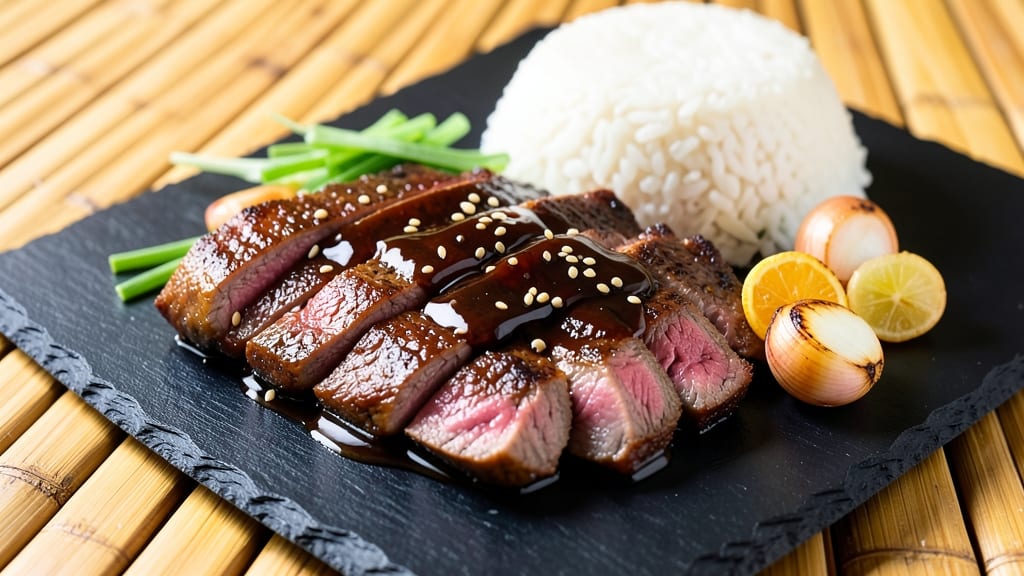
This Asian beef recipe ideas transforms simple ingredients into bold, restaurant-quality dishes that bring the flavors of East Asia to your table. ✨ The secret lies in balancing sweet, spicy, and umami notes through techniques like wok-searing and five-spice glazing—methods I've perfected over years of testing.
Whether you're craving Japanese teriyaki, Thai basil stir-fry, or Korean bulgogi, these approaches deliver authentic depth without requiring specialty ingredients.
The magic begins with marinades that tenderize while infusing flavor—think soy, garlic, ginger, and a touch of brown sugar for caramelization. For the wok-sear method, high heat creates that signature caramelized crust, while the five-spice glaze adds aromatic complexity.
I've designed these recipes to work with affordable cuts like flank steak or sirloin, making them accessible for home cooks while delivering restaurant-quality results.
What sets these dishes apart is their versatility: serve the sticky wok-seared beef over jasmine rice with quick-pickled vegetables, or pair the five-spice glaze with roasted sweet potatoes and steamed bok choy.
The balance of textures—tender beef, crisp vegetables, and silky sauces—creates a harmonious bite that's both comforting and exciting. Each recipe includes plating tips to elevate presentation without extra effort.
Ready to master these techniques? The instructions break down each step clearly, from marinating to searing, with temperature guidelines and timing notes. Whether you're cooking for a weeknight dinner or a special occasion, these Asian beef recipes promise bold flavors that will impress even the most discerning eaters.
Let's get started!
Ingredients for asian beef recipe ideas
These carefully selected ingredients deliver restaurant-quality Asian beef with bold flavors and perfect textures.
| Ingredient | Amount | Notes |
|---|---|---|
| Flank Steak 🥩 | 1 ½ lb | Thinly sliced against grain for tenderness |
| Kosher Soy Sauce 🍶 | ½ cup | High-quality, low-sodium preferred |
| Sesame Oil 🫒 | 1 tbsp | Toasted sesame for authentic aroma |
| Brown Sugar 🍯 | ¼ cup | Packed for accurate measurement |
| Garlic Cloves 🧄 | 6 cloves | Minced for marinade infusion |
| Fresh Ginger 🌿 | ½ cup | Finely grated, skin on |
| Rice Vinegar 🍚 | ¼ cup | White or seasoned variety |
| Honey 🍯 | 2 tbsp | For caramelization balance |
| Five-Spice Powder 🌶️ | 1 tsp | Authentic blend for aromatic depth |
| Vegetable Oil 🫒 | 2 tbsp | High smoke point for searing |
| Jasmine Rice 🍚 | 1 ½ cups | Uncooked, long-grain preferred |
| Red Bell Pepper 🌶️ | 1 whole | Thinly sliced for quick cooking |
| Green Onions 🧅 | 4 whole | Thinly sliced, white and green parts |
| Sesame Seeds 🌾 | 1 tbsp | Toasted for garnish |
| Diamond Crystal Kosher Salt 🧂 | 1 ½ tsp | For seasoning and marinade |
The flank steak is key—look for cuts with good marbling at Whole Foods or your local butcher. Thinly slicing against the grain ensures tenderness after high-heat searing. For the marinade, Kosher soy sauce from San-J delivers superior depth compared to regular table soy. Fresh ginger and garlic should be vibrant, not woody or discolored. The five-spice powder from Penzeys adds authentic complexity—avoid generic blends that often lack star anise or fennel. Toast your sesame seeds lightly in a dry pan to enhance their nutty aroma before using.
No fresh ginger? Substitute with 0.25 cup ground ginger, though texture will differ. Running out of sesame oil? Avocado oil at half the amount works in a pinch, but the flavor won't be identical. For the rice vinegar, apple cider vinegar can replace at the same quantity, though it adds subtle fruity notes. The bell pepper can be swapped for snap peas or broccoli florets if preferred. When selecting steak, thin cuts like sirloin work well too—just adjust marinating time to 30 minutes minimum. The honey in the glaze can be replaced with maple syrup for vegan adaptations, though caramelization will be slightly different.
Marinated beef keeps 3-4 days in the fridge—store in an airtight container with marinade. The jasmine rice should be cooked just before serving to maintain its delicate texture. Leftover glaze can be stored in a sealed jar for up to 2 weeks in the refrigerator, perfect for quick stir-fry finishes later. For meal prep, portion the cooked beef and rice separately—reheat the beef in a skillet with a splash of water to maintain moisture. The five-spice powder loses potency after 6 months, so store it in a cool, dark place or freeze for extended freshness.
Why You'll Love This Recipe
- One-Pan Magic: I swear by this—just sear the steak, toss it in the sauce with garlic and brown sugar, and let it caramelize. No cutting boards left in the sink, no extra pots, just pure cleanup satisfaction.
- Sweet-Savory Crunch: That balance of sticky soy, smoky sesame oil, and a touch of brown sugar? It’s the kind of flavor that makes you pause mid-bite. The garlic cloves sizzle into oblivion, leaving behind pure, addictive umami.
- Weeknight to Dinner Party: Same recipe, different vibes—throw it over rice for a quick weeknight meal or serve it on skewers for a crowd. Honestly, I’ve made this for lazy Tuesdays and Sunday fundays, and it never disappoints.
- Budget Stretch: Flank steak is affordable, and this recipe stretches it further than you’d think. A single pound feeds four, and leftovers? Even better cold in wraps the next day. My wallet and my taste buds win.
Step-by-step instructions for sticky wok-sear beef with five-spice glaze
Master this technique and you'll achieve perfectly tender beef with a glossy, aromatic glaze every time.
🍳 Step 1: Prepare the Five-Spice Glaze Base
In a medium saucepan, combine the 0.5 cup kosher soy sauce, 0.25 cup brown sugar, 0.25 cup rice vinegar, 2 tbsp honey, and 1 tsp five-spice powder. Bring to a gentle simmer over medium heat and cook for 5-7 minutes until the sugar dissolves completely and the mixture reduces by about 25%.
Here's the thing—you want this glaze to coat the back of a spoon when you lift it. Stir occasionally, scraping the bottom to prevent scorching. The aroma will develop as it simmers, filling your kitchen with warm spices. Once thickened, remove from heat and stir in the 1 tbsp sesame oil to preserve its delicate aroma.
👨🍳 Step 2: Marinate and Slice the Flank Steak
While the glaze simmers, prepare the 1.5 lb flank steak by slicing it thinly against the grain into ¼-inch thick strips. Arrange the slices in a shallow dish and pour the warm glaze mixture over them. Add the 6 minced garlic cloves, 0.5 cup finely grated fresh ginger, and 1.5 tsp diamond crystal kosher salt.
Use your hands to massage the marinade into the beef, ensuring every slice is coated. Let it marinate for at least 30 minutes at room temperature. This step ensures maximum flavor penetration and prevents the beef from drying out during the high-heat sear. If you have time, marinate for up to 2 hours for deeper flavor.
🔥 Step 3: Cook the Jasmine Rice
Rinse the 1.5 cups jasmine rice under cold water until the water runs clear, then combine with 3 cups water in a pot. Bring to a boil, then reduce heat to low, cover, and simmer for 15 minutes. Remove from heat and let it steam covered for another 10 minutes. The rice should be tender with no liquid remaining—this is your aromatic base for the dish.
While the rice cooks, prep the vegetables. Thinly slice the 1 whole red bell pepper and 4 whole green onions (white and green parts separated). Set aside—they'll add freshness to balance the rich glaze. Toast the 1 tbsp sesame seeds in a dry skillet over medium heat for 1-2 minutes until fragrant and golden. Set aside for garnish.
🍳 Step 4: Wok-Sear the Beef to Perfection
Heat a wok or large skillet over high heat until smoking, then add the 2 tbsp vegetable oil. Working in batches to avoid crowding, add the marinated beef and sear for 1-2 minutes per side until deep golden brown with caramelized edges. The high heat is crucial—it creates that signature wok-sear while keeping the beef tender.
As the beef cooks, you'll see the marinade caramelize and bubble. This is where the magic happens—the glaze becomes sticky and glossy. Transfer the cooked beef to a plate and set aside, tented with foil to keep warm. Repeat with remaining beef, adding more oil if needed. The beef should be cooked to 145°F internal temperature—it'll carry over to 150°F while resting.
🥘 Step 5: Assemble and Finish the Dish
Return the wok to medium-high heat and add the sliced red bell pepper and green onion whites. Stir-fry for 2-3 minutes until just tender but still vibrant. Pour in any remaining glaze from the marinade pan and scrape up any browned bits from the bottom of the wok—this adds depth of flavor.
Add the cooked beef back to the wok and toss gently to coat everything in the glaze. Stir in the green onion tops and toasted sesame seeds. Taste and adjust seasoning with a pinch more diamond crystal kosher salt if needed. Serve immediately over the steamed jasmine rice, spooning the sticky beef and vegetables generously over each portion. Garnish with additional sesame seeds for texture and visual appeal.
Pro Tips For Making Asian Beef Recipe Ideas
- Slice Against the Grain: After cutting through flank steak once, I learned this the hard way—thin slices that tear apart mid-bite ruin the whole dish. Run your knife at a 45-degree angle, perpendicular to the muscle fibers, and slice after resting (yes, even if you're impatient like me). You’ll end up with tender, ribbon-like strips that hold up to stir-frying.
- Marinate with the Heat Off: I used to toss everything in a bowl and walk away, but the soy sauce and sugar caramelize better when the steak gets a head start. Turn off the heat after adding the marinade, let it sit for 10 minutes—just long enough for the sugar to start breaking down and the garlic to soften. Your sauce won’t turn into a sticky mess later.
- Skip the Overcrowded Pan: Nothing ruins searing like a pan full of steak and garlic cloves jostling for space. Cook the beef in batches—even if it means two rounds in the pan—so the oil stays hot and you get that deep, flavorful crust. Cold garlic cloves dumped in later will soften properly without burning, and your steak won’t steam instead of sear.
- Balance the Sweet and Salty: Brown sugar adds depth, but too much turns your dish into candy. For every 1 tablespoon of sugar, use 2 tablespoons of soy sauce—this keeps the flavors in check. Taste as you go: if the sauce tastes like dessert, add a splash of rice vinegar or a pinch of black pepper to cut through it. Trust me, your taste buds will notice.
Flavor customization for this asian beef recipe ideas
Spicy Thai Twist
Transform your dish into a fiery Thai-inspired stir-fry by adding 1 tbsp Thai bird's eye chili paste and 1 tbsp fish sauce to the glaze. For extra heat, toss in 2 tbsp chopped Thai basil and 1 tbsp lime juice at the end.
I love serving this with cucumber slices and a drizzle of sweet chili sauce on the side. The lime brightens the rich flavors while the chili adds a kick that lingers. 🌶️
Korean Bulgogi Style
For a Korean-inspired bulgogi flavor, swap the five-spice powder for 1 tbsp gochugaru (Korean chili flakes) and 1 tbsp pear puree in the glaze. Add 1 tbsp toasted sesame seeds and 1 tbsp minced scallions to the marinade.
Thinly slice the beef even more—about ⅛-inch thick—and grill or pan-sear until caramelized. Serve with kimchi and steamed rice for a true Korean feast. 🥩
Japanese Teriyaki Glaze
Create a classic Japanese teriyaki by replacing the five-spice powder with 1 tsp grated fresh ginger and 1 tsp grated daikon radish in the glaze. Add 1 tbsp mirin and 1 tbsp sake to the marinade for extra umami.
Brush the seared beef with the glaze in the final step for that signature glossy finish. Garnish with thinly sliced scallions and serve with miso soup on the side. 🍶
Sweet and Smoky BBQ
For a smoky BBQ twist, replace the five-spice powder with 1 tsp smoked paprika and ½ tsp liquid smoke in the glaze. Add 1 tbsp molasses and 1 tbsp apple cider vinegar for depth.
Cook the beef low and slow in a Dutch oven for 2-3 hours at 275°F instead of searing. This creates tender, fall-apart beef perfect for tacos or sandwiches. 🔥
Garlic and Ginger Bomb
Amplify the garlic and ginger flavors by doubling the amount to 12 minced garlic cloves and 1 cup grated ginger in the marinade. Add 1 tbsp grated lemon zest for brightness.
Sear the beef as usual, then finish with a splash of 2 tbsp soy sauce and 1 tbsp toasted sesame oil for extra richness. This version is bold and aromatic, perfect for those who love intense flavors. 🧄
Miso-Infused Glaze
For a deep umami kick, replace the brown sugar in the glaze with ¼ cup white miso paste and add 1 tbsp honey to balance the saltiness. Simmer the glaze for 10 minutes to fully integrate the miso.
The beef will be incredibly tender and packed with savory depth. Serve with steamed bok choy and a sprinkle of toasted sesame seeds. This version is a game-changer for miso lovers. 💫
Nutrition facts
Frequently asked questions
Can I use flank steak substitutes like sirloin or ribeye?
For a thicker cut like ribeye, slice it ½-inch thick and reduce cooking time to 1 minute per side—it stays juicier. Sirloin works well too, but marinate for 1-2 hours longer since it's leaner. The key is slicing against the grain for tenderness.
How do I adjust the spice level in these recipes?
For milder heat, reduce the five-spice powder to ½ tsp or omit chili pastes entirely. For extra kick, add 1 tbsp sriracha to the glaze or sprinkle Korean gochugaru on top. Always taste before serving—you can always add more, but you can't take it out!
What's the best way to reheat leftover Asian beef?
Use a skillet over medium heat with 1 tbsp oil and a splash of water to prevent drying. Reheat for 2-3 minutes until warmed through. Avoid microwaving—it makes the beef rubbery. Store leftovers in an airtight container for 3-4 days.
Can I make these recipes ahead of time?
Yes! Marinate the beef up to 2 days ahead and store in the fridge. Cook the glaze fresh, but you can prep rice 1 day ahead—just reheat with a damp paper towel over the pot lid. Assemble everything just before serving for the best texture and flavor.
What sides pair best with these beef dishes?
For balance, try steamed bok choy, quick-pickled cucumbers, or sesame green beans. For heartier meals, add sticky rice or roasted sweet potatoes. The acidity of kimchi or a miso soup also cuts through the richness beautifully.