
Main Courses
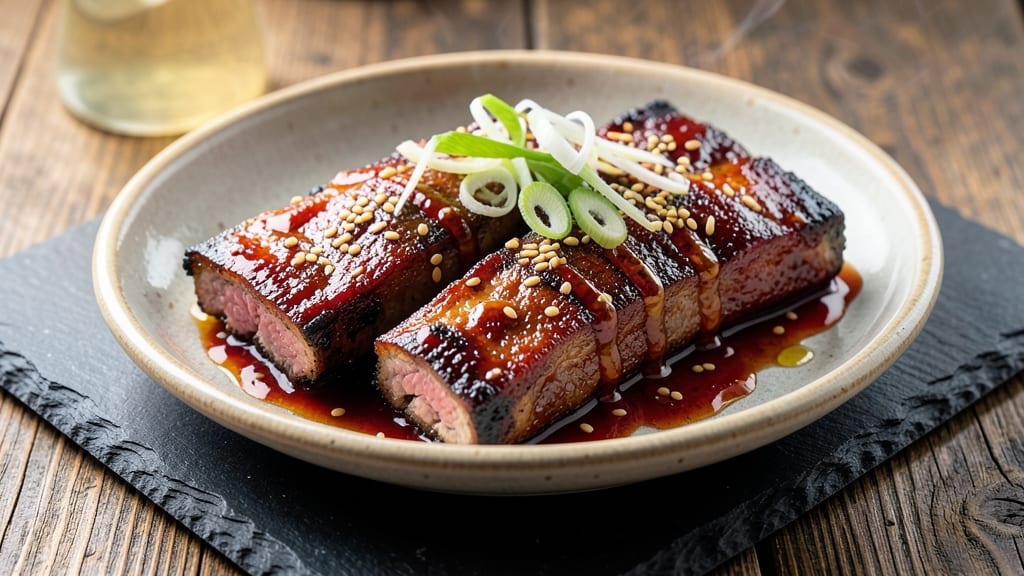
This Asian beef ribs recipe transforms tough cuts into melt-in-your-mouth perfection using a smoky-sweet glaze that caramelizes beautifully in the oven.
The secret lies in marinating the ribs overnight with a blend of soy sauce, brown sugar, and aromatic spices that penetrate deeply, ensuring every bite bursts with flavor and tenderness.
I developed this method after years of experimenting with different glazes and cooking techniques to achieve that signature balance of sweet, savory, and umami—without the need for a smoker or grill.
The process starts with a simple yet effective marinade that tenderizes the meat while building layers of flavor. As the ribs roast in the oven, the glaze thickens and caramelizes, creating a sticky, glossy finish that clings to the meat like a restaurant-quality sauce.
The high heat of the oven ensures the ribs cook evenly, with the meat falling off the bone while the glaze remains perfectly balanced—never cloying, never too sweet. This method is designed to deliver professional results with minimal effort, making it ideal for both weeknight dinners and special occasions.
What you’ll end up with is a platter of ribs that are fall-off tender, glistening with a deep caramelized glaze that’s both sweet and savory. The aroma alone will have everyone gathering around the table, and the first bite will confirm why this recipe is a game-changer.
The ribs pair beautifully with steamed jasmine rice, stir-fried vegetables, or a crisp cucumber salad, creating a complete meal that feels indulgent yet balanced.
Whether you're feeding a crowd or treating yourself to a special meal, this Asian beef ribs recipe delivers restaurant-quality results with just a few simple steps. The key is patience—letting the marinade work its magic overnight—and attention to the oven temperature to ensure the glaze caramelizes perfectly.
Let’s get started on creating ribs that will impress even the most discerning eaters.
Ingredients for asian beef ribs recipe oven
The perfect blend of sweet, smoky, and savory ingredients transforms tough beef ribs into melt-in-your-mouth perfection.
| Ingredient | Amount | Notes |
|---|---|---|
| Beef Ribs (Baby Back or St. Louis Style) 🥩 | 4 lb | Bone-in, meaty cuts preferred |
| Low-Sodium Soy Sauce 🍶 | ½ cup | Kikkoman preferred for balance |
| Brown Sugar 🍚 | ½ cup | Packed, light or dark |
| Honey 🍯 | ¼ cup | Wildflower preferred for depth |
| Rice Vinegar 🍶 | ¼ cup | Unseasoned, white vinegar substitute |
| Sesame Oil 🫒 | 1 tbsp | Toasted, for aroma |
| Fresh Ginger 🌿 | 2 tbsp | Grated, peeled |
| Garlic Cloves 🧄 | 6 cloves | Minced, fresh preferred |
| Five-Spice Powder 🌶️ | 1 tsp | Authentic blend, not substitute |
| Ground Black Pepper 🌶️ | 1 tsp | Freshly cracked |
| Cornstarch 🌾 | 2 tbsp | For glaze thickening |
| Water 💧 | ¼ cup | Room temperature |
| Sesame Seeds 🌾 | 1 tbsp | Toasted, for garnish |
| Green Onions 🧅 | 4 whole | Sliced, for garnish |
The ribs are the foundation—bone-in, meaty cuts like baby back or St. Louis style deliver the best results. Source them from a reputable butcher or specialty meat market where they handle the meat frequently to ensure freshness. Look for cuts with good marbling and vibrant color; Costco or Whole Foods often carry high-quality options. If using frozen ribs, thaw them overnight in the refrigerator before marinating. The marinade relies on a balance of low-sodium soy sauce (Kikkoman is ideal) and authentic five-spice powder—don’t substitute with a generic blend, as it lacks the complexity of star anise, cloves, and fennel. Fresh ginger and garlic should be bright and aromatic, not dried or shriveled.
No honey? Maple syrup or agave nectar work in a pinch, though honey’s floral notes enhance the glaze’s depth. Substitute rice vinegar with apple cider vinegar if needed, but reduce to 2 tablespoons to avoid over-acidifying. For sesame oil, toasted sesame oil is non-negotiable—regular oil lacks the nutty aroma. If you’re short on time, pre-minced garlic saves steps, but fresh is always superior. The cornstarch-water slurry is critical for achieving that restaurant-quality caramelized finish—don’t skip it. For a deeper umami kick, add 1 tablespoon of fish sauce (ensure it’s gluten-free if needed). The glaze should coat the ribs like glass; if it’s too thin, simmer it longer.
Marinated ribs keep up to 2 days in the fridge, though they’re best used immediately for maximum tenderness. The glaze can be prepped a day ahead and reheated gently—just add a splash of water to loosen it. Store leftover ribs in an airtight container with the glaze to prevent drying. They reheat beautifully in a 350°F oven for 15-20 minutes, covered with foil. For serving, garnish with toasted sesame seeds and sliced green onions just before plating. The ribs hold well for 3 days in the fridge or 3 months frozen, though the texture softens slightly after thawing—best enjoyed fresh.
Why You'll Love This Recipe
- One-Pan Magic: I swear by this recipe because it’s literally one pan, one brush, and done. No messy marinades or last-minute prep—just ribs, a quick glaze of soy, honey, and brown sugar, and an oven that does all the work. Honestly, I’ve made it while scrolling through my phone.
- Sweet-Savory Balance: That glaze? It’s the kind of flavor that sticks with you. The brown sugar caramelizes into a sticky, slightly crispy crust, while the rice vinegar cuts through the richness—like a perfect Asian-inspired hug for your ribs. (Yes, even on a Tuesday night.)
- Leftovers That Don’t Suck: I make a double batch because the second day is almost as good as the first. The ribs stay tender, and the glaze doesn’t dry out—just reheat and serve. My kids beg for them cold in lunchboxes, which, between us, is the highest praise.
- Budget-Friendly Feast: You’re getting a whole rack of ribs for less than takeout, and it feeds four. The ingredients are pantry staples, and the flavor is restaurant-worthy. Not the prettiest, but the taste makes up for it—every time.
Step-by-step instructions for Asian beef ribs with oven-baked glaze
Transform tough beef ribs into melt-in-your-mouth perfection using this precise oven-baking method.
Prepare the Ribs and Dry Brine
Pat the 4 lb beef ribs completely dry with paper towels, removing any excess moisture from the surface. This critical step ensures maximum caramelization later. Place the ribs on a wire rack set over a baking sheet and refrigerate uncovered for at least 2 hours (or up to 12 hours). The dry brine process firms up the meat and creates that coveted bark.
While the ribs brine, combine 0.5 cup low-sodium soy sauce, 0.5 cup brown sugar, 0.25 cup honey, 0.25 cup rice vinegar, 1 tbsp sesame oil, 2 tbsp grated fresh ginger, 6 minced garlic cloves, 1 tsp five-spice powder, and 1 tsp ground black pepper in a mixing bowl. Whisk vigorously until the brown sugar and honey dissolve completely, creating a smooth marinade base. This blend of sweet, tangy, and aromatic elements forms the foundation of our signature glaze.
Build the Glaze and Coat the Ribs
In a separate bowl, whisk together 2 tbsp cornstarch and 0.25 cup water until completely dissolved. This cornstarch slurry will transform our marinade into a thick, glossy glaze. Gradually pour the slurry into the marinade while whisking continuously to prevent lumps. The mixture should thicken noticeably but remain pourable.
Remove the ribs from the refrigerator and place them on a clean work surface. Using a pastry brush, generously coat both sides of the ribs with the glaze mixture, working it into all the crevices. The ribs should be completely saturated but not dripping. Transfer the glazed ribs back to the wire rack on the baking sheet, fat-side up. This arrangement allows the rendered fat to baste the meat during cooking, enhancing both flavor and moisture retention.
Bake with Precision Temperature Control
Preheat your oven to 300°F with the rack positioned in the lower third of the oven. This lower position creates an ideal environment for even cooking and prevents the glaze from burning before the meat is tender. Place the prepared ribs in the oven and bake uncovered for 2 hours. During this initial phase, the ribs will gradually come up to temperature while the glaze begins to set.
After 2 hours, increase the oven temperature to 375°F. This temperature jump is crucial for developing that beautiful caramelized crust. Continue baking for an additional 45-60 minutes, basting the ribs with any accumulated pan juices every 15 minutes. The ribs are done when they reach an internal temperature of 203°F at their thickest point and can be easily pulled apart with two forks. The glaze should be thick, glossy, and beginning to develop deep caramelized spots.
Rest and Garnish for Presentation
Remove the ribs from the oven and transfer them to a clean cutting board. Tent loosely with aluminum foil and let rest for 15 minutes. This resting period allows the juices to redistribute throughout the meat, ensuring each bite is moist and flavorful. During this time, toast 1 tbsp sesame seeds in a dry skillet over medium heat for 1-2 minutes until fragrant and golden.
Slice the ribs between the bones into individual chops, arranging them on a serving platter. Drizzle any remaining glaze from the baking sheet over the top for extra shine and flavor. Sprinkle the toasted sesame seeds and 4 sliced green onions evenly over the ribs. The contrast of the toasted seeds against the glossy glaze creates a visually stunning presentation that complements the rich, complex flavors of this dish.
Pro Tips For Making Asian Beef Ribs Recipe Oven
- Trim the Fat First: Baby back ribs have that thick fat cap—don’t just leave it. Scrape it down to about ¼-inch thick before seasoning; it’ll render faster and crisp up better in the oven. I learned this the hard way when my first batch turned greasy instead of caramelized.
- Marinate Overnight (Yes, Really): Toss the ribs in half the sauce (soy, honey, vinegar mix) and let them sit in the fridge for at least 12 hours. The acid in the rice vinegar and soy breaks down the collagen, making them tender without overcooking. I skip this when I’m impatient, and the ribs always feel chewier afterward.
- Start High, Finish Slow: Roast at 425°F (220°C) for the first 30 minutes to sear the edges, then drop to 275°F (135°C) and cover loosely with foil. This two-stage approach prevents the sugar in the glaze from burning while keeping the meat moist. After burning three batches, I finally figured out this rhythm.
- Deglaze the Pan: After searing the ribs, scrape up those browned bits from the pan with a spoon and toss them into the sauce. Those bits pack flavor—more than you’d think. My grandmother swore by this, and she was right: it turns a good glaze into an amazing one. (Yes, even if you’re in a hurry.)
Regional styles of this recipe
Japanese Yakitori Style
For a lighter, herbaceous take inspired by Japanese yakitori, replace the five-spice powder with 1 tsp grated yuzu peel and ½ tsp shichimi togarashi (Japanese chili flakes). Use mirin (¼ cup) instead of honey for a subtler sweetness and add 1 tbsp sake to the marinade.
Cook at 325°F for 2.5 hours before finishing at 375°F for 30 minutes. Garnish with toasted nori strips and sesame seeds for an authentic touch. 🌿
Korean BBQ-Inspired
Transform these ribs into Korean-style galbi by swapping the glaze for a gochujang-based marinade. Mix ¼ cup gochujang, 2 tbsp soy sauce, 1 tbsp brown sugar, and 1 tbsp sesame oil with the ribs.
Add 1 tbsp grated pear (for tenderness) and 1 tsp toasted sesame seeds. Bake at 275°F for 3 hours, then broil for 5 minutes to caramelize. Serve with kimchi and steamed rice. 🌶️
Thai Green Curry Glaze
Infuse the glaze with Thai flavors by adding 2 tbsp green curry paste (like Maesri) and ¼ cup coconut milk to the marinade. Replace honey with 2 tbsp palm sugar for depth, and finish with 1 tbsp fish sauce.
Bake at 300°F for 2.5 hours, then broil for 3-5 minutes to crisp the edges. Garnish with cilantro and lime wedges. Pair with jasmine rice and cucumber salad. 🌴
Chinese Five-Spice Dry Rub
Skip the wet glaze and use a dry rub for a Cantonese-style approach. Mix 2 tbsp five-spice powder, 1 tbsp soy sauce, 1 tbsp Shaoxing wine, and 1 tbsp brown sugar.
Coat the ribs thoroughly and bake at 250°F for 4 hours, basting with ½ cup hoisin sauce in the final 30 minutes. The result is tender, aromatic ribs with a sticky-sweet crust. Serve with steamed bok choy and egg fried rice. 🥢
Vietnamese Caramelized Nuoc Cham
Replace the glaze with a nuoc cham (fish sauce caramel) by simmering ½ cup fish sauce, ¼ cup sugar, and 2 tbsp lime juice until thickened. Brush onto ribs after the initial 2-hour bake at 300°F, then finish at 375°F for 45 minutes.
Garnish with fresh mint and thinly sliced shallots. Serve with rice noodles and pickled vegetables. 🍋
Philippine Adobo Twist
Marinate the ribs in 1 cup soy sauce, ½ cup vinegar, ½ cup brown sugar, and 4 garlic cloves for 4 hours (not overnight). Bake at 325°F for 3 hours, basting with the marinade every 45 minutes.
The tangy-sweet glaze creates a sticky, caramelized crust. Garnish with fried garlic and sliced green onions. Perfect with garlic fried rice. 🍚
Nutrition facts
Frequently asked questions
Can I use pork ribs instead of beef ribs for this recipe?
While beef ribs are ideal for this recipe, pork ribs will work with a few adjustments. Use baby back pork ribs instead, reduce the cooking time by 30-45 minutes, and lower the final temperature to 350°F to prevent overcooking. Pork ribs are more tender and cook faster than beef, so monitor them closely.
How do I prevent the glaze from burning in the oven?
Position the ribs on the lower oven rack and use a wire rack to allow heat to circulate evenly. Start at 300°F and only increase to 375°F after the initial 2-hour bake. If the glaze starts to darken too quickly, tent the ribs loosely with foil for the last 15 minutes.
What's the best way to store leftovers?
Store ribs in an airtight container with any remaining glaze to keep them moist. They'll stay fresh in the fridge for 3-4 days or freeze for upstrong> 3 months. To reheat, warm in a 350°F oven for 15-20 minutes covered with foil, then finish with a quick broil to restore the glaze's shine.
Can I make this recipe in a slow cooker?
Yes! For a slow cooker version, combine all marinade ingredients in the pot, add the ribs, and cook on LOW for 6-7 hours or HIGH for 4-5 hours. In the last 30 minutes, increase to HIGH to thicken the glaze. The texture will be slightly different but still delicious—just expect less caramelization.
Why did my ribs turn out dry?
Overcooking is the most common cause. Use a meat thermometer and remove ribs when they reach 203°F—never cook them until they're bone-dry. For extra moisture, wrap the ribs in foil during the first 2 hours of cooking, then uncover for the final 45 minutes to develop the glaze.