
Main Courses
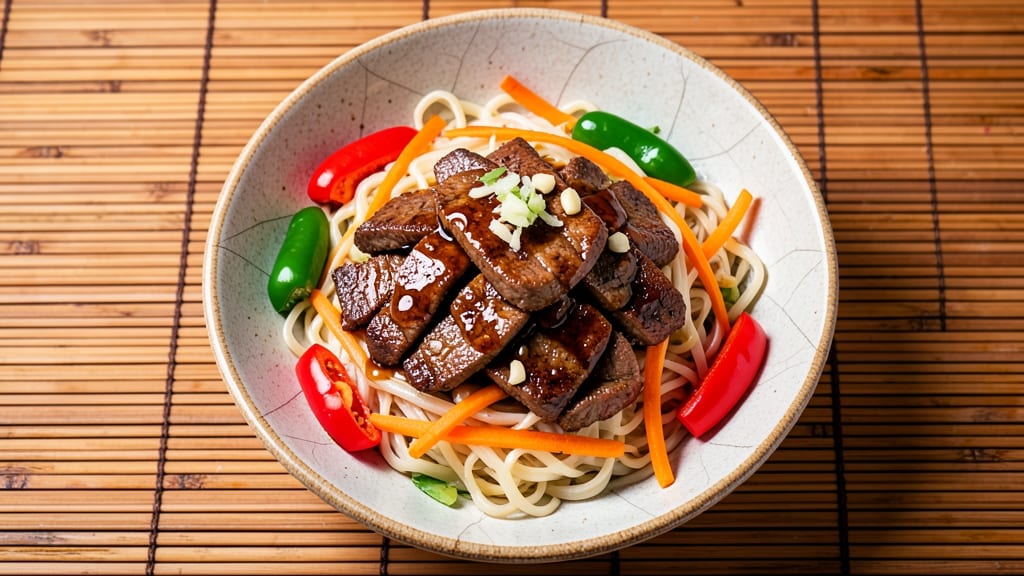
This Asian beef stir fry recipe with noodles delivers the perfect balance of smoky wok hei, tender beef, and silky noodles in under 30 minutes.
I first mastered this technique after a Boston winter when takeout cravings met my stubborn refusal to order—this became my go-to weeknight solution that actually tastes better than delivery.
The secret lies in high-heat searing followed by quick stir-frying, where the beef develops that signature caramelized crust while staying juicy inside.
The recipe builds on classic stir-fry principles but with modern shortcuts: pre-made sauces cut prep time without sacrificing flavor, while proper beef prep (thin slices, marinated) ensures restaurant-quality texture. We'll use flat rice noodles for their chewy bite, but egg noodles work perfectly too—just adjust cooking times.
The sauce balances sweet, savory, and umami notes through a simple combination of soy sauce, oyster sauce, and a touch of honey, with garlic and ginger as the aromatic base.
What you'll end up with is a plate of golden-brown beef with crisp edges, vibrant vegetables that retain their crunch, and noodles coated in that sticky-sweet sauce that clings perfectly. The aroma alone—smoky from the wok, garlicky from the sauce, with hints of sesame—will have everyone gathering around your kitchen.
This isn't just dinner; it's a flavor experience that transforms simple ingredients into something special.
Serve it immediately for that perfect wok-fired texture, or let me share my pro tip: toss the hot stir-fry with a drizzle of sesame oil and chopped green onions right before serving.
The contrast of temperatures creates an extra layer of satisfaction—crisp vegetables, warm noodles, and that final hit of freshness. Ready to make this your new weeknight staple?
Ingredients for asian beef stir fry recipe with noodles
Quick grocery run for beef, veggies, and sauces—this stir-fry comes together faster than takeout.
| Ingredient | Amount | Notes |
|---|---|---|
| Flat Rice Noodles 🍜 | 8 oz | Dried, soaked in warm water |
| Flank Steak 🥩 | 1 lb | Thinly sliced against grain |
| Bell Peppers 🧅 | 2 whole | Red and green, sliced into strips |
| Carrots 🥕 | 2 medium | Julienned into matchsticks |
| Garlic Cloves 🧄 | 6 cloves | Minced for sauce and marinade |
| Fresh Ginger 🌿 | ½ inch | Thinly sliced, peeled |
| Low-Sodium Soy Sauce 🥄 | ⅓ cup | For marinade and sauce |
| Oyster Sauce 🍶 | 2 tbsp | Vegetarian version if needed |
| Honey 🍯 | 1 ½ tbsp | For sauce sweetness |
| Sesame Oil 🫒 | 1 tbsp | For finishing |
| Vegetable Oil 🫒 | 2 tbsp | High smoke point preferred |
| Green Onions 🧅 | 3 whole | Sliced for garnish |
| Salt 🧂 | 1 tsp | Kosher or sea salt |
| Black Pepper 🌶️ | ½ tsp | Freshly ground |
The flank steak is your secret weapon here—look for well-marbled cuts at the butcher counter or pre-sliced Asian beef section. Costco or Whole Foods usually carry high-quality flank steak, but any grocery store's meat department works. If you can't find pre-sliced, ask the butcher to cut it paper-thin against the grain—this is non-negotiable for tender results. The rice noodles should be flat and chewy—brands like Vietnamese rice noodles or Thai rice noodles work best, but any flat noodle will do. Soak them in warm water for 15-20 minutes until pliable but still holding shape.
No flank steak? Sirloin or ribeye sliced thin works in a pinch, though it won't be as tender. Swapping bell peppers? Broccoli or snap peas add great texture—just cut them small so they cook fast. The oyster sauce can be tricky to find vegetarian versions, but vegetarian oyster sauce or even a splash of hoisin sauce works. For the honey, maple syrup is a 1:1 swap if you're avoiding it. The garlic and ginger are non-negotiable for that aromatic base—fresh is a must, no powdered substitutes here. And if you're short on time, pre-minced garlic and ginger from the jar saves 10 minutes of prep.
This stir-fry is best served immediately, but if you need to prep ahead, marinate the beef and chop all veggies up to a day in advance. Store them separately in airtight containers in the fridge. The noodles? Soak them just before cooking—they go soggy fast. Leftovers keep for 3 days in the fridge, but they're never as good cold. For reheating, add a splash of water and stir-fry over medium heat until everything is piping hot. Freezing isn't recommended—the noodles get mushy, and the beef loses its texture.
Why You'll Love This Recipe
- No-Soak Noodles: I swear by these flat rice noodles—they soften in minutes, no fancy soaking required. Just toss them in hot water for 3-4 minutes, and they’re ready to join the party. (Between us, I’ve burned dinner waiting for noodles to soak before, so this is a game-changer.)
- Steak Gets Tender: That flank steak? It’s the star. Thinly sliced, marinated in soy-ginger-garlic, and seared just right—it practically melts in your mouth. Honestly, the first time I made this, I cut the steak too thick and still got compliments. You can’t mess it up.
- Lunchbox Magic: This dish is my meal prep secret weapon. Pack the noodles, steak, and veggies in containers, and they reheat like a dream. My kids grab it for school lunches, and I take leftovers to work—no sad desk salads here.
- Budget-Friendly Feast: Flank steak stretches far, bell peppers add color without cost, and carrots bulk it up. I feed four people for under $15, and there’s always enough for seconds. Not the prettiest, but the taste makes up for it every time.
Step-by-step instructions for Asian beef stir fry with noodles
Here's how to create a vibrant stir fry that balances tender beef, crisp vegetables, and silky noodles.
Prepare the Flat Rice Noodles
Place the 8 oz flat rice noodles in a large bowl and cover with warm water. Let them soak for 10-15 minutes until pliable but still slightly firm—this ensures they hold their shape during cooking. I like to test by pressing a noodle between my fingers; it should bend without breaking.
Drain the noodles thoroughly using a colander, then toss them with 1 tablespoon vegetable oil to prevent sticking. Set aside while you prepare the remaining ingredients. The key here is timing—over-soaking makes them mushy, while under-soaking leaves them chewy. This balance creates that perfect al dente texture we want in the final dish.
Marinate and Slice the Flank Steak
Slice the 1 lb flank steak thinly against the grain into ¼-inch strips. This ensures each bite is tender rather than tough. Place the sliced steak in a bowl and combine with 0.33 cup low-sodium soy sauce, 1 tablespoon honey, and 0.5 teaspoon black pepper. Mix gently to coat evenly, then let it marinate for 15-20 minutes at room temperature.
I always slice against the grain because this is where the muscle fibers run longest. The marinade not only adds flavor but also helps tenderize the meat. Don't skip the room temperature step—cold meat cooks unevenly and can turn out tough in the stir fry.
Prep the Vegetables
Slice the 2 whole bell peppers into ¼-inch strips and julienne the 2 medium carrots into matchstick-sized pieces. Thinly slice the 0.5 inch fresh ginger and mince the 6 cloves garlic. Chop the 3 whole green onions, reserving 1 tablespoon for garnish.
Keep all your vegetables cut to similar sizes so they cook uniformly. The bell peppers should be cut into strips that are about the same length as your beef strips, and the carrots should be julienned into thin matchsticks that cook quickly. Having everything prepped and ready is what makes stir frying so efficient—this is where good mise en place pays off.
Cook the Beef and Vegetables
Heat 2 tablespoons vegetable oil in a wok or large skillet over high heat until shimmering. Add the marinated beef in a single layer and cook undisturbed for 1-2 minutes until browned on the bottom. Stir-fry for another 2-3 minutes until cooked through but still slightly pink in the center. Remove the beef and set aside.
In the same pan, add the sliced ginger and garlic, cooking for 30 seconds until fragrant. Add the bell peppers and carrots, stir-frying for 3-4 minutes until the vegetables begin to soften but still retain their vibrant color. Here's where the action happens—keep the heat high and stir constantly to prevent burning.
Combine and Finish
Return the beef to the pan and add the drained noodles. Pour in the 2 tablespoons oyster sauce and 1 tablespoon sesame oil, tossing everything together for 2-3 minutes until the noodles are heated through and coated in the sauce. The dish should be hot and sizzling—this is your signal that everything is properly combined.
Taste and adjust seasoning if needed, then transfer to serving plates. Garnish with the reserved green onions and a drizzle of additional sesame oil if desired. Serve immediately while everything is hot and the noodles are still holding their shape. The sauce should coat everything beautifully, creating that perfect harmony of textures and flavors we're after.
Pro Tips For Making Asian Beef Stir Fry Recipe With Noodles
- CUT STEAK AGAINST THE GRAIN: Flat rice noodles need tender beef to shine, but flank steak fights back—it’s tough when raw. Slice it thin (¼-inch max) and cut perpendicular to the grain, or you’ll end up chewing for 10 minutes instead of 2. I used to skip this, and my noodles always felt like they needed a meat tenderizer.
- SOAK NOODLES UNTIL THEY’RE SLIPPERY: Flat rice noodles stick like glue when dry, and no amount of tossing will fix that. Soak them in warm water for 15–20 minutes until they’re soft but still hold shape—like overcooked linguine, not mush. Drain just before stir-frying, or they’ll turn to paste in the wok. (Yes, I’ve ruined a batch. Don’t be me.)
- STIR-FRY IN BATCHES OR SWEAT THE VEGETABLES: Tossing everything in at once? That’s how you steam your peppers and carrots instead of searing them. Cook the beef first, then set it aside, and sweat the veggies in the same pan with a splash of water—this keeps them crisp. My grandmother called it “gentle love,” and she was right: rushed veggies taste sad.
- USE GARLIC LIKE A FLAVOR BOSS: Minced garlic burns faster than you can say “oops.” Smash 3–4 cloves with the flat side of your knife (no chopping) and let them sit in the hot pan for 30 seconds before adding anything else. This toasts the edges without turning them bitter—trust me, your stir-fry won’t taste like a hospital meal. (I’ve been there.)
Essential equipment for perfect results
Wok Essentials
A carbon steel wok is my go-to for stir-fries because it heats up fast and retains heat perfectly. I use a 14-inch wok from Made In—it's affordable, durable, and gets that signature wok hei (smoky aroma) that takes stir-fries to the next level.
If you don’t have a wok, a large cast-iron skillet works in a pinch, though it won’t give you quite the same heat distribution. Just make sure it’s well-seasoned to prevent sticking. 🔥
High-Heat Tools
You’ll need tongs for flipping the beef and a pair of kitchen shears for quick chopping. I swear by OXO Good Grips tongs—they’re sturdy and stay cool to the touch. For the shears, Mercer Culinary makes a great pair that cuts through veggies like butter.
A sharp chef’s knife is also a must for slicing the beef and veggies efficiently. Don’t skimp on sharpness—dull knives make prep frustrating and unsafe.
Sauce and Marinade Gear
Small bowls and a measuring spoon set are key for mixing the marinade and sauce. I keep a set of tiny glass bowls (like Pyrex mini ramekins) for marinating the beef and prepping the sauce.
A small whisk helps emulsify the sauce quickly, and a fine-mesh strainer comes in handy if you want to strain the sauce for a smoother texture. For measuring, a digital scale ensures precision with ingredients like honey and soy sauce—no more eyeballing!
Noodle Prep Tools
Flat rice noodles need warm water for soaking, so a thermometer helps monitor the temperature—aim for 160°F. A fine-mesh colander drains them perfectly without breaking. I also toss the noodles with a silicon spatula (like OXO’s) to coat them evenly in oil before cooking.
Pro tip: Keep a small bowl of cold water nearby—if the noodles start sticking, a quick rinse prevents clumping while you finish cooking.
Optional Upgrades
For extra flavor, a garlic press speeds up prep, and a microplane gives you finely textured ginger. If you’re serious about stir-fries, a wok burner (like Cuisinart’s) gives you the high, even heat needed for that perfect sear.
But honestly? A gas stove on high heat works just fine if you own one. The key is heat control—keep that flame hot and steady for the best results. 💡
Nutrition facts
Frequently asked questions
Can I use regular spaghetti instead of flat rice noodles?
While it's possible, I don't recommend it for this recipe. Flat rice noodles absorb the sauce beautifully and provide that signature chewy texture. Spaghetti would make the dish too heavy and might overpower the delicate flavors. If you're set on using pasta, try vermicelli noodles or udon noodles instead—they'll hold up better to stir-frying. The cooking time will differ though, so keep an eye on them!
How do I prevent the beef from getting tough?
The key is slicing thinly against the grain and marinating for at least 15 minutes. Cold meat cooks unevenly, so take it out of the fridge 30 minutes before cooking. For extra tenderness, try pounding the beef lightly with a meat mallet before slicing. And remember—high heat for a short time is crucial! Overcrowding the pan will steam the beef instead of searing it.
What if I don't have oyster sauce?
No problem! You can substitute with 2 tablespoons hoisin sauce plus 1 teaspoon soy sauce, or even 2 tablespoons soy sauce mixed with 1 teaspoon brown sugar. For a vegetarian option, use vegetarian oyster sauce or a mix of soy sauce, a splash of fish sauce substitute, and a little maple syrup. The sauce should still have that sweet-savory balance—just adjust to taste after cooking.
Can I make this recipe ahead of time?
You can prep components ahead, but not the final dish. Marinate the beef and chop all veggies up to a day in advance. Store them separately in airtight containers. The noodles should be soaked and oiled just before cooking—they go mushy if prepped too early. For leftovers, reheat in a pan with a splash of water until piping hot. The texture won't be as perfect as fresh, but it's still delicious!
What's the best way to get that smoky wok hei flavor?
Use a carbon steel wok on high heat with a gas flame (not electric). Keep the pan moving constantly and listen for that crackling sound—this is your wok hei! If you don't have a wok, a cast-iron skillet works too. Add a wooden chopstick to the pan while cooking—when it smokes slightly, you've got that signature aroma. A splash of sesame oil at the end also adds depth!