
Main Courses
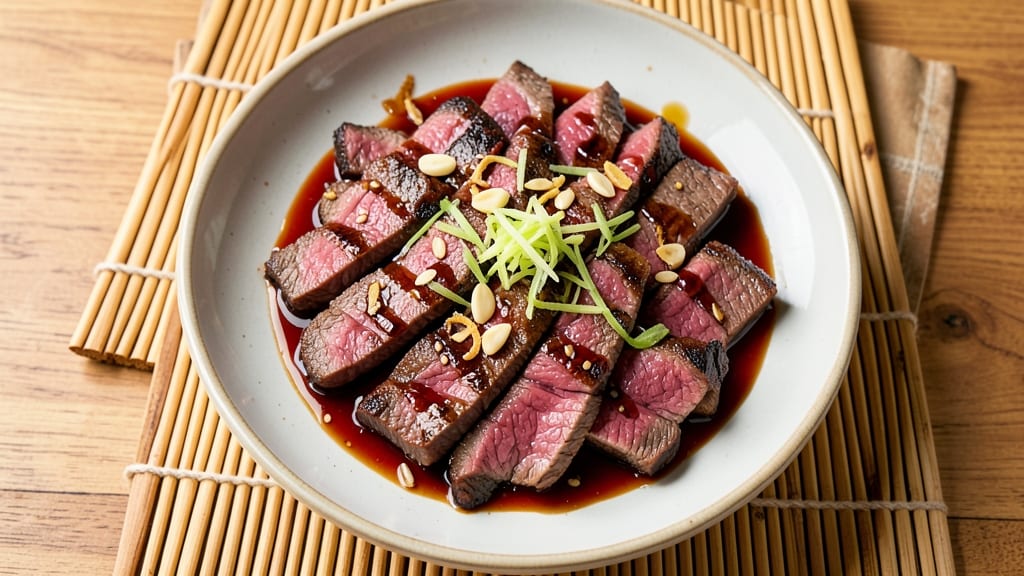
This quick Asian beef strips recipe delivers restaurant-quality stir-fry flavors in under 30 minutes, transforming simple ingredients into a savory, soy-ginger crunch that’s impossible to resist. The secret lies in a marinade that tenderizes the beef while infusing it with bright, aromatic notes—no fancy techniques required.
I’ve perfected this method over years of home cooking, ensuring every bite delivers that perfect balance of smoky, sweet, and umami-rich goodness.
The magic happens in three simple steps: marinating the beef strips in a blend of soy sauce, ginger, garlic, and sesame oil, then cooking them to achieve that signature crispy-yet-tender texture. Whether you stir-fry, grill, or air-fry, the result is the same—juicy, flavorful beef that holds up beautifully.
This recipe is designed for weeknight dinners, but it’s also impressive enough for guests, making it a versatile addition to your repertoire.
By the time you’re done, you’ll have a dish that’s bursting with flavor—think caramelized edges, fragrant aromatics, and a sauce that clings to every strip of beef. Serve it over steamed rice or noodles for a satisfying meal, or pair it with steamed vegetables for a complete, balanced plate.
The best part? It’s a one-pan wonder, so cleanup is a breeze.
Ready to elevate your stir-fry game? This recipe is your ticket to homemade Asian beef strips that taste like they came from your favorite takeout spot—without the wait. Let’s get cooking!
Ingredients for asian beef strips
Quick marinade, bold flavors, and a perfect soy-ginger crunch—this stir-fry delivers restaurant-quality beef in minutes.
| Ingredient | Amount | Notes |
|---|---|---|
| Flank Steak 🥩 | 1 lb | Thinly sliced against grain |
| Low-Sodium Soy Sauce 🍶 | ½ cup | Kikkoman preferred for balance |
| Fresh Ginger 🌿 | 2 tbsp | Finely grated, aromatic |
| Garlic Cloves 🧄 | 4 cloves | Minced for aromatic punch |
| Sesame Oil 🫒 | 1 tbsp | Toasted sesame for depth |
| Honey 🍯 | 2 tbsp | Wildflower preferred |
| Rice Vinegar 🍶 | 1 tbsp | White or seasoned |
| Neutral Oil 🫒 | 2 tbsp | Avocado or vegetable |
| Sesame Seeds 🌾 | 1 tbsp | Toasted for garnish |
| Green Onions 🧅 | 3 whole | Sliced for freshness |
| Red Bell Pepper 🍅 | 1 whole | Sliced into strips |
| Jalapeño 🌶️ | 1 whole | Seeded, sliced thin |
| Salt 🧂 | 1 tsp | Diamond Crystal preferred |
| Black Pepper 🌶️ | ½ tsp | Freshly cracked |
The beef is everything here. Flank steak slices beautifully against the grain for that signature tender-yet-crisp texture. Grab a sharp knife and slice thinly—about 1/4-inch strips. For the best flavor, Kikkoman soy sauce has that perfect balance of salt and umami, but any low-sodium brand works. Fresh ginger and garlic are non-negotiable; dried just won’t cut it here. I always buy ginger in small chunks at Trader Joe’s—it keeps longer than the pre-grated stuff, and grating it fresh takes 30 seconds. Toast your sesame seeds in a dry pan for 30 seconds before using—trust me on this—it adds a nutty depth that jarred seeds can’t match.
No sesame oil? Toasted peanut oil works in a pinch, though it’s not the same. Short on honey? Maple syrup at half the amount gives a similar sweetness. The red bell pepper and jalapeño add color and a little heat, but skip them if you’re serving kids—carrots or snap peas make great substitutes. For extra crunch, toss in a handful of crushed peanuts at the end. The rice vinegar might seem like an afterthought, but it brightens everything up—don’t skip it. If you’re grilling instead of stir-frying, marinate the beef for at least 30 minutes (up to 4 hours in the fridge) for maximum flavor penetration.
Marinated beef keeps 2-3 days in the fridge, but it’s best used fresh for that tender bite. The sauce can be made ahead and stored in a jar for up to 1 week—just give it a quick stir before using. For meal prep, cook the beef strips fully, then reheat them in a hot pan with a splash of water to keep them moist. I always make extra because leftover beef strips reheat beautifully over rice or in wraps the next day. Freeze cooked strips for up to 3 months—thaw in the fridge overnight for best results.
Why You'll Love This Recipe
- Slice-and-Serve Ready: That flank steak? It’s already thinly sliced for me—no tedious knife work. Just toss the strips with soy sauce, ginger, and garlic, and let the pan do the rest. Honestly, I’ve made this while scrolling through emails.
- Umami Bomb: The combo of low-sodium soy, fresh ginger, and a drizzle of sesame oil at the end? That’s the flavor equivalent of a warm hug. The beef stays tender but gets this addictive caramelized edge—crispy outside, juicy inside.
- Lunchbox Hero: I double the batch every time because these strips reheat like a dream. Toss them cold in rice bowls for work, or pack them in wraps for kids’ lunches (yes, even my picky eater asks for seconds). Zero complaints, all flavor.
- Budget Win: Flank steak stretches farther than you’d think, and using low-sodium soy keeps costs down without sacrificing taste. Between us, I’ve fed four people for under $15 with leftovers that last. That’s dinner covered for days.
Step-by-step instructions for Asian beef strips
Here's how to make this restaurant-quality stir-fry in under 30 minutes—no shortcuts, just smart prep.
Prep the Beef for Perfect Texture
Slice the 1 lb flank steak thinly against the grain into ¼-inch thick strips. This is crucial—thin slices cook faster and stay tender. Place the sliced beef in a bowl and add the 1 tsp salt, 0.5 tsp black pepper, and 2 tbsp honey. Toss gently to coat evenly. Let it marinate for 10 minutes while you prep the vegetables.
I like to use a sharp chef's knife for this step. If you're not comfortable with freehand slicing, freeze the steak for 20 minutes first—it'll hold its shape better. The honey in the marinade not only adds sweetness but also helps tenderize the meat during the quick cook.
Make the Soy-Ginger Sauce
In a small bowl, whisk together the 0.5 cup low-sodium soy sauce, 1 tbsp rice vinegar, 1 tbsp sesame oil, and the 2 tbsp finely grated fresh ginger. Set aside. This sauce carries all the umami depth and bright acidity that makes this dish sing.
Don't skip the ginger—it's what gives this stir-fry its signature aromatic punch. I always use freshly grated ginger because pre-shredded loses its potency quickly. If you're short on time, you can substitute with 1 tbsp ginger paste, but fresh is definitely better.
Stir-Fry the Vegetables First
Heat the 2 tbsp neutral oil in a large skillet or wok over medium-high heat until shimmering. Add the 4 minced garlic cloves and cook for 30 seconds until fragrant. Add the 1 sliced red bell pepper, 1 seeded and sliced jalapeño, and 3 sliced green onions. Stir-fry for 3-4 minutes until the vegetables soften but still retain a slight crunch.
Here's the thing—you want the vegetables to be cooked through but still have some bite. Overcooking them turns this dish mushy. If your pan is too crowded, work in batches. The vegetables should be tender-crisp when you add the beef.
Cook the Beef to Juicy Perfection
Push the vegetables to one side of the pan and add the marinated beef strips in a single layer. Let them sear undisturbed for 1-2 minutes until they develop a golden crust. Then stir and cook for another 2-3 minutes until the beef is cooked through but still juicy.
This is where the magic happens—the beef needs that initial sear to lock in juices, but it shouldn't sit too long or it'll turn tough. You'll know it's ready when the beef releases easily from the pan and the edges are just starting to brown. Don't overcrowd the pan or you'll steam the beef instead of searing it.
Combine and Finish
Pour the soy-ginger sauce over the beef and vegetables. Stir everything together and cook for 1-2 minutes until the sauce thickens slightly and coats the beef evenly. Taste and adjust seasoning if needed—you might want to add a splash more soy sauce for saltiness or a bit of honey for sweetness.
Remove from heat and let it rest for 2 minutes. Garnish with the 1 tbsp toasted sesame seeds right before serving. The sesame seeds add a lovely nutty crunch that contrasts beautifully with the tender beef and crisp vegetables. Serve immediately over steamed rice or noodles for the full experience.
Pro Tips For Making Asian Beef Strips
- Slice Against the Grain: Flank steak’s fibers run long—cutting perpendicular means each bite melts instead of chews. Grab your knife and angle those slices diagonally at 45 degrees; it’s the only way to avoid rubbery strips.
- Blister the Garlic First: After searing the beef, toss in whole garlic cloves and let them sizzle until golden and fragrant—about 30 seconds. I used to mince it and burn it every time; whole cloves add depth without bitterness.
- Use Cold Soy Sauce: Stash your low-sodium soy sauce in the fridge for 10 minutes before adding it to the pan. Cold sauce emulsifies better with the sesame oil, giving you that glossy, silky finish instead of a greasy mess.
- Rest the Beef Twice: First, let the raw steak sit at room temp for 20 minutes before slicing—cold meat tears. Then, after cooking, tent it with foil for 5 minutes. Skipping either step means dry, tough strips. (Yes, even if you’re impatient like me.)
Regional styles of this recipe
Japanese Yakitori Style
For a Japanese-inspired twist, marinate the beef strips in a blend of 1/4 cup mirin, 1/4 cup sake, 1 tbsp grated ginger, and 1 tbsp minced garlic for at least 30 minutes.
Cook the beef in a cast-iron skillet over medium-high heat until caramelized on all sides. Finish with a sprinkle of 1 tsp furikake (Japanese seasoned rice) and serve with steamed white rice and pickled vegetables for a complete yakitori experience. 🔥
Korean Bulgogi Twist
Transform this into bulgogi-style beef by adding 1/4 cup brown sugar, 1 tbsp gochujang (Korean chili paste), and 1 tbsp toasted sesame seeds to the marinade. Cook the beef in a hot griddle or skillet until caramelized, then slice thinly against the grain.
Serve with ssamjang (dipping sauce) made from 1 tbsp gochujang, 1 tbsp soy sauce, 1 tsp honey, and 1 tsp sesame oil. Wrap in lettuce leaves for a fun, interactive meal. 🌶️
Thai Basil Stir-Fry
Infuse the dish with Thai flavors by adding 1 tbsp fish sauce, 1 tbsp oyster sauce, and 1 tsp palm sugar to the marinade. Stir-fry the beef with 1 cup Thai basil leaves and 1 minced shallot at the end.
Finish with a squeeze of lime juice and a sprinkle of crushed peanuts for texture. Serve with jasmine rice and steamed bok choy for a balanced meal. 🌿
Vietnamese Caramelized Beef
For a Vietnamese-inspired version, marinate the beef in 1/4 cup fish sauce, 1 tbsp sugar, and 1 tsp black pepper for 30 minutes. Cook the beef in a hot pan until deeply caramelized, then add 1 tbsp hoisin sauce and 1 tsp chili flakes at the end.
Serve with rice noodles and quick-pickled carrots for a refreshing contrast. This dish is perfect for pho bowls or as a standalone stir-fry. 🍜
Chinese Szechuan Spicy
Add 1 tbsp Szechuan peppercorns (toasted and ground) and 1 tbsp chili bean paste to the marinade for a fiery kick. Stir-fry the beef with 1 minced scallion and 1 tsp Sichuan peppercorns at the end.
Finish with 1 tbsp dark soy sauce for depth. Serve with steamed jasmine rice and blistered green beans for a bold, spicy meal. ⚡
Nutrition facts
Frequently asked questions
Can I use flank steak substitutes like sirloin or ribeye?
Yes, but with adjustments! Sirloin works well if sliced thinly against the grain, but ribeye is too fatty—it'll make the strips greasy. For best results, choose flank steak, skirt steak, or top sirloin (all lean and tender when sliced properly). If using ribeye, trim excess fat first and reduce cooking time by 30 seconds.
How do I get that perfect crispy-yet-tender texture?
The secret is high heat and quick cooking! Use a wok or cast-iron skillet over medium-high heat until smoking hot. Cook beef in a single layer for 1-2 minutes undisturbed to form a crust, then stir-fry for 2-3 minutes total. Overcrowding steams instead of searing. For extra crunch, finish with 1 tbsp cornstarch tossed into the beef before cooking.
Can I make this recipe in an air fryer?
Preheat your air fryer to 400°F and cook beef strips in a single layer for 6-8 minutes, shaking the basket halfway. For crispiness, spray with 1 tsp oil before air frying. The sauce can be tossed with the beef after cooking or served on the side. Air frying gives a slightly different texture but keeps all the flavor.
What if my beef turns out tough?
Tough beef usually means overcooking or slicing with the grain. Always slice against the grain (perpendicular to muscle fibers) and cook for no more than 4-5 minutes total. For extra tenderness, marinate for 30-60 minutes instead of just 10 minutes. If already cooked, slice thinly against the grain again and serve with a sweet chili sauce to mask any dryness.
How can I make this gluten-free?
Replace soy sauce with tamari or coconut aminos (1:1 ratio). For extra umami, add 1 tbsp gluten-free fish sauce or 1 tsp nutritional yeast to the marinade. Check all ingredients—some sesame oils and rice vinegars contain gluten traces. Serve with gluten-free rice or noodles for a complete meal.