
Tips
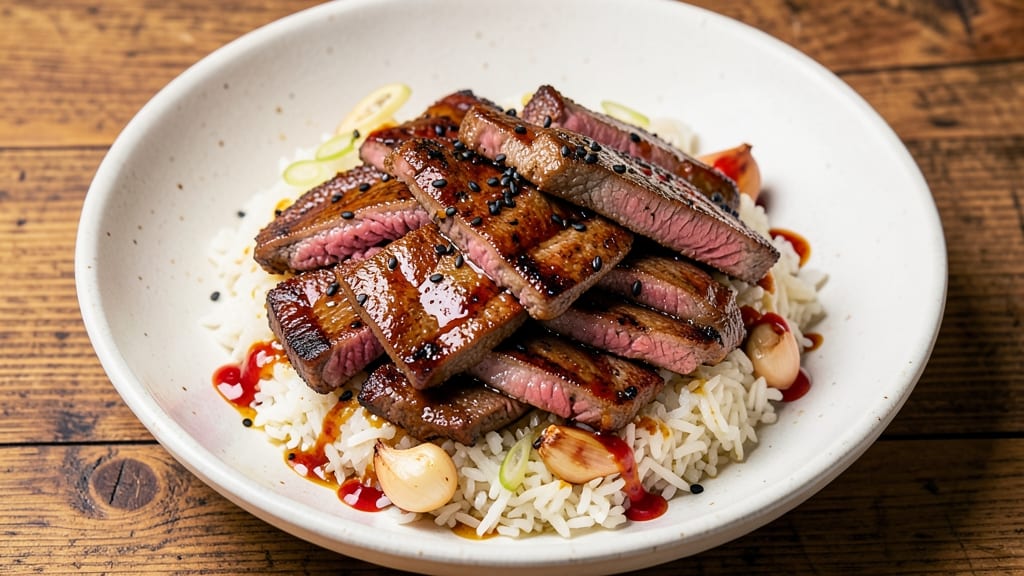
This Asian beef tips and rice recipe delivers restaurant-quality flavor with tender, wok-fired beef and fragrant jasmine rice in under 30 minutes. The secret lies in marinating thinly sliced beef strips with ginger, garlic, and soy sauce—creating deep umami flavor that transforms simple ingredients into something extraordinary.
I developed this version after years of testing, balancing traditional Asian techniques with modern convenience for home cooks.
The recipe begins with quick marinating (just 15 minutes) to infuse the beef with aromatic flavors, followed by high-heat stir-frying to achieve that signature wok-fired crunch. Meanwhile, jasmine rice simmers in a light ginger-scented broth, absorbing subtle flavors while maintaining perfect texture.
The combination of tender beef, fragrant rice, and glossy ginger-soy sauce creates a harmonious balance that's both comforting and exciting.
What makes this dish truly special is the versatility—serve it as a complete meal with steamed vegetables or as part of a larger Asian feast. The beef cooks to medium-rare (145°F internal temperature) for maximum tenderness, while the rice reaches ideal consistency in 15 minutes.
Garnish with fresh green onions and toasted sesame seeds for added texture and visual appeal that elevates every bite.
Whether you're preparing for a weeknight dinner or planning an Asian-inspired menu, this recipe delivers professional-quality results with minimal effort. The combination of quick marinating, efficient cooking techniques, and fragrant seasoning creates a dish that's both impressive and approachable—perfect for home cooks looking to recreate restaurant favorites at home.
Ingredients for asian beef tips and rice
Thinly sliced beef, aromatic ginger, and fragrant jasmine rice create a restaurant-style Asian feast in minutes.
| Ingredient | Amount | Notes |
|---|---|---|
| Flank Steak 🥩 | 1 lb | Thinly sliced against the grain |
| Jasmine Rice 🍚 | 1 ½ cups | Uncooked, long-grain preferred |
| Fresh Ginger Root 🌿 | 2 tbsp | Finely grated, aromatic |
| Garlic Cloves 🧄 | 6 cloves | Minced, fresh preferred |
| Soy Sauce 🍶 | ½ cup | High-quality, preferably Japanese |
| Sesame Oil 🫒 | 1 tbsp | Toasted, for aroma |
| Vegetable Oil 🫒 | 2 tbsp | High smoke point |
| Green Onions 🧅 | ¼ cup | Thinly sliced, for garnish |
| Toasted Sesame Seeds 🌾 | 1 tbsp | For garnish, optional |
| Brown Sugar 🍯 | 1 tbsp | Light, for balance |
| Cornstarch 🌾 | 1 tbsp | For tenderizing beef |
| Water 💧 | 1 ½ cups | For rice cooking |
| Diamond Crystal Kosher Salt 🧂 | ½ tsp | For seasoning |
| Ground Black Pepper 🌶️ | ¼ tsp | Freshly cracked |
The flank steak is non-negotiable for this dish—its lean texture becomes tender when sliced against the grain. Look for high-quality cuts at specialty butchers or the meat department of Whole Foods or Trader Joe's, where the selection is consistently fresh. If you can't find flank steak, sirloin or ribeye work as substitutes, though they may require slightly longer marinating. The jasmine rice should be labeled as such—regular long-grain rice lacks the delicate floral aroma that elevates this dish. For the ginger, fresh is essential—the aromatic compounds in dried ginger are significantly weaker. If you're using a microplane, grate the ginger directly into your marinade to preserve its volatile oils.
No soy sauce? Coconut aminos provide a similar umami profile, though with a slightly sweeter note. Substituting low-sodium soy sauce requires adjusting the salt later in the recipe. The sesame oil should be toasted—regular sesame oil lacks the nutty depth. For a quick test, sniff your sesame oil: if it smells faintly of toasted nuts, it's ready to use. The cornstarch is crucial for tenderizing the beef; if you're out, arrowroot powder works equally well. Brown sugar adds subtle caramelization—coconut sugar is a 1:1 substitute, though it has a slightly different flavor profile. For the garlic, freshly minced is ideal, but if you're short on time, one teaspoon of garlic powder can be used as a pinch-hitter, though it lacks the same aromatic complexity.
Marinated beef keeps for up to 24 hours in the refrigerator, though flavor peaks at 8-12 hours. The cooked rice maintains its texture for 3-4 days in an airtight container, though the aroma diminishes after the first day. For longer storage, freeze the beef mixture in single-serving portions—thaw overnight in the fridge before reheating. The sesame seeds should be toasted fresh before serving; store them in a cool, dark place to preserve their flavor. If you're prepping ahead, cook the rice separately and reheat it with a splash of water to restore moisture. The dish reheats beautifully, though the texture of the beef may be slightly firmer after reheating—compensate with an extra splash of soy sauce.
Why You'll Love This Recipe
- One-Pan Magic: I swear by this recipe when I’m too tired to scrub pots—just sear the flank steak in the same pan where the garlic and ginger sizzle, then dump in the rice. The flavors meld together without extra dishes, and honestly? That’s my kind of cooking.
- Umami Bomb: The combo of soy sauce, fresh ginger, and garlic turns that tough flank steak into something tender and ridiculously flavorful. Here’s what sold me—the crispy edges on the beef? Chef’s kiss. And the rice soaks up all the savory goodness like a sponge.
- Lunchbox Hero: Between us, this is my go-to for meal prep. Cook a big batch of rice, slice the beef thin, and pack it all in containers. My kids grab it for school lunches (yes, even on a Tuesday night), and I still get text messages about how good it tastes days later.
- Budget Win: Flank steak stretches further than you’d think when sliced thin, and jasmine rice is cheap but feels fancy. I’ll be real: this feeds four for under $15, and the leftovers? Just as good reheated the next day—no sad, dry meat here.
Step-by-step instructions for Asian beef tips and rice
Here's the method for restaurant-quality beef tips with perfectly fragrant rice.
Prepare the Flank Steak for Maximum Tenderness
Slice the 1 lb flank steak thinly against the grain into ¼-inch thick strips. This cut is crucial—it ensures each piece cooks quickly and remains tender. Place the sliced beef in a bowl and add the 1 tablespoon cornstarch along with 0.5 teaspoon Diamond Crystal kosher salt and 0.25 teaspoon ground black pepper.
Using clean hands or a silicone spatula, toss the beef strips until they're evenly coated in the cornstarch mixture. Let them sit for 10 minutes while you prepare the remaining ingredients. This marinade creates a crisp-tender texture when cooked properly.
Cook the Jasmine Rice to Perfect Texture
Rinse the 1.5 cups jasmine rice under cold water until the water runs clear, then drain. In a medium saucepan, combine the rice with 1.5 cups water and bring to a boil over medium-high heat. Once boiling, reduce heat to low, cover tightly with a lid, and simmer for 15 minutes.
After 15 minutes, remove from heat and let the rice steam undisturbed for another 10 minutes. This resting period allows the rice to absorb all the moisture evenly, resulting in perfectly fluffy grains. Fluff with a fork before serving to separate the grains.
Build the Ginger-Soy Sauce Base
Heat a large wok or skillet over medium-high heat until hot. Add 2 tablespoons vegetable oil and swirl to coat the pan. Add the 6 minced garlic cloves and 2 tablespoons fresh ginger root, stirring constantly for 30 seconds until fragrant but not browned.
Pour in the 0.5 cup soy sauce and 1 tablespoon brown sugar, scraping up any browned bits from the bottom of the pan. Let the mixture simmer for 2 minutes until slightly reduced. This creates the flavor foundation that will coat your beef tips perfectly.
Wok-Fry the Beef Tips to Crisp Perfection
Working in batches if needed, add the cornstarch-coated beef strips to the hot wok in a single layer. Don't overcrowd the pan—this prevents proper browning. Cook for 2-3 minutes until the beef is golden brown and cooked through to 160°F internal temperature.
Transfer the cooked beef to a plate and set aside. Add 1 tablespoon sesame oil to the wok and swirl to coat. Return the beef to the wok and toss to combine with the sauce. Cook for another 1 minute to ensure everything is well-coated and heated through.
Finish and Serve with Garnishes
Divide the cooked jasmine rice among serving plates. Top each portion with the wok-fried beef tips and their aromatic sauce. Garnish with 0.25 cup sliced green onions and 1 tablespoon toasted sesame seeds for visual appeal and added texture.
Serve immediately while the beef is still hot and the rice maintains its perfect texture. The combination of crisp-tender beef, fragrant ginger-soy sauce, and fluffy jasmine rice creates a harmonious balance of textures and flavors in every bite.
Pro Tips For Making Asian Beef Tips And Rice
- Slice Against the Grain: Flank steak’s tough fibers run parallel to the grain—cutting perpendicular turns chewy bites into tender morsels. Use a sharp knife and angle it low (almost flat) for clean slices; I learned this after wrestling with a fork to shred my first batch.
- Salt the Steak First: Pat the raw flank steak dry, then hit it with 1 teaspoon of kosher salt per pound before slicing. Let it sit 10 minutes—this seasons deeper and prevents the meat from curling up in the pan. (Yes, even if you’re impatient like me.)
- Don’t Rush the Rice: Jasmine rice needs time to steam properly—skip the urge to peek or stir. Once water boils with rice, cover the pot, reduce heat to lowest setting, and walk away for 15 minutes. I used to check every 5 minutes and ended up with mushy grains every time.
- Use Garlic-Ginger Paste: Fresh ginger and garlic burn fast—save yourself from charred bits by making a quick paste. Mince 3 cloves garlic and 1-inch ginger, then pulse with 1 tablespoon oil in a food processor. Sauté this paste in the pan first; it cooks faster and adds depth without risking burnt flavor.
Flavor customization for these flavors
Sweet-Glazed Twist
Add 1 tbsp honey or maple syrup to your ginger-soy marinade for a caramelized finish. I like using Wildflower honey from Whole Foods—its floral notes complement the ginger beautifully.
Brush the beef lightly with the sweetened marinade during the last 30 seconds of cooking for a glossy, slightly sticky exterior that balances the savory flavors. 🍯
Spicy Chili-Lime Kick
Liven up your dish with 1 tbsp chili paste (like Maesri) and 1 tbsp lime zest in the sauce. The heat from the chili paste cuts through the richness of the beef, while the lime adds brightness.
Toss the cooked beef in this mixture for 1-2 minutes before serving. For extra zing, add ½ tsp red pepper flakes at the end. 🌶️
Umami Boost
Deepening the umami flavor is easy with 1 tbsp oyster sauce or 1 tsp fish sauce in the marinade. I prefer Lee Kum Kee oyster sauce for its rich, slightly sweet depth.
For a vegetarian option, swap in ½ cup mushroom broth> (simmered from 8 oz shiitake mushrooms) instead of water when cooking the rice. The earthy mushrooms add umami without meat. 💫
Herbaceous Variations
Swap out the green onions for cilantro or Thai basil in your garnish. Thai basil adds a licorice-like sweetness that pairs perfectly with the ginger-soy flavors.
For a more traditional touch, try scallions and toasted black sesame seeds—this combo is common in Chinese restaurants and adds a nutty depth. 🌿
Coconut Curry Fusion
Transform this dish into a Thai-inspired curry by adding ½ cup coconut milk to the sauce and 1 tsp curry powder>. Simmer the beef in this mixture for 5 minutes> until everything is coated.
Garnish with fresh cilantro and crushed peanuts> for texture. Serve over jasmine rice> or with steamed rice noodles> for a lighter option. 🥥
Garlic Butter Finish
For a rich, restaurant-style finish, deglaze the wok with 2 tbsp butter> after cooking the beef. Add 1 minced garlic clove> and toss everything together for 30 seconds>.
The butter adds a velvety texture that contrasts beautifully with the crisp-tender beef. This works especially well if you're serving the dish with steamed vegetables or a side salad. 🧈
Nutrition facts
Frequently asked questions
Can I use a different cut of beef instead of flank steak?
Yes! Sirloin or ribeye work well, but they need slightly longer marinating (up to 30 minutes). The key is slicing thinly against the grain—this ensures tenderness regardless of cut. For leaner options like top round, add 1 extra tablespoon cornstarch to prevent dryness.
How do I prevent the beef from getting rubbery?
Never overcook the beef—it should reach 160°F internal temperature in 2-3 minutes of high-heat cooking. Use a meat thermometer for accuracy. Also, slice against the grain and marinate for at least 15 minutes (longer marinating = more tender). Overcrowding the pan causes steaming instead of searing, which makes beef tough.
What's the best rice to use for this dish?
Jasmine rice is ideal for its fragrant aroma, but long-grain white rice works too. Avoid short-grain or sticky rice varieties—they absorb too much moisture and become mushy. For extra flavor, add ½ teaspoon grated ginger to the cooking water. The rice-to-water ratio should always be 1:1.5 for perfect texture.
Can I make this dish ahead of time?
Cook the beef fresh for best results, but you can prep components ahead: marinate the beef for up to 24 hours (flavor peaks at 8-12 hours) and cook the rice 1 day ahead. Store separately in airtight containers. Reheat the beef in a skillet with 1 teaspoon soy sauce and ½ teaspoon sesame oil to restore moisture. The rice reheats best with a splash of water.
Why does my sauce taste too salty?
This usually happens when using low-sodium soy sauce or adding extra salt during cooking. The recipe uses ½ cup soy sauce—if you substituted with low-sodium, reduce to ¼ cup and add ½ teaspoon extra sugar to balance. For homemade adjustments, taste as you go: add 1 teaspoon brown sugar or ½ teaspoon honey to offset saltiness.