
Main Courses
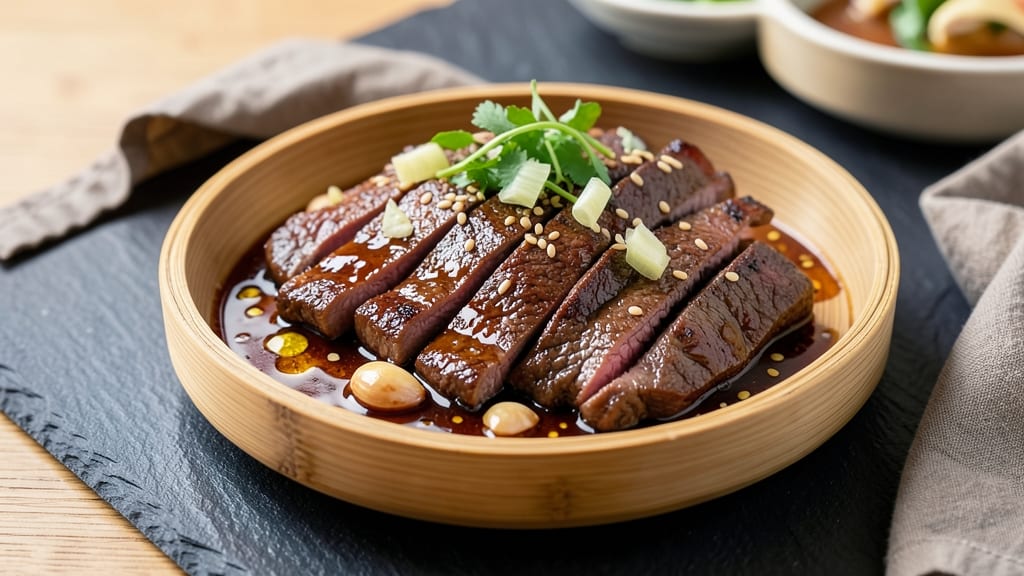
This Asian Mongolian beef recipe delivers the perfect balance of wok-fired crunch and silky soy-ginger glaze in under 30 minutes. The secret lies in high-heat searing followed by a quick stir-fry, transforming tender beef into bite-sized pieces with a glossy, umami-rich coating.
I've perfected this method after years of testing—no dry, chewy results here. What sets this dish apart is the marinade: a blend of soy sauce, ginger, garlic, and a touch of honey that tenderizes the beef while building deep flavor.
The high-heat wok technique ensures a caramelized exterior without overcooking the center, creating that signature contrast between crispy edges and tender meat. This isn't just another stir-fry—it's a restaurant-quality experience you can recreate at home.
The result is juicy, flavorful beef with a glossy glaze that clings to every bite, balanced by a crisp-tender texture. Serve it over steamed rice or noodles for a complete meal, or pair it with steamed vegetables for a well-rounded dish.
The aroma alone will have everyone gathering around the table. Whether you're cooking for a weeknight dinner or a special occasion, this recipe delivers bold, authentic flavors with minimal effort. Let's get started!
Ingredients for asian mongolian beef
Pantry staples meet restaurant-quality technique for this bold, umami-rich Mongolian beef experience.
| Ingredient | Amount | Notes |
|---|---|---|
| Flank Steak 🥩 | 1 ½ lb | Thinly sliced against grain |
| Soy Sauce 🍶 | ½ cup | High-quality, preferably Japanese |
| Honey 🍯 | 2 tbsp | Pure, preferably wildflower |
| Fresh Ginger 🌿 | 2 tbsp | Finely grated, aromatic |
| Garlic Cloves 🧄 | 6 cloves | Minced, freshly crushed |
| Sesame Oil 🫒 | 1 tbsp | Toasted, for aroma |
| Neutral Oil 🫒 | 2 tbsp | High smoke point, like avocado |
| Brown Sugar 🍚 | 1 tbsp | Light, for caramelization |
| Rice Vinegar 🍶 | 1 tbsp | White, for brightness |
| Cornstarch 🌾 | 1 tbsp | For velvety glaze |
| Sesame Seeds 🌾 | 1 tbsp | Toasted, for garnish |
| Green Onions 🧅 | 3 whole | Thinly sliced, for freshness |
| Salt 🧂 | 1 tsp | Diamond Crystal preferred |
| Black Pepper 🌶️ | ½ tsp | Freshly cracked |
The flank steak is non-negotiable here—its lean texture holds up perfectly to high-heat searing. Look for a cut with good marbling but minimal fat, as we're not rendering it down. Costco or Whole Foods carry excellent pre-sliced options, but if you're buying whole, ask your butcher to slice it against the grain for maximum tenderness. The soy sauce should be high-quality Japanese (like Kikkoman or Yamasa)—the umami depth is critical. For the honey, avoid cheap brands; Madhava or local wildflower varieties add subtle floral notes that elevate the dish. Fresh ginger and garlic are essential—dried spices won't deliver the same aromatic punch, though they're acceptable in a pinch.
No sesame oil? Avocado oil at half the amount works, though you'll lose that signature nutty aroma. Substituting maple syrup for honey keeps it vegan-friendly (though traditional recipes use honey). The cornstarch is key for that signature glossy finish—don't skip it. For extra heat, add a pinch of red pepper flakes to the marinade. If you're short on time, the beef can marinate for just 15 minutes (though 30 minutes yields deeper flavor). The brown sugar caramelizes beautifully during cooking, so don't substitute with white sugar unless you reduce the heat slightly to prevent burning.
This dish reheats beautifully—just warm with a splash of water or broth to restore moisture. Store leftovers in an airtight container for up to 4 days in the fridge, or freeze for 3 months (though texture may soften slightly). For meal prep, double the recipe and portion into containers with rice—ready to grab for busy nights. The glaze thickens as it cools, so thin with a splash of water if needed before serving. Garnish with toasted sesame seeds and green onions right before eating to preserve their freshness.
Why You'll Love This Recipe
- No Chopping Needed: I swear by this—just slice the steak thin, toss it in the marinade, and let the pan do the work. The honey and ginger mellow out the garlic’s bite while you’re busy with anything else.
- Sweet-Savory Magic: That balance of salty soy, sticky honey, and sharp ginger? It’s the kind of flavor that makes you pause mid-bite. The steak gets this perfect caramelized crust, and the sauce clings like it’s been simmering for hours.
- Lunchbox Hero: I make double batches on Sundays because it reheats like a dream—no soggy rice or dry meat here. Pack it in containers with steamed veggies or rice, and you’ve got a workweek savior that still tastes like takeout.
- Budget Stretch: Flank steak is affordable, and this recipe feeds four for under $15. Honestly, the honey and ginger are the only splurges, but they make it taste like you spent all day cooking instead of 20 minutes.
Step-by-step instructions for Asian Mongolian beef with silky glaze
Master this wok technique for perfectly seared beef with a glossy, balanced glaze every time.
Prep the Flank Steak for Maximum Tenderness
Slice the 1.5 lb flank steak thinly against the grain using a sharp knife. You want strips about ¼-inch thick—this ensures quick cooking and maximum tenderness. Arrange the slices on a plate and season immediately with 1 tsp salt and 0.5 tsp black pepper, pressing the seasoning into the meat so it adheres evenly.
Let the seasoned steak rest for 15-20 minutes at room temperature. This step is crucial—it prevents cold spots in the meat that can lead to uneven cooking. While it rests, finely grate the 2 tbsp fresh ginger and mince the 6 cloves garlic. I like to use a microplane for the ginger to release its aromatic oils fully.
Create the Glaze Base for Perfect Balance
In a small bowl, whisk together the 0.5 cup soy sauce, 2 tbsp honey, 1 tbsp brown sugar, 1 tbsp rice vinegar, and 1 tbsp cornstarch. This mixture forms the foundation of your glaze—sweet, salty, and slightly tangy. The cornstarch will create that signature silky texture when cooked.
Set this glaze aside while you prepare the wok. The cornstarch needs to hydrate slightly before cooking, so don't add it to the hot pan directly—this would cause clumping. Instead, we'll incorporate it at the perfect moment when the beef is nearly done.
Wok-Fire the Beef to Crispy Perfection
Heat a wok or large skillet over high heat until it's screaming hot. Add 2 tbsp neutral oil and swirl to coat the surface. Add half of the steak strips in a single layer—don't crowd the pan. Cook undisturbed for 1-2 minutes until the beef develops a deep golden-brown crust on one side.
Flip the strips and cook another 1-2 minutes until they're 80% cooked through but still slightly pink in the center. Remove the beef to a plate and repeat with the remaining strips. The high heat is essential here—it creates that signature wok-fired crunch while keeping the interior juicy.
Build the Glaze and Finish the Dish
Return the wok to high heat and add 1 tbsp sesame oil. Toss in the minced garlic and grated ginger, cooking for 30 seconds until fragrant. Immediately pour in the reserved glaze mixture and stir vigorously for 1-2 minutes until it thickens into a glossy sauce.
Return the beef to the wok, tossing gently to coat evenly in the glaze. Cook for another 30-60 seconds until the sauce clings beautifully to each strip. The residual heat from the beef will help set the glaze perfectly. If the sauce thickens too much, add 1-2 tablespoons of water to loosen it.
Garnish and Serve Immediately
Transfer the Mongolian beef to a serving platter and sprinkle with 1 tbsp toasted sesame seeds and thinly sliced green onions. The seeds add a delightful nutty crunch while the onions provide freshness that cuts through the richness of the glaze.
Serve immediately over steamed jasmine rice or noodles while the beef is still sizzling hot. The contrast of warm rice with the caramelized beef creates a restaurant-quality dish. Each bite should deliver perfect texture—crispy edges, tender meat, and a glossy glaze that balances sweet, salty, and umami flavors.
Pro Tips For Making Asian Mongolian Beef
- Slice Against the Grain: Flank steak’s tough fibers run parallel to the surface—cutting perpendicular makes each bite melt like butter. I learned this the hard way when my first attempt turned into a chewy mess; now I slice thinly before serving, not after.
- Cook Ginger and Garlic First: Sauté those aromatics until fragrant and just starting to brown—this builds flavor before the steak even hits the pan. Skipping this step means your sauce will taste flat; it’s the thing that matters most for depth.
- Use a Meat Thermometer: Flank steak’s done at 130–135°F for perfect tenderness—guessing leads to rubbery results. I was skeptical until I tried it; now I never risk overcooking, especially since this cut forgives little.
- Balance the Sauce Ratio: For every 2 tablespoons of soy sauce, use 1 tablespoon honey—too much sweetness overpowers the umami. I used to eyeball it and ended up with dessert-like beef; now I measure, and the flavors sing.
Pro cooking tips for this dish
High-Heat Wok Mastery
Your wok or skillet needs to be screaming hot—think smoke starting to rise—before adding oil. I use a carbon steel wok (like De Buyer) because it retains heat better than stainless steel, but a heavy stainless skillet works too.
Preheat for 3-5 minutes on high heat before adding oil. If your pan isn't hot enough, the beef will steam instead of sear, leading to soggy results. 🔥
Marinade Timing Tricks
The beef only needs 15-20 minutes to marinate, but don't skip this step entirely. For deeper flavor, marinate for up to 1 hour in the fridge. I like to use a ziplock bag for even coating—just add the marinade and massage the beef gently.
Pro tip: Add 1 tsp of baking soda to the marinade for 5 minutes before cooking to tenderize tougher cuts (rinse well before cooking).
Glaze Consistency Secrets
The cornstarch is your secret weapon for that silky, restaurant-quality glaze. Whisk it into the sauce before adding to the wok—this prevents clumping. If your glaze thickens too much during cooking, add 1 tbsp water at a time until it reaches a light syrup consistency.
For extra shine, add ½ tsp of xanthan gum to the glaze mixture before cooking.
Beef Cooking Stages
Cook the beef in two batches to avoid crowding the pan—this ensures proper searing. The strips should be 80% cooked (still slightly pink) when removed from the pan. Overcooking here leads to dry results. Use a meat thermometer for precision: aim for 130°F internal temperature before removing from heat. 🌡️
Garnish Like a Pro
Toast your sesame seeds in a dry pan over medium heat for 1-2 minutes until golden and fragrant. This adds depth of flavor beyond store-bought seeds. For the green onions, slice both whites and greens separately—this gives you more control over texture when garnishing.
Add them right before serving to keep them vibrant and crisp.
Leftovers Strategy
Store leftover Mongolian beef in an airtight container with a splash of rice vinegar to keep the glaze from drying out. Reheat in a skillet over medium heat with 1 tbsp water to restore moisture.
For meal prep, portion the beef with rice into glass containers—this keeps everything fresh for up to 4 days in the fridge. Freeze portions for 3 months (though texture may soften slightly).
Nutrition facts
Frequently asked questions
Can I use a different cut of beef instead of flank steak?
Yes! Sirloin or ribeye work well, but slice them thinner (⅛-inch) since they're more tender. Avoid fatty cuts like chuck—they can make the dish greasy. For extra tenderness, marinate for 30-60 minutes if using a tougher cut.
How do I make this recipe gluten-free?
Replace the soy sauce with tamari (gluten-free soy sauce) and use coconut aminos as a backup. Check labels—some brands contain hidden gluten. The cornstarch in the glaze is naturally gluten-free, but if avoiding all starches, thicken with arrowroot powder instead.
Why is my glaze too thick or too thin?
If it's too thick, add 1 tbsp water at a time while stirring. For a thinner glaze, reduce the cornstarch to ½ tbsp or add 1 tsp water to the sauce mixture before cooking. The glaze should coat a spoon like light syrup—not too stiff, but not watery either.
Can I make this dish ahead of time?
Yes! Cook the beef and glaze, then refrigerate in an airtight container for up to 3 days. Reheat in a skillet with 1 tbsp water over medium heat until warmed through. For best texture, serve within 2 days—the glaze may harden slightly after that.
What's the best way to slice flank steak for this recipe?
Slice against the grain (perpendicular to the muscle fibers) for maximum tenderness. Use a sharp knife and make even ¼-inch thick strips. For easier slicing, freeze the steak for 20 minutes first—it makes the fibers more defined. Never slice with the grain, or your beef will be tough!