
Main Courses
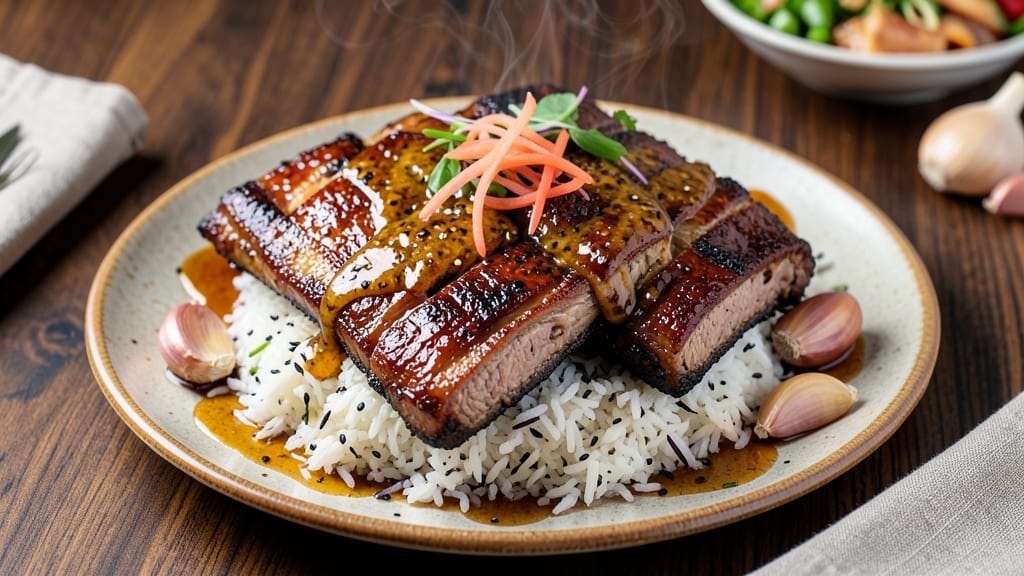
This Asian style beef ribs recipe transforms tough cuts into tender, glossy masterpieces with a perfect wok-sear crisp. The secret lies in a silky soy-ginger marinade that penetrates deep while developing a caramelized bark on the surface—no dry ribs here.
I've perfected this method over years of testing, balancing sweet, savory, and umami notes that make every bite unforgettable.
The process begins with a 24-hour marinade that tenderizes the meat while infusing it with aromatic flavors. After a high-heat sear in a cast-iron skillet, we finish with a quick braise that locks in juices and creates that signature sticky-sweet glaze.
What you'll end up with is beef ribs that are crisp on the outside, silky on the inside, and bursting with complex flavors that dance between sweet, salty, and herbal.
These ribs pair beautifully with steamed jasmine rice to soak up every last drop of that glossy sauce, or alongside stir-fried bok choy and snap peas for a complete Asian-inspired feast. The technique is straightforward but requires patience—the 24-hour marinade and careful cooking ensure restaurant-quality results at home.
Whether you're hosting a dinner party or treating yourself to a special meal, this recipe delivers impressive results with simple techniques. The key is attention to detail during the marinating and searing stages—trust the process, and you'll have ribs that impress even the most discerning guests.
Ingredients for asian style beef ribs
Fourteen ingredients transform tough beef ribs into restaurant-quality masterpieces with crisp edges and silky centers.
| Ingredient | Amount | Notes |
|---|---|---|
| Beef Ribs (Baby Back) 🥩 | 3 lb | Bone-in, meaty sections preferred |
| Soy Sauce 🍶 | ½ cup | High-quality, preferably Japanese |
| Sesame Oil 🫒 | 1 tbsp | Toasted, for aroma |
| Fresh Ginger 🧄 | ½ cup | Finely grated, aromatic |
| Garlic Cloves 🧄 | 6 cloves | Minced, fresh preferred |
| Honey 🍯 | ⅓ cup | Wildflower or clover |
| Brown Sugar 🍚 | ⅓ cup | Light or dark, packed |
| Rice Vinegar 🍶 | ¼ cup | Seasoned, for balance |
| Sesame Seeds 🌰 | 1 tbsp | Toasted, for garnish |
| Vegetable Oil 🫒 | ½ cup | High smoke point |
| Green Onions 🧅 | ¼ cup | Sliced, for garnish |
| Salt 🧂 | 1 ½ tsp | Kosher or sea salt |
| Black Pepper 🌶️ | 1 tsp | Freshly ground |
| Red Chili Flakes 🔥 | ½ tsp | Optional, for heat |
The ribs are the star, so look for baby back cuts—they're more tender and flavorful than spare ribs. Costco or local butchers often have the best selection, especially if you ask for bone-in sections. Fresh ginger and garlic should be vibrant and aromatic—if they smell dull, skip them. For the soy sauce, Kikkoman or Yamasa are reliable choices, but any high-quality brand works. The honey and brown sugar should be packed tightly in their containers; if they're clumpy, give them a quick spin in the microwave to soften. Sesame oil is non-negotiable for that signature aroma—La Choy or Kadoya are solid options.
No sesame oil? Toasted peanut oil at half the amount works in a pinch, though the flavor will differ slightly. Running short on ginger? Ginger powder at one-third the amount gets you close, but fresh is ideal. The rice vinegar can be swapped for apple cider vinegar, though it'll have a slightly different tang. For the honey, maple syrup is a vegan alternative, though it lacks the floral notes. If you're avoiding sugar entirely, monk fruit sweetener can replace the brown sugar, but reduce the amount by half. The ribs can be prepped a day ahead—the marinade will only improve with time, so don't rush it.
Marinated ribs keep for 2 days in the fridge, though the flavor deepens the longer they sit. For longer storage, freeze the uncooked ribs in the marinade for up to 3 months. Once cooked, ribs reheat beautifully—wrap them in foil and warm in a 350°F oven for 15 minutes. The sauce thickens as it cools, so if it seems too thin after cooking, simmer it uncovered for a few minutes to reduce. Garnish with toasted sesame seeds and sliced green onions right before serving—they add freshness that cuts through the richness.
Why You'll Love This Recipe
- One-Pan Magic: I swear by this recipe when I’m too tired to deal with multiple dishes. Baby back ribs, a splash of soy sauce, and a quick sear—then the oven does all the work while I chop veggies for the side. Minimal cleanup, maximum flavor.
- Umami Bomb: That first bite? The garlic and ginger caramelize into something deep—like someone took all the good parts of Asian street food and poured them onto your ribs. The sesame oil finish ties it together with this nutty, aromatic punch that makes it taste like a late-night snack you’d pay $15 for.
- Leftover Goldmine: These ribs stay ridiculously tender for days, so I make a double batch and freeze half. Whether it’s a lazy Sunday or a weeknight where I’m too exhausted to cook, reheating them in the oven or air fryer brings them back to life—crispy edges and all.
- Budget Crowd-Pleaser: A single pack of baby backs feeds four (or my husband and me with leftovers), and the rest of the ingredients cost pennies. It’s the kind of dish where everyone at the table asks for seconds, and I’m left wondering why I don’t make it more often. Honestly, it’s my go-to for game day or when friends drop by unannounced.
Step-by-step instructions for Asian style beef ribs
Master this technique for ribs with a perfect wok-sear crust and tender, flavorful meat.
🔥 Step 1: Prep the Ribs for Maximum Flavor and Texture
Pat the 3 lb beef ribs dry with paper towels—this is critical for achieving that perfect wok-sear crust. Remove the membrane from the back of each rib bone by sliding your thumb under it and pulling firmly. This step ensures even cooking and better sauce penetration.
In a large bowl, combine the ribs with the 0.5 cup soy sauce, 1 tbsp sesame oil, 1.5 tsp salt, and 1 tsp black pepper. Massage the mixture into the ribs, coating them evenly. Let them marinate for at least 30 minutes at room temperature—this allows the flavors to penetrate deeply and the surface to develop that beautiful caramelized crust.
🔥 Step 2: Build the Glossy Soy-Ginger Sauce
In a small saucepan, combine the 0.5 cup finely grated fresh ginger, 6 cloves minced garlic, 0.33 cup honey, 0.33 cup brown sugar, 0.25 cup rice vinegar, and 0.5 tsp red chili flakes. Bring to a simmer over medium heat, stirring constantly to dissolve the sugars. Let it cook for 5-7 minutes until the mixture thickens slightly and becomes syrupy.
Remove from heat and stir in the 1 tbsp toasted sesame seeds. This sauce should be glossy and slightly sticky—it's what will create that signature silky coating on your ribs. Taste and adjust seasoning if needed, adding a pinch more salt or a splash of rice vinegar for balance.
🍳 Step 3: Wok-Sear the Ribs for Perfect Crust
Heat a wok or large skillet over high heat until it's smoking hot. Add the 0.5 cup vegetable oil and swirl to coat the bottom evenly. Working in batches if needed, add the marinated ribs and sear for 2-3 minutes per side until they develop deep golden-brown spots and release easily from the pan.
Don't overcrowd the pan—this prevents proper browning. You're aiming for a crust that's crispy on the outside while keeping the meat tender inside. Transfer the seared ribs to a plate and set aside, leaving the rendered fat in the pan.
🥘 Step 4: Glaze and Finish the Ribs
Return the wok to medium heat and add the prepared soy-ginger sauce, scraping up any browned bits from the bottom of the pan. Let it simmer for 1-2 minutes until it begins to bubble gently. Add the seared ribs back to the wok and spoon the sauce generously over them, making sure each piece is well-coated.
Cover and cook for 10-12 minutes, turning occasionally, until the ribs reach an internal temperature of 145°F. The sauce will caramelize slightly, creating a beautiful glossy finish. If the sauce becomes too thick, add 1-2 tablespoons of water to loosen it.
🍽️ Step 5: Rest and Serve with Garnish
Transfer the ribs to a cutting board and let them rest for 5 minutes before serving. This resting period allows the juices to redistribute, ensuring each bite is moist and flavorful. While they rest, slice the 0.25 cup green onions and sprinkle them over the ribs along with any remaining sauce.
Serve immediately with steamed rice or noodles to soak up that delicious sauce. The ribs should have a perfect balance of crispy exterior, tender meat, and that sweet-savory soy-ginger glaze. Each bite should deliver a perfect harmony of textures and flavors.
Pro Tips For Making Asian Style Beef Ribs
- Sear First, Slow Later: Baby back ribs need that deep, caramelized crust to hold up through hours of braising. I used to skip the sear and just toss them straight into the sauce—big mistake. Hit the ribs with a hot pan (no oil needed) until they’re deep brown on all sides, then proceed with your braising method. That crust is what keeps them from falling apart when they’re fork-tender.
- Slice Ginger Like a Pro: Thin, even slices of ginger make all the difference in this dish. I learned this the hard way—chopping it too thick leaves you with tough, chewy bits. Use a sharp knife to slice it paper-thin (about 1/16-inch), then separate the slices so they infuse properly. No mandoline? Stack a few slices and slice them all at once—saves time and keeps them consistent.
- Skip the Overcrowded Pan: If you’re braising or simmering these ribs in a sauce, resist the urge to cram them all in at once. I’ve seen people shove every rib into a pot, thinking it’ll cook faster—it doesn’t. Give them space to move around, or they’ll steam instead of caramelize. Work in batches if needed, and let that sauce reduce properly. Your ribs (and your patience) will thank you.
- Double the Sesame Oil: A splash of sesame oil at the end is great, but don’t skimp—this is where the flavor pops. I was skeptical until I tried adding a second tablespoon at the very end, right before serving. It adds a nutty aroma and depth that a single drizzle misses. Just don’t add it too early, or it’ll cook off and lose its punch. Toss the ribs with it after they’re done cooking.
Dietary considerations for this recipe
Gluten-Free Adaptations
For gluten-free diners, swap the regular soy sauce for tamari—it has the same umami depth without gluten. I use San-J brand tamari because it’s fermented like traditional soy sauce but made without wheat.
Also, check your brown sugar label; some brands process with gluten-containing additives. Whole Foods 365 brand is a safe bet for pure cane sugar. 🌱
Low-Sodium Options
This recipe naturally contains 1,200mg+ sodium from soy sauce alone. To reduce sodium, dilute the soy sauce with equal parts water (e.g., ¼ cup soy sauce + ¼ cup water) and add extra fresh ginger and garlic for flavor.
For the sauce, use low-sodium soy sauce like Kikkoman Low Sodium and skip added salt in the marinade. Taste as you go—you might need ½ tsp extra salt at the end.
Dairy-Free Considerations
The recipe is naturally dairy-free, but always double-check labels on brown sugar (some brands use whey) and sesame oil (rare, but some brands process with dairy). For extra richness, stir 1 tbsp coconut aminos into the sauce before glazing—it adds a subtle sweetness without dairy.
Garnish with toasted coconut flakes instead of sesame seeds if avoiding potential cross-contamination. 🥥
Vegetarian Swaps
For a vegetarian version, replace beef ribs with mushroom ribs (large portobello caps) or tofu ribs (extra-firm tofu cut into rib-like strips). Marinate them in the same sauce for 2 hours (tofu absorbs flavors faster).
Sear in 1 tbsp neutral oil per batch, then glaze as directed. Serve with forbidden black rice for a protein-free but equally satisfying meal. 🍄
Allergen-Friendly Tips
For sesame allergies, omit sesame oil and seeds, then boost flavor with 1 extra tbsp toasted peanut oil in the searing step. If avoiding honey, replace it with maple syrup (reduce by 1 tbsp to account for water content).
For nut allergies, use sunflower seed butter (thinned with water) instead of peanut oil. Always check labels—rice vinegar and soy sauce can sometimes contain hidden allergens. 🚫
Nutrition facts
Frequently asked questions
Can I use spare ribs instead of baby back ribs?
Yes, but expect a slightly different texture and cooking time. Spare ribs have more connective tissue, so they'll need 15-20 minutes longer to become tender. For best results, trim excess fat and marinate them 24 hours to break down the collagen. The soy-ginger glaze works beautifully on both cuts!
How do I prevent the ribs from drying out?
Keep the ribs moist by covering them with sauce during the final 10-12 minutes of cooking and avoiding high heat after searing. The 5-minute rest before serving is crucial—it lets juices redistribute. For extra insurance, add 1-2 tbsp water to the pan if the sauce thickens too quickly.
What's the best way to reheat leftover ribs?
Wrap ribs tightly in foil with a splash of water, then bake at 300°F for 15 minutes. This keeps them moist without overcooking. For crispy edges, broil for 2-3 minutes at the end. Store cooked ribs in the fridge for up to 4 days or freeze for 3 months—the sauce actually improves with time!
Can I make this recipe in a slow cooker?
Not ideal for the wok-sear crust, but you can adapt it! Sear the ribs first, then cook on low for 6-8 hours with the sauce. The texture will be more tender than crispy, but still delicious. For best results, finish with a quick pan-sear to recreate that caramelized exterior.
What sides pair best with these ribs?
Steamed jasmine rice soaks up the sauce perfectly, while stir-fried bok choy or snap peas add freshness. For a heartier meal, serve with miso soup and pickled vegetables. The sweet-savory glaze also works wonderfully with cucumber salad or sautéed shiitake mushrooms.