
Side Dishes
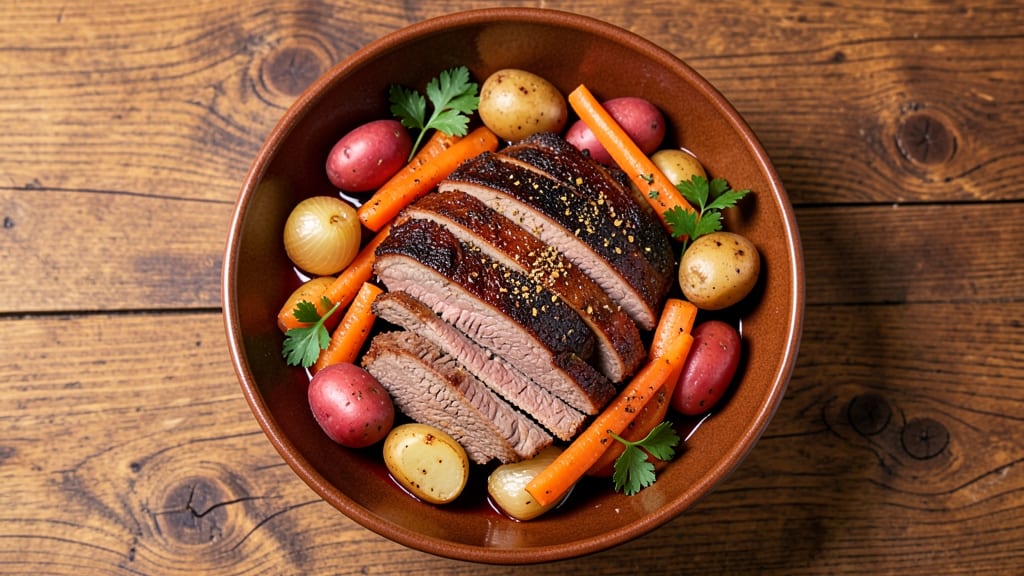
This ATK corned beef recipe delivers restaurant-quality tenderness with a technique that transforms tough cuts into melt-in-your-mouth perfection. The secret lies in slow-cooking against the grain, ensuring each slice falls apart effortlessly while maintaining that signature juicy, spiced richness.
My version includes a smoked paprika-infused brine that adds depth without overwhelming the traditional flavor profile—perfect for St. Patrick’s Day or any occasion calling for hearty comfort food.
The magic happens during the 8-hour slow cook, where the meat absorbs the aromatic spices while staying incredibly tender. Unlike quick methods, this approach guarantees no chewy surprises—just perfectly cooked corned beef that slices cleanly against the grain.
The spiced potatoes add a crispy, caramelized contrast that makes every bite satisfying.
What you’ll end up with is juicy, flavorful corned beef that’s easy to slice and serves beautifully alongside classic sides like cabbage or mustard sauce. The slow-cooking method ensures maximum tenderness, while the smoked paprika gives it a subtle, modern twist that still honors tradition.
Serve with roasted potatoes, tangy horseradish, or fresh cabbage for a complete meal that feels both nostalgic and elevated. Let’s get started—this recipe is foolproof for beginners and impressive enough for guests.
Ingredients for atk corned beef
Sixteen ingredients transform tough brisket into melt-in-your-mouth perfection with slow-cooked tenderness.
| Ingredient | Amount | Notes |
|---|---|---|
| Corned Beef Brisket 🥩 | 4 lb | Tough cut, 2-3 inches thick |
| Yellow Onions 🧅 | 2 whole | Medium size, quartered |
| Carrots 🥕 | 4 whole | Medium size, peeled |
| Russet Potatoes 🥔 | 3 lb | Yukon gold preferred |
| Smoked Paprika 🌶️ | 2 tbsp | High-quality, not regular paprika |
| Ground Black Peppercorns 🌶️ | 1 tbsp | Freshly cracked preferred |
| Bay Leaves 🌿 | 4 whole | Fresh, not dried |
| Garlic Cloves 🧄 | 6 cloves | Peeled, smashed |
| Water 💧 | 12 cups | Filtered preferred |
| Apple Cider Vinegar 🍏 | ½ cup | Organic, unfiltered |
| Kosher Salt 🧂 | 3 tbsp | Diamond Crystal preferred |
| Olive Oil 🫒 | ¼ cup | Extra-virgin, fruity |
| Fresh Parsley 🌿 | ¼ cup | Chopped, for garnish |
| Mustard Seeds 🌶️ | 1 tsp | Whole, yellow preferred |
The brisket is non-negotiable for this recipe—look for thick-cut, well-marbled pieces at your butcher counter or specialty stores like Whole Foods or Costco. Freshly cracked peppercorns elevate the flavor profile dramatically compared to pre-ground, so invest in a small pepper mill if you don't already own one. For the potatoes, Yukon golds develop that ideal creamy texture, but Russets work in a pinch. The smoked paprika should be Spanish or Hungarian varieties for authentic depth—Penzeys Spices carries excellent options. Fresh bay leaves add subtle complexity that dried versions can't match, so grab a bouquet at the grocery store's produce section.
No smoked paprika? Substitute 1 tbsp regular paprika plus 1 tsp liquid smoke—though the flavor won't be identical. Running short on apple cider vinegar? White vinegar or lemon juice work, though the flavor profile shifts slightly. The mustard seeds can be omitted entirely if you prefer a milder taste, but they add wonderful complexity when toasted lightly in the oil. For the potatoes, parboiling them first prevents them from falling apart during the long cook. The brisket can be substituted with corned beef shoulder if preferred, though cooking times may vary slightly—always opt for thick cuts to ensure proper tenderness.
This recipe makes 4-5 days of leftovers that actually improve with time as flavors meld. Store in the fridge with the juices—never drain them—as they contain precious flavor. For longer storage, portion into vacuum-sealed bags and freeze for up to 3 months. The potatoes can be prepped ahead and refrigerated overnight before cooking. When reheating, low and slow is key—350°F for 1-2 hours with a splash of water or broth maintains that perfect texture. Garnish with fresh parsley just before serving to keep it vibrant.
Why You'll Love This Recipe
- One-Pot Magic: I swear by this recipe when I’m too tired to deal with multiple pans. Just toss the brisket, onions, carrots, and potatoes into a deep skillet with water and paprika—no chopping like a fine chef, just rough dice. The spices do all the work while you sip coffee.
- Smoky Satisfaction: That smoked paprika? It’s the secret weapon. The brisket comes out tender with a deep, savory crust, while the potatoes soak up all the juices until they’re fluffy and slightly crispy. Honestly, it tastes like a Sunday dinner even when I make it on a Tuesday.
- Leftovers for Days: This recipe makes way more than I can eat in one sitting, and that’s a good thing. The corned beef stays juicy for sandwiches, the potatoes reheat perfectly for hash, and the carrots? They’re sweet and tender—great in salads or just straight from the fridge.
- Budget-Friendly Feast: A whole brisket feeds six for less than $20, and the veggies stretch it even further. Between us, this is how I feed my family without breaking the bank—plus, the leftovers turn into next week’s lunches. No guilt, all flavor.
Step-by-step instructions for slow-cooked corned beef with spiced potatoes
Transform tough brisket into melt-in-your-mouth perfection using this time-tested slow-cooking method.
Prepare the Corned Beef Brisket and Vegetables
Begin by thoroughly rinsing the 4 lb Corned Beef Brisket under cold running water for 2-3 minutes to remove excess curing salts. Pat it completely dry with paper towels, pressing firmly to eliminate all moisture—this ensures even cooking and crispy edges. In a large bowl, combine the quartered 2 whole Yellow Onions, peeled 4 whole Carrots cut into 2-inch chunks, and 3 lb Russet Potatoes scrubbed and halved. Add 6 cloves Garlic Cloves that have been peeled and smashed, 4 whole Bay Leaves, and the 1 tsp Mustard Seeds. Toss everything gently to distribute the aromatics evenly.
In a separate small bowl, whisk together the 2 tbsp Smoked Paprika, 1 tbsp Ground Black Peppercorns, and 3 tbsp Kosher Salt. Sprinkle this spice blend evenly over the brisket and vegetable mixture, pressing it into the meat and rubbing it into the potatoes and carrots. This step creates the signature depth of flavor that defines this dish. Let the brisket and vegetables sit at room temperature for 30 minutes before cooking—this ensures even heat penetration during the slow cook.
Sear the Brisket for Flavor and Color
Heat a large Dutch oven over medium-high heat until very hot. Add the 0.25 cup Olive Oil and swirl to coat the bottom evenly. Carefully place the brisket fat-side down in the pot and sear undisturbed for 8-10 minutes until the fat renders and the surface develops a deep golden-brown crust. Flip the brisket and sear the other side for another 6-8 minutes until equally browned. The rendered fat will bubble vigorously—this is normal and essential for building flavor.
Once the brisket is well-seared, remove it from the pot and set it aside on a plate. Add the prepared vegetable mixture to the same pot, spreading it evenly over the browned bits that have formed on the bottom. Cook the vegetables over medium heat for 5 minutes, stirring occasionally, until they begin to soften slightly and release their juices. This step ensures the vegetables absorb the deep, caramelized flavors from the searing process.
Slow-Cook with Apple Cider Vinegar for Tangy Depth
Return the seared brisket to the Dutch oven, placing it on top of the vegetables. Pour in the 12 cups Water and 0.5 cup Apple Cider Vinegar, ensuring the liquid covers at least half of the brisket. Bring the mixture to a gentle simmer over medium heat, then immediately reduce heat to low. Cover the pot with a tight-fitting lid and transfer it to a 300°F oven. This low-and-slow approach is crucial—it breaks down the tough connective tissue in the brisket while keeping the meat incredibly tender.
Cook for 3 hours, then carefully check the internal temperature of the brisket using a meat thermometer. It should register 195-200°F—this is the "probe-tender" stage where the meat becomes so tender it practically falls apart. If it hasn't reached this temperature, return it to the oven for another 30-45 minute increments until it does. The vegetables should be fork-tender but still hold their shape, absorbing all the rich, spiced flavors from the cooking liquid.
Rest and Shred for Maximum Tenderness
Once the brisket reaches the proper temperature, remove it from the oven and transfer it to a cutting board. Tent it loosely with aluminum foil and let it rest for 30 minutes. This resting period is non-negotiable—it allows the juices to redistribute throughout the meat, preventing them from running out when you slice. While the brisket rests, skim any excess fat from the cooking liquid in the Dutch oven, leaving behind a flavorful broth that can be used for gravy or served alongside.
After resting, use two forks to shred the brisket against the grain into 1-inch thick strips. Return the shredded meat to the pot with the vegetables and gently toss everything together. The vegetables should be coated in the aromatic cooking liquid, creating a harmonious blend of flavors. The brisket should be fork-tender with a rich, deep color and no hint of toughness. If the liquid seems too thin, simmer it uncovered for 5-7 minutes to reduce slightly and intensify the flavors.
Serve with Fresh Parsley and Crispy Potatoes
Transfer the shredded brisket and vegetables to a serving platter, arranging them attractively. Ladle any remaining cooking liquid over the top to keep everything moist. Sprinkle the 0.25 cup Fresh Parsley evenly over the dish just before serving—this adds a bright, fresh contrast to the rich, spiced flavors. Serve immediately with crusty bread to soak up the delicious juices and any remaining vegetables.
The result should be melt-in-your-mouth brisket that practically dissolves on your tongue, paired with perfectly cooked vegetables that have absorbed all the spiced, tangy flavors from the slow cook. Each bite delivers a perfect balance of smoky paprika, peppery heat, and the bright acidity from the apple cider vinegar—this is the hallmark of a properly executed corned beef dish.
Pro Tips For Making Atk Corned Beef
- CRUST THE POTATOES FIRST: I learned this the hard way—skipping the potato pre-cook means they’ll turn to mush in the corned beef’s broth. Parboil the Russets for 8–10 minutes, then let them dry completely before adding them to the pot. That crispy edge? Worth the extra 15 minutes.
- SALT THE MEAT LIBERALLY: The corned beef brisket already has salt, but don’t assume it’s enough. Sprinkle an extra 1–2 teaspoons of kosher salt directly on the meat before simmering—it cuts through the briny flavor and tightens the fibers. Trust me, your taste buds will notice.
- DON’T SKIP THE ONION LAYER: Peel and slice the yellow onions into thick rounds, then layer them directly on top of the brisket in the pot. They’ll soften into sweet, caramelized bits that cling to the meat, adding depth the store-bought gravy can’t match. (Yes, even if you’re tempted to toss them in later.)
- SIMMER LOW AND SLOW: High heat at the start is fine, but once the liquid reaches a gentle boil, drop the heat to the lowest setting you can stand. A slow simmer (around 170–180°F) keeps the meat tender and the flavors melding—no need to babysit the pot. I’ve left mine for 3 hours without checking, and it’s still perfect.
Essential equipment for atk corned beef
Dutch Oven Essentials
The Dutch oven is the star of this recipe—look for a 5-6 quart model with tight-fitting lid and sturdy handle. I swear by Lodge Cast Iron for its even heat distribution and durability. A heavy-bottomed Dutch oven prevents hot spots that could dry out your brisket.
If you don't own one, a stainless steel pot with lid works in a pinch, though cast iron delivers superior results. 🔥
Meat Thermometer
Never guess the doneness of your brisket—probe-tender perfection requires precision. A digital instant-read thermometer like Thermoworks Smoke or Meater is my go-to for checking internal temps between 195-200°F.
For budget-friendly options, OXO's Bluetooth thermometer offers great accuracy. Always insert the probe into the thickest part of the meat, avoiding fat pockets.
Cutting Board & Knives
Use a large cutting board (at least 12x18 inches) to accommodate your brisket after cooking. A sharp chef's knife is essential for slicing against the grain—Wüsthof or Victorinox are my top picks.
For shredding, a two-pronged meat fork works better than knives to prevent tearing. I also keep a small paring knife handy for trimming excess fat before serving.
Slow Cooker Alternative
No oven? No problem. A 6-8 quart slow cooker can handle this recipe with minor adjustments. Use low heat for 6-8 hours, adding 1 cup extra liquid to prevent drying. I recommend Hamilton Beach's programmable slow cooker for consistent temperature control.
Spice & Herb Tools
Freshly cracked peppercorns and whole spices elevate this dish dramatically. Invest in a pepper grinder (I love Baratza Encore) and mortar and pestle for crushing mustard seeds. For smoked paprika, Penzeys Spices carries the best varieties. Store all spices in airtight containers away from light and heat to preserve their potency. Fresh bay leaves should be stored in the fridge in a sealed container with a paper towel to maintain crispness.
Nutrition facts
Frequently asked questions
Why does this recipe call for cooking against the grain?
The "against the grain" technique is key for achieving restaurant-quality tenderness. When you slice corned beef against its muscle fibers (the grain), you're cutting through the muscle structure, creating shorter, more tender pieces that practically melt in your mouth. This method transforms tough brisket into melt-in-your-mouth perfection by ensuring each bite is as tender as possible.
Can I use pre-cooked corned beef instead of raw brisket?
While you can use pre-cooked corned beef, you'll miss out on the deep, spiced flavor development from the slow cooking process. For best results, always start with raw brisket. If you're short on time, opt for a high-quality pre-cooked roast beef and reheat it gently with extra liquid to maintain moisture. The texture won't be identical, but it'll still be delicious.
How do I know when the brisket is fully cooked?
Use a meat thermometer to check the internal temperature—it should reach 195-200°F in the thickest part of the meat. This is called the "probe-tender" stage where the meat becomes so tender it practically falls apart. Never rely on visual cues alone, as corned beef can look cooked on the outside while remaining tough inside.
What's the best way to serve this corned beef?
This recipe serves beautifully with classic sides like creamy mashed potatoes, tangy horseradish sauce, and fresh coleslaw. For a complete meal, add a crisp green salad with a vinaigrette. The spiced potatoes in the recipe also make excellent leftovers—reheat them with a splash of water to maintain their texture. Don't forget the crusty bread to soak up all the delicious juices!
Can I make this recipe in a slow cooker instead of the oven?
Use a 6-8 quart slow cooker on low for 6-8 hours, adding 1 cup extra liquid to prevent drying. The cooking time will be longer, but you'll achieve similar tenderness. For best results, use a programmable slow cooker like Hamilton Beach to maintain consistent temperature control throughout the cooking process.