
Main Courses
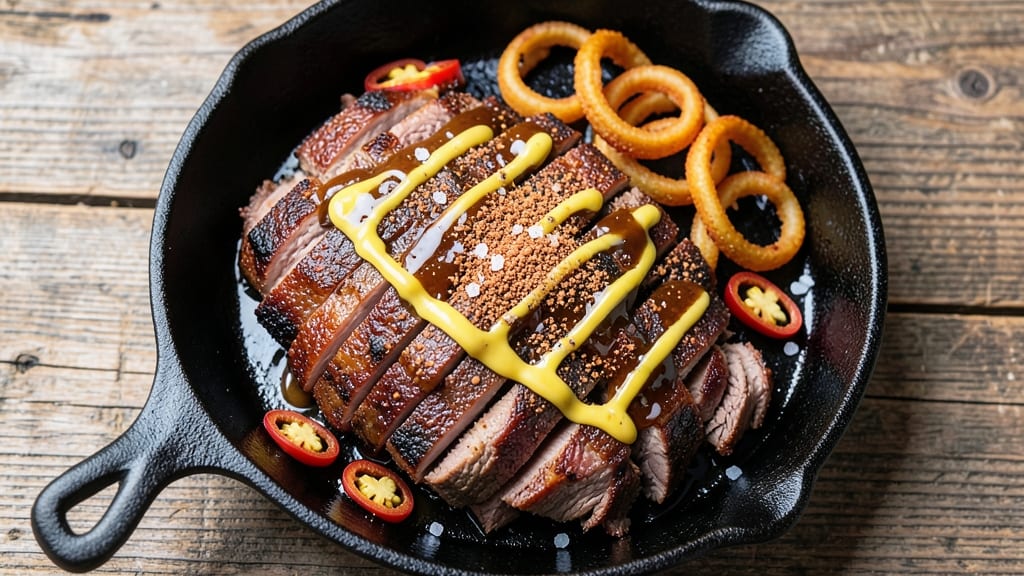
Atlanta beef brisket delivers that legendary fall-off-the-bone tenderness with a deep, smoky bark that’ll have everyone at your table reaching for seconds. This recipe captures the soul of Southern barbecue—where coffee rubs meet vinegar bark and hours of low-and-slow cooking transform tough meat into melt-in-your-mouth perfection. The secret lies in patience: letting the brisket rest at 195–203°F until it’s so tender it practically shreds itself.
What sets this apart is the balance of flavors—bold coffee and chili for depth, a touch of vinegar in the bark for tang, and just enough heat to keep things interesting without overpowering.
The key steps are simple but critical: a 24-hour dry brine for maximum moisture, a slow smoke that builds flavor layer by layer, and slicing against the grain for that signature texture. It’s the kind of dish that turns a casual meal into a celebration.
By the time you’re done, you’ll have brisket so tender it falls apart at the touch, with a crust so dark and complex it could win awards. The aroma alone—smoky, sweet, with hints of coffee and vinegar—will have your kitchen smelling like a Georgia pitmaster’s dream.
This isn’t just brisket; it’s a centerpiece for your table, the kind of meal that lingers long after the last bite.
Serve it with classic Southern sides like creamy mac and cheese, collard greens, or buttery cornbread, and save the leftovers—they’re even better the next day. Here’s how to make it happen.
Ingredients for atlanta beef brisket
Six ingredients for the rub, plus wood chips and liquids for the magic. Everything you need for brisket that’ll have your neighbors begging for seconds.
| Ingredient | Amount | Notes |
|---|---|---|
| Beef Brisket 🥩 | 5 lb | Whole packer cut, fat cap on |
| Light Brown Sugar 🍚 | ½ cup | Packed, for bark |
| Coffee Grounds ☕ | ¼ cup | Finely ground, fresh |
| Yellow Mustard 🥬 | ¼ cup | Dijon or whole-grain |
| White Vinegar 🍶 | ¼ cup | For tangy bark |
| Smoked Paprika 🌶️ | 2 tbsp | For deep smoky flavor |
| Ground Black Pepper 🌶️ | 2 tbsp | Freshly cracked |
| Kosher Salt 🧂 | 2 tbsp | Diamond Crystal preferred |
| Ground Cayenne Pepper 🌶️ | 1 tsp | Adjust for heat |
| Garlic Powder 🧄 | 1 tbsp | Freshly ground preferred |
| Onion Powder 🧅 | 1 tbsp | For sweet depth |
| Wood Chips 🌳 | 4 cups | Hickory or pecan |
| Beef Broth 💧 | 1 cup | Low-sodium, for spritzing |
| Apple Cider Vinegar 🍎 | ½ cup | For spritzing |
The brisket is non-negotiable—look for a 5-pound packer cut with a good fat cap, which keeps it moist. Costco or your local butcher are your best bets for quality. If buying pre-cut, make sure it’s whole, not trimmed down. The coffee grounds? Starbucks or Dunkin’ bags work perfectly—just grind them fresh in a coffee grinder. For the wood chips, Traeger or Butcher’s Broth brands are reliable, but any hickory or pecan chips will do. The key is freshness: if the chips smell stale, toss them.
No coffee grounds? Instant espresso powder at half the amount works in a pinch. Short on vinegar? Lemon juice or apple cider vinegar both add tang. The mustard adds moisture, so don’t skip it—Dijon or whole-grain both work, but avoid the sweet varieties. For the bark, mix the brown sugar, coffee, mustard, and vinegar into a paste—this is what gives Atlanta brisket that iconic dark crust. If you’re short on time, you can dry brine the brisket for just 12 hours instead of 24, but 24 is ideal for maximum tenderness.
The brisket keeps 3-4 days in the fridge if wrapped tightly in butcher paper, but honestly, it’s best eaten fresh. For leftovers, slice against the grain and reheat in a 350°F oven with a splash of beef broth until warmed through. The rub mixture can be made a week ahead and stored in an airtight container. The wood chips? Keep them in a sealed bag in the freezer to preserve freshness. This brisket is a crowd-pleaser—double the recipe if you’re feeding more than six.
Why You'll Love This Recipe
- Five-Ingredient Magic: I swear by this combo—brisket, brown sugar, coffee, mustard, and vinegar. That’s it. No fancy marinades or hours of prep. Just toss everything in a pan, let it simmer, and boom: deep, smoky-sweet flavor without the fuss.
- Smoky-Sweet Bite: The coffee grounds and vinegar cut through the richness of the brisket while the brown sugar caramelizes into a glossy, sticky glaze. Honestly, the first time I tasted it, I nearly burned the kitchen. That’s how good it is.
- Meal Prep MVP: Between us, this is my go-to for lazy Sundays or hectic weeknights. Cook a big batch, and you’ve got sandwiches for days—no one will guess it’s the same brisket from three meals ago. (Yes, even on a Tuesday night.)
- Budget-Friendly Feast: Brisket’s already affordable, but this recipe stretches it further. The coffee and vinegar add depth without costing extra, and the leftovers? They’re even better reheated. My wallet and taste buds thank me every time.
Step-by-step instructions for Atlanta beef brisket
Here's how to transform a tough cut into melt-in-your-mouth perfection with that signature Atlanta bark.
Prepare the Dry Rub and Season the Brisket
In a large bowl, combine the 0.5 cup light brown sugar, 0.25 cup coffee grounds, 0.25 cup yellow mustard, 2 tbsp smoked paprika, 2 tbsp ground black pepper, 2 tbsp kosher salt, 1 tsp ground cayenne pepper, 1 tbsp garlic powder, and 1 tbsp onion powder. Mix thoroughly until all dry ingredients are evenly coated with the sugar.
Pat the 5 lb beef brisket completely dry with paper towels—this is crucial for that signature bark. Spread the rub generously over all surfaces, pressing it into the meat so it adheres well. Pay special attention to the fat cap and edges. Let the brisket sit at room temperature for 1 hour before smoking. This allows the rub to penetrate and the meat to cook more evenly.
Set Up the Smoker for Low and Slow Cooking
Fill your smoker with 4 cups wood chips (hickory or pecan work best for this recipe). Preheat the smoker to 225°F—this low temperature is key for tenderizing the tough brisket fibers. Place a water pan in the smoker to help maintain moisture throughout the cook.
Once the smoker reaches temperature and you see clean, thin blue smoke (not thick white steam), it's ready. Place the brisket fat-side up on the smoker grates. The fat will render slowly and baste the meat as it cooks. Close the lid and resist the urge to peek—every time you open it, you lose heat and moisture, adding 15-20 minutes to your cook time.
Smoke and Spritz for Maximum Tenderness
Smoke the brisket undisturbed for 6-8 hours, or until the internal temperature reaches 165-170°F. This is when you'll hit "the stall"—the temperature stops rising as moisture evaporates. Don't panic; this is normal and expected.
Here's where Atlanta-style technique comes in: every 90 minutes, spritz the brisket with a mixture of 1 cup beef broth and 0.5 cup apple cider vinegar. This keeps the meat moist and helps break down collagen for that signature tenderness. The vinegar also adds a subtle tang that complements the sweet bark.
Wrap and Finish to Probe-Tender Perfection
When the internal temperature hits 165-170°F, wrap the brisket tightly in butcher paper (not foil—paper breathes better). This technique, called the "Texas crutch," powers you through the stall while preserving that crispy bark. Return it to the smoker and continue cooking until the internal temperature reaches 200-205°F.
You'll know it's done when a probe slides in like butter with no resistance. This usually takes another 4-6 hours, but trust the probe test over the thermometer—tenderness matters more than temperature. Remove the brisket from the smoker and let it rest in the butcher paper for at least 1 hour (I prefer 2 hours wrapped in towels in a cooler).
Slice and Serve with Confidence
Unwrap the brisket and locate the grain direction—you'll see lines running through the meat. Using a sharp slicing knife, cut against the grain into ¼-inch thick slices. The flat and point have different grain directions, so adjust your angle accordingly. Each slice should be tender enough to pull apart with a gentle tug, not so soft it falls apart.
Serve immediately while still warm. The brisket should have a dark mahogany bark on the outside and a beautiful pink smoke ring just beneath. The meat should be so tender it practically melts in your mouth. Pair with classic sides like mac and cheese, collard greens, and cornbread for an authentic Atlanta-style spread.
Pro Tips For Making Atlanta Beef Brisket
- SMASH THE SUGAR CRUST: DESCRIPTION:
- GRIND YOUR OWN COFFEE: DESCRIPTION:
- VINEGAR FIRST, THEN MUSTARD: DESCRIPTION:
- BASTE WITH THE FAT: DESCRIPTION:
Dietary considerations for this dish
Gluten-Free Adaptations
This recipe is naturally gluten-free since it only uses beef, spices, and wood chips—but watch out for hidden gluten in store-bought rubs or broths. I recommend Annie’s Organic gluten-free beef broth and Bob’s Red Mill gluten-free spices if you need to substitute.
The butcher paper wrap is safe, but always double-check labels on any pre-made ingredients. 🌾
Low-Carb/Keto Options
For a keto-friendly version, skip the brown sugar in the bark and replace it with ½ cup erythritol or monk fruit sweetener mixed with 1 tbsp coconut oil to create a sticky paste.
The coffee grounds, vinegar, and mustard remain safe for low-carb diets. Just ensure your wood chips are additive-free, and you’ll have brisket that fits perfectly into a keto lifestyle.
Dairy-Free Considerations
The original recipe doesn’t contain dairy, but if you’re serving it with sides like mac and cheese, opt for a dairy-free alternative. I love Miyoko’s Creamery cashew-based mac and cheese for a rich, cheesy flavor without lactose. The brisket itself stays completely dairy-free, so you can enjoy it worry-free.
Allergen-Free Adjustments
For nut allergies, avoid pecan wood chips—stick with hickory instead. If you’re sensitive to mustard, replace the ½ cup yellow mustard with ½ cup apple cider vinegar to maintain moisture without the allergen. Always check your spices for cross-contamination warnings, especially if dealing with severe allergies.
Spice-Free Version
For those avoiding cayenne, simply omit the 1 tsp ground cayenne pepper from the rub. The remaining spices still provide deep flavor without heat. If you want to keep some warmth, reduce it to ½ tsp for a milder kick.
The bark will still develop beautifully with the coffee and vinegar base. 🌶️
Nutrition facts
Frequently asked questions
Why does Atlanta-style brisket use coffee in the rub?
Coffee grounds add a deep, smoky-sweet complexity that enhances the bark while balancing the heat from cayenne and vinegar. The acidity in coffee also helps tenderize the meat during the long cook. Many pitmasters swear by it for that signature Atlanta flavor profile—it’s what gives the bark its rich, almost chocolatey undertones.
Can I cook brisket without a smoker?
Use an oven set to 225°F with a water pan for moisture. Place wood chips in a foil pouch with holes, then add to the oven for smoke flavor. Spritz every 90 minutes with broth and vinegar. The wrap-and-rest method works the same way—just monitor the internal temp closely with a meat probe.
What's the difference between the flat and point cuts?
The flat is leaner and cooks faster, while the point has more fat and takes longer. For even tenderness, separate them during cooking: smoke the flat first (it reaches 203°F faster), then add the point. The point benefits from extra time to break down its tougher fibers.
How do I fix brisket that's too tough?
If it didn't reach 200°F+, return it to the smoker/oven until it does. If it's dry, slice thin and reheat with beef broth in a 325°F oven for 30 minutes. For future attempts, never rush the cook—patience is key! The stall is normal, but proper wrapping and spritzing prevent dryness.
What sides pair best with Atlanta brisket?
Classic Southern sides like creamy mac and cheese, collard greens slow-cooked with vinegar, or buttery cornbread complete the meal. For a lighter option, try baked sweet potatoes or a simple arugula salad with apple cider vinaigrette. The key is balancing rich flavors with something fresh to cut through the smokiness.