
Main Courses
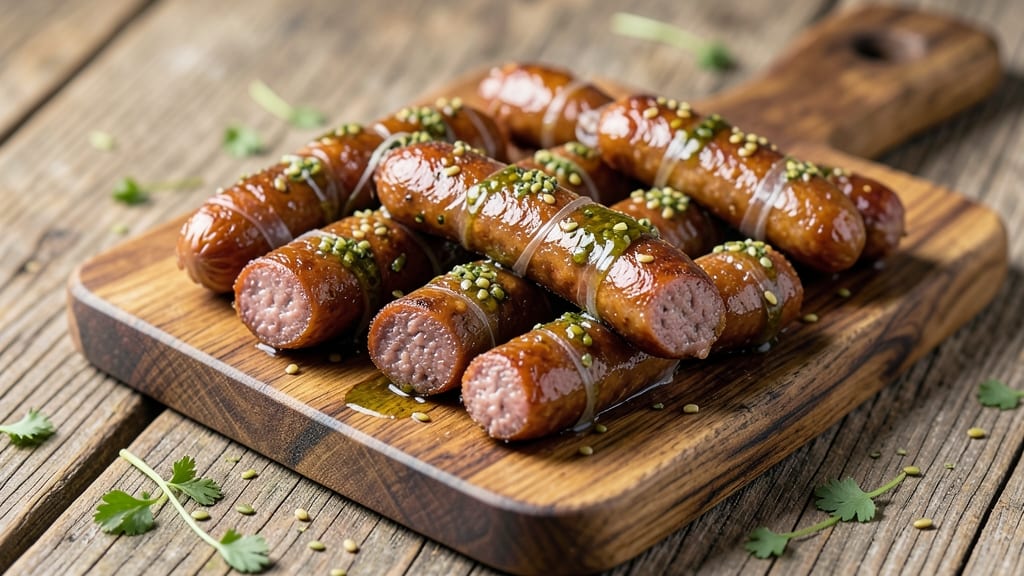
This Australian beef sausage recipe delivers the smoky, spiced crunch with juicy centers that makes every Aussie BBQ legendary. 🔥 The secret lies in the perfect blend of chuck beef, aromatic spices like coriander and fennel, and the right casing technique—whether you choose natural hog casings or synthetic for a foolproof result.
These sausages are built to sizzle on the grill, in a pan, or even slow-cooked for tender perfection that rivals your favorite pub snack.
What sets these apart is the traditional Australian seasoning profile, where earthy coriander meets bright fennel and garlic for a flavor that’s bold yet balanced. The meat mixture is finely textured but never dry, thanks to a precise ratio of fat to lean—critical for that melt-in-your-mouth experience.
Whether you’re serving them on a weekend barbecue, in a hearty pie, or with onion gravy, these sausages bring the authentic taste of Australia to your kitchen.
The magic happens in the cooking: a crispy exterior that shatters with each bite, while the inside remains tender and juicy. This recipe isn’t just about the sausage—it’s about the full experience, from the sizzle on the grill to the rich, savory aroma that fills your home.
Perfect for feeding a crowd or meal prepping, these sausages are a game-changer for anyone craving restaurant-quality flavor at home.
Pair them with classic sides like damper bread or a simple green salad to complete the meal. The best part? You can make a big batch and freeze them for later—because once you try these, you’ll never go back to store-bought.
Let’s get started on your journey to making the best Aussie beef sausages you’ve ever tasted.
Ingredients for australian beef sausage
The secret to legendary Aussie beef sausages: chuck beef, aromatic spices, and the perfect casing technique.
| Ingredient | Amount | Notes |
|---|---|---|
| Chuck Beef 🥩 | 2 ½ lb | 80/20 fat ratio preferred |
| Natural Hog Casings 🐖 | 12 pieces | Soaked in water for 30 mins |
| Synthetic Sausage Casings 🧵 | 12 pieces | Alternative for beginners |
| Ground Coriander Seeds 🌿 | 1 ½ tbsp | Freshly ground for best flavor |
| Ground Fennel Seeds 🌿 | 1 tbsp | Toasted lightly for aroma |
| Garlic Cloves 🧄 | 8 cloves | Minced for intense flavor |
| Kosher Salt 🧂 | 1 ½ tsp | Diamond Crystal preferred |
| Black Peppercorns 🌶️ | 1 ½ tsp | Freshly cracked for heat |
| Ground Cumin 🌿 | 1 tsp | Warm, earthy depth |
| Ice Water 💧 | 1 cup | For meat mixture chilling |
| Butter 🧈 | 2 tbsp | Cold, for casing ease |
| Onion Powder 🧅 | ½ tsp | Sweet onion preferred |
| Smoked Paprika 🌶️ | ½ tsp | For that Aussie smokiness |
The chuck beef is non-negotiable—look for that 80/20 fat ratio at your butcher or grocery store's meat counter. Costco or Whole Foods usually carry it pre-ground, but if you're buying whole, ask for the chuck roast and grind it yourself. The fat content is what gives you that juicy center, while the lean keeps the texture firm. For casings, natural hog casings give the most authentic experience, but synthetic are foolproof for beginners. Soak them in water for 30 minutes before using—don't skip this step or they'll be too stiff. The spices? Toast your coriander and fennel seeds in a dry pan for 30 seconds first—this wakes up their flavors.
No coriander seeds? Ground coriander works in a pinch, but toasted whole seeds are worth hunting down. Short on fennel? Extra fennel seeds plus a pinch of anise mimics that bright, licorice-like note. The garlic should be freshly minced—pre-minced gets bitter. For casings, if you can't find natural hog, collagen casings are the next best thing. The butter might seem odd, but it helps the meat mixture bind better and makes stuffing the casings easier. Want more smokiness? Add a pinch of liquid smoke to the mix, but don't overdo it—you want to taste the spices, not the smoke.
Make these ahead and freeze them—6 months in the freezer, no problem. Thaw overnight in the fridge before cooking. The meat mixture keeps for 2 days in the fridge if you're not stuffing them immediately. For extra crispiness, pat the sausages dry with paper towels before grilling. These are perfect for meal prep: cook a batch, freeze half, and enjoy restaurant-quality sausages all week. The casings? Save any unused natural ones in the fridge with a damp paper towel—good for 1 more use.
Why You'll Love This Recipe
- No Fuss, Big Payoff: Honestly, the hardest part is grinding the beef—everything else is just fun. Chuck roast is cheap and forgiving, and those coriander and fennel seeds? You can pulse them in a spice grinder in 30 seconds flat. No fancy techniques, no stress.
- Taste Like a Pub: That earthy fennel-coriander blend is what makes these sing—crispy outside, juicy inside, with a hint of warmth that lingers. I’ll be real: my first batch had too much fennel, but now it’s my secret weapon for anything from a campfire to a frying pan.
- Leftovers? More Like Leftovers: These sausages freeze like a dream, so I make a big batch and pull them out for breakfast hash, kebabs, or even a quick pasta sauce. No sad, dried-out scraps—just versatile, reliable flavor every time.
- Budget Meets Bold: Chuck beef stretches further than any other cut, and the casings (natural or synthetic) let you control the size—perfect for feeding a crowd without breaking the bank. Between us, I’ve fed six people for under $15 with these.
Step-by-step instructions for Australian beef sausage
Here's how to make smoky, juicy sausages with that perfect Aussie crunch—every bite delivers!
👨🍳 Step 1: Prep the Meat and Spice Blend
Start by grinding the 2.5 lb chuck beef through a coarse meat grinder plate—this creates the perfect texture for juicy centers. While the meat grinds, toast the 1 tbsp ground fennel seeds and 1.5 tbsp ground coriander seeds in a dry skillet over medium heat for 1-2 minutes until fragrant. This step unlocks their full aroma and prevents bitterness.
In a large bowl, combine the ground beef with the toasted spices, 8 cloves minced garlic, 1.5 tsp kosher salt, 1.5 tsp freshly cracked black peppercorns, 1 tsp ground cumin, 0.5 tsp onion powder, and 0.5 tsp smoked paprika. Mix thoroughly with your hands—this ensures even distribution of flavors throughout the meat.
🥘 Step 2: Chill and Prepare the Casings
Place the spiced meat mixture in the refrigerator for 30 minutes to firm up slightly. Meanwhile, prepare the casings: soak the 12 pieces natural hog casings (or 12 synthetic casings for beginners) in ice water for 30 minutes. This softens them and makes them easier to stuff. Drain and rinse them thoroughly before use.
Here's a pro tip—I like to tie a knot at one end of each casing to create a starting point. This prevents the meat from leaking out when you begin stuffing. Keep the casings submerged in cold water until you're ready to use them to maintain flexibility.
🔥 Step 3: Stuff the Sausages
Set up your sausage stuffer with a funnel attachment. Fill the funnel with the chilled meat mixture and begin stuffing the casings. I use a 16-inch length for each sausage—this gives you that classic Aussie size. As you stuff, keep the funnel at a slight angle to prevent air pockets. You should have enough meat for all 12 casings.
Once each casing is about ¾ full, tie off the end with kitchen twine. Leave about 2 inches of empty space at the top—this allows room for the sausage to expand as it cooks. If you're using natural casings, they'll have a slightly rougher texture, while synthetic casings give a smoother finish. Both work perfectly!
🍳 Step 4: Chill and Rest Before Cooking
Place the stuffed sausages on a tray lined with parchment paper and refrigerate for at least 4 hours (overnight is even better). This resting period is crucial—it allows the meat to bind properly and prevents the sausages from bursting when you cook them. The cold temperature also firms up the casings for that satisfying crunch.
While they chill, I like to coat them lightly with 2 tbsp cold butter just before cooking. This creates a beautiful golden crust while keeping the centers juicy. The butter should be cold when applied—this prevents it from melting too quickly and making the sausages greasy.
⏰ Step 5: Cook to Juicy Perfection
Preheat your grill or skillet over medium heat. Cook the sausages for 12-15 minutes, turning occasionally, until they reach an internal temperature of 160°F. You'll know they're ready when the casings develop a deep golden-brown color and the meat feels firm but still juicy when pressed gently.
Here's the secret to juicy centers—I avoid overcooking. The sausages will continue cooking slightly after you remove them from heat. Serve immediately with crusty bread or on a skewer for that classic Aussie BBQ experience. Each bite should deliver that perfect balance of smoky, spiced crunch with a juicy, tender center!
Pro Tips For Making Australian Beef Sausage
- CHILL THE MEAT FIRST: Chuck beef loves a cold start—pull it from the fridge 30 minutes before grinding so it’s firm but pliable. I learned this the hard way after forcing warm meat through the grinder and ending up with a greasy, uneven mix that wouldn’t hold shape. Cold meat binds better and keeps the seasoning evenly distributed.
- GRIND CORIANDER & FENNEL FINE: Pulse those ground seeds in a spice grinder until they’re almost powdery—no visible specks. I used to just eyeball it, but coarse fennel and coriander turn your sausage into a textural disappointment. Think of it like coffee grounds: too coarse, and you’ll taste the grit instead of the flavor.
- STUFF SLOWLY, STRETCH GENTLY: Fill casings halfway with meat, then twist and reinsert the funnel—this prevents air pockets and blowouts. Natural hog casings are stubborn; if they resist, wet your fingers and gently stretch the opening. Synthetic casings? Stuff them faster, but don’t overfill—these things expand when cooked.
- SKIP THE PRE-COOK CHILL: Resist the urge to refrigerate stuffed sausages before cooking—unless you’re making a big batch for later. Freshly stuffed, they’ll hold their shape better on the grill or pan. I used to chill them, and they’d shrink and lose that snappy bite. Cook them within 2 hours for the best texture.
Wine and beer pairings for australian beef sausage
Red Wine Pairings
For these smoky, spiced sausages, a bold Shiraz from Australia’s Barossa Valley is my go-to choice. The rich, dark fruit notes and subtle peppery finish mirror the sausage’s spices beautifully.
Look for a Penfolds Bin 28 or Jacob’s Creek The Drawing Room—both deliver the right balance of fruit and earthiness. The wine’s tannins also help cut through the fat, cleansing your palate between bites. 🍷
Crisp White Options
If you prefer white wine, a Semillon from the Hunter Valley offers a refreshing contrast. Its honeyed notes and slight acidity complement the sausage’s smokiness without overpowering it. Try Tyrell’s Vat 47—it’s crisp enough to stand up to the spices while adding a touch of brightness.
For something lighter, a Sauvignon Blanc with citrus and herbal notes works too, like Kim Crawford from New Zealand.
Beer Pairings
A pale ale with malty sweetness and a hint of caramel is perfect for balancing the sausage’s bold flavors. I love Cooper’s Pale Ale—its roasted malt and subtle hop bitterness create a great contrast.
For something stronger, a dark ale like XXXX Golden Ale adds a touch of richness that pairs wonderfully with the smoky paprika and cumin in the seasoning.
Cider for a Twist
Don’t overlook dry cider—it’s a fantastic, underrated pairing. A hard cider like Angry Orchard or Strongbow with its crisp apple notes and slight bitterness complements the sausage’s spices while adding a refreshing twist.
The acidity in cider also helps balance the richness of the meat, making each bite feel lighter. 🍺
Non-Alcoholic Choices
For a non-alcoholic option, sparkling water with a splash of lime is my top pick. The bubbles and citrus cut through the richness, while a ginger beer like Feather’s adds a spicy kick that echoes the sausage’s seasoning.
If you prefer something warmer, a chai tea latte with cinnamon and cardamom enhances the earthy spices in the meat.
Nutrition facts
Frequently asked questions
What's the best cut of beef for Australian-style sausages?
Use chuck beef with an 80/20 fat ratio—this balance delivers the juiciest centers while keeping the texture firm. The fat content is key for that melt-in-your-mouth experience. Never use leaner cuts like sirloin, as they'll dry out during cooking.
Can I make these sausages without a meat grinder?
Use a sharp knife to finely chop the beef by hand—aim for a texture similar to ground meat. For even results, pulse the beef in a food processor until it reaches a coarse consistency. The key is keeping the fat and lean evenly distributed throughout the mixture.
Why do my homemade sausages burst when cooking?
This usually happens when the meat mixture isn't chilled properly before stuffing or the casings are overfilled. Always refrigerate the meat for 30 minutes before stuffing and leave 2 inches of empty space at the top of each casing. Also ensure your casings are properly soaked and tied off securely.
What's the difference between natural and synthetic casings?
Natural hog casings give an authentic, slightly rough texture and rich flavor, while synthetic casings are smoother and easier for beginners. Natural casings require soaking but create that classic Aussie BBQ experience. Synthetic casings are more forgiving and won't shrink as much during cooking.
How long can I store homemade sausages?
Cooked sausages keep for 3-4 days in the fridge or 6 months in the freezer. Uncooked stuffed sausages last 2 days in the fridge or 3 months frozen. Always thaw in the refrigerator overnight for best results. The flavor actually improves after a few days of resting!