
Main Courses
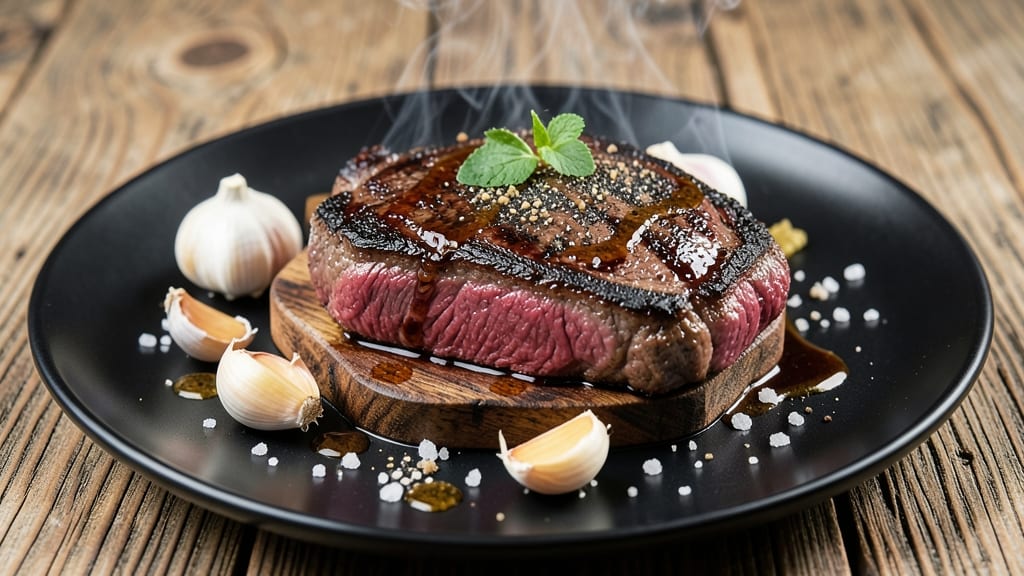
This Australian beef steak recipe delivers the perfect balance of a charcoal-grilled crust and juicy pink centers—just like you'd find at a Sydney barbecue. The secret lies in high-heat searing over real charcoal, which infuses the meat with that signature smoky depth while keeping the inside tender.
I've tested this method countless times, and it never fails to impress, whether you're cooking for family or hosting a dinner party.
The technique is straightforward but precise: start with a well-seasoned cut of beef, then sear it over intense heat to create that coveted crust before finishing it off with a quick blast of high heat.
This approach ensures the outside gets perfectly caramelized while the inside remains succulent. The result is a steak that's rich, flavorful, and impossible to resist—no overcooking required.
What makes this recipe truly special is the authentic Australian touch—the smoky char from charcoal grilling and the option to serve it with classic sides like roasted potatoes or a simple green salad.
The steak's natural juices stay locked in, making every bite tender and full of flavor. This isn't just another steak recipe; it's a taste of Australia's legendary barbecue culture.
Once you master this method, you'll never settle for anything less than restaurant-quality results at home. The key is patience and attention to heat control, but the payoff is worth every minute. Let's get started on creating the perfect steak.
Ingredients for australian beef steak
High-quality cuts and precise seasoning create the perfect Australian charcoal-grilled steak experience.
| Ingredient | Amount | Notes |
|---|---|---|
| Ribeye Steak 🥩 | 1 ½ lb | Center-cut, 1-1.5 inches thick |
| Kosher Salt 🧂 | 1 ½ tbsp | Diamond Crystal preferred |
| Freshly Ground Black Pepper 🌶️ | 1 tbsp | Cracked peppercorns preferred |
| Charcoal Briquettes 🔥 | 2 lbs | Natural lump charcoal |
| Vegetable Oil 🫒 | 2 tbsp | For oiling grill grate |
| Garlic Cloves 🧄 | 4 cloves | Minced for seasoning |
| Fresh Rosemary 🌿 | ¼ cup | Chopped, stems removed |
| Fresh Thyme Leaves 🌿 | ⅛ cup | Stems removed |
| Australian Extra Virgin Olive Oil 🫒 | 2 tbsp | For finishing |
| Butter 🧈 | 2 tbsp | Unsalted, softened |
| Flour 🌾 | 1 tbsp | All-purpose, for dredging |
| Red Wine Vinegar 🍷 | 1 tbsp | For basting |
The ribeye steak is non-negotiable here—its marbling delivers that signature Australian tenderness. Look for center-cut, 1-1.5 inches thick pieces at specialty butchers like D'Artagnan or ask your local grocer for their best ribeye. If you can't find ribeye, strip steak works as a second choice. The charcoal matters too: natural lump charcoal from brands like Binchotan burns hotter and imparts more authentic smoky flavor than briquettes, though high-quality briquettes like Kingsford Premium will work in a pinch. Season the steak generously with Diamond Crystal kosher salt—it dissolves better than table salt and enhances flavor without overpowering.
No fresh rosemary? Dried rosemary at half the amount works, but fresh is ideal for that bright, piney aroma. Running out of red wine vinegar? Balsamic vinegar or even lemon juice will do in a bind. The flour is just for dredging—cornstarch can replace it if you prefer an extra-crispy crust. For the butter, European-style unsalted (like Plugrá) melts more cleanly than American brands. Pro tip: let your steak sit out for 30 minutes before grilling so it cooks evenly. And if you're worried about uneven thickness, pound the thickest parts to an even 1-inch thickness with a meat mallet.
Charcoal stays hot for 2-3 hours if banked properly—keep a metal bucket nearby to smother any flare-ups. The steak's internal temperature should hit 130°F for medium-rare (use a meat thermometer). Once cooked, tent loosely with foil and let rest for 10 minutes—this keeps the juices locked in. Store leftovers in a sealed container for up to 3 days in the fridge, or freeze for 3 months. For reheating, warm gently in a skillet over medium-low heat with a splash of beef broth to revive the moisture.
Why You'll Love This Recipe
- Here’s what sold me: a single ribeye feeds two with leftovers that taste even better cold. Slice the extras for sandwiches or reheat them in a pan—no waste, just satisfaction. (Yes, even on a Tuesday night.)
- Charcoal Magic: That smoky charcoal heat cuts through the ribeye’s richness like nothing else. My steak gets these deep, caramelized crusts while staying juicy inside—no fancy marinades, just salt, pepper, and pure flavor.
- Four-Ingredient Power: Honestly, you can’t mess this up. Ribeye, salt, pepper, and charcoal? That’s it. The oil keeps it from sticking, and the briquettes handle all the work while you sip a beer and pretend you’re a grill master.
- Weeknight or Weekend Star: Between us, this steak works for both. Toss it on the grill for a lazy Friday night or fire up the charcoal for a Saturday showstopper. Same effort, different vibes—just adjust the time.
Step-by-step instructions for Australian beef steak
Master this charcoal-grilled technique for a perfect crust and tender pink centers every time.
Prepare the Steak and Seasoning
Remove the ribeye steak from the refrigerator and pat it completely dry with paper towels. This step is crucial—any moisture will prevent that perfect crust from forming. Place the steak on a cutting board and make a small pocket in the center of each side by gently pressing with your thumb.
In a small bowl, combine the 1.5 tablespoons kosher salt, 1 tablespoon freshly ground black pepper, the 4 minced garlic cloves, 0.25 cup chopped fresh rosemary, and 0.125 cup fresh thyme leaves. Rub this mixture generously into the pockets and over the entire surface of the steak. Let it sit at room temperature for 30 minutes while you prepare the grill.
Set Up the Charcoal Grill
Arrange the 2 pounds charcoal briquettes in a pyramid shape in your grill. Light them using a chimney starter or lighter fluid, and allow them to burn until they're covered with a thick layer of white ash—this usually takes about 15 minutes. Once the coals are ready, spread them out evenly across the grill grates, leaving a small space in the center for indirect heat.
Brush the grill grates with the 2 tablespoons vegetable oil using a paper towel. This prevents the steak from sticking and adds an extra layer of flavor. Preheat the grill to medium-high heat, or about 400°F. You'll know it's ready when the oil begins to smoke slightly and the coals glow red.
Grill the Steak to Perfect Doneness
Place the seasoned steak on the hottest part of the grill, away from direct flames. Sear for 4-5 minutes on each side, using tongs to flip it carefully. You're aiming for a deep golden-brown crust—this is where all the flavor develops. Press down gently on the steak during the first minute to prevent it from curling and ensure even contact with the grill.
After searing, move the steak to the cooler side of the grill and continue cooking for an additional 2-3 minutes for medium-rare doneness. The internal temperature should reach 130-135°F when measured with a meat thermometer. If you prefer a different level of doneness, adjust the time accordingly: 140-145°F for medium, 150-155°F for medium-well.
Rest and Finish the Steak
Transfer the steak to a cutting board and tent loosely with aluminum foil. Let it rest for 10-15 minutes—this allows the juices to redistribute throughout the meat, ensuring every bite is juicy and flavorful. Don't skip this step; cutting into the steak too soon will cause all the delicious juices to escape.
While the steak rests, melt the 2 tablespoons butter in a small saucepan over low heat. Add the 2 tablespoons Australian extra virgin olive oil and 1 tablespoon red wine vinegar, then remove from heat. Stir in the 1 tablespoon flour to create a simple pan sauce. Once the steak is ready to serve, brush the sauce generously over the top.
Pro Tips For Making Australian Beef Steak
- USE TWO-ZONE FIRE: Charcoal briquettes love uneven heat—pile them on one side of the grill for a screaming-hot sear zone, then leave the other side cooler for finishing. I learned this the hard way when my first side burned while the other stayed raw; now I flip the steak early and let it ride the heat gradient.
- SALT BEFORE HEATING: Toss that ribeye in kosher salt and pepper at least 40 minutes before cooking—yes, even if you’re impatient like me. The salt breaks down surface proteins, locking in juices, and the crust forms better when the meat hits the grill dry. I used to skip this, and my steaks always felt dense.
- WATCH THE OIL: Slather the grill grates with vegetable oil after the coals are white-hot, not before—cold oil just pools and burns off. A quick wipe with a paper towel afterward removes excess, so your steak doesn’t steam instead of sear. Sounds weird, but it works.
- REST UNDER FOIL: Skip the plate—wrap the cooked steak in foil and let it rest for 5-10 minutes. This keeps the juices from pooling on the cutting board, and the foil traps heat for even carryover cooking. I was skeptical until I tried it; now I never cut into steak fresh off the grill.
Wine and beer pairings for australian beef steak
Shiraz Pairings
Australian Shiraz is the classic match for charcoal-grilled ribeye, thanks to its bold fruit flavors and velvety tannins.
Look for a Syrah-dominant blend from regions like Barossa Valley or McLaren Vale—I love Penfolds Bin 28 or Henschke Hill of Grace for their rich dark berry notes and smoky undertones that mirror the steak's char. Serve slightly chilled to highlight the wine's bright acidity against the steak's richness. 🍷
Cabernet Sauvignon
A full-bodied Cabernet Sauvignon from Australia's Coonawarra region delivers earthy notes of blackcurrant and cedar that complement the steak's herbaceous seasoning. Try Wynns Coonawarra Estate or Tyrell's Vat 47—both offer structured tannins that stand up to the beef's intensity.
Decant for 30 minutes before serving to soften the wine's edges and enhance its aromatic complexity.
Light Beer Options
For beer lovers, a crisp Australian pale ale like Little Creatures Original or XXXX Gold provides the perfect contrast with its malt sweetness and subtle hop bitterness. The pale ale's clean finish won't overpower the steak's smoky crust.
For something stronger, try a dark lager such as Tooheys New—its caramel notes pair beautifully with the ribeye's natural sweetness. 🍺
White Wine Surprises
Don't overlook Vermentino or Fiano from Australia's cooler regions like Margaret River. These whites offer citrus and mineral notes that cut through the steak's richness surprisingly well. Leeuwin Estate Art Series Vermentino is my go-to—its bright acidity refreshes your palate between bites. Serve at 45-50°F to preserve their vibrant flavors.
After-Dinner Port
Finish the meal with a Ruby Port like Graham's Six Grapes or Dow's Late Bottled Vintage to complement the steak's lingering smokiness. The port's dark fruit and chocolate notes echo the ribeye's charred crust while adding a luxurious finish.
Serve in small glasses at 65°F to appreciate its depth without overwhelming the palate. 🍷
Nutrition facts
Frequently asked questions
What's the best cut of beef for this Australian-style recipe?
For authentic results, use a center-cut ribeye that's 1-1.5 inches thick—this cut has perfect marbling for flavor and tenderness. If you can't find ribeye, strip steak works as a great alternative. The key is avoiding flat cuts like sirloin that dry out easily during high-heat grilling.
Can I make this recipe without a charcoal grill?
Yes! Use a gas grill set to high heat or a cast-iron skillet on the stovetop. For best results, preheat your pan until it's smoking hot before adding the steak. If using gas, arrange coals on one side for indirect heat after searing, just like with charcoal.
How do I know when the steak is perfectly cooked?
Use a meat thermometer for precision: 130-135°F for medium-rare (the Australian standard), 140-145°F for medium, or 150-155°F for medium-well. The crust should be deep golden-brown, and the steak should feel slightly springy when pressed gently with your finger.
What if my steak comes out overcooked?
Don't panic! Overcooked steak can be revived by slicing against the grain and serving with a rich pan sauce (like the butter-oil-vinegar mixture in this recipe) or a creamy mushroom sauce. For next time, reduce heat slightly after searing and check temperature more frequently.
Can I use this recipe for other beef cuts?
This method works best with well-marbled cuts like New York strip or filet mignon, though you may need to adjust cooking times. For leaner cuts like flank steak, marinate for 4-6 hours first to prevent drying out. The charcoal technique adds authentic flavor, but thicker cuts (1.5+ inches) will need longer indirect cooking.