
Main Courses
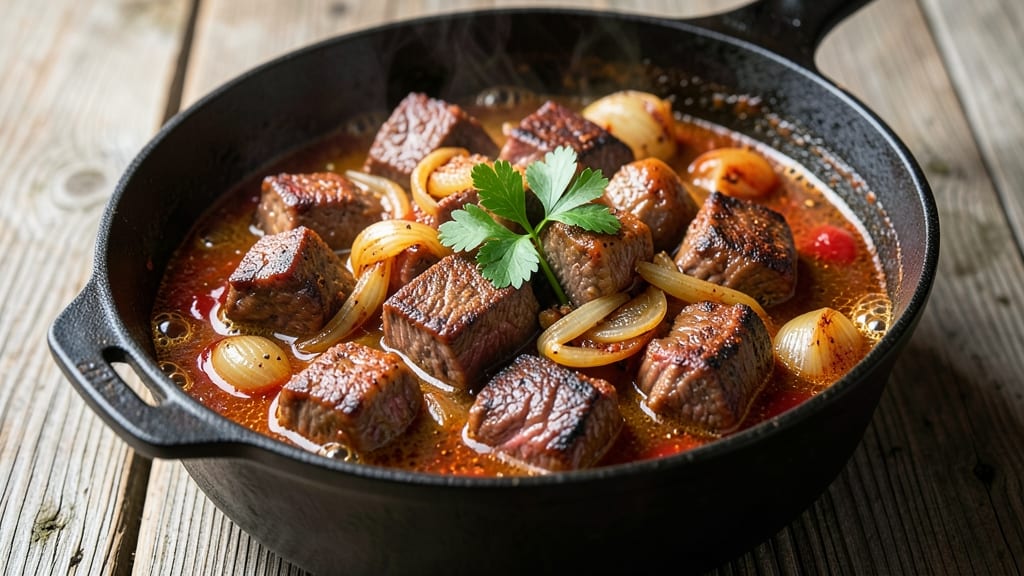
Austrian beef goulash transforms tough cuts of beef into melt-in-your-mouth tenderness through slow simmering and layers of smoky paprika. This classic Central European stew delivers deep, complex flavors with just a few simple ingredients—no fancy techniques required. The key lies in proper browning and patient cooking, which develops rich, caramelized undertones that make every bite unforgettable.
What sets this recipe apart is its authentic preparation: beef seared to a deep brown, onions caramelized until golden, and paprika toasted to release its full aromatic potential. The slow simmer transforms these components into a hearty stew where the beef practically falls apart.
Traditional sides like boiled potatoes and fresh carrots complete the meal, offering both substance and balance.
By the time you serve this goulash, your kitchen will be filled with an irresistible aroma that announces dinner is ready. The stew itself is thick, velvety, and packed with flavor—each spoonful delivering tender beef, tender vegetables, and that signature paprika warmth.
The optional sour cream garnish adds a touch of creaminess that elevates the dish to restaurant-quality perfection.
Perfect for family dinners, potlucks, or cozy weeknight meals, this goulash serves as both a comforting classic and a showstopping centerpiece. Pair it with crusty bread or fluffy dumplings to soak up every last drop of that rich, savory broth. Let's get cooking!
Ingredients for austrian beef goulash
Sixteen essential ingredients transform tough beef into velvety goulash perfection through slow simmering and aromatic spices.
| Ingredient | Amount | Notes |
|---|---|---|
| Chuck Roast Beef 🥩 | 3 lb | Cut into 1.5-inch cubes, trimmed of excess fat |
| Yellow Onions 🧅 | 3 whole | Thinly sliced, about 4 cups total |
| Garlic Cloves 🧄 | 6 cloves | Minced, for deep aromatic base |
| Sweet Hungarian Paprika 🌶️ | 2 tbsp | Toasted in oil for maximum aroma |
| Smoked Paprika 🌶️ | 1 tbsp | For smoky depth (optional but recommended) |
| Tomato Paste 🍅 | ½ cup | San Marzano preferred for rich flavor |
| Beef Broth 💧 | 4 cups | Homemade or high-quality low-sodium |
| Red Wine 🍷 | 1 cup | Bold dry red like Cabernet Sauvignon |
| Carrots 🥕 | 4 whole | Cut into 1-inch chunks, peeled |
| Bay Leaves 🍃 | 2 whole | Fresh preferred, removed before serving |
| Fresh Thyme 🌿 | 2 tbsp | Leaves only, chopped finely |
| Black Peppercorns 🌶️ | 1 tsp | Freshly cracked for optimal flavor |
| Diamond Crystal Kosher Salt 🧂 | 1 ½ tsp | Adjust to taste, added gradually |
| Extra-Virgin Olive Oil 🫒 | 2 tbsp | For searing and deglazing |
| Sour Cream 🥛 | ¼ cup | Full-fat, for garnish (optional) |
The beef selection is critical—chuck roast delivers the ideal texture, while sirloin or ribeye will stay too firm. For the best quality, source from local butchers or specialty markets where you can verify freshness by the vibrant red color and good marbling. If using pre-cut beef, choose pieces that are uniformly sized for even cooking. The paprika deserves special attention: Hungarian sweet paprika from Penzeys or bulk bins provides that authentic, slightly sweet depth, while smoked paprika adds complexity. Toast your spices in the oil before adding them—a quick 30-second bloom in the pot releases their full aromatic potential, which is non-negotiable for authentic flavor.
No Hungarian paprika? Sweet paprika from a reliable brand like McCormick works in a pinch, though it lacks the depth. Running low on red wine? Beef broth with 1 tbsp balsamic vinegar mimics the acidity and richness. Fresh thyme unavailable? Dried thyme at one-third the amount suffices, but it won't have the same bright herbal note. For the tomato paste, San Marzano in a tube from Trader Joe's is ideal—it's concentrated, never watery, and keeps for months. The carrots can be baby carrots if you're short on time, but whole carrots develop a deeper sweetness. If you're making this ahead, freeze the raw ingredients together—just add broth later when ready to cook.
This goulash develops even better overnight, so make it a day ahead if possible. Store in an airtight container in the fridge for up to 5 days, or freeze for 3 months in portions. For serving, bring to room temperature before reheating gently on low heat—never boil, or the texture will break. The sour cream garnish is optional but recommended; stir in a spoonful at the end for a creamy finish, or serve it on the side for dipping crusty bread. Leftovers reheat beautifully, and the flavors actually deepen as the stew sits. Portion into containers for easy lunches—this makes 6 hearty servings, perfect for meal prep.
Why You'll Love This Recipe
- One-Pot Magic: I swear by this recipe—just dump everything into a Dutch oven, let it simmer, and walk away. No chopping boards to clean, no extra pans, just that rich, smoky aroma filling your kitchen while you do anything else.
- Paprika Powerhouse: Honestly, the combo of sweet and smoked paprika is what makes this dish ridiculously good. That deep, earthy warmth from the Hungarian paprika? It clings to the beef like a hug, turning tough chuck roast into melt-in-your-mouth perfection.
- Leftovers That Win: Between us, this goulash only gets better the next day. The flavors meld into something even richer, and it reheats like a dream—perfect for lunches or freezing for those nights when you’d rather not cook at all.
- Budget-Friendly Feast: A chuck roast stretches for a crowd, and onions/garlic/paprika won’t break the bank. I’ve fed six people for under $15, and everyone leaves happy (including my picky teenager, who actually asked for seconds).
Step-by-step instructions for Austrian beef goulash
Master this classic Central European stew with rich paprika flavors and tender beef.
Sear the Beef for Deep Flavor
Heat a large Dutch oven over medium-high heat and add the 2 tablespoons extra-virgin olive oil. Working in batches, add the 3 lb chuck roast beef cut into 1.5-inch cubes and sear for 3-4 minutes per side until deep golden brown. This step develops the Maillard reaction, creating complex flavors that form the base of your goulash.
Remove the beef from the pot and set aside. If the oil becomes crowded and the temperature drops, reduce the batch size to maintain proper searing. The goal is to achieve a caramelized crust on each piece of beef—this ensures maximum flavor extraction when we deglaze later.
Build the Aromatic Base
In the same Dutch oven, add the 3 whole yellow onions sliced thinly and cook for 5-6 minutes until softened and beginning to caramelize. Add the 6 cloves minced garlic and cook for 30 seconds until fragrant—don't let it brown or it will become bitter.
Next, add the 2 tablespoons sweet Hungarian paprika and 1 tablespoon smoked paprika. Toast these spices for 30 seconds while stirring constantly—their aroma will fill your kitchen and form the signature flavor profile of this dish. Be careful not to let them burn, as this will create a bitter taste that overpowers the delicate paprika notes.
Develop the Sauce Foundation
Pour in the 1 cup red wine and scrape up all the browned bits from the bottom of the pot with a wooden spoon. This deglazing step captures all the flavor you've built so far. Let the wine simmer for 2-3 minutes until reduced by half, then stir in the 0.5 cup tomato paste and cook for another 1 minute to thicken the base.
Add the 4 cups beef broth, 4 whole carrots cut into 1-inch chunks, 2 whole bay leaves, 2 tablespoons fresh thyme, and 1 teaspoon cracked black peppercorns. Stir well to combine, then return the seared beef to the pot. Bring the mixture to a gentle simmer, then reduce heat to low and cover partially.
Slow Cook Until Tender
Simmer the goulash uncovered for 2.5-3 hours until the beef is fork-tender and easily pulls apart. You'll know it's ready when the meat separates cleanly from the bone and the sauce has thickened slightly. The carrots should be tender but still hold their shape.
About 30 minutes before the goulash is done, add the 1.5 teaspoons kosher salt, adjusting to taste. This timing allows the salt to fully integrate into the dish without overpowering the delicate paprika flavors. The sauce should coat the back of a spoon and have a velvety consistency—if it's too thin, simmer uncovered for another 10-15 minutes to reduce.
Finish and Serve
Remove the 2 bay leaves and discard them. Taste the goulash and adjust seasoning if needed—you may need a touch more salt or a pinch of paprika to balance the flavors. For serving, ladle the goulash into bowls and top each portion with 0.25 cup sour cream, allowing it to swirl into the rich sauce.
Serve immediately with crusty bread or over buttered egg noodles. The contrast between the creamy sour cream and the deep, spiced beef creates a perfect balance of textures. This goulash tastes even better the next day as the flavors continue to meld together, so consider making extra for leftovers.
Pro Tips For Making Austrian Beef Goulash
- SEAR THE CHUCK FIRST: Walk away from the pan after the first 2 minutes—let the meat develop a deep crust before stirring. I learned this the hard way when my goulash tasted more like stewed beef than rich, caramelized flavor. The crust locks in juices and carries the paprika’s smoky depth.
- SWEAT ONIONS LOW AND SLOW: Cover the onions with a lid and let them melt into the pan for 15 minutes before adding garlic. Sounds tedious, but it turns them translucent and sweet instead of bitter—exactly what Austrian goulash needs. Skip this, and you’ll taste raw onion in every bite.
- BLOOM THE PAPRIKAS TOGETHER: Toast both paprikas in the hot oil for 30 seconds before adding liquid—this wakes up their flavors. My grandmother swore by this, and she was right: skipping it makes the dish taste flat, like someone forgot the soul of the recipe.
- REST THE MEAT AFTER SEARING: Let the chuck roast sit for 5 minutes under foil before slicing—yes, even if you’re impatient like me. This keeps it juicy; I’ve ruined goulash by cutting too soon, and the result was dry, sad beef. Your future self will thank you.
Wine and beer pairings for this austrian beef goulash
Red Wine Harmony
Austrian goulash and bold red wines are a match made in culinary heaven. I always reach for a Hungarian Egri Bikavér—this deep, rustic red from the village of Egri Bikavér has been crafted since 1857 and mirrors the goulash's paprika richness with notes of dark berries and subtle spice.
The wine's 13-15% alcohol content cuts through the stew's richness while its medium tannins complement the beef's tenderness. 🍷
For something more accessible, a Cabernet Sauvignon from Napa Valley works beautifully—look for one with 14-15% alcohol and medium body to balance the dish's heartiness. I love Robert Mondavi Reserve Cabernet for its classic structure and approachable price point.
Always serve your wine at 60-65°F to preserve its aromatic qualities and let the flavors sing alongside the goulash.
Beer Pairings
When it comes to beer, I find that dark lagers and amber ales bridge the gap between goulash's depth and the refreshing quality of beer.
A Dunkel lager like Ayinger Altbairisch Dunkel offers malty sweetness that mirrors the paprika's warmth while its 5.5% ABV keeps the meal from feeling too heavy. The beer's caramel notes enhance the caramelized onions in the stew, creating a harmonious flavor connection. 🍺
For a lighter option, try a German-style Märzen like Weihenstephaner Original—its 12% maltiness and 16-18° Plato body provide enough substance to stand up to the beef while its golden hue contrasts nicely with the stew's deep red color.
Serve both beer and wine slightly chilled at 45-50°F to enhance their refreshing qualities against the warm goulash.
Non-Alcoholic Options
Don't overlook non-alcoholic pairings—sparkling apple cider like Martinelli's adds a crisp, fruity contrast that cleanses the palate between bites. The 10% acidity in these ciders cuts through the richness of the goulash while its slight sweetness balances the paprika's heat.
I often serve this chilled at 40-45°F for an elegant touch. 🍏
For a more robust option, try a smoked tea like Lipton Smoky Mountain—its hint of smoke echoes the smoked paprika in the stew while the black tea base provides a satisfying contrast. Serve it iced with lemon to enhance its refreshing qualities and complement the meal's hearty nature.
Serving Temperature
Always serve your wine or beer at the correct temperature to maximize flavor impact. Red wines should be 60-65°F, beers 45-50°F, and non-alcoholic options 40-45°F. I keep my wine fridge set to 55°F and let bottles sit for 15-20 minutes before serving to reach the ideal temperature.
For beer, I use a beer chiller that circulates cold water around the bottle—this maintains a consistent temperature without over-chilling. 🌡️
Nutrition facts
Frequently asked questions
Can I use ground beef instead of chuck roast?
While it's possible, ground beef won't give you the same tender, melt-in-your-mouth texture. The chuck roast's connective tissue breaks down during the long simmer, creating that signature velvety consistency. If you must use ground beef, choose 80/20 lean-to-fat ratio and reduce cooking time to 1.5 hours—just don't expect the same restaurant-quality result.
How do I make this goulash spicier?
Add ½ teaspoon cayenne pepper when toasting the paprika, or stir in 1 tablespoon hot sauce at the end. For authentic heat, use Hungarian hot paprika instead of sweet paprika—it has a mild spiciness that complements the dish beautifully. Always taste as you go!
Can I make this goulash in a slow cooker?
Brown the beef and onions first in a skillet, then transfer everything to your slow cooker. Cook on low for 7-8 hours or high for 4-5 hours. The slow cooker's gentle heat works perfectly for tenderizing the beef. Just add the salt 30 minutes before serving to prevent over-seasoning.
What's the best way to reheat leftovers?
Gently reheat on the stove over low heat with a splash of beef broth to restore moisture. Never microwave—it makes the sauce watery. For best results, reheat just until warmed through (5-7 minutes) and serve immediately. The flavors actually improve overnight!
Why does my goulash taste bitter?
Most likely, your paprika burned during toasting or you overcooked the onions. For next time, toast spices over low heat and remove from heat immediately when aromatic. Also, don't let the wine reduce too much—keep it simmering gently. A splash of red wine or a pinch of sugar can often rescue a bitter batch.