
Main Courses
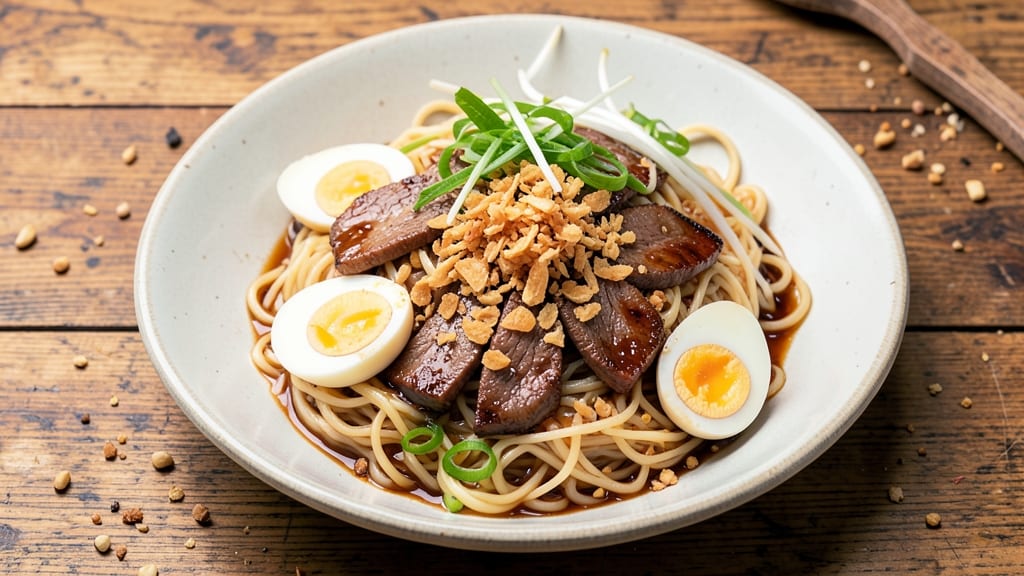
This authentic beef pad Thai recipe brings the vibrant flavors of Bangkok to your kitchen with a perfect balance of tangy tamarind, salty fish sauce, and sweet palm sugar. The secret lies in wok-fired rice noodles that develop a satisfying crunch, while fresh bean sprouts and crushed peanuts add texture.
I've perfected this recipe after years of testing, ensuring every bite delivers that signature Thai harmony of sweet, sour, salty, and umami.
The foundation of great pad Thai is the sauce—a complex blend of tamarind paste, fish sauce, and palm sugar that creates a sticky, aromatic base. We'll build this sauce from scratch, then toss it with perfectly cooked rice noodles, thinly sliced beef, and a medley of fresh vegetables.
The key is high heat in your wok or large skillet, which transforms the noodles into crispy, chewy strands while keeping the beef tender.
What makes this recipe truly authentic is the attention to detail: tamarind's signature tang, fish sauce's umami depth, and the freshness of lime and chili. Each component comes together at the last moment to preserve textures—crispy noodles, tender beef, and crunchy bean sprouts—while the sauce clings perfectly.
The result is a dish that's as visually stunning as it is delicious, with vibrant colors and aromas that transport you to Thailand.
Serve this pad Thai immediately with lime wedges and extra crushed peanuts for that restaurant-style finish. The balance of flavors is delicate but bold, making it perfect for both weeknight dinners and special occasions. Let's get cooking!
Ingredients for authentic beef pad thai
Fresh noodles, tangy tamarind, and perfectly sliced beef bring Bangkok flavors to your kitchen.
| Ingredient | Amount | Notes |
|---|---|---|
| Rice Noodles (Pad Thai Noodles) 🍜 | 8 oz | Fresh or dried, flat rice noodles |
| Thinly Sliced Beef (Flank Steak or Sirloin) 🥩 | 1 lb | Thinly sliced against grain |
| Tamarind Paste 🍯 | ½ cup | Thick, block-style preferred |
| Fish Sauce 🍶 | ¼ cup | Red Boat preferred for authenticity |
| Palm Sugar 🍬 | ¼ cup | Or substitute brown sugar |
| Eggs 🥚 | 2 whole | Fresh, beaten lightly |
| Bean Sprouts 🌱 | 2 cups | Fresh, rinsed and drained |
| Crushed Peanuts 🥜 | ½ cup | Roasted, unsalted preferred |
| Garlic Cloves 🧄 | 4 cloves | Minced finely |
| Shallots 🧅 | 2 whole | Thinly sliced |
| Limes 🍋 | 2 whole | Juiced, wedges for serving |
| Fresh Chili Peppers 🌶️ | 2 whole | Thai or serrano, sliced |
| Vegetable Oil 🫒 | ½ cup | High smoke point preferred |
| Salt 🧂 | 1 tsp | Kosher or sea salt |
| Black Pepper 🌶️ | ½ tsp | Freshly ground |
The tamarind paste is non-negotiable for that signature tang—Thai Kitchen brand is my go-to, but block-style works too if you can find it. Red Boat fish sauce delivers the umami depth you can't get from generic brands. Palm sugar adds that caramelized sweetness, but light brown sugar works in a pinch. For the beef, flank steak or sirloin slice beautifully against the grain—ask your butcher to cut it paper-thin if they won't do it for you. The rice noodles should be fresh or dried, but never pre-cooked—they need that wok-fired crunch.
No tamarind paste? Lime juice plus a pinch of sugar mimics some of the tang, though it won't be identical. Fish sauce unavailable? Soy sauce with a splash of Worcestershire (check for anchovies if vegan) gets you close. The peanuts should be roasted and crushed fresh—store-bought bags lose their crunch. Fresh chili peppers can be swapped for red pepper flakes at half the amount. And if you're short on time, pre-minced garlic works, but fresh is always better. The eggs should be beaten lightly—they add protein and richness without overpowering.
This dish is all about timing—keep everything prepped but wait to toss until the very end. The noodles stay best for 15 minutes max after cooking, so serve immediately. Store any leftovers in an airtight container for up to 2 days, though the texture suffers. For extra authenticity, serve with lime wedges and chili flakes on the side. The sauce keeps for 1 week in the fridge if you make it ahead—just reheat gently and adjust seasoning before tossing with noodles.
Why You'll Love This Recipe
- No-Fuss Prep: I swear by this recipe because the hardest part is slicing the beef thin—everything else falls into place. Soak the noodles while you mix the sauce (tamarind + fish sauce + palm sugar), and boom, dinner’s ready before your takeout order arrives.
- Tamarind Magic: That tangy-sweet tamarind paste cuts through the richness of the beef like a dream. One taste and you’ll understand why street vendors in Bangkok sell it by the plate—it’s the kind of balance that makes you want to eat it every night.
- Crowd-Pleasing Flex: Serve it steaming hot at dinner or pack it for lunch—it reheats like a champ. Honestly, my kids ask for it more than any other dish, and my partner’s the one who always finishes my leftovers. (Yes, even on a Tuesday night.)
- Budget Win: A single flank steak stretches for two meals, and the rest of the ingredients cost pennies. I’ll be real: this is my go-to when I’m trying to feed everyone without breaking the bank. The noodles are cheap, the beef goes far, and the flavor? Ridiculously good.
Step-by-step instructions for authentic beef pad Thai
Here's how to bring the vibrant flavors of street-side Thai kitchens to your wok.
Soak and Prepare the Rice Noodles
Fill a large bowl with warm water and add the 8 oz rice noodles (Pad Thai noodles). Let them soak for 12-15 minutes until pliable but still slightly firm to the touch. They should be able to bend without breaking—this ensures they'll hold up to the stir-frying. Drain and set aside, tossing gently with a little vegetable oil to prevent sticking.
While the noodles soak, prepare your wok or large skillet over medium-high heat. Add 0.5 cup vegetable oil and let it get shimmering hot—this high heat is essential for that signature wok-fired crunch. If you're using dried noodles, soak them for 10-12 minutes instead, then rinse briefly to remove excess starch.
Stir-Fry Aromatics and Beef
Add the 4 cloves minced garlic and 2 whole thinly sliced shallots to the hot oil. Stir-fry for 30 seconds until fragrant and just beginning to color. Add the 1 lb thinly sliced beef (flank steak or sirloin) and cook for 1-2 minutes until no longer pink in the center. The beef should be tender but still holding its shape—overcooking will make it tough.
Push the beef to one side of the wok and add 2 whole sliced fresh chili peppers. Stir-fry for 20 seconds until they soften slightly and release their heat. This is where the authentic Thai flavors start building—don't rush this step or the aromatics won't develop properly.
Build the Tamarind Sauce
In a small bowl, whisk together 0.5 cup tamarind paste, 0.25 cup fish sauce, and 0.25 cup palm sugar until smooth. The mixture should be thick but pourable—this is the soul of Pad Thai. Pour this sauce into the wok and stir vigorously to coat the beef and aromatics. Let it simmer for 1 minute until slightly reduced and glossy.
Here's the thing—tamarind paste can be thick. If your mixture is too stiff, add 1-2 tablespoons of hot water to loosen it. The sauce should coat the back of a spoon but still allow the beef to remain visible. Taste and adjust seasoning—you want a perfect balance of sweet, sour, and umami.
Add Eggs and Noodles
Push the beef mixture to one side again and add the 2 whole beaten eggs to the empty space in the wok. Let them scramble for 10-15 seconds until just set but still slightly runny in the center. Quickly scramble them into soft, silky curds—overcooking will make them rubbery.
Add the drained 8 oz rice noodles to the wok and toss everything together for 1-2 minutes until the noodles are evenly coated and begin to soften. The high heat and constant tossing prevent the noodles from sticking while they absorb the flavorful sauce. If the mixture looks dry, add 1-2 tablespoons of hot water to help it come together.
Finish with Vegetables and Garnish
Stir in the 2 cups bean sprouts and toss for 30 seconds until just wilted but still crisp. The sprouts should add a fresh, crunchy contrast to the rich beef and noodles. Remove from heat and transfer to serving plates. Top each serving with 0.5 cup crushed peanuts and a squeeze of juice from 2 whole limes.
For that authentic touch, garnish with additional lime wedges and a sprinkle of 0.5 tsp black pepper. Serve immediately while the noodles are hot and the flavors are at their peak. The peanuts should add satisfying crunch, the lime juice brightens the tamarind tang, and every bite should deliver that perfect balance of textures and flavors you'd find at a bustling Thai street market.
Pro Tips For Making Authentic Beef Pad Thai
- STIR-FRY BEFORE SAUCE: Cook the beef and noodles first—before tossing with the sauce. My first few batches ended up soggy because I dumped everything in at once. High heat for 2-3 minutes seals the beef and crisps the noodles just enough to hold up later. (Yes, even if the sauce isn’t ready yet.)
- SOAK NOODLES UNTIL SLIGHTLY TOOTHY: Pad Thai noodles need 10-15 minutes in warm water—until they’re almost tender but still resist a fork. Over-soaking turns them mushy, and under-soaking makes them chewy. Drain and toss with a little oil to prevent sticking while you work.
- BALANCE SWEET-SOUR-SALTY: Tamarind paste, fish sauce, and palm sugar should sing together. Start with 1 tablespoon tamarind, 1.5 tablespoons fish sauce, and 1 tablespoon sugar per serving—then taste. The sauce should taste sour first, then sweet, then salty on the back of your tongue. Adjust one at a time.
- CRISP THE NOODLES LAST: Save 1 minute at the end to toss the noodles in a hot, oiled pan for 30 seconds. The residual heat from the beef and sauce will finish cooking them while adding that restaurant-style crispness. Skip this, and you’ll miss the texture that makes pad Thai special.
Make-ahead tips for this recipe
Sauce Prep Ahead
The tamarind sauce is the heart of pad Thai, so make it 1 day ahead for deeper flavors. Whisk together 0.5 cup tamarind paste, 0.25 cup fish sauce, and 0.25 cup palm sugar until smooth. Store in an airtight container in the fridge.
When ready to cook, give it a quick stir and adjust seasoning with 1 tsp lime juice if needed. This step saves 10 minutes during the main cooking process! 🍯
Noodle Prep Shortcut
Soak the 8 oz rice noodles in cold water for 15 minutes up to 4 hours ahead—just keep them submerged. Drain and toss with 1 tsp oil to prevent sticking.
Store in a sealed container with a damp paper towel. When cooking, quickly rinse and drain before stir-frying to maintain texture. This works perfectly for meal prep! 🍜
Protein Prep Strategy
Slice the 1 lb beef against the grain and marinate in 1 tbsp fish sauce and 1 tsp lime juice for 30 minutes (or up to 4 hours). Store in an airtight container in the fridge.
Cook just before stir-frying to keep it tender. This step adds 5 minutes of prep time but makes the beef more flavorful and easier to cook quickly. 🥩
Garnish Assembly
Prep all garnishes ahead: crush 0.5 cup peanuts, slice 2 limes, and portion 2 cups bean sprouts into small containers. Store separately in the fridge. When serving, simply toss the hot noodles with the prepped garnishes. This keeps everything fresh and ready to assemble in seconds! 🥜
Complete Meal Prep
For a full meal prep session, combine all components: sauce (day before), marinated beef (4 hours ahead), soaked noodles (4 hours ahead), and prepped garnishes (1 day ahead).
On cooking day, simply stir-fry the beef, scramble eggs, toss with noodles, and add garnishes. Total prep time: 20 minutes for 4 servings! ⏰
Storage Tips
Pad Thai doesn't reheat well, so focus on short-term prep. Store cooked portions in an airtight container for up to 2 days in the fridge. Reheat gently in a skillet with 1 tbsp water over low heat for 2-3 minutes, then finish with fresh lime and peanuts.
For best results, eat within 24 hours of cooking. ❄️
Nutrition facts
Frequently asked questions about authentic beef pad Thai
Can I use dried rice noodles instead of fresh?
Yes, but soak them for 10-12 minutes in warm water until pliable. Rinse briefly before cooking to remove excess starch, which helps prevent a gummy texture. Fresh noodles are preferred for their chewier bite, but dried work well when properly soaked.
What's the best way to slice beef for pad Thai?
Slice against the grain into paper-thin strips (about 1/8-inch thick). Use flank steak or sirloin for tenderness. Ask your butcher to slice it for you if they won't cut it thinly. The beef should cook in 1-2 minutes—any thicker and it'll turn tough.
How do I adjust the spice level?
Start with 2 fresh Thai chilies for mild heat. For spicier pad Thai, add 1 extra chili or 1/2 tsp chili flakes. Remove seeds for less heat. Serve with extra chili flakes on the side so everyone can adjust to taste.
Can I make this vegetarian?
Replace beef with extra-firm tofu (pressed and sliced thin) or mushrooms. Use soy sauce instead of fish sauce and add 1 tbsp vegetable broth to the sauce for depth. Keep all other ingredients the same for authentic texture.
Why does my pad Thai sauce taste too salty?
Fish sauce is potent—start with 2 tbsp and taste as you go. Balance with 1 tsp lime juice or 1 tsp sugar to cut saltiness. The tamarind's natural sweetness helps too. Remember: you can always add more sauce, but you can't remove excess salt.