
Soups & Stews
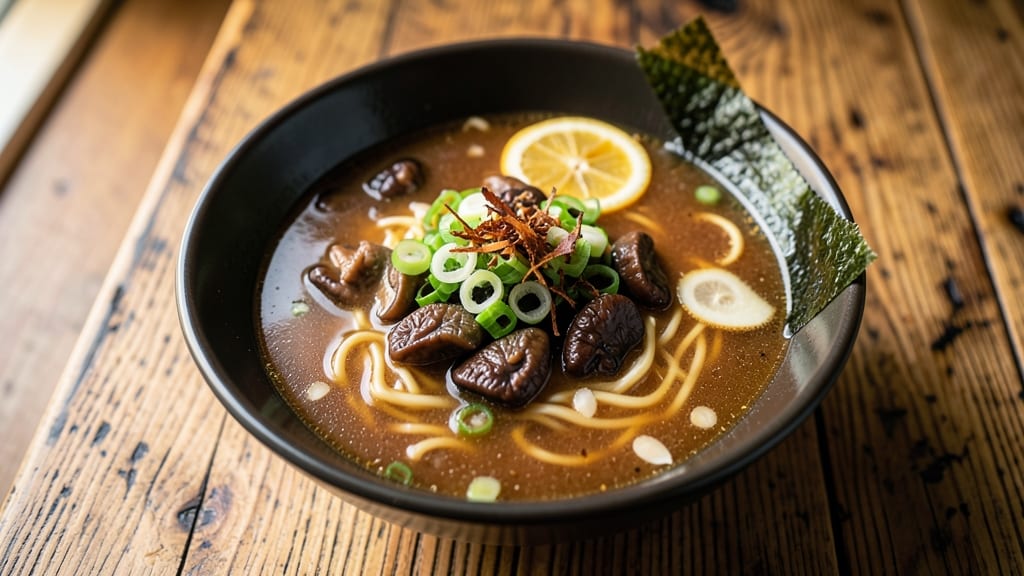
This authentic beef ramen broth recipe delivers the deep, rich umami that defines Japanese ramen—no shortcuts, just time-honored technique. The secret lies in slow-simmered charred bones and layered aromatics, transforming tough cuts into a velvety, flavor-packed foundation that makes every bowl unforgettable.
I developed this after years of studying tonkotsu and shoyu traditions, ensuring every sip carries that signature depth.
What sets this broth apart is the method: first charring beef bones to unlock intense caramelized flavors, then simmering them for hours with ginger, garlic, and scallions. The result is a restaurant-quality base that balances richness with aromatic brightness—no artificial boosters needed.
This is the kind of broth that transforms simple noodles into a culinary experience.
By the time you're done, you'll have a golden, collagen-rich broth that coats noodles perfectly and stands up to bold toppings like chashu pork or soft-boiled eggs. The slow cooking process develops layers of complexity, making this the only broth you'll ever need for homemade ramen nights.
Let's get started on creating your own umami masterpiece.
This recipe works as a standalone soup or as the star of your custom ramen bowl. The beauty of homemade broth is its versatility—adjust seasoning to your taste or use it as a base for other Asian-inspired dishes.
Every batch gets better as flavors meld over time, making it perfect for meal prep or gifting to fellow ramen lovers.
Ingredients for authentic beef ramen broth
Four pounds of charred bones and aromatic layers create restaurant-quality ramen broth.
| Ingredient | Amount | Notes |
|---|---|---|
| Beef Bones 🦴 | 4 lb | Marrow and knuckle bones preferred |
| Fresh Ginger Root 🧅 | ½ inch | Sliced into 1/4-inch pieces |
| Garlic Cloves 🧄 | 8 cloves | Smashed for deeper flavor |
| Green Onions 🧅 | 2 whole | Cut into 2-inch pieces |
| Dried Shiitake Mushrooms 🍄 | 6 whole | Rehydrated in hot water |
| Kombu Seaweed 🌿 | 1 piece | 4x6-inch sheet |
| Soy Sauce 🍶 | ¼ cup | Japanese tamari preferred |
| Sesame Oil 🫒 | 1 tbsp | Toasted for aroma |
| White Miso Paste 🍜 | 2 tbsp | High-quality preferred |
| Salt 🧂 | 1 ½ tsp | Diamond Crystal preferred |
| Black Peppercorns 🌶️ | 10 whole | Crushed for heat |
| Water 💧 | 8 cups | Filtered preferred |
The beef bones are non-negotiable—marrow and knuckle bones give you that signature richness. Costco sells them in bulk, but most butchers can cut them for you if you ask. Look for bones with good marrow content—they'll be heavier and have a hollow center. Fresh ginger and shiitake mushrooms are worth hunting down at an Asian market—H Mart or 99 Ranch carry the best quality. The kombu sheet adds umami depth, but don't let it overpower. Toast it lightly first to remove any fishy notes. For the soy sauce, Kikkoman is reliable, but tamari has more complexity if you can find it.
No fresh ginger? Powdered ginger at half the amount works in a pinch, but it lacks that bright punch. Running short on shiitake? Dried porcini mushrooms are a decent swap, but reduce to 4 mushrooms. The miso paste should be white, not red—it's milder and won't overpower the broth. Sesame oil is for aroma, not flavor—use the toasted variety from Trader Joe's or Asian markets. The water matters too—filtered is best, but tap water works if you boil it first. The black peppercorns should be crushed just before adding to preserve their aroma.
This broth tastes better the next day as flavors meld. Store in glass jars in the fridge for 5-6 days or freeze for 3 months. I portion mine into 4-cup containers—perfect for meal prep. The kombu sheet can be rehydrated and reused once. For extra richness, save the fat that rises to the top and use it for stir-fries. The broth reduces as it cools, so add a splash of water if it seems too thick when reheating.
Why You'll Love This Recipe
- No-Chop Start: I swear by this—just toss whole ginger slices and garlic cloves into the pot. The broth builds flavor without the mess, and honestly? My hands stay clean while the magic happens.
- Umami Bomb: That combo of beef bones and dried shiitake? It’s like a flavor explosion. The mushrooms add this deep, earthy richness, while the bones melt into a velvety, savory base—no additives needed.
- Leftovers That Shine: This broth tastes even better the next day. I make a big batch on Sundays, then use it for ramen, dumplings, or even a quick stir-fry all week. (Between us, it’s my secret for easy weeknight dinners.)
- Budget-Backed Depth: Beef bones and dried mushrooms stretch my grocery budget further than store-bought broth ever could. Plus, the ginger and green onions add freshness without breaking the bank—just a few cents per serving.
Step-by-step instructions for authentic beef ramen broth
Here's how to build a rich, umami-packed broth that captures the soul of traditional ramen.
Prepare and Char the Beef Bones
Preheat your oven to 450°F and line a baking sheet with foil. Arrange the 4 lb beef bones in a single layer on the sheet. Roast for 30-40 minutes until they develop deep brown spots and begin to smell caramelized. This charring step unlocks incredible depth of flavor—don't skip it.
While the bones roast, prepare the aromatics. In a large pot, combine the 8 smashed garlic cloves, 0.5 inch sliced fresh ginger root, 10 crushed black peppercorns, and 2 whole green onions cut into 2-inch pieces. This aromatic bundle will infuse the broth with layers of flavor as it simmers.
Build the Broth Foundation
Once the bones are charred, carefully transfer them to a large stockpot. Add the 8 cups water and bring to a rolling boil over high heat. As it boils, use a wooden spoon to scrape off any browned bits from the bones—they're packed with flavor. Reduce heat to low and skim off any foam that rises to the surface during the first 15 minutes of simmering.
Add the 1 piece kombu seaweed and 6 rehydrated dried shiitake mushrooms (soaked in hot water for 20 minutes and drained). The kombu adds a subtle oceanic sweetness while the mushrooms contribute their earthy depth. Let the broth simmer gently for 2 hours, maintaining a bare simmer—the key to extracting maximum flavor from the bones.
Enhance with Umami Layers
After 2 hours of simmering, remove the kombu seaweed and shiitake mushrooms. Add the aromatic bundle you prepared earlier, along with the 0.25 cup soy sauce and 1 tbsp toasted sesame oil. The soy sauce adds saltiness and complexity, while the sesame oil contributes nutty aroma. Stir gently and continue simmering for another 30 minutes.
In a small bowl, whisk together the 2 tbsp white miso paste with 1.5 tsp salt until smooth. Slowly ladle in 1 cup of the hot broth to temper the miso, then whisk until fully dissolved. Return this mixture to the pot and stir well. The miso will add that signature fermented depth that makes ramen broth truly authentic.
Strain and Finish the Broth
Strain the broth through a fine-mesh sieve into a clean pot, pressing gently on the solids to extract every last bit of flavor. Discard the bones and aromatics. Return the broth to the stove and let it simmer uncovered for 10-15 minutes to reduce slightly and concentrate the flavors. The broth should now have a rich, mahogany color and intense aroma.
Taste and adjust seasoning if needed—you might want to add a touch more soy sauce for saltiness or a splash of water if it's too concentrated. The finished broth should be deeply umami with balanced sweetness, saltiness, and earthiness. Serve immediately over ramen noodles with your favorite toppings, or store in the refrigerator for up to 5 days for even more concentrated flavor.
Pro Tips For Making Authentic Beef Ramen Broth
- BLANCH BEFORE BROTHING: Toss your dried shiitake mushrooms in hot water for 10 minutes first—this rehydrates them properly and keeps them from turning into mush later. I learned this the hard way when my broth ended up with a weird, slimy texture because I just tossed them in dry. The extra step makes a real difference in flavor and texture.
- CRACK THE BONES: Use a meat mallet or rolling pin to crack the beef bones—this exposes more marrow and collagen, which is where the rich, gelatinous depth comes from. I was skeptical until I tried it: the broth went from good to deeply flavorful in one go.
- SALT THE WATER HOT: Add salt to the broth pot when it’s boiling, not before—this prevents the ginger and garlic from absorbing too much moisture and turning bitter. After burning three batches of over-salted, mushy aromatics, I finally figured this out.
- SIMMER LOW AND LONG: Keep the heat at a bare simmer (tiny bubbles, not rolling) for at least 6 hours—this breaks down collagen into gelatin, giving that signature ramen silkiness. Sounds weird, but it works: rushing it means a broth that’s more water than magic.
Serving suggestions for this authentic beef ramen broth
Classic Ramen Bowl
Serve your rich beef ramen broth over fresh ramen noodles (I prefer Hibiki Shoyu or Nissin Kinako for authentic texture). Add a soft-boiled egg with a runny yolk, thinly sliced chashu pork, and nori strips for that iconic ramen experience.
Top with green onions and a drizzle of toasted sesame oil for aroma. 🍜
Lighter Summer Version
For a refreshing twist, serve the broth chilled over udon noodles with cucumber slices, edamame, and a sprinkle of toasted sesame seeds. Add a chili oil drizzle for heat and a lime wedge to cut through the richness. This version feels like summer in a bowl. 🌿
Protein-Packed Upgrade
Boost nutrition by adding grilled shrimp or seared scallops to the hot broth. I like pairing it with crispy pork belly and bean sprouts for texture contrast. For extra richness, float a soft-boiled quail egg on top—it cooks perfectly in the hot broth. 🦐
Vegetarian Adaptation
Make it plant-based by using shiitake mushroom broth as the base. Add tofu skin for texture, bok choy, and kimchi for tang. Top with sesame seeds and chili crisp for heat. The miso and kombu still deliver that umami depth without meat. 🌱
Meat Lover's Extravaganza
For a carnivore's dream, layer in braised short ribs, crispy skin pork belly, and crumbled bacon. Add corn kernels for sweetness and pickled ginger to balance the richness. The broth's depth makes every bite unforgettable. 🥩
Garnish Like a Pro
Finish with crispy garlic chives, toasted nori flakes, and a dash of bonito flakes (if you're not avoiding fish). I also like adding pickled mustard greens for a tangy crunch. Garnishes should add color and texture without overpowering the broth's natural flavors. ✨
Nutrition facts
Frequently asked questions
Can I use chicken or pork bones instead of beef?
While you can substitute, beef bones create the signature rich, deep flavor of authentic ramen broth. Chicken bones yield a lighter broth, while pork bones add fat but lack the same umami depth. For a beef-like flavor with pork, use a mix of pork knuckles and fatty pork bones, but expect a slightly different texture. The charring step is especially important with pork to develop that caramelized depth.
How long can I store the broth and when does it taste best?
The broth tastes best after 24 hours of refrigeration, when flavors fully meld. Store in glass jars for up to 5-6 days in the fridge. For longer storage, freeze in 4-cup portions for up to 3 months. The fat layer that rises to the top can be skimmed off and saved for cooking—it's packed with flavor! Thaw overnight in the fridge before reheating.
Why does my broth look cloudy or have foam?
Cloudiness often means proteins haven't fully settled—strain again through a cheesecloth-lined sieve. Foam is normal during the initial boil but should disappear after 15 minutes of skimming. For ultra-clear broth, chill it overnight, then skim off the fat and any remaining impurities before reheating. The cloudiness won't affect flavor, but it indicates proteins that could make noodles slimy if left in.
Can I make this broth in an Instant Pot or pressure cooker?
Pressure cookers speed up extraction but can make the broth taste more metallic. For best results, use the Instant Pot on high pressure for 90 minutes after charring the bones. Quick-release the pressure, then finish with 30 minutes of simmering on the stovetop to develop depth. The long simmering time is what creates that restaurant-quality richness—pressure cooking can't fully replicate it.
What's the best way to use leftover broth?
Reuse it in stir-fries, risotto, or even as a soup base for other Asian dishes. Save the fat for searing proteins or tossing with noodles. For extra flavor, reduce it by half to make a rich sauce—just strain again to remove any remaining impurities. The broth also freezes beautifully, so make extra for future meals!