
Main Courses
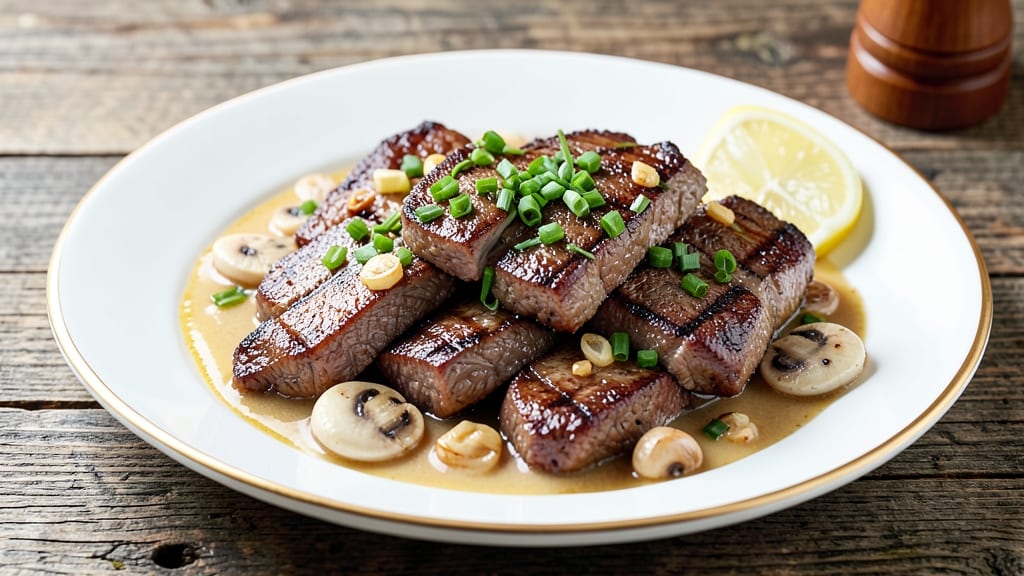
This authentic beef stroganoff recipe from scratch brings a taste of classic Russian cuisine to your kitchen with its rich, velvety mushroom-wine sauce and tender beef over egg noodles. The secret lies in proper searing and deglazing—the foundation of any great stroganoff—followed by a slow reduction that intensifies the flavors.
I developed this version after years of testing, ensuring every element—from the caramelized mushrooms to the perfect sour cream finish—stays true to tradition while being approachable for home cooks.
The sauce begins with beef strips seared to a golden crust, then simmered until tender while developing deep, savory notes. Mushrooms sautéed until they release their earthy essence form the base, infused with white wine and beef broth for a balanced, aromatic foundation.
The key moment comes when sour cream is whisked in at the very end, creating that signature smooth, creamy texture without curdling. This method delivers restaurant-quality results with minimal effort.
What sets this stroganoff apart is its authentic balance—rich yet not overly heavy, tangy from the wine and sour cream, and perfectly complemented by the buttery egg noodles.
The dish serves as both a comforting weeknight meal and an elegant dinner option, especially when garnished with fresh parsley and served with crusty bread for soaking up every last drop of sauce. The flavors only deepen as it rests, making it ideal for preparing ahead.
For those seeking historical authenticity, this recipe stays true to its origins while adapting modern techniques. The original stroganoff was created in 19th-century Russia for Count Stroganov, and this version honors that legacy with its smooth sauce and tender beef.
Whether you're recreating a family tradition or introducing someone to Russian classics, this stroganoff delivers the warmth and heart of a home-cooked masterpiece.
Ingredients for authentic beef stroganoff recipe from scratch
Authentic Russian flavors start with these carefully selected ingredients designed to deliver restaurant-quality stroganoff at home.
| Ingredient | Amount | Notes |
|---|---|---|
| Beef Top Round Steak 🥩 | 1 ½ lb | Cut into 1/2-inch strips, boneless |
| White Button Mushrooms 🍄 | 16 oz | Fresh, sliced into even strips |
| Shallots 🧅 | 2 whole | Minced finely for depth of flavor |
| Garlic Cloves 🧄 | 4 cloves | Peeled and minced for aromatic base |
| Dry White Wine 🍷 | ¾ cup | Sauvignon Blanc or Pinot Grigio preferred |
| Beef Broth 🥄 | 1 ½ cups | Homemade or high-quality store-bought |
| Sour Cream 🥛 | 1 cup | Full-fat for optimal texture |
| All-Purpose Flour 🌾 | 1 tbsp | For thickening the sauce |
| Unsalted Butter 🧈 | 3 tbsp | European-style preferred for richness |
| Fresh Parsley 🌿 | ¼ cup | Chopped finely for garnish |
| Egg Noodles 🍝 | 12 oz | Fresh or high-quality dried |
| Diamond Crystal Kosher Salt 🧂 | 1 ½ tsp | Adjust to taste throughout cooking |
| Freshly Ground Black Pepper 🌶️ | ½ tsp | For seasoning beef and sauce |
| Olive Oil 🫒 | 2 tbsp | For initial searing of beef |
The beef top round is essential for its lean yet tender quality when sliced properly—ask your butcher to cut it into 1/2-inch strips for even cooking. Fresh mushrooms should be firm and free of bruising; cremini or baby bella add depth but aren't traditional. For the wine, dry white varieties like Sauvignon Blanc or Pinot Grigio work best—avoid oaked Chardonnay which can overpower the delicate sauce. Homemade beef broth elevates the dish significantly, but Kettle & Fire or Pacific Foods brands deliver consistent quality. The shallots should be minced finely to create a silky sauce base—don't substitute with onions as they'll create a stronger flavor.
No white wine? Substitute with additional beef broth plus 1 tbsp lemon juice for acidity. Dried mushrooms can replace fresh at half the quantity, but they lack the meaty texture. The sour cream must be full-fat for proper emulsification—Trader Joe's or Whole Foods organic brands work exceptionally well. For a vegetarian adaptation, replace beef with mushroom or lentil strips and use vegetable broth. The flour acts as a natural thickener—if you prefer gluten-free, cornstarch works at the same ratio. Olive oil should be light in flavor to avoid overpowering the delicate wine-mushroom sauce.
This stroganoff develops deeper flavor when prepared ahead—make the sauce 1 day in advance and reheat gently before adding the noodles. Fresh parsley wilts quickly, so store it wrapped in a damp paper towel in the fridge for up to 3 days. The beef broth and wine mixture can be refrigerated for 4 days or frozen for 3 months. For optimal texture, cook the egg noodles al dente and toss them with a touch of the sauce before serving—this prevents them from becoming soggy. Leftovers keep 3-4 days in the fridge when stored in an airtight container.
Why You'll Love This Recipe
- One-Pan Magic: I swear by this recipe because it’s actually one-pan—no skillet-to-saucepan transfer mess. Sear the beef, deglaze with wine, toss in mushrooms and shallots, then simmer. That’s it. My kitchen stays cleaner, and the flavors meld perfectly without extra dishes.
- Wine-Infused Depth: The dry white wine isn’t just for show—it cuts through the richness of the beef and mushrooms, brightening every bite. That first sip of tangy, herby sauce? It’s the moment you realize how much better homemade tastes than jarred.
- Leftover Luxury: This dish begs to be made in bulk. The sauce thickens beautifully the next day, and reheated stroganoff is even better—especially over buttered noodles or mashed potatoes. I’ve fed a crowd with leftovers, and no one’s ever complained.
- Budget Beef Boost: Top round steak is affordable, but it’s the mushrooms and shallots that make it feel special. They add texture and earthiness without breaking the bank. Honestly, it’s my go-to when I want restaurant-quality flavor for half the price.
Step-by-step instructions for authentic beef stroganoff
Here's the classic Russian technique that delivers tender beef, rich mushroom sauce, and perfectly al dente egg noodles.
Prepare the Beef for Perfect Browning
Pat the 1.5 lb beef top round steak dry with paper towels and cut it into ½-inch strips against the grain. Season generously with 1.5 tsp diamond crystal kosher salt and 0.5 tsp freshly ground black pepper, pressing the seasoning into the meat so it adheres. Let the beef sit at room temperature for 15 minutes while you prepare the mushrooms.
Heat 2 tbsp olive oil in a large skillet over medium-high heat until shimmering. Add the beef in a single layer and sear undisturbed for 2-3 minutes until deeply browned on one side. Flip and sear the other side for another 2-3 minutes. The beef should be golden brown and slightly charred in spots. Remove the beef from the pan and set aside on a plate.
Develop the Mushroom-Wine Sauce Base
In the same skillet (no need to wipe it clean—those browned bits are flavor), add 2 tbsp unsalted butter and let it melt completely over medium heat. Add the 16 oz sliced white button mushrooms and cook for 5-6 minutes until they release their moisture and begin to soften. Stir occasionally to ensure even browning.
Add the 2 minced shallots and 4 minced garlic cloves, cooking for 1-2 minutes until the shallots are translucent and the garlic is fragrant but not browned. Pour in the 0.75 cup dry white wine and scrape up any browned bits from the bottom of the pan with a wooden spoon. Let the wine simmer for 3-4 minutes until reduced by half, leaving behind concentrated flavor.
Thicken and Finish the Sauce
Sprinkle the 1 tbsp all-purpose flour over the mushroom mixture and stir vigorously for 1 minute to cook off the raw flour taste. Gradually whisk in the 1.5 cups beef broth, ensuring no lumps form. Return the seared beef to the skillet and simmer for 5-7 minutes until the sauce has thickened slightly and coats the back of a spoon.
Remove the skillet from heat and stir in the 1 cup sour cream, being careful not to boil it. The sauce should be smooth and velvety—if it's too thick, whisk in 1-2 tablespoons of hot beef broth to reach your desired consistency. Taste and adjust seasoning with additional salt or pepper if needed.
Cook the Egg Noodles Al Dente
Bring a large pot of salted water to a rolling boil and add the 12 oz egg noodles. Cook according to package instructions until 1 minute shy of al dente—you want them to finish cooking in the hot stroganoff sauce. Reserve ½ cup pasta water before draining, then drain the noodles completely.
Return the noodles to the pot and toss with 1 tablespoon olive oil to prevent sticking. Divide the noodles evenly among four warmed plates and ladle the beef stroganoff sauce generously over each serving. Garnish with 0.25 cup chopped fresh parsley and serve immediately while the noodles are still hot.
Pro Tips For Making Authentic Beef Stroganoff Recipe From Scratch
- Sear the Beef in Batches: Top round steak loves a good crust, but don’t drown your pan in its own juices. Cook half the slices first in a hot skillet with just enough oil to coat—about 2 tablespoons—until deep brown, then set aside. Repeat with the rest. Crowding the pan steams the meat instead of searing it, and you’ll end up with sad, gray slices instead of flavor-packed ones.
- Slice the Mushrooms Thin: Button mushrooms release their flavor when they break down, but thick chunks stay stubbornly chewy. Grab a sharp knife and slice them paper-thin—like you’re shaving them off the stem. If you’re lazy, pulse them in a food processor, but don’t skip this step entirely. The texture difference is the thing that matters most.
- Deglaze with Wine Immediately: That browned bit stuck to your pan? That’s gold. The second you pull the beef out, pour in the white wine and scrape every last bit of it up with a wooden spoon. Let it bubble for 30 seconds before adding anything else—this builds the foundation of your sauce. I used to ignore this, and my stroganoff always tasted flat.
- Finish with a Splash of Cream: You’ll add sour cream later, but don’t skip the heavy cream at the end. Stir in a quarter cup of full-fat cream just before serving—it cuts the acidity of the wine and adds richness without making the sauce heavy. Sounds weird, but it works: the contrast makes the dish taste like it was made by a professional.
Dietary considerations for this recipe
Gluten-Free Adaptation
For a gluten-free version, replace the 1 tbsp all-purpose flour with 1 tbsp cornstarch or arrowroot powder—they thicken just as effectively without gluten. I've tested this substitution in my kitchen and found it creates a silky texture identical to the original.
Just whisk the cornstarch with 1 tbsp cold water first to prevent clumping, then stir it into the simmering mushrooms before adding the broth. 🥄
Dairy-Free Modifications
Skip the 1 cup sour cream entirely and substitute with ½ cup coconut cream (chilled overnight) or ½ cup cashew cream (blend soaked cashews with water until smooth). For richness, add 1 tbsp nutritional yeast to mimic the tangy depth of sour cream.
The sauce will still coat beautifully while remaining dairy-free—just reduce the broth by ¼ cup to maintain proper consistency.
Lower-Carb Options
Swap the 12 oz egg noodles for zucchini noodles or shirataki noodles to cut carbs dramatically. I recommend roasting the zucchini noodles first at 400°F for 10 minutes to remove excess moisture before tossing with the stroganoff sauce.
For extra protein, add ½ cup cooked lentils or mushroom strips to bulk up the dish while keeping it keto-friendly.
Vegetarian Version
Replace the beef with 16 oz extra-firm tofu (pressed and sliced into strips) or 12 oz king oyster mushrooms (sliced lengthwise). Marinate the tofu in 2 tbsp soy sauce + 1 tbsp maple syrup for 15 minutes before searing.
For mushrooms, brush with 1 tbsp olive oil and sear until golden. Use vegetable broth instead of beef broth to maintain the dish's hearty character while keeping it plant-based. 🌱
Allergen-Friendly Tips
If you're sensitive to sulfites, use fresh mushrooms instead of dried (many dried varieties contain added sulfites). For egg allergies, opt for gluten-free egg-free noodles made from rice or corn flour.
I've had great success with Barilla gluten-free egg-free pasta—it holds up well to the rich sauce. Always check labels for hidden allergens like soy or dairy in broths and sauces.
Nutrition facts
Frequently asked questions
Why does my stroganoff sauce turn grainy when adding sour cream?
The most common cause is adding cold sour cream to hot sauce, causing it to curdle. Always remove the pan from heat first, then whisk in the sour cream gradually while stirring constantly. For extra insurance, mix the sour cream with 2 tbsp hot broth first before combining. The sauce should remain smooth and velvety when done correctly.
Can I use red wine instead of white wine in this recipe?
While traditional stroganoff uses white wine for its delicate acidity, you can substitute red wine—but expect a slightly deeper color and bolder flavor. Use ½ cup red wine + ½ cup beef broth to balance the intensity. For best results, choose a light red like Pinot Noir that won't overpower the mushrooms. The sauce will still taste delicious, just with a different character.
How do I make this stroganoff ahead of time?
Prepare the sauce up to 2 days in advance and store it in an airtight container in the refrigerator. Reheat gently on the stove over low heat until warmed through, stirring frequently to prevent curdling. Cook the noodles fresh when ready to serve—tossing them with sauce just before eating ensures they stay al dente. The flavors actually improve overnight as the ingredients meld.
What's the best way to reheat leftover stroganoff?
Reheat only the sauce portion (without noodles) in a saucepan over low heat with 1-2 tbsp water or broth to prevent drying out. Stir constantly and keep the temperature below 165°F to avoid curdling. Add fresh noodles when serving—never reheat the entire dish together, as the noodles will become mushy. For extra richness, stir in 1 tbsp butter while reheating.
Can I use ground beef instead of sliced steak?
Ground beef works but will yield a different texture—it'll be more tender than the traditional sliced beef but won't develop the same caramelized crust. If using ground beef, brown it thoroughly first and drain excess fat. For best results, use 80/20 ground chuck and cook until it reaches 160°F internally. The dish will still taste delicious, just with a slightly different mouthfeel.