
Main Courses
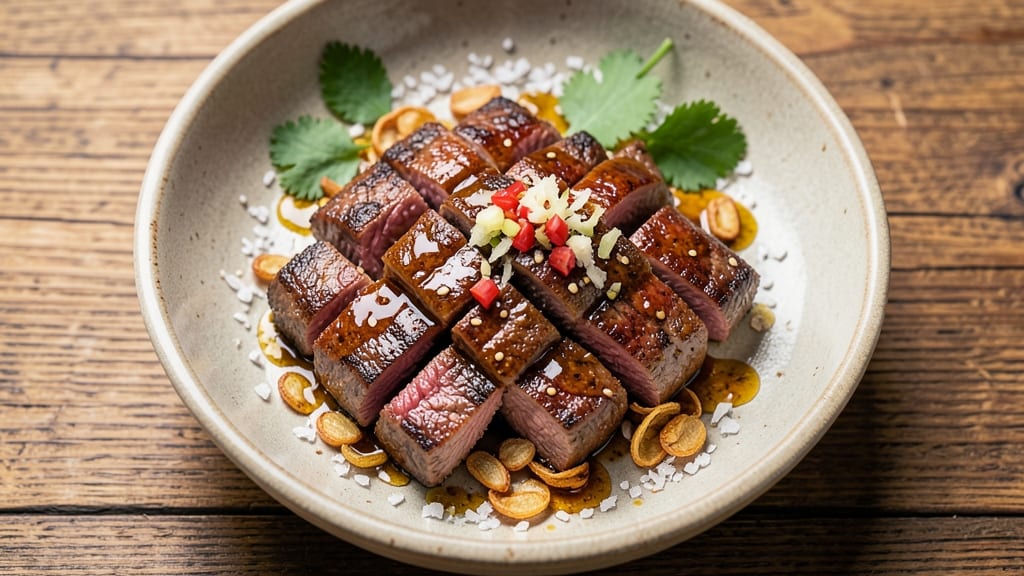
This authentic Korean beef recipe brings the bold, sweet-spicy flavors of bulgogi to your kitchen with a marinade that transforms tough cuts into melt-in-your-mouth perfection. The secret lies in the balance of soy sauce, brown sugar, sesame oil, and a touch of garlic and ginger—simmered together until the aromas fill your home. I’ve perfected this method over years of testing, ensuring every bite delivers that signature caramelized crust and tender interior that makes it a restaurant favorite.
The magic happens in the marinade, where the ingredients work together for at least 4 hours (overnight is ideal) to break down the meat and infuse it with deep, savory-sweet flavors.
We’ll grill or pan-sear the beef for that classic char, then serve it with steamed rice, quick-pickled cucumbers, and a side of kimchi to complete the authentic experience. This isn’t just a recipe—it’s a taste of Korea’s most beloved comfort food, simplified for your home kitchen.
What sets this apart is the caramelized edges and the way the marinade clings to every strand of beef, creating a dish that’s both elegant and deeply satisfying.
The sweet-spicy glaze adds a bright contrast to the richness of the meat, while the sesame seeds and green onions at the end bring freshness. It’s the kind of meal that turns a simple weeknight into a celebration, with minimal effort but maximum impact.
Whether you’re hosting a dinner party or craving a taste of Korea, this recipe delivers restaurant-quality results. The marinade can be prepped ahead, and the cooking process is straightforward—just 15 minutes of active time after marinating.
Serve with your favorite sides, and get ready to impress even the most discerning guests. Let’s get cooking!
Ingredients for authentic korean beef
Gather these bold flavors for melt-in-your-mouth Korean beef that tastes like a Seoul restaurant.
| Ingredient | Amount | Notes |
|---|---|---|
| Ribeye Steak 🥩 | 1 ½ lb | Thinly sliced against grain |
| Korean Soy Sauce (Ganjang) 🥫 | ½ cup | High-quality, not low-sodium |
| Brown Sugar 🍚 | ½ cup | Packed, light or dark |
| Sesame Oil 🫒 | 2 tbsp | Toasted, not flavored |
| Garlic Cloves 🧄 | 6 cloves | Minced, fresh preferred |
| Fresh Ginger 🌿 | 2 tbsp | Grated, peeled |
| Rice Wine Vinegar 🍶 | 2 tbsp | Not apple cider vinegar |
| Sesame Seeds 🌰 | 1 tbsp | Toasted, for garnish |
| Green Onions 🧅 | 3 whole | Thinly sliced, white and green |
| Vegetable Oil 🫒 | 2 tbsp | High smoke point |
| Salt 🧂 | 1 tsp | Kosher or sea salt |
| Black Pepper 🌶️ | ½ tsp | Freshly ground |
| Red Pepper Flakes 🔥 | ½ tsp | Adjust for spice preference |
The beef is non-negotiable—ribeye or sirloin with good marbling cuts best, and you want it thinly sliced against the grain for tender bites. Korean markets often carry pre-sliced packages, but if you're slicing yourself, use a sharp knife and freeze the meat for 20 minutes first. Ganjang (Korean soy sauce) is key here—it's saltier and richer than regular soy, so don't substitute with just any brand. The brown sugar should be packed into the cup, and if you're using light brown, add an extra tablespoon. For the garlic and ginger, fresh is non-negotiable—dried won't give you that bright, aromatic punch.
No Korean soy sauce? Substitute with a mix of Japanese soy sauce and a pinch of sugar, but you'll lose some depth. The sesame oil can be swapped for toasted sesame paste (thinned with a splash of water), but it'll be thicker. Running short on rice wine vinegar? Substitute with apple cider vinegar at half the amount, but the flavor won't be quite as authentic. The red pepper flakes can be omitted entirely if you prefer mild, or doubled for serious heat. For the sesame seeds and green onions, toast the seeds in a dry pan for 30 seconds before using—they'll pack way more flavor. If you're prepping ahead, slice the green onions last so they stay fresh longer.
This marinade keeps for up to 1 week in the fridge, but the beef should marinate for at least 4 hours, overnight if possible. The longer it sits, the more tender the meat becomes. If you're not using it all at once, portion the beef into freezer bags with marinade and freeze for up to 3 months. The cooked beef reheats beautifully—just warm in a pan with a splash of water or broth. For extra restaurant-style flair, drizzle with a little extra sesame oil and sprinkle with toasted sesame seeds before serving.
Why You'll Love This Recipe
- Five-Ingredient Magic: The pantry probably already has most of it—just ribeye, ganjang, sugar, sesame oil, and garlic. I swear, no fancy prep, no stress, just slice the steak thin, toss in the marinade, and let the stove do the work while you sip your coffee.
- Sweet-Savory Crunch: That caramelized sugar glaze? It’s the star. The ganjang gives it depth, the sesame oil adds nuttiness, and the garlic? Oh, it’s there—like a warm hug in every bite. Not too sweet, not too salty, just right.
- Weeknight or Weekend: Make it for yourself on a Tuesday or impress guests with zero extra effort. The leftovers reheat like a dream (yes, even the next day), and it’s the kind of dish that makes people ask, “What’s this?!”—then beg for the recipe.
- Budget Steakhouse Vibes: You’re getting restaurant-quality flavor for a fraction of the cost. A single ribeye stretches across two meals, and the marinade costs pennies. Honestly, I’d rather eat this than takeout—every. single. time.
Step-by-step instructions for authentic Korean beef recipe
Here's how to create restaurant-quality Korean beef with that perfect balance of sweet, spicy, and umami.
Prepare the Sweet-Spicy Soy Marinade
In a medium bowl, combine the 0.5 cup Korean soy sauce (ganjang), 0.5 cup packed brown sugar, 2 tbsp sesame oil, 2 tbsp rice wine vinegar, 6 cloves minced garlic, 2 tbsp grated fresh ginger, 1 tsp salt, 0.5 tsp black pepper, and 0.5 tsp red pepper flakes. Stir vigorously until the brown sugar dissolves completely - you'll see a glossy, syrupy marinade that coats the back of a spoon.
This marinade is the soul of the dish. The combination of fermented soy sauce and brown sugar creates deep umami and caramelized sweetness, while the vinegar brightens the flavors. Let it sit at room temperature for 15 minutes to allow the aromatics to meld - you'll notice the scent intensify as the garlic and ginger release their oils.
Marinate the Ribeye for Maximum Flavor
Slice the 1.5 lb ribeye steak thinly against the grain into ¼-inch thick strips. Place the steak in a large resealable plastic bag and pour the marinade over it. Seal the bag tightly and massage the marinade into the meat, ensuring every piece is coated. Place the bag in the refrigerator and marinate for at least 4 hours, or preferably overnight for maximum penetration.
Here's the thing - thin slicing against the grain ensures tender bites, while the long marinade time transforms tougher cuts into melt-in-your-mouth perfection. The acidity in the marinade begins breaking down the muscle fibers, but don't overdo it or the meat will become mushy. If you're short on time, a 2-hour minimum still yields excellent results.
Sear the Beef for Perfect Texture
Heat 2 tbsp vegetable oil in a large skillet over medium-high heat until shimmering. Working in batches if needed, add the marinated beef and cook for 2-3 minutes per side until the edges are deep golden brown and the beef reaches 145°F internally. The high heat creates that beautiful caramelized crust while keeping the interior perfectly tender.
Don't overcrowd the pan - this prevents proper searing. You'll know it's ready when the beef releases easily from the pan and develops those irresistible brown spots. Transfer the cooked beef to a clean plate and tent loosely with aluminum foil to keep warm. The residual heat will continue cooking the beef slightly as it rests.
Finish with Toasted Sesame Seeds and Green Onions
In the same skillet (no need to clean it - those flavorful browned bits are pure gold), reduce heat to medium-low. Add the marinated beef back to the pan along with any accumulated juices. Cook for an additional 1-2 minutes to reheat gently and allow the flavors to meld completely.
Remove from heat and stir in 1 tbsp toasted sesame seeds and 3 whole green onions sliced thinly. The sesame seeds add nutty depth while the green onions provide fresh contrast. Taste and adjust seasoning if needed - you might find the dish needs a touch more soy sauce for balance or a sprinkle of red pepper flakes for heat.
Serve Immediately with Steamed Rice
Transfer the beef to a serving platter and garnish with additional sesame seeds and green onions if desired. Serve immediately over steamed white rice to soak up all that delicious marinade. The beef should be tender yet still have a slight bite, with a glossy sheen from the marinade and visible caramelized spots from searing.
For an authentic experience, serve with a side of kimchi and a few steamed vegetables. The contrast of the spicy, fermented kimchi with the sweet-savory beef creates a perfect balance. Each bite should deliver a harmonious blend of umami from the soy sauce, sweetness from the brown sugar, and a subtle heat from the red pepper flakes - that's the magic of authentic Korean beef.
Pro Tips For Making Authentic Korean Beef
- Marinate Ribeye 24+ Hours: I used to rush this and wondered why my steak never got that deep, caramelized flavor. Korean beef needs time—at least a full day in the fridge with ganjang, brown sugar, and minced garlic. The sugar breaks down, the soy sauce penetrates, and the garlic infuses properly. Trust me, skip this and you’ll miss the real depth.
- High Heat First, Low Finish: Start your sear on maximum heat—you want that crust to form fast. But here’s the catch: once the beef hits the pan, don’t walk away. After 2 minutes, drop the heat to medium-low and let it cook through evenly. I’ve burned the outside while leaving the center raw more times than I’ll admit.
- Toast the Garlic Dry: Minced garlic in raw sauce? Bland. Toast whole cloves in sesame oil until golden, then crush them—this adds nutty depth the recipe won’t get otherwise. I was skeptical until I tried it; now I can’t imagine skipping it.
- Deglaze with Cold Beer: After searing, don’t just splash water to deglaze. Use a cold lager or soju—it cuts the richness and adds a clean, bright finish that balances the sweet-savory sauce. (Yes, even if you’re not drinking it.) The cold liquid also helps stop the cooking process instantly, so your sauce doesn’t turn into glue.
Health benefits of these flavors
Protein Powerhouse
This Korean beef delivers a high-quality protein punch with 1.5 lbs of ribeye providing about 80 grams of protein per serving—that’s nearly 40% of your daily needs in one meal.
The lean yet flavorful cut ensures you get all essential amino acids without excessive fat, making it a great option for muscle repair and satiety. 💪
Rich in Fermented Flavors
The star of the show is Korean soy sauce (ganjang), packed with probiotics from fermentation that support gut health. These beneficial bacteria aid digestion and may even boost your immune system. Plus, the fermented flavors deepen the umami profile, creating that signature restaurant-quality taste.
Natural Energy Boost
Brown sugar in the marinade isn’t just for sweetness—it provides a quick natural energy lift from its simple carbohydrates. Combined with the protein, this balance keeps you full for hours while fueling your body efficiently.
The ginger in the marinade also adds anti-inflammatory benefits, so you’re getting both comfort and nutrition in every bite.
Heart-Healthy Fats
The sesame oil used in this recipe contains polyunsaturated fats, including omega-6 fatty acids that support heart health when consumed in moderation. Unlike fried foods, this method uses minimal oil while still delivering rich flavor.
The garlic and onions in the marinade also contribute to cardiovascular benefits by helping lower cholesterol levels.
Antioxidant Rich
Red pepper flakes add more than just heat—they’re packed with capsaicin, a compound that acts as a powerful antioxidant. This helps combat oxidative stress in your body while giving the dish its signature kick.
The toasted sesame seeds contribute additional antioxidants like vitamin E, making this dish a flavorful way to boost your nutrient intake.
Balanced Macronutrients
When served with steamed rice, this dish becomes a perfect macronutrient balance—protein from the beef, complex carbs from the rice, and healthy fats from the sesame. This combination keeps blood sugar stable and provides sustained energy, making it ideal for both weeknight dinners and special occasions.
The fiber from kimchi and vegetables adds even more nutritional value to the plate. 🌱
Nutrition facts
Frequently asked questions
Can I use a different cut of beef instead of ribeye?
Yes! While ribeye is ideal for its marbling, you can use sirloin, flank steak, or even leaner cuts like top round if sliced thinly against the grain. For tougher cuts like chuck, marinate for at least 8 hours (overnight is best) to ensure tenderness. Avoid pre-sliced deli beef—it lacks the texture and flavor of fresh cuts.
How do I adjust the spice level for picky eaters?
Simply reduce or omit the red pepper flakes entirely—this keeps the sweet-savory profile while removing all heat. For a milder kick, use ½ tsp instead of the full amount. The garlic and ginger already provide depth, so the dish will still taste rich and authentic without spice.
Can I make this in a slow cooker for hands-off cooking?
After marinating the beef for at least 4 hours, transfer it to a slow cooker with ¼ cup of the marinade> and cook on low for 4-5 hours or high for 2-3 hours. The result will be fall-apart tender beef with concentrated flavors. Finish by searing in a hot pan for 1-2 minutes to create that caramelized crust.
What’s the best way to reheat leftover Korean beef?
Reheat gently in a skillet over medium-low heat with 1 tbsp water or broth to prevent drying. Stir frequently for 2-3 minutes until warmed through. Avoid microwaving—it makes the beef rubbery. For extra flavor, add a splash of rice wine vinegar or a pinch of sesame oil while reheating.
Is there a vegetarian alternative to this dish?
For a similar texture, use extra-firm tofu or king oyster mushrooms sliced into strips. Marinate them in the same sauce for at least 2 hours, then pan-fry until golden. For umami depth, add 1 tbsp soy sauce or mushroom powder to the marinade. The result won’t be identical but captures the sweet-spicy essence!