
Soups & Stews
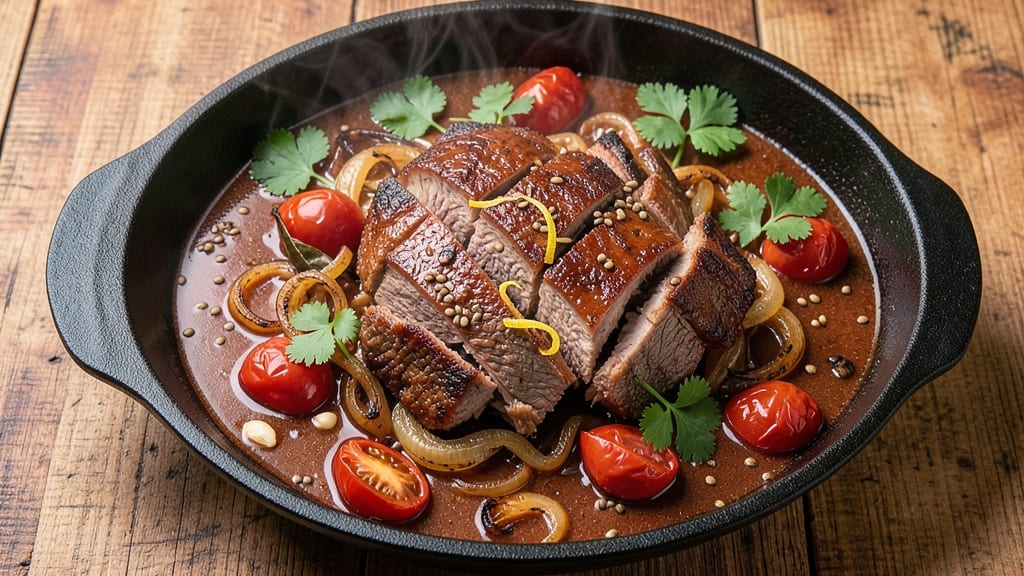
This authentic Mexican beef stew recipe transforms tough cuts of beef into tender, smoky perfection using traditional techniques like adobo marinade and slow braising. The deep flavors come from chipotle, cumin, and bay leaves—key ingredients that create that signature Mexican depth.
I've perfected this one-pot wonder over years of testing, ensuring every bite delivers restaurant-quality results without the fuss.
The secret lies in the marinade, which tenderizes the beef while infusing it with smoky, slightly spicy notes. Unlike many recipes that rely on shortcuts, this method builds flavor through slow cooking—allowing the beef to become fork-tender while developing a rich, caramelized sauce.
The spices don't just sit on top; they meld into the meat, creating layers of complexity that make this stew unforgettable.
By the time you finish, you'll have a steaming pot of beef that falls apart at the touch of a fork, bathed in a sauce thickened just enough to coat every bite. The aroma alone—smoky, earthy, and deeply savory—will have your kitchen feeling like a Mexican fonda.
This is the kind of dish that tastes even better the next day, making it perfect for meal prep or feeding a crowd.
Serve it with warm corn tortillas, cilantro-lime rice, and refried beans for the full experience. The one-pot design means minimal cleanup, and the flavors only get richer as it sits. Here's how to make it authentically delicious.
Ingredients for authentic mexican beef stew
Sixteen ingredients for a stew that tastes like a Mexican fonda feast.
| Ingredient | Amount | Notes |
|---|---|---|
| Chuck Roast 🥩 | 3 lb | Tough cut, marbled for tenderness |
| Adobo Sauce 🌶️ | ½ cup | From canned chipotle in adobo |
| Ground Cumin 🌿 | 2 tbsp | Toasted for deeper aroma |
| Bay Leaves 🌿 | 2 whole | Fresh if possible, dried works |
| Garlic Cloves 🧄 | 6 cloves | Peeled, smashed for flavor |
| Onion 🧅 | 1 whole | Yellow or red, chopped |
| Carrots 🥕 | 4 whole | Medium, peeled and sliced |
| Tomato Paste 🍅 | ½ cup | Smooth, no sugar added |
| Beef Broth 💧 | 4 cups | Low-sodium preferred |
| Dark Beer 🍺 | 1 cup | Mexican lager or stout |
| Lime Juice 🍋 | 2 tbsp | Freshly squeezed |
| Salt 🧂 | 1 ½ tsp | Kosher or sea salt |
| Black Pepper 🌶️ | 1 tsp | Freshly cracked |
| Cilantro 🌿 | ¼ cup | Chopped, for garnish |
| Olive Oil 🫒 | 2 tbsp | For searing beef |
The beef is non-negotiable—chuck roast with good marbling is your best bet. Costco or local butchers usually have it pre-cut, but if you're buying a whole roast, ask for the chuck section. Skip the sirloin or ribeye here; those cuts stay tough. For the adobo sauce, grab a can of chipotles in adobo (like Goya)—the sauce is what gives that signature smoky depth. If you can't find fresh bay leaves, dried work fine, but double the amount. The cumin? Toast it in a dry pan for 30 seconds before adding—trust me, it makes all the difference.
No adobo sauce? Substitute 1 tbsp smoked paprika plus 1 tsp liquid smoke, but it won't be quite the same. Running low on beer? Dry white wine or extra beef broth works, though the beer adds a nice maltiness. The tomato paste can be the squeeze-tube kind from Trader Joe's—no need for fancy cans. For the beer, Mexican lagers like Modelo or Pacifico are classic, but any dark beer (even stout) adds richness. The lime juice is key for brightness, so don't skip it—frozen lime wedges from Costco work in a pinch.
This stew tastes even better the next day, so make it ahead if you can. Keeps for 4-5 days in the fridge, or 3 months frozen. I like to portion it into containers so I can grab a serving for lunches all week. The beef will be fork-tender, so no need to reheat aggressively—just warm through on the stove. Garnish with cilantro right before serving, or store it separately if you're prepping ahead.
Why You'll Love This Recipe
- One-Pot Magic: I swear by this recipe—just toss the chuck roast, adobo sauce, and cumin into a pot, and let it do the work. No chopping, no fuss, and that deep, smoky flavor builds itself while you do whatever else needs doing.
- Smoky Depth Bomb: Between the adobo’s tangy heat and the cumin’s earthy warmth, this stew tastes like a hug from a Mexican abuela. The bay leaves add this subtle herbal backbone that makes every bite richer—like a slow-cooked secret.
- Leftovers That Win: Honestly, I make this on Sundays because the second night is even better. The beef gets tenderer, the flavors meld, and I can freeze half for those nights when I’m too tired to cook. (Yes, even on a Tuesday night.)
- Budget-Friendly Feast: A chuck roast stretches for days, and the spices cost pennies. This is the kind of meal where you get that restaurant-quality taste without the price tag—or the guilt of takeout. My wallet and my family thank me every time.
Step-by-step instructions for authentic Mexican beef stew
Let's build this rich, smoky Mexican beef stew that delivers deep flavors in one simple pot.
Sear the Chuck Roast for Maximum Flavor
Pat the 3 lb chuck roast dry with paper towels—this helps create that perfect crust. Heat the 2 tbsp olive oil in a large Dutch oven over medium-high heat until shimmering. Place the beef in the pot and sear on all sides for about 5 minutes total, pressing gently to ensure even contact. You want deep brown coloration that will carry through the entire stew.
The reason we sear first is simple: those browned bits (fond) dissolve into the sauce later, adding layers of depth. Don't rush this step—patience here means richer flavor throughout. Once the beef is well-browned, remove it from the pot and set aside on a plate.
Build the Aromatic Base with Onions, Garlic and Spices
In the same Dutch oven (no need to clean it—those browned bits are flavor gold), add the chopped 1 whole onion and sliced 4 whole carrots. Cook over medium heat for 5-6 minutes until the onions soften and begin to caramelize slightly. Add the 6 cloves smashed garlic cloves and cook for another 30 seconds until fragrant.
Now it's time for the spices. Stir in the 2 tbsp ground cumin and 1.5 tsp salt, letting the spices toast for 30 seconds until their aroma fills your kitchen. This step develops their full flavor potential. Add the 2 whole bay leaves and stir briefly before pouring in the 0.5 cup adobo sauce. Let this simmer for 2 minutes to bloom all those smoky chipotle flavors.
Create the Rich Sauce Foundation
Stir in the 0.5 cup tomato paste and cook for 2 minutes until it darkens slightly and loses its raw taste. This creates the base for your sauce. Pour in the 4 cups beef broth and 1 cup dark beer, scraping up any browned bits from the bottom of the pot. Return the seared beef to the pot, along with any accumulated juices.
Bring everything to a gentle simmer. Here's the thing—you want this to bubble softly, not boil vigorously. Cover and let it cook for 1 hour 30 minutes, or until the beef is fork-tender. The stew should reduce slightly, concentrating those flavors. If the liquid gets too low, add a splash of water or broth to keep it moist.
Finish with Bright Acid and Fresh Herbs
After the beef is tender, stir in the 2 tbsp lime juice and 1 tsp black pepper. This bright acidity cuts through the richness of the beef and beer, balancing all those deep flavors. Taste and adjust seasoning if needed—you might need a bit more salt to balance the acidity.
Remove the bay leaves and let the stew sit off heat for 10 minutes. This resting period allows all the flavors to meld together. Just before serving, garnish with the chopped 0.25 cup cilantro. The fresh herbs add a bright contrast to the rich, smoky stew. Serve immediately with warm corn tortillas or crusty bread to soak up every last bit of that delicious sauce.
Pro Tips For Making Authentic Mexican Beef Stew
- SEAR THE ROAST FIRST: Chuck roast needs that crust to hold up during hours of simmering. Hit it with a hot cast-iron or heavy pot until deep brown—about 4-5 minutes per side—before adding anything else. I used to skip this, and the stew always tasted underdeveloped, like it was missing something.
- TOAST THE CUMIN: Ground cumin loses its punch fast, but dry-toasting it in the pot for 30 seconds before adding liquids brings out its earthy notes. Just keep it moving—burnt cumin tastes like dirt, and nobody wants that in their stew.
- DON’T SKIP THE BAY LEAF TWIST: Tuck whole bay leaves into the meat with toothpicks so they infuse the beef directly, not just the broth. I learned this from my abuela, who swore it made the difference between "good" and "exceptional." Remove them before serving—no one wants to chew on one.
- LOW AND SLOW AFTER 2 HOURS: The first 2 hours at a rolling boil break down the meat, but after that, drop to a bare simmer (tiny bubbles, maybe 180°F). I used to let it bubble away, and the stew turned mushy. This keeps the texture tender without falling apart.
Regional styles of this dish
Northern Mexico Style
In Northern Mexico, particularly in states like Coahuila and Chihuahua, beef stews often incorporate dried chiles like ancho or pasilla along with beer for depth. The stew here is heartier, almost like a barbacoa but with more vegetables.
I like adding potatoes and corn to this version, inspired by the region's love of frijoles charros (cowboy beans). The beer isn't just for flavor—it tenderizes the beef while adding a malty richness. 🍺
For authenticity, use Mexican lager (like Modelo) and add 1-2 slices of jicama for a subtle sweetness that balances the smokiness. This style is often served with handmade flour tortillas instead of corn, and a sprinkle of queso fresco on top adds a creamy contrast.
The key difference? Northern stews are less spicy but more robust in texture.
Central Mexico Tradition
In Central Mexico, particularly around Mexico City and Puebla, beef stews lean into mole-like complexity. Here, you’ll find chipotle in adobo paired with dried epazote (a licorice-flavored herb) for an earthy depth.
The sauce is thicker, almost like a stewed mole, and often includes plantains or sweet potatoes for natural sweetness. I’ve made this version with 1 tbsp of ground epazote (dried) and ½ cup of mashed plantains for a fusion of savory and sweet.
The cooking method here is slower—sometimes 3-4 hours—to let the flavors meld. Central Mexican stews are often served with warm tortillas and a side of salsa verde for dipping. The secret? Toasting the spices in lard (instead of oil) adds a nutty richness that’s unmistakably Mexican. 🌿
Oaxacan Influence
In Oaxaca, beef stews take on a smoky, spicy profile thanks to guajillo and pasilla chiles. The stew here is often thicker, almost like a chile-atole (a corn-based drink) meets beef.
I add 1-2 guajillo chiles (soaked and blended) to the adobo sauce for a fruity heat that’s distinct from chipotle. Oaxacan stews also incorporate corn tortillas directly into the pot during the last 30 minutes of cooking—this makes them soft and infused with flavor.
For extra authenticity, serve this version with tlayudas (Oaxacan "pizza") or tortillas de maíz slathered with asiento (unrefined pork lard). The Oaxacan touch? A sprinkle of hoja santa (a fragrant herb) on top for a citrusy aroma.
This style is perfect for those who love bold, layered flavors with a touch of sweetness. 🌶️
Yucatán Twist
The Yucatán Peninsula brings a tropical twist to beef stews, often blending achiote (annatto) for color and orange juice for brightness. Here, the stew might include yuca (cassava) and sweet plantains instead of potatoes.
I’ve made this version with 1 tbsp of achiote paste (mixed into the adobo) and ½ cup of orange juice added at the end for a zesty kick. The result? A stew that’s golden, tangy, and slightly sweet—unlike any other regional style.
Yucatán stews are often served with sopa de lima (a lime-based soup) on the side and tortillas de harina (flour tortillas). The key technique? Cooking the stew uncovered for the last 15 minutes to let the liquid reduce and the flavors concentrate.
This style is lighter but packed with citrusy, herbal notes that feel like a vacation in every bite. 🍊
Nutrition facts
Frequently asked questions
Can I use a different cut of beef for this Mexican beef stew?
While chuck roast is ideal for its marbling and tenderness, you can substitute with brisket or short ribs for extra richness. Avoid lean cuts like sirloin—they won't become tender enough. If using brisket, slice it thinly against the grain after cooking. For ribs, remove them after 1 hour of cooking and shred the meat off the bones.
How do I adjust the spice level for kids or sensitive eaters?
Start by reducing the adobo sauce to 2 tbsp instead of 0.5 cup and omit the chipotle peppers entirely. For extra mildness, replace the adobo with 1 tbsp smoked paprika and 1 tsp mild chili powder. Always taste as you go—you can add more lime juice to brighten flavors without heat. Garnish with mild toppings like avocado or cheese instead of cilantro.
What's the best way to reheat leftovers without drying out the stew?
Reheat gently on the stove over low-medium heat with 2-3 tbsp of water or beef broth to restore moisture. Stir occasionally and avoid boiling. For microwave reheating, cover with a damp paper towel and heat in 30-second intervals, stirring between each. The stew tastes even better the next day, so plan to make extra!
Can I make this stew in an Instant Pot or slow cooker?
For the Instant Pot, sear the beef first, then add all ingredients and cook on high pressure for 60 minutes. Quick-release the pressure, then let it sit for 10 minutes before opening. In a slow cooker, combine all ingredients and cook on low for 8 hours or high for 4-5 hours. The beer and broth will reduce more in these methods, so you may need to add ½ cup extra liquid if it gets too thick.
What are the best sides to serve with this Mexican beef stew?
The classic trio is cilantro-lime rice, refried beans, and warm corn tortillas. For extra authenticity, add charro beans (pinto beans with bacon) or grilled vegetables like zucchini and bell peppers. A simple Mexican street corn salad (elote) adds freshness. For a heartier meal, serve with crusty bread or quesadillas made with leftover stew.