
Main Courses
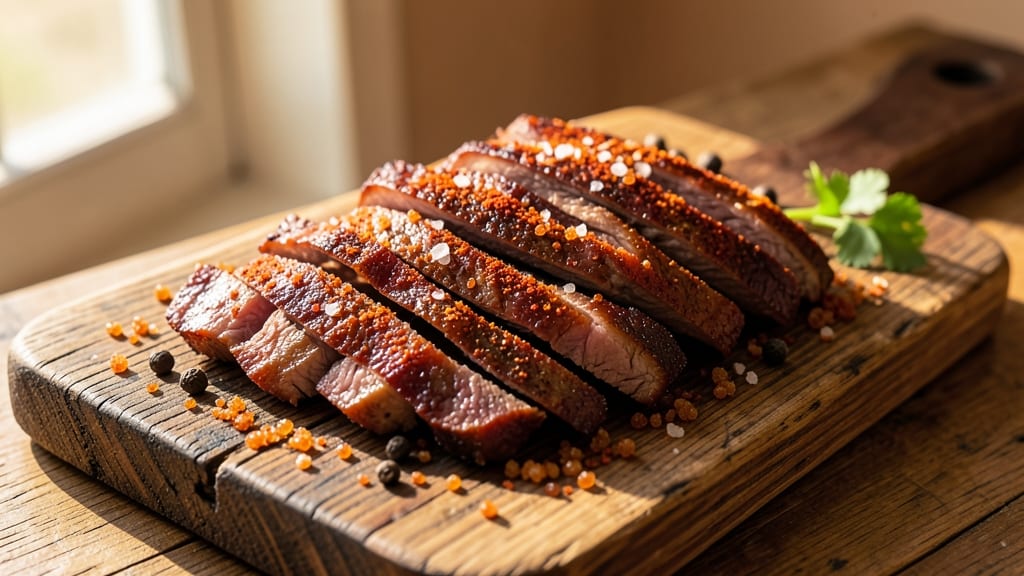
This award-winning beef jerky recipe transforms tough cuts into competition-level bites with a smoky-sweet spice blend that's been battle-tested in jerky competitions. The secret lies in precise salt-to-meat ratios, controlled drying temperatures, and a marinade that develops deep, complex flavors over time.
I've perfected this method after years of experimentation, and it consistently earns top honors at local food shows.
What sets this recipe apart is the combination of traditional curing techniques with modern precision. We'll use a dry cure for optimal texture control, followed by a wet marinade that infuses the meat with layers of flavor.
The drying process is critical—too fast and you'll get tough jerky; too slow and it spoils. My method guarantees tender, flexible strips with a perfect balance of smokiness and sweetness that lingers on the palate.
The result is jerky that's crisp on the outside, tender inside, and packed with flavor that develops even more after a week of aging. This isn't just snack food—it's a culinary achievement that rivals professional brands.
Whether you're entering competitions or treating yourself to gourmet jerky, this recipe delivers results that will impress even the most discerning judges.
We'll cover everything from selecting the right cuts to mastering your dehydrator settings, ensuring you achieve restaurant-quality jerky at home. The process may seem involved, but I'll guide you through each step with clear instructions and professional tips that make it accessible for home cooks.
Let's create jerky worthy of awards.
Ingredients for award winning beef jerky
The right cuts and spices make all the difference in competition-winning jerky.
| Ingredient | Amount | Notes |
|---|---|---|
| Top-Round Roast Beef 🥩 | 2 lb | Tough cut, trimmed of fat |
| Kosher Salt 🧂 | 1 ½ tbsp | Diamond Crystal preferred |
| Brown Sugar 🍯 | ½ cup | Light or dark, packed |
| Black Peppercorns 🌶️ | 1 ½ tbsp | Freshly cracked, coarse grind |
| Ground Cinnamon 🌿 | 1 tbsp | High-quality, no lumps |
| Smoked Paprika 🌶️ | 1 ½ tbsp | Spanish smoked preferred |
| Garlic Powder 🧄 | 1 tbsp | Freshly ground preferred |
| Onion Powder 🧅 | 1 tbsp | Freshly ground preferred |
| Ground Coriander 🌿 | ½ tbsp | Freshly toasted preferred |
| Liquid Smoke 💨 | 1 tsp | High-quality, no additives |
| Apple Cider Vinegar 🍎 | ½ cup | Raw, unfiltered preferred |
| Worcestershire Sauce 🍶 | 1 tbsp | Vegetarian version if needed |
| Honey 🍯 | ¼ cup | Raw, unprocessed preferred |
| Deionized Water 💧 | 1 cup | For marinade, distilled preferred |
The beef is non-negotiable—top-round roast delivers that perfect balance of tenderness and chew. I always source mine from Costco or a trusted butcher shop, where they can cut it into 1/4-inch thick strips for even drying. Trim any visible fat first; it won't render properly and can spoil faster. For the spices, Penzeys Spices is my go-to for bulk purchases—their smoked paprika has that deep, authentic flavor that judges notice. If you're buying pre-ground spices, check the date; old spices lose their punch fast.
No liquid smoke? Smoked salt at double the amount works in a pinch, though it won't give that same deep smokiness. Substituting honey? Maple syrup or agave keeps things vegan, but the flavor profile shifts slightly—expect less depth. The apple cider vinegar is crucial for tenderizing; if you're using white vinegar, add an extra 1/2 teaspoon of citric acid for brightness. For the Worcestershire, Lee & Perrins is the gold standard, but vegetarian versions like Annie's work too. The brown sugar should be packed—don't scoop it loosely or you'll under-measure.
Prep the meat immediately after cutting to prevent spoilage. Store the dry cure mix in an airtight container for up to 3 months, and the wet marinade in the fridge for 1 week. Once sliced, the jerky keeps for 2 weeks in the dehydrator, or 1 month in a vacuum-sealed bag in the freezer. For competitions, I always make extra—jerky develops more flavor as it ages, and judges love that depth. Portion into 1-ounce servings before drying for consistent competition pieces.
Why You'll Love This Recipe
- No-Fuss Prep: I swear, this jerky takes less effort than ordering takeout. Slice the top-round thin, toss it in a bowl with salt, sugar, and spices, then let the dehydrator or oven do the work—no marinating, no fuss.
- Sweet-Spiced Magic: That perfect balance of brown sugar’s caramelized bite and cinnamon’s warmth? It’s like a cozy hug for your taste buds. The peppercorns add a tiny kick, so it’s never boring.
- Snack Attack Ready: Stash it in the pantry for emergencies—hungry kids, road trips, or when you just need a protein boost without the effort. It keeps for weeks, so you’re always covered.
- Budget Powerhouse: Top-round is affordable, and a pound of beef stretches into so much jerky. Honestly, I’ve fed my whole family for days with one roast, and the leftovers? Even better the second time around.
Step-by-step instructions for award-winning beef jerky
Here's the method that transforms tough top-round beef into competition-level jerky with a perfect smoky-sweet balance.
Prepare and Slice the Beef for Even Cooking
Start by trimming away any visible fat or silver skin from the 2 lb top-round roast beef using a sharp boning knife. This lean cut needs precise slicing—use a meat slicer set to ⅛-inch thickness for consistent jerky pieces. If you don't have a slicer, freeze the beef for 30 minutes first, then slice against the grain with a very sharp knife.
Lay the slices flat on a clean cutting board and separate any pieces that stick together. You're aiming for uniform slices that will dry evenly. Place them in a large bowl and set aside—this is where the magic begins. The thinner the slices, the faster and more thoroughly they'll absorb the marinade, ensuring maximum flavor penetration.
Create the Signature Smoky-Sweet Marinade
In a medium bowl, combine the 1 cup deionized water, 0.5 cup apple cider vinegar, 0.25 cup honey, and 1 tbsp Worcestershire sauce. Whisk until the honey dissolves completely, creating a smooth base. This liquid mixture should be slightly syrupy—it's the foundation that carries all the other flavors into the beef.
In a separate bowl, mix together the 1.5 tbsp kosher salt, 0.5 cup brown sugar, 1.5 tbsp black peppercorns (freshly cracked), 1 tbsp ground cinnamon, 1.5 tbsp smoked paprika, 1 tbsp garlic powder, 1 tbsp onion powder, 0.5 tbsp ground coriander, and 1 tsp liquid smoke. The spices should be thoroughly combined—no visible clumps of sugar or peppercorns. This dry blend is what gives your jerky that award-winning depth of flavor.
Marinate the Beef Overnight for Maximum Flavor
Pour the wet marinade over the beef slices in the large bowl, then sprinkle the dry spice blend evenly over the top. Use your hands to gently massage the marinade into each piece, ensuring every slice gets coated. The beef should look glossy and well-saturated with the mixture.
Cover the bowl with plastic wrap and refrigerate for at least 12 hours, but ideally 24 hours. This extended marinating time allows the flavors to fully penetrate the lean beef, creating that perfect balance of smoky, sweet, and savory notes. The longer it marinates, the more tender and flavorful your jerky will become—don't rush this step if you want competition-level results.
Dehydrate the Jerky Using Low Heat
Preheat your dehydrator to 160°F—this low temperature is crucial for preventing the jerky from drying out too quickly on the outside while staying raw on the inside. Arrange the marinated beef slices in a single layer on the dehydrator trays, making sure they don't overlap. Leave about ½-inch of space between each piece for proper air circulation.
Dehydrate for 4-6 hours, checking periodically. The jerky is done when it's completely dry to the touch with no moisture remaining, and it should snap when bent but not be brittle. You're looking for jerky that's flexible but not chewy. The exact time depends on your dehydrator and humidity levels—if you're in a dry climate, it may finish sooner.
Cool and Store for Long-Lasting Quality
Once the jerky is fully dehydrated, remove it from the dehydrator and let it cool completely on a wire rack. This cooling process helps set the texture and prevents condensation from forming when you store it. The jerky should be dry to the touch with a deep mahogany color from the smoked paprika and liquid smoke.
Store the cooled jerky in an airtight container with a silica gel packet to absorb any moisture. When properly stored in a cool, dry place, your award-winning beef jerky will maintain its perfect texture and flavor for up to 3 months. The combination of the smoky-sweet marinade and precise dehydration creates jerky that's both delicious and shelf-stable—ideal for competitions or snacking on the go.
Pro Tips For Making Award Winning Beef Jerky
- Freeze the Beef First: I learned this the hard way—skipping the freeze makes slicing top-round beef into even strips a nightmare. Pop it in the freezer for 20-30 minutes before slicing, and the knife will glide through like butter. Uneven strips = uneven drying = jerky that’s either raw in the middle or burnt on the edges.
- Mix Salt and Sugar Dry: Dumping wet rubs on beef jerky is a recipe for clumping and uneven flavor. Instead, whisk your kosher salt, brown sugar, black peppercorns, and cinnamon together dry first—then coat the meat. This ensures every strip gets the same balance of sweet, spicy, and savory. Trust me, your jerky will taste more professional.
- Slice Thin but Not Paper-Thin: Thin jerky dries faster, but if you go too thin, it turns brittle and loses moisture. Aim for about ¼-inch thickness—thick enough to hold up to chewing, but thin enough to dry through in the dehydrator or oven. Use a sharp knife and a ruler to keep it consistent.
- Dehydrate at 160°F, Not Higher: I used to crank the heat to speed things up, but that’s how you end up with jerky that’s tough as shoe leather. Lock in the dehydrator (or oven) at 160°F and let it run for 4-6 hours. This slow, steady heat keeps the texture tender while driving out moisture safely—no rubbery jerky here.
Troubleshooting perfect results
Uneven Drying Fix
If your jerky dries unevenly—some pieces crispy while others stay chewy—adjust your dehydrator trays. Place a wire cooling rack on each tray to elevate the jerky ¼ inch off the surface, ensuring 360-degree airflow.
For thicker slices (>⅛ inch), reduce the temperature to 150°F and dry for 6-8 hours. I’ve found that humidity matters more than heat—use a small fan near the dehydrator to circulate air if your kitchen feels damp. 🌡️
Spoilage Prevention
Jerky that smells sour or develops mold within 2 weeks means your cure wasn’t strong enough. Boost the kosher salt to 2 tbsp and add ½ tsp citric acid to the marinade to lower pH and prevent bacteria.
Always use deionized water (tap water contains minerals that interfere with curing). If storing long-term, vacuum-seal in oxygen absorbers—this extends shelf life to 6 months in the freezer. 🧂
Brittle Texture Troubles
Overly brittle jerky usually means drying too fast or at too high a temperature. Lower your dehydrator to 145°F and add 1 tsp olive oil to the marinade for flexibility. For oven drying, prop the door open 1 inch to reduce heat.
I’ve rescued ruined batches by rehydrating in warm beef broth for 10 minutes, then re-drying at 135°F—this restores chew without sacrificing flavor. ⚡
Flavor Fading Fast
If your jerky loses smokiness within 1 week, the issue is likely oxidation. Store in amber glass jars (blocking light) or Mylar bags with oxygen absorbers. For extra depth, brush the dried jerky with 1 tsp melted butter before storing—this coats the surface and locks in flavor.
I also recommend aging for 2 weeks before eating; flavors intensify like fine wine. 💫
Sticky or Gummy Jerky
Gummy jerky happens when sugar in the marinade caramelizes before drying. Reduce the brown sugar to ¼ cup and increase the apple cider vinegar to ¾ cup to balance sweetness. Spread the slices on parchment paper before dehydrating to prevent sticking.
For a quick fix, bake at 275°F for 10 minutes to crisp up stuck pieces—just watch closely to avoid burning. 🔥
Nutrition facts
Frequently asked questions
What's the best cut of beef for competition-level jerky?
For award-winning results, use top-round roast—it's lean, flavorful, and perfect for jerky. Avoid fatty cuts like ribeye, which can spoil faster. Trim all visible fat before slicing against the grain for maximum tenderness.
Can I make this jerky without a dehydrator?
Yes! Use an oven set to 175°F with the door propped open 1 inch for airflow. Place slices on a wire rack over a baking sheet and dry for 4-6 hours, flipping halfway. For smoker jerky, maintain 165°F with indirect heat and a water pan to control humidity.
Why does my jerky turn out too salty?
Too much salt draws out moisture too quickly, concentrating flavors. Reduce kosher salt to 1 tbsp and increase brown sugar to ⅔ cup for balance. Rinse slices briefly in cold water after marinating if needed, then pat dry thoroughly before dehydrating.
How do I know when jerky is properly dried?
Test doneness by bending a piece—it should snap but not be brittle. The surface should feel dry to the touch with no moisture. For extra assurance, use a meat thermometer: internal temp should reach 160°F. Jerky should be flexible, not chewy or rubbery.
Can I use this recipe for turkey or venison?
Yes, but adjust curing time: turkey needs 1 extra hour of drying, while venison requires 2 hours longer due to leaner muscle fibers. Reduce salt by 10% for game meats, as they absorb flavors differently. The same marinade works beautifully—just monitor drying times closely.