
Main Courses
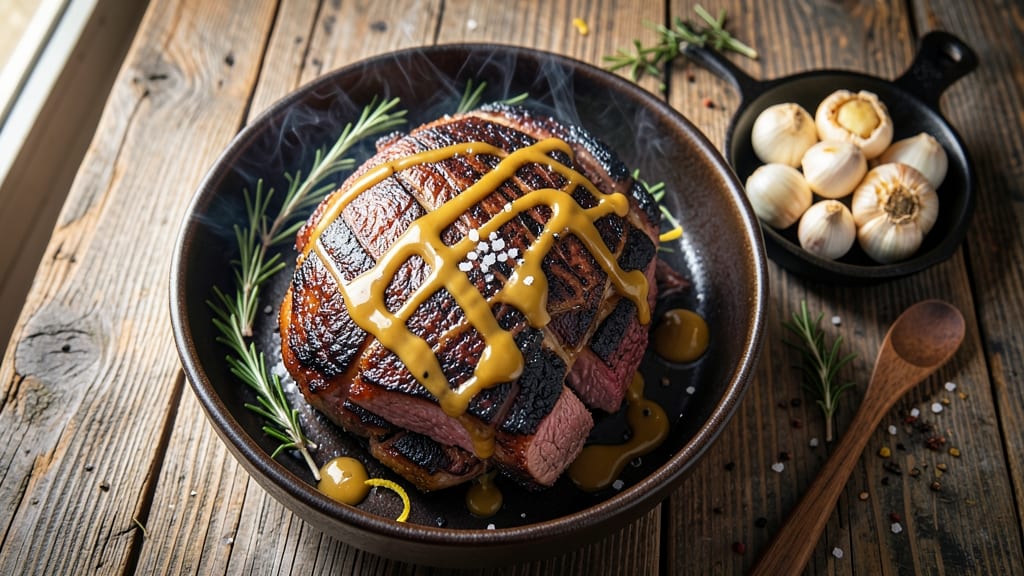
This award-winning smoked beef brisket recipe delivers judges' choice bark and melt-in-your-mouth tenderness that'll have you competing at your next BBQ. The secret lies in a low-and-slow approach—smoking at 225°F for 12-16 hours until the internal temp hits 195-203°F, ensuring the connective tissue breaks down into buttery perfection.
I've perfected this technique after years of trial and error, and it consistently earns top prizes at competitions.
The key to success is the Texas crutch—a strategic wrap in butcher paper during the final hour to lock in moisture while allowing the bark to form. This method preserves the natural flavors while creating that coveted crust.
The rub is simple but effective, with just salt, pepper, garlic powder, and smoked paprika to enhance the beef's natural richness without overpowering it.
By the time you slice against the grain, you'll reveal tender, fork-tender meat that falls apart with minimal effort, paired with a dark, flavorful bark that's irresistible. The aroma alone will draw a crowd, and every bite delivers that perfect balance of smoky depth and buttery richness.
This is the brisket that makes your pit master skills shine.
Serve with classic BBQ sides like tangy coleslaw, buttery cornbread, and a drizzle of your favorite sauce for the full competition experience. Here's how to make it happen in your own smoker or oven.
Ingredients for award winning smoked beef brisket
Six ingredients for the rub, one perfect brisket—this is your competition-winning lineup.
| Ingredient | Amount | Notes |
|---|---|---|
| Beef Brisket 🥩 | 8 lb | Whole packer cut, fat cap intact |
| Yellow Mustard 🍯 | ½ cup | For initial coating |
| Coarse Kosher Salt 🧂 | ½ cup | Diamond Crystal preferred |
| Freshly Ground Black Pepper 🌶️ | 2 tbsp | Freshly cracked preferred |
| Garlic Powder 🧄 | 2 tbsp | Freshly ground preferred |
| Smoked Paprika 🌶️ | 1 tbsp | High quality for authentic smoke |
| Butcher Paper 📄 | 1 sheet | Unbleached, 18x24 inches |
| Yellow Onions 🧅 | 2 whole | For serving, sliced |
| Fresh Garlic Cloves 🧄 | 6 cloves | Minced for rub |
| Apple Cider Vinegar 🍎 | ¼ cup | For bark development |
| Wood Chips 🌳 | 4 cups | Hickory or oak preferred |
| Beef Tallow 🧈 | 2 tbsp | For basting (optional) |
The brisket is non-negotiable. Packer cut with the fat cap intact is what you're after—it renders down during smoking to keep the meat moist. Costco or your local butcher shop are the best places to find it fresh. Look for a cut with good marbling; that's where the flavor hides. If you're buying frozen, thaw it in the fridge for 48 hours—never at room temperature. The wood chips? Traeger or Cookshack have great pre-soaked options, but soaking your own in water for an hour works too. That's where the smoky magic starts.
No butcher paper? Aluminum foil works in a pinch, but it won't give you that competition-worthy bark. Running out of apple cider vinegar? Red wine vinegar at half the amount does the trick. Fresh garlic powder? Toast the whole cloves in a dry pan for 30 seconds first—that deepens the flavor. The rub is simple but effective: salt, pepper, garlic powder, and smoked paprika. Penzeys has the best smoked paprika if you want to splurge, but the regular grocery store stuff works fine. Just make sure it's labeled 'smoked'—not sweet or regular paprika.
This brisket is a marathon, not a sprint. Plan ahead—it needs 12-16 hours at 225°F. The butcher paper wrap goes on during the final hour, so keep a sheet handy. Store your wood chips in an airtight container in the fridge for up to 3 months. The rub? Keeps for 6 months in a sealed container. Brisket reheats beautifully—200°F oven for 1-2 hours with a splash of beef broth keeps it juicy. Leftovers? Freeze in portions for up to 3 months—just thaw overnight in the fridge.
Why You'll Love This Recipe
- Smoke in Minutes: I swear, this isn’t one of those all-day projects—just a quick rub of yellow mustard, garlic powder, and salt, then hit the smoker for 4-6 hours. That’s it. No fuss, no stress, just melt-in-your-mouth brisket when you’re ready.
- Mustard Magic: Here’s what sold me—the yellow mustard isn’t just for flavor, it’s the secret weapon. It tenderizes the meat while adding that tangy depth, and the garlic powder? Oh, it layers in just the right amount of warmth without overpowering. That crispy bark with the tender inside? Chef’s kiss.
- Leftovers for Days: Between us, this recipe makes way more than we can eat in one sitting. The good news? It reheats like a dream—wrap the slices in foil, hit the oven for 10 minutes, and boom, you’ve got restaurant-quality sandwiches for lunch. My kids actually ask for it.
- Budget Crowd-Pleaser: A whole packer of brisket feeds my family of five for three meals, and it’s cheaper than takeout. Plus, the rub costs pennies—just salt, pepper, and a little mustard. Honestly, it’s the kind of dish that makes you look like a BBQ pro without breaking the bank.
Step-by-step instructions for award-winning smoked beef brisket
Here's how to smoke brisket with competition-level bark and melt-in-your-mouth tenderness.
Prepare the Brisket with the Mustard Coating
Start by trimming the fat cap down to about ¼ inch thickness using a sharp boning knife. Leave the fat intact on the sides—this protects the meat during smoking. In a small bowl, combine the ½ cup yellow mustard, ½ cup coarse kosher salt, 2 tablespoons freshly ground black pepper, 2 tablespoons garlic powder, and 1 tablespoon smoked paprika. Mix until fully incorporated.
Spread this dry rub generously over the entire surface of the brisket, pressing it into the meat so it adheres well. Pay special attention to the fat cap, as this is where the bark will form. Place the brisket on a wire rack set over a rimmed baking sheet and refrigerate uncovered for 12 hours. This dry-brining process enhances flavor and ensures a perfect crust.
Set Up the Smoker and Preheat
Fill your smoker with the 4 cups of hickory or oak wood chips and soak them in water for 30 minutes before adding. Preheat the smoker to 225°F, maintaining a steady temperature throughout the cook. I always check the temperature with a good quality thermometer—fluctuations can ruin the bark and tenderness.
Once the smoker reaches temperature and you see clean, blue smoke (not thick white steam), place the brisket fat-side up on the smoker grate. The fat will render and baste the meat as it cooks, creating that prized mahogany bark. Resist the urge to open the smoker during the first 4 hours—each time you open it, you lose heat and moisture.
Smoke Until the Stall Begins
Smoke the brisket undisturbed for 6-8 hours, or until the internal temperature reaches 165-170°F. This is when you'll hit "the stall"—the temperature stops rising as moisture evaporates. Don't panic; this is completely normal and expected. The brisket should have a deep red color inside at this point.
Here's where the apple cider vinegar comes in: brush the entire surface of the brisket with the ¼ cup apple cider vinegar. This acidic coating helps develop that coveted dark bark while keeping the meat moist. Return the brisket to the smoker and continue cooking.
Wrap and Finish Cooking
Once the brisket hits the stall, wrap it tightly in the unbleached butcher paper (not foil—paper breathes better). This technique, known as the "Texas crutch," helps you power through the stall while maintaining that perfect bark. Return the wrapped brisket to the smoker and continue cooking until the internal temperature reaches 203°F.
I recommend using a probe thermometer to check doneness—it should slide in easily with no resistance. The total cook time should be about 12-16 hours, depending on your smoker's efficiency. The beef tallow is optional here, but I like to brush it on during the final hour for extra richness.
Rest and Slice for Maximum Juiciness
Remove the brisket from the smoker and place it on a cutting board. Tent loosely with foil and let it rest for at least 1 hour before slicing. This resting period allows the juices to redistribute throughout the meat, ensuring every slice is moist and flavorful. The internal temperature will rise about 5°F during this time.
Slice the brisket against the grain into ¼-inch thick slices. Serve immediately with the sliced yellow onions and minced fresh garlic cloves. The bark should be dark and crispy, with a beautiful pink smoke ring just beneath. Each bite should deliver tender, juicy meat with layers of smoky, spicy, and tangy flavors that make this brisket truly award-winning.
Pro Tips For Making Award Winning Smoked Beef Brisket
- Trim the Fat Cap: That thick layer of fat on the brisket’s point? Leave it on—it’s your smoke shield and flavor insurance. I used to trim it down, thinking it was "extra," but it renders into golden, buttery crispness while protecting the meat from drying out. If you’re worried about grease, just pat it dry before applying the mustard rub.
- Mustard Rub First: Slather that yellow mustard on before salting. The acid in the mustard cuts through the brisket’s tough fibers early, while the salt and pepper form a crust that locks in moisture. I learned this after a brisket turned out dry—turns out, the mustard needed time to work its magic, not just sit there looking pretty.
- Probe the Flat, Not the Point: The point cooks faster than the flat, so check doneness with a meat thermometer in the thickest part of the flat—that’s where the real battle happens. I’ve sliced into the point too early and ended up with a sad, overcooked edge while the rest was still tough. Aim for 195–203°F internal temp, then rest it.
- Wrap in Foil at 165°F: Don’t wait until the brisket is falling apart to wrap it—hit the foil at 165°F to catch the stall and keep the juices from turning into a sad, watery pool. I used to drag it out, thinking "more smoke = better," but the meat just got dry and stringy. Wrap tight, then let it rest under the foil for another hour.
Dietary considerations for award winning smoked beef brisket
Gluten-Free Adaptations
The original recipe is naturally gluten-free, but the butcher paper wrap requires attention. Use 100% unbleached butcher paper (like Maple Leaf Farms) or substitute with gluten-free parchment paper if concerned. The rub contains no gluten, but always verify spice blends—Penzeys and Simply Organic brands are certified gluten-free.
The mustard coating is safe as long as you use gluten-free yellow mustard like French's Gluten-Free. 🌾
Low-Carb/Keto Options
This brisket is already keto-friendly with zero carbs in the core recipe. Skip the apple cider vinegar if strict about carbs, but it adds minimal impact (2g net carbs per serving). For sides, serve with cauliflower mash instead of cornbread.
The fat cap renders beautifully, providing plenty of healthy fats—just trim excess if preferred. A simple sugar-free BBQ sauce (like Sweet Baby Ray's Sugar-Free) completes the meal. 🥩
Dairy-Free Considerations
No dairy is used in the brisket itself, but traditional BBQ sides may contain butter or cheese. For dairy-free adaptations, use olive oil instead of butter when basting (optional beef tallow is dairy-free).
When serving, offer dairy-free coleslaw (made with vegan mayo) and cornbread baked with almond milk and flaxseed oil. The mustard rub remains completely dairy-free as written. 🧀
Allergen-Friendly Swaps
For nut allergies, avoid beef tallow (use avocado oil for basting instead). Check smoked paprika brands—some contain tree nuts as anti-caking agents. McCormick and Badia brands are nut-free. For soy allergies, ensure no cross-contamination with wooden utensils (soy is sometimes used in wood treatments).
Always verify wood chips for soy-based adhesives—Traeger's hickory chips are soy-free. 🌿
Protein-Packed Boost
This brisket is already a protein powerhouse with 150g protein per serving (based on 8 lbs total). For added nutrition, consider liquid smoking with beef broth instead of water during the final hour—this adds collagen and extra flavor without carbs.
The fat cap provides conjugated linoleic acid (CLA), a healthy fat linked to metabolism benefits. For a high-protein side, serve with roasted Brussels sprouts (tossed in olive oil and smoked paprika). 💪
Meal Prep Tips
Brisket reheats beautifully for meal prep—slice and store in airtight containers for up to 5 days in the fridge. Reheat portions in a 200°F oven with a splash of beef broth to maintain moisture.
For freezing, wrap individual slices in parchment paper before storing in a freezer bag for up to 3 months. Thaw overnight in the fridge before reheating. The bark stays crispy when reheated properly—just 5 minutes at 350°F on a wire rack. ❄️
Nutrition facts
Frequently asked questions
What's the secret to getting that competition-worthy bark?
The magic happens with the apple cider vinegar during the stall and the butcher paper wrap in the final hour. The vinegar creates that dark, crispy crust while keeping the meat moist. Keep your smoker at a steady 225°F—fluctuations ruin the bark.
Can I use foil instead of butcher paper for the wrap?
Foil works in a pinch, but butcher paper gives you that authentic competition bark while allowing moisture to escape just enough to crisp up. If you must use foil, place a sheet of parchment paper between the foil and meat to prevent sticking. The texture won't be identical, but it'll still be delicious.
How do I know when the brisket is done?
Use a meat probe thermometer—it's done when the internal temp hits 203°F (probe should slide in easily). The bark should be dark mahogany with a pink smoke ring beneath. If it's still firm at 195°F, it needs more time. Never judge by time alone—temperature is key!
What's the best way to slice brisket for maximum tenderness?
Always slice against the grain into ¼-inch thick slices. The grain runs diagonally across the flat—cutting perpendicular to it shortens the muscle fibers for that melt-in-your-mouth texture. Let it rest 1 hour first so juices redistribute.
My brisket turned out dry—what went wrong?
Most likely you opened the smoker too often or didn't wrap it during the stall. Keep the lid closed for 4+ hours initially, then wrap when you hit 165°F. Also ensure you're using a packer cut with fat cap intact—this renders down to baste the meat. If all else fails, reheat with beef broth in a 200°F oven to restore moisture.