
Soups & Stews
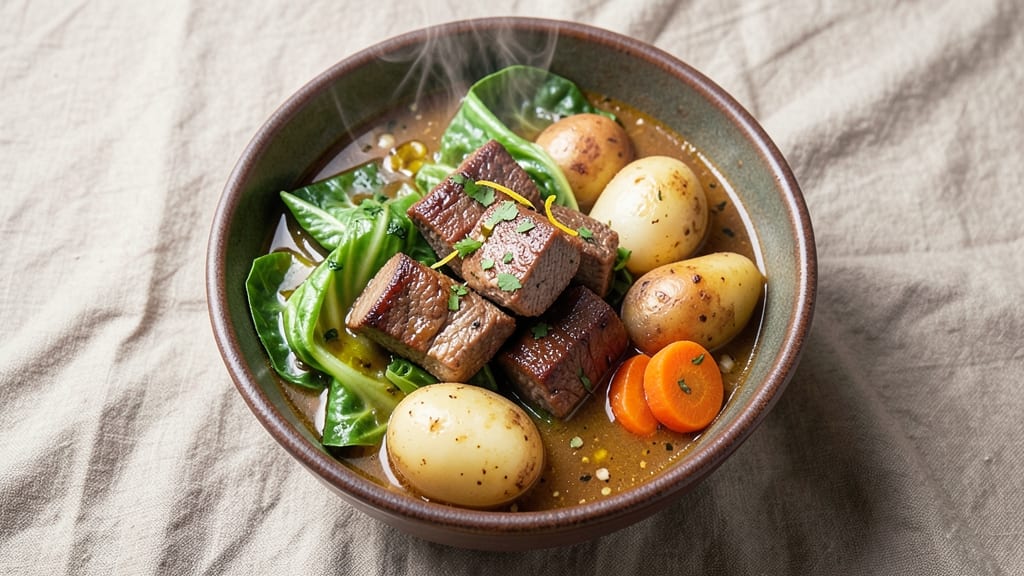
This award-winning vegetable beef soup with cabbage delivers restaurant-quality depth in every spoonful—where tender beef, hearty roots, and cabbage harmonize in a rich, umami-packed broth. The secret lies in slow-simmered flavors that develop over time, transforming simple ingredients into a soul-warming masterpiece.
I’ve perfected this recipe to balance earthy cabbage, sweet carrots, and savory beef without overpowering the broth’s natural richness.
The foundation begins with a deep, caramelized base—sautéed onions, garlic, and beef create a flavorful crust before adding vegetables. Cabbage, carrots, and potatoes absorb the broth’s essence, while beef chunks melt into tender perfection.
This method ensures each ingredient contributes to the soup’s complexity, making it both comforting and impressive for any occasion.
What sets this recipe apart is the careful balance of textures and flavors: crisp-tender cabbage, fork-tender beef, and velvety broth. The umami-rich broth, built through slow simmering, elevates the dish beyond ordinary vegetable soups, delivering a depth that rivals gourmet versions.
Whether served with crusty bread or as a standalone meal, it’s a dish that feels both nostalgic and refined.
For an award-worthy result, don’t rush the simmering—this is where the magic happens. The longer the flavors meld, the more the broth develops its signature richness. Garnish with fresh parsley or a drizzle of high-quality olive oil just before serving to highlight the dish’s natural elegance.
Here’s how to bring it to life in your own kitchen.
Ingredients for award winning vegetable beef soup recipe with cabbage
Sixteen ingredients, one soul-warming masterpiece—where umami depth meets hearty comfort in every spoonful.
| Ingredient | Amount | Notes |
|---|---|---|
| Beef Chuck Roast 🥩 | 2 lb | Cut into 1-inch cubes |
| Yellow Onions 🧅 | 2 whole | Thinly sliced, caramelized |
| Garlic Cloves 🧄 | 6 cloves | Minced, aromatic |
| Green Cabbage 🥬 | 1 lb | Shredded, core removed |
| Carrots 🥕 | 1 ½ lb | Peeled, cut into chunks |
| Russet Potatoes 🥔 | 2 lb | Peeled, cut into chunks |
| Celery Stalks 🌿 | 4 whole | Chopped, for depth |
| Tomato Paste 🍅 | ½ cup | For umami richness |
| Beef Broth 🥄 | 6 cups | Low-sodium preferred |
| Red Wine 🍷 | 1 cup | Dry, bold variety |
| Bay Leaves 🌿 | 2 whole | For aromatic depth |
| Fresh Thyme 🌿 | 2 tbsp | Leaves only, chopped |
| Salt 🧂 | 1 ½ tsp | Diamond Crystal preferred |
| Black Peppercorns 🌶️ | 1 tsp | Freshly cracked |
| Extra-Virgin Olive Oil 🫒 | ¼ cup | For sautéing |
The beef selection is non-negotiable for this award-winning soup. Chuck roast from a trusted butcher—like Whole Foods or your local market—delivers the ideal fat-to-meat ratio for rich broth and tender chunks. Look for well-marbled cuts with visible fat; this ensures both flavor and texture. For the vegetables, organic carrots and potatoes from the produce section provide sweeter, more vibrant flavors, though conventional works fine. The cabbage should be firm and crisp, with outer leaves removed but core intact for structure. If you're short on time, pre-cut vegetables from the grocery store's fresh-cut section still work—just rinse thoroughly before using.
No red wine? Dry sherry or additional beef broth bridges the gap, though wine adds that signature depth. Fresh thyme is ideal, but dried thyme at one-third the amount suffices in a pinch. For the tomato paste, San Marzano from a can delivers superior quality, though any quality brand works. The beef broth should be low-sodium—you'll control the seasoning. Swap the potatoes for parsnips or turnips if preferred, though they'll alter the soup's texture slightly. Celery can be omitted if unavailable, but its earthy notes complement the broth beautifully. Always taste the broth before adding vegetables—adjust salt and pepper to taste, as these flavors develop during simmering.
This soup tastes even better the next day as flavors meld. Store in an airtight container in the fridge for up to 5 days, or freeze for 3 months by portioning into freezer-safe bags. For serving, reheat gently on the stove with a splash of water or broth to restore richness. Garnish with fresh parsley or a drizzle of high-quality extra-virgin olive oil just before serving to highlight the dish's natural elegance. Leftovers reheat beautifully—simply warm through on the stove or microwave, stirring occasionally to prevent scorching. The longer it simmers, the deeper the flavors become, making it perfect for meal prep.
Why You'll Love This Recipe
- One-Pot Magic: I swear by this—dump everything in one pot, let it simmer, and walk away. The beef chuck roast practically melts into tender shreds while the onions caramelize right in the broth, no extra pans needed.
- Deep Umami Bomb: That slow-cooked beef chuck? It’s the star—rich, savory, and packed with flavor without needing fancy seasonings. The cabbage softens just enough to soak up the broth, and the carrots add natural sweetness that balances the whole thing.
- Leftovers That Shine: Between us, this soup only gets better the next day. The flavors meld overnight, and I’ve reheated it for lunch three times without a single complaint. (Yes, even from my picky teenager.)
- Budget-Friendly Feast: A chuck roast stretches further than you’d think, and cabbage and carrots are cheap but transformative. I’ve made this for 8 people for under $15—heartier than takeout, but with half the cost.
Step-by-step instructions for crafting award-winning vegetable beef soup
This method transforms humble ingredients into a restaurant-quality beef soup with layers of umami and vibrant vegetable harmony.
Develop the Rich Beef Base
Heat the 0.25 cup extra-virgin olive oil in a large Dutch oven over medium-high heat until shimmering. Add the 2 lb beef chuck roast cut into 1-inch cubes, working in batches if needed to avoid crowding. Sear until deeply browned on all sides—this creates the Maillard reaction that forms the soup's foundation. You'll know it's ready when the meat releases easily from the pan and develops a rich caramelized crust.
Remove the beef and set aside. In the same pot, add the 2 whole yellow onions sliced thinly and cook for 8-10 minutes until softened and beginning to caramelize. Stir occasionally to prevent burning. The onions should develop a deep golden color and sweet aroma—this sweetness balances the rich beef flavors. Add the 6 cloves minced garlic and cook for an additional 30 seconds until fragrant, being careful not to let it burn.
Build Complex Flavors with Tomato and Wine
Reduce heat to medium and stir in the 0.5 cup tomato paste, spreading it evenly across the bottom of the pot to create a flavorful paste. Cook for 2 minutes until the raw taste disappears. Deglaze the pot with the 1 cup red wine, scraping up all the browned bits from the bottom—this releases concentrated flavor. Let the wine reduce by half, about 3-4 minutes, until it coats the back of a spoon.
Return the beef to the pot and pour in the 6 cups beef broth. Add the 2 whole bay leaves and 2 tbsp chopped fresh thyme. Bring to a gentle simmer, then reduce heat to low to maintain a steady 180-190°F temperature. This low-and-slow approach ensures the beef becomes fork-tender without falling apart. Let it cook uncovered for 1 hour, skimming any foam that rises to the surface for a cleaner broth.
Incorporate Vegetables for Texture and Sweetness
Add the 1.5 lb carrots cut into chunks and the 4 whole celery stalks chopped to the simmering broth. Cook for 15 minutes until the carrots begin to soften but still retain some bite. Then add the 2 lb russet potatoes cut into chunks and the 1 lb shredded green cabbage. The potatoes will take 15-20 minutes to become tender, while the cabbage adds freshness and texture—it should remain slightly crisp with just a hint of tenderness.
Season with the 1.5 tsp salt and 1 tsp freshly cracked black peppercorns, adjusting to taste. The soup should be rich but not overly salty—remember the beef already contributes significant flavor. Taste the broth before adding all the vegetables to ensure the base seasoning is balanced. If needed, add a pinch more salt or a splash of water to achieve the right consistency.
Finish and Rest for Optimal Texture
Once all vegetables are tender but still hold their shape, remove the soup from heat. Let it rest for 10 minutes to allow the flavors to meld and the vegetables to absorb the broth. This resting period is crucial—it prevents the soup from becoming watery when served and allows the cabbage to soften slightly without losing its texture.
Before serving, remove and discard the bay leaves. Ladle the soup into bowls, ensuring each serving contains both beef and vegetables. Garnish with additional chopped thyme if desired. The final soup should have a velvety texture with pockets of rich beef broth, tender beef that pulls apart easily, and a harmonious blend of sweet carrots, earthy celery, hearty potatoes, and fresh cabbage. Serve immediately to enjoy the perfect balance of flavors and textures.
Pro Tips For Making Award Winning Vegetable Beef Soup Recipe With Cabbage
- Sear the Chuck Roast First: The beef won’t just taste better—it’ll fall apart properly. Pat it dry, then sear it in a hot Dutch oven with oil until it’s deep brown on all sides. I used to skip this and ended up with tough, flavorless shreds.
- Cut Cabbage into Wedges: No more soggy, mushy cabbage. Leave the core intact and slice into thick wedges so they hold their shape. If you chop it too small, it’ll turn to wallpaper in under an hour—trust me, I’ve done it.
- Salt the Water Like the Sea: Use about 2 teaspoons of salt per gallon of broth (or however much liquid you’re using). This isn’t just for flavor—it keeps the cabbage crisp and the carrots from turning to mush. I learned this the hard way when my soup tasted bland and sad.
- Add Carrots Last: Cook them for just 10-15 minutes at the end. If you throw them in with the onions and garlic, they’ll dissolve into the broth instead of staying tender-crunch. Sounds simple, but it makes a real difference.
Perfect pairings for these flavors
Crusty Bread Pairing
Nothing complements this rich soup like a warm, crusty loaf of bread. I love using a baguette-style sourdough or a rustic Italian loaf from the bakery section—it soaks up the velvety broth beautifully while adding a satisfying crunch.
For extra indulgence, toast the bread with garlic-infused olive oil and sprinkle with flaky sea salt before serving. The contrast between the soft soup and crispy bread elevates the whole meal. 🥖
Sharp Cheese Accents
A sprinkle of sharp, aged cheese adds a sophisticated touch to the soup’s hearty flavors. Try Parmigiano-Reggiano or Pecorino Romano grated over the top—both provide a salty, nutty contrast that brightens the dish.
For a creamier option, stir in shredded Gruyère during the final minutes of simmering. Just ¼ cup melts beautifully into the broth, adding depth without overpowering. 🧀
Herb-Fresh Garnishes
Fresh herbs bring brightness and freshness to the soup’s rich flavors. I always finish with chopped Italian parsley or thyme sprigs for a pop of color and aroma. For a more adventurous touch, add thinly sliced chives or cilantro—both pair surprisingly well with the cabbage and beef.
A drizzle of high-quality extra-virgin olive oil right before serving enhances the soup’s natural richness. 🌿
Light Salad Contrast
A crisp, light salad balances the soup’s heartiness. I recommend a simple arugula salad with lemon vinaigrette—the peppery bite cuts through the richness. Toss 4 cups baby arugula with 2 tbsp olive oil, 1 tbsp lemon juice, and a pinch of flaky salt.
For a warmer option, try a roasted beet salad with goat cheese crumbles. The earthy sweetness of beets complements the cabbage beautifully. 🥗
Warm Flatbread Twist
For a gluten-free or grain-free option, serve with homemade flatbread or cauliflower naan. These alternatives add texture without overwhelming the soup’s flavors. Store-bought versions like Schar flatbread work in a pinch, but homemade is always better.
Brush with garlic butter or olive oil before serving to keep it moist. 🌾
Beverage Pairings
A crisp white wine like Sauvignon Blanc or Pinot Grigio complements the soup’s acidity and richness. For beer lovers, a German wheat beer or Belgian witbier adds a refreshing contrast. Avoid heavy reds—they’ll clash with the cabbage’s brightness. A sparkling water with lemon also works for a lighter option. 🍷
Nutrition facts
Frequently asked questions
Can I substitute red wine with something else in this recipe?
If you don't have red wine, use 1 cup dry sherry or 1 cup additional beef broth plus 1 teaspoon balsamic vinegar for depth. The wine adds acidity and complexity, but these alternatives still create a rich base. For a non-alcoholic option, try 1 cup apple cider vinegar or 1 cup cranberry juice—both work surprisingly well.
How do I prevent the cabbage from turning mushy?
Add cabbage only in the last 10-15 minutes of cooking to maintain its crisp texture. Overcooking releases too much water, making it soft. For extra crunch, blanch shredded cabbage in boiling water for 2 minutes before adding it to the soup. Also, avoid overcrowding the pot—keep the heat at medium-low to let flavors develop without steaming.
Can I make this soup in a slow cooker?
Yes! Brown the beef and sauté onions/garlic first in a skillet, then transfer everything to the slow cooker. Add broth, wine, tomato paste, and spices. Cook on low for 6-7 hours or high for 3-4 hours. Add potatoes and carrots after 2 hours of cooking, and cabbage just 30 minutes before serving. The slow cooker's gentle heat helps tenderize the beef beautifully.
What makes this soup "award-winning" compared to regular beef soups?
The secret lies in three key techniques: deep caramelization of onions (for sweetness), slow simmering (to develop umami), and strategic vegetable timing (keeping cabbage crisp). The red wine and tomato paste create a rich, balanced broth, while the beef's fat renders into the liquid, adding natural richness. The 10-minute rest before serving lets flavors meld perfectly.
Can I use ground beef instead of chuck roast?
Ground beef works but changes the texture—it won't be as tender or flavorful as chuck roast. If you must use it, brown 1.5 lbs ground beef first, then proceed with the recipe. For best results, stick with chuck roast for that melt-in-your-mouth quality. For a compromise, use half ground beef and half beef stew meat—this gives a mix of textures.