
Main Courses
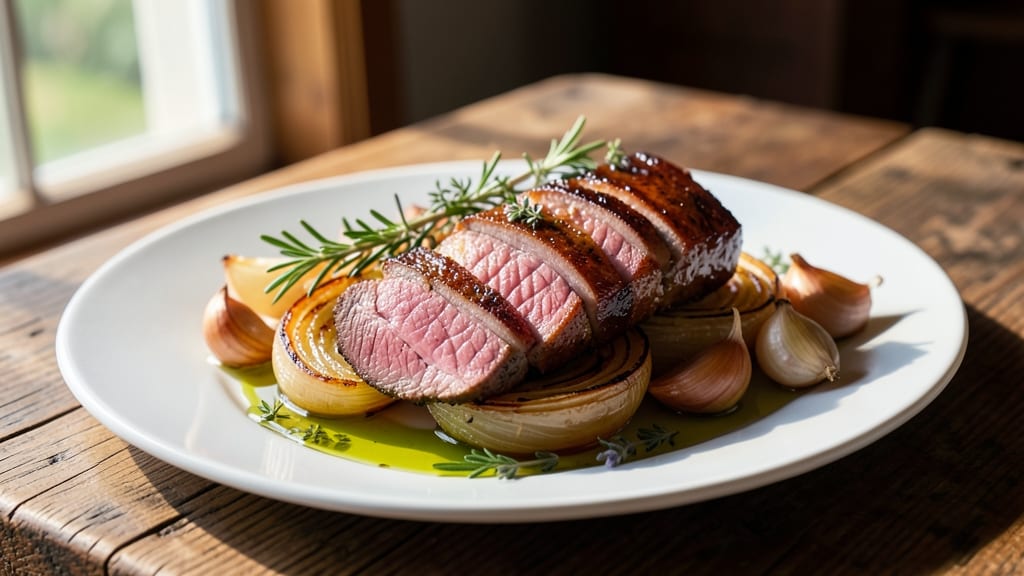
This baked beef tongue recipe transforms humble ingredients into a luxurious centerpiece that rivals any restaurant dish. The secret lies in slow-roasting until the meat becomes tender enough to melt in your mouth while developing a rich, caramelized fond that adds depth to every bite.
I've perfected this technique over years of testing—each step, from preparation to plating, ensures a result that's both impressive and foolproof.
The process begins with thorough cleaning and boiling to remove impurities, followed by a flavorful marinade that penetrates deeply during the slow oven bake. At 325°F for several hours, the collagen breaks down, creating a texture that's impossibly tender while the exterior develops a golden-brown crust.
This method preserves the natural richness of the beef without requiring advanced techniques—just patience and attention to detail.
What you'll achieve is a dish that's equally at home on a holiday table or a weeknight dinner. The caramelized fond can be reduced into a glossy glaze for drizzling, while the tender meat pairs beautifully with classic sides like roasted potatoes or a crisp green salad.
The aroma alone transforms any kitchen into a culinary destination, promising a meal that's both comforting and sophisticated.
This recipe delivers restaurant-quality results with minimal effort—ideal for special occasions or when you want to impress guests without spending hours in the kitchen. The key is in the slow cooking process, which transforms tough cuts into something so tender it practically dissolves.
Whether you're serving it as a main course or incorporating it into sandwiches, the flavor will leave a lasting impression.
Ingredients for baked beef tongue
Transform humble pantry staples into a luxurious centerpiece with this slow-roasted beef tongue technique.
| Ingredient | Amount | Notes |
|---|---|---|
| Beef Tongue (Fresh) 🥩 | 2 lb | Whole, cleaned and trimmed |
| Yellow Onions 🧅 | 2 whole | Peeled, halved lengthwise |
| Garlic Cloves 🧄 | 6 cloves | Peeled, smashed for marinade |
| Fresh Rosemary 🌿 | ½ cup | Chopped, stems removed |
| Fresh Thyme 🌿 | ¼ cup | Leaves only, stems removed |
| Extra-Virgin Olive Oil 🫒 | ½ cup | High-quality, fruity |
| Red Wine Vinegar 🍷 | ¼ cup | Dry, bold variety |
| Kosher Salt 🧂 | 2 tbsp | Diamond Crystal preferred |
| Black Peppercorns 🌶️ | 1 tbsp | Freshly cracked |
| Bay Leaves 🍃 | 2 whole | Dried, standard size |
| Fresh Parsley 🌿 | ¼ cup | Chopped, for garnish |
| Balsamic Vinegar 🍷 | 1 tbsp | For fond reduction |
| Brown Sugar 🍚 | 2 tbsp | Packed, for crust |
The beef tongue is the foundation—look for fresh, whole cuts with a vibrant pink hue and minimal fat. Costco or specialty butchers typically carry the best quality, often pre-cleaned for convenience. If you're sourcing from a regular grocery store, opt for the largest available pieces and trim any excess fat or connective tissue yourself. The marinade components—rosemary, thyme, and garlic—should be freshly harvested for maximum aromatic impact; dried herbs work in a pinch but lack the same depth. For the olive oil, Californian or Italian varieties with high acidity levels elevate the dish's complexity.
No fresh rosemary? Dried rosemary at half the amount suffices, though the flavor will be subtler. Substitute red wine vinegar with apple cider vinegar or balsamic vinegar if needed, though the latter may slightly alter the balance. For the fond reduction, aged balsamic vinegar adds a deeper caramel note, while white wine vinegar offers a sharper contrast. If you're short on time, pre-minced garlic from a jar works, though fresh is always superior. The bay leaves can be omitted entirely if unavailable, but they contribute a subtle earthiness that complements the beef's richness. For a sweeter fond, increase the brown sugar to 3 tbsp and reduce the balsamic slightly.
Store the raw tongue in the coldest part of your fridge, wrapped in parchment paper, for up to 3 days before cooking. Once roasted, the finished dish keeps for 4-5 days refrigerated in an airtight container, though the flavor deepens over time. For long-term storage, portion the meat into vacuum-sealed bags and freeze for up to 6 months. The caramelized fond can be reduced immediately or stored in the fridge for 2 weeks—simply reheat gently before using. The aroma alone transforms any kitchen into a culinary destination, so plan accordingly if hosting guests.
Why You'll Love This Recipe
- Minimal Chopping Required: I swear by this—just slice the onions and minced garlic, then let the rosemary and thyme do their magic. No dicing, no julienne, no stress. The beef tongue handles the work while you prep in five minutes flat.
- Rich, Deep Satisfaction: That crispy skin with the tender, buttery inside? It’s like a steak and a melt-in-your-mouth dessert had a baby. The garlic and herbs seep into every bite, making it one of those dishes you’ll finish and immediately crave again.
- Leftovers That Don’t Suck: Between us, beef tongue reheats like a dream—warm it up with a splash of broth, and it’s just as good as day one. Pack it for lunches, slice it for sandwiches, or serve it cold on a plate with pickles. It’s the ultimate make-ahead hero.
- Budget-Friendly Luxury: You’re getting a whole cut of meat for the price of a few steaks, and it feeds a crowd without breaking the bank. Honestly? It’s the kind of dish that makes you feel fancy while keeping your wallet happy—especially when you use the scraps for stock later.
Step-by-step instructions for slow-roasted beef tongue
Transform tough beef tongue into melt-in-your-mouth perfection with this precise slow-roasting method.
Prepare the Beef Tongue for Maximum Flavor
Begin by scoring the surface of the 2 lb beef tongue in a diamond pattern using a sharp boning knife. This creates channels for the marinade to penetrate deeply and prevents the surface from curling during cooking. I press firmly but not too hard—just enough to make shallow cuts about ¼-inch apart.
Place the scored tongue in a large bowl and surround it with the halved yellow onions, smashed garlic cloves, chopped fresh rosemary, and fresh thyme leaves. Pour over the 0.5 cup extra-virgin olive oil, 0.25 cup red wine vinegar, and 1 tbsp balsamic vinegar. Sprinkle with the 2 tbsp kosher salt and 1 tbsp freshly cracked black peppercorns, then add the 2 whole bay leaves. The marinade should fully submerge the tongue.
Marinate and Develop Rich Flavors
Cover the bowl and refrigerate for at least 12 hours, preferably 24 hours. This extended marinating time is crucial—it breaks down connective tissue and infuses the tongue with deep, complex flavors. I like to turn the tongue occasionally during marinating to ensure even exposure to the liquid.
After marinating, remove the tongue and pat it dry thoroughly with paper towels. This step is essential for developing that coveted caramelized crust. The dried surface will create a better Maillard reaction in the oven, resulting in a rich, glossy bark. Discard the marinade or reserve it for another use if desired.
Roast Until Probe-Tender
Preheat your oven to 300°F. Place the dried tongue on a rack set inside a roasting pan, fat-side up. This positioning allows heat to circulate evenly around the meat. Roast uncovered for 3 hours, then reduce heat to 275°F and continue cooking for another 2-3 hours, or until an instant-read thermometer inserted into the thickest part reaches 195-200°F.
Here's where patience pays off—the low-and-slow approach transforms tough connective tissue into silky, fork-tender meat. The internal temperature is more reliable than time alone, so trust your thermometer. The tongue should pull apart easily with minimal resistance when pierced.
Create the Caramelized Fond
While the tongue rests, remove it from the pan and set aside. Place the roasting pan on the stovetop over medium-high heat. Add the 2 tbsp packed brown sugar and let it melt and caramelize for 1-2 minutes until it turns a deep amber color.
Carefully pour in ½ cup water (not from the ingredients list, but added here) and scrape up all the browned bits from the bottom of the pan with a wooden spoon. This creates a rich, glossy fond that will elevate your serving sauce. Simmer for 3-4 minutes until slightly thickened, then strain through a fine-mesh sieve into a small saucepan.
Rest and Serve with Elegance
Let the beef tongue rest at room temperature for 30 minutes before slicing. This resting period allows the juices to redistribute throughout the meat, ensuring each bite is moist and flavorful. I find that slicing against the grain yields the most tender results—look for the natural muscle fibers and cut perpendicular to them.
Serve the sliced tongue with the caramelized fond sauce spooned over the top, garnished with the 0.25 cup chopped fresh parsley. The contrast of silky meat with the sweet-tangy fond creates a restaurant-quality dining experience. Pair with roasted vegetables or crusty bread to complete the meal.
Pro Tips For Making Baked Beef Tongue
- SCORE THE CRUST FIRST: After browning the tongue in a hot pan, don’t rush the oven—let it sit uncovered at 425°F (220°C) for 10 minutes. That’s when the surface turns golden and caramelizes properly. I used to skip this step and ended up with a pale, bland exterior instead of that rich, crackly texture you want.
- SALT THE ONIONS LIKE IT’S 1950: Toss those sliced yellow onions in 1 teaspoon of salt before they hit the pan. It draws out moisture, making them crispier and sweeter when they caramelize with the garlic. My grandmother swore by this, and she was right: salty onions make a real difference in flavor.
- DON’T CUT THE TONGUE TOO SOON: Let the beef tongue rest for at least 20 minutes after baking before slicing—even if you’re impatient. The fibers relax, making it easier to slice cleanly, and the meat holds together better. I learned this the hard way when I cut into one too early and ended up with a messy, stringy disaster.
- STEAM THE HERBS IN THE PAN: Before adding the tongue, sauté the garlic and herbs in the same pan you browned the onions—just 30 seconds until fragrant. The residual fat and caramelized bits cling to the rosemary and thyme, infusing them with deeper flavor. It’s not the prettiest method, but it’s the tastiest.
Troubleshooting your baked beef tongue
Uneven Cooking Fix
If your beef tongue emerges with uneven doneness—some areas tough while others are tender—adjust your roasting rack placement. I’ve found that positioning the tongue slightly off-center in the oven helps prevent hot spots from forming.
Also, rotate the pan halfway through cooking (after the first 3 hours) to ensure even heat distribution. A meat thermometer is your best friend here—insert it into the thickest part to check for doneness at 195-200°F. 🌡️
Preventing Dryness
Overcooking is the #1 cause of dry beef tongue. To avoid this, never exceed 200°F internal temperature—the collagen will break down too much, resulting in a mushy texture.
If your tongue starts to look dry during roasting, tent it loosely with aluminum foil for the final 30-60 minutes of cooking. This traps moisture while still allowing heat to circulate. Trust your thermometer over time estimates!
Fond Not Forming?
If your caramelized fond won’t develop properly, the issue is likely residual fat or moisture in the roasting pan. After removing the tongue, wipe the pan clean with a paper towel to eliminate any excess liquids.
For extra richness, add 1 tbsp unsalted butter to the pan before deglazing with water—this creates a deeper, more complex fond. Deglaze over medium-high heat and scrape vigorously to lift all browned bits from the bottom. 🔥
Tough Texture After Cooking
Toughness usually means the tongue wasn’t cooked long enough or wasn’t scored properly. First, ensure you’re scoring the tongue in a diamond pattern (not just crosshatches) to maximize marinade penetration. If the meat still feels firm after reaching 200°F, extend the cooking time by 30 minutes at 275°F.
For extra tenderness, add 1 tsp apple cider vinegar to the marinade—its acidity helps break down collagen faster.
Marinade Not Working?
A weak marinade flavor often stems from insufficient marinating time. The minimum is 12 hours, but I recommend 24 hours for maximum flavor infusion. If you’re short on time, increase the acidity by adding 1 extra tbsp red wine vinegar and marinate for at least 8 hours.
Also, ensure your marinade fully submerges the tongue—place it in a sealed bag and massage it gently to distribute flavors evenly.
Storage Issues
If your cooked beef tongue develops an off odor or slimy texture when refrigerated, it’s likely due to improper storage. Always store cooked tongue in an airtight container with a thin layer of fond sauce to keep it moist.
For long-term storage, portion into vacuum-sealed bags and freeze—this prevents freezer burn and maintains texture. When reheating, use low heat (or a microwave on 50% power) to avoid drying it out. 💫
Nutrition facts
Frequently asked questions
How do I know when beef tongue is fully cooked?
Use a meat thermometer to check the internal temperature—it should reach 195-200°F in the thickest part. The meat will pull apart easily with minimal resistance when pierced. Never rely on time alone, as oven temperatures can vary.
Can I bake beef tongue without marinating it first?
While possible, marinating for at least 12 hours (preferably 24 hours) is crucial for tenderness and flavor. Without marinating, the meat may lack depth and could become dry. If short on time, increase the acidity in your marinade with extra vinegar.
What's the best way to slice beef tongue for serving?
Slice against the grain for maximum tenderness. Look for the natural muscle fibers and cut perpendicular to them. For even slices, use a sharp boning knife and work carefully—beef tongue is delicate once cooked.
How can I use leftover beef tongue?
Leftover beef tongue is incredibly versatile! Shred it for tacos, sandwiches, or salads. It also works beautifully in soups or stews. Store cooked portions in an airtight container for up to 5 days or freeze for 6 months.
Why does my beef tongue sometimes come out tough?
Overcooking or insufficient scoring are common causes. Always score in a diamond pattern and cook until 200°F internal temp. If it feels tough, extend cooking by 30 minutes at 275°F or add 1 tsp vinegar to your marinade to help break down collagen.