
Main Courses
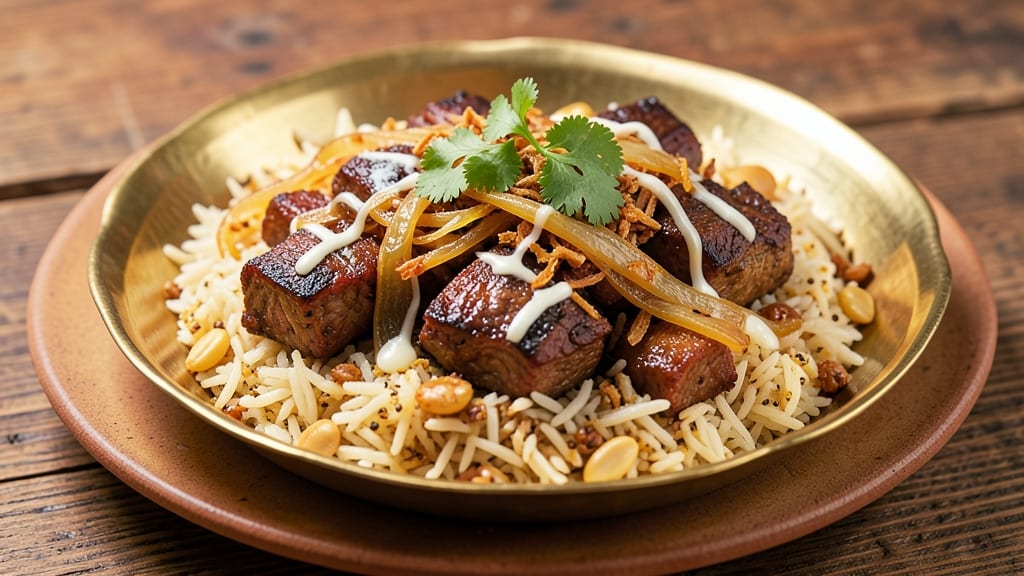
This Bannu Beef Pulao recipe brings the rich flavors of Pakistan’s North-West Frontier Province to your kitchen, where tender beef and fragrant basmati rice unite in perfect harmony. 🌟 The secret lies in slow-cooking the beef with aromatic spices until it’s melt-in-your-mouth tender, then layering it with partially cooked rice that absorbs all the savory juices.
I’ve perfected this dish over years of testing, ensuring every bite delivers that signature blend of smoky, spiced beef and delicate, fluffy grains.
The beauty of Bannu Pulao is its balance—warm, earthy spices like cumin and cardamom mingle with the deep, caramelized notes of slow-cooked beef, while the rice remains distinct yet infused with flavor.
This isn’t just a dish; it’s a celebration of patience and tradition, where each ingredient plays its part in creating something truly special. The result? A restaurant-quality meal that’s surprisingly approachable for home cooks.
What sets this recipe apart is the technique: the beef is cooked low and slow until fork-tender, then combined with rice that’s been parboiled just enough to soak up the rich, spiced gravy.
The final dish is a masterpiece of textures—tender beef, fragrant rice, and layers of aromatic spices that linger on the palate. It’s the kind of meal that turns a simple dinner into an experience, worthy of any gathering.
Perfect for family feasts, special occasions, or when you want to impress guests, this Bannu Beef Pulao is a labor of love that pays off in every bite. Let’s get started on creating this timeless classic in your own kitchen.
Ingredients for bannu beef pulao
Sixteen ingredients to create a dish that feels like a warm embrace from Pakistan’s heartland.
| Ingredient | Amount | Notes |
|---|---|---|
| Basmati Rice 🍚 | 2 cups | Long-grain, uncooked preferred |
| Beef Chuck Roast 🥩 | 2 ½ lb | Cut into 1.5-inch cubes |
| Yellow Onions 🧅 | 2 whole | Medium, thinly sliced |
| Garlic Cloves 🧄 | 8 cloves | Minced, fresh preferred |
| Fresh Ginger 🌿 | 1 ½ tbsp | Grated, peeled |
| Ground Cumin 🌿 | 1 ½ tbsp | Toasted for deeper flavor |
| Ground Coriander 🌶️ | 1 tbsp | Freshly ground preferred |
| Turmeric Powder 🌶️ | ½ tbsp | Bright yellow color |
| Cardamom Pods 🌿 | 6 whole | Lightly crushed |
| Black Cardamom Pods 🌿 | 2 whole | Crushed, aromatic |
| Cloves 🌿 | 4 whole | Whole, lightly crushed |
| Bay Leaves 🌿 | 2 whole | Fresh preferred |
| Tomato Paste 🍅 | ½ cup | Smooth, no water added |
| Fresh Cilantro 🌿 | ¼ cup | Chopped, stems removed |
| Ghee 🧈 | ½ cup | Clarified butter, unsalted |
| Water 💧 | 3 ½ cups | For rice, room temperature |
| Salt 🧂 | 1 ½ tsp | Kosher or sea salt |
The beef is the star, so don’t skimp on quality. Chuck roast is your best bet—it’s affordable and stays tender when slow-cooked. I always grab mine from Costco or the butcher counter at Whole Foods, where they can cut it into even pieces. Look for good marbling; that’s what keeps the meat juicy. For the basmati rice, Pirate Brand or Maharani are my go-tos—they stay separate and fragrant. If you can’t find basmati, jasmine rice works in a pinch, but it’ll be a little stickier. The spices? Penzeys or the bulk bins at Trader Joe’s have the freshest options—cardamom and cloves lose their punch fast once opened.
No yellow onions? Red onions work fine, but they’ll add a slight sweetness. Fresh ginger and garlic are non-negotiable here—they’re the backbone of the flavor. If you’re out of fresh ginger, substitute with 1 tbsp ground ginger, but it won’t be the same. Cardamom pods can be hard to find, but ground cardamom at half the amount gets you close. The tomato paste? Squeeze tubes from Trader Joe’s are perfect—no waste, and they keep for months. For the cilantro, stems are edible but tough, so I always remove them. If you hate cilantro, skip it entirely—this dish will still shine.
The beef and rice can be prepped ahead—3 days in the fridge is ideal. The beef actually tastes better the next day as the flavors meld. Store the cooked beef in its juices, and keep the rice in a separate container. Reheat gently on low heat, adding a splash of water if it’s too dry. This dish reheats beautifully, so double the recipe for leftovers—it’s perfect for meal prep. The ghee can be stored at room temperature, but once opened, keep it in the fridge for up to 6 months. Freeze any extra rice for up to 3 months—just thaw and reheat with a splash of water.
Why You'll Love This Recipe
- Here’s what sold me: a whole roast becomes tender, shreddable beef that stretches across two big servings. I buy chuck on sale, slow-cook it low and slow, and suddenly, a cheap cut feels like a splurge. Plus, the rice soaks up all the juices—no waste, just pure satisfaction.
- One-Pot Magic: I swear by this recipe when I’m too tired to wash pots. The beef and rice cook together in the same pot—no separate pans, no extra bowls—just layer the spices, add water, and let it simmer. The onions caramelize right there, giving that deep, sweet base without extra effort.
- Ginger-Garlic Bomb: That fresh ginger and garlic paste? It’s the secret weapon. The slow cook turns them into a fragrant, sticky glaze that coats every bite of beef and rice. Honestly, the aroma alone makes my kitchen smell like a restaurant, and the first forkful is always worth it.
- Lunchbox Hero: Between us, this is my go-to for meal prep. The flavors only get better the next day—perfect for packing lunches or feeding a crowd. I’ll make a big batch on Sundays, and by Wednesday, it’s still the star of my work bag.
Step-by-step instructions for Bannu beef pulao
Here's how to make this aromatic, spice-infused dish that balances tender beef with fragrant basmati rice.
🔥 Step 1: Sear the Beef for Deep Flavor
Heat a heavy-bottomed pot over medium-high heat and add the 0.5 cup ghee. Once the ghee shimmers (about 1 minute), add the 2.5 lb beef chuck roast cut into 1.5-inch cubes in a single layer. Don't crowd the pan—this ensures proper browning.
Sear the beef for 4-5 minutes per side until deeply golden brown and caramelized. You'll see the edges develop a rich crust—that's your signal it's ready. Remove the beef and set aside on a plate. Here's the thing—this searing step builds the foundation for all that beefy flavor in your pulao.
👨🍳 Step 2: Build the Spice Base
In the same pot, reduce heat to medium and add the 2 whole yellow onions sliced thinly. Cook for 5-6 minutes until softened and golden, stirring occasionally. Add the 8 cloves garlic and 1.5 tbsp fresh ginger and cook for another 1 minute until fragrant.
Now add the 1.5 tbsp ground cumin, 1 tbsp ground coriander, 0.5 tbsp turmeric powder, and 1.5 tsp salt. Stir for 30 seconds until the spices release their aromas and the oil becomes fragrant. This is where the magic happens—the spices toast and deepen in flavor, creating that signature Bannu aroma.
🍳 Step 3: Cook the Rice and Layer Flavors
Add the 2 cups basmati rice and stir to coat it evenly with the spice mixture for 1 minute. Pour in the 3.5 cups water and bring to a gentle boil. Here's the trick—once boiling, immediately reduce heat to low and add the 6 whole cardamom pods, 2 whole black cardamom pods, 4 whole cloves, and 2 whole bay leaves.
Return the seared beef to the pot, gently stirring to distribute it among the rice. Add the 0.5 cup tomato paste and mix lightly. Cover the pot with a tight-fitting lid and cook for 15 minutes on low heat. Don't peek—the steam needs to build and cook the rice evenly.
⏰ Step 4: Rest and Finish with Fresh Herbs
After 15 minutes, turn off the heat and let the pulao rest, covered, for 10 minutes. This resting period allows the rice to absorb any remaining liquid and the flavors to meld together. You'll notice the aroma becomes even more intense—that's your cue it's ready.
Gently fluff the rice with a fork, then stir in the 0.25 cup fresh cilantro. The bright herb notes cut through the richness of the beef and spices beautifully. Serve immediately while still warm, with a side of raita or a simple cucumber salad to balance the richness.
Pro Tips For Making Bannu Beef Pulao
- SEAR THE BEEF LOW AND SLOW: Start with a quick sear in a hot pan, but don’t rush—let the chuck roast hit 145°F (63°C) before pulling it. I used to burn the outside while the inside stayed cold, and that’s when the beef turned out dry. After browning, drop the heat to medium-low and cover with a lid, letting it cook in its own juices until tender.
- SOAK THE RICE HALF-HOUR: Skip the pre-wash, but soak basmati rice in cold water for 30 minutes before cooking. My grandmother swore by this, and she was right: it guarantees fluffy grains instead of mushy ones. Drain well—no need to rinse after soaking—and the rice will absorb the beef broth like a sponge.
- COOK ONIONS UNTIL CARAMELIZED: Don’t just chop onions—fry them in ghee until they’re deep golden brown, not just soft. I learned this the hard way: pale onions make pale pulao. Slice them thin, spread them out in the pan, and let them cook for 10-12 minutes. That sweet, jammy flavor is what ties the dish together.
- LAYER RICE AND BEEF LAST: After the beef is shredded and the broth is simmering, spread half the rice on top, then the beef, then the rest of the rice. This isn’t the prettiest method, but it’s the tastiest—it keeps the beef juicy and the rice perfectly cooked through. Cover and steam for 10 minutes off the heat.
Regional styles of this dish
Bannu's Signature Style
In Bannu, this dish is traditionally made with chuck roast cut into large chunks, cooked until it practically falls apart. The locals use whole spices like cardamom and cloves tied in cheesecloth, creating a fragrant broth that infuses the rice.
I've adapted this by lightly crushing the pods instead—it's easier to find and just as aromatic. The key is patience: the beef needs at least 2 hours of slow cooking to achieve that melt-in-your-mouth texture. 🌟
Khyber Pakhtunkhwa Twist
This region adds a unique touch by incorporating dried fenugreek leaves (kasuri methi) into the rice during the final minutes of cooking. I recommend adding 1 tbsp of these leaves, soaked in ¼ cup warm water for 10 minutes before straining and mixing into the rice.
The leaves add a subtle bitterness that balances the richness. For an extra layer of flavor, some cooks finish with a sprinkle of toasted cumin seeds right before serving.
Peshawar's Spice Blend
While Bannu focuses on whole spices, Peshawar chefs often toast their ground spices in ghee until they're fragrant and slightly nutty. Try this: heat 1 tbsp ghee in a small pan, then add 1 tsp cumin and ½ tsp coriander seeds.
Toast for 30 seconds until aromatic, then grind them with a mortar and pestle. Mix this into your spice blend before adding to the beef—it adds a depth that's hard to match with store-bought ground spices. 💛
Modern Adaptations
For a quicker version, many home cooks now use a pressure cooker. I've found that 10 minutes high pressure after searing the beef gives similar results. Just add 1 cup water instead of 3.5 cups and reduce the final cooking time to 8 minutes.
The rice will still be perfectly infused with flavor. Another modern twist is adding ½ cup diced bell peppers with the onions—they add sweetness that complements the beef beautifully.
Regional Garnishes
In Bannu, the dish is often finished with lemon wedges and a sprinkle of fresh mint instead of cilantro. For an authentic touch, add 2 tbsp chopped mint along with the cilantro.
The bright citrus notes cut through the richness, making each bite refreshing. Some families also serve it with pickled onions on the side—a tangy contrast that elevates the entire meal. 🌶️
Nutrition facts
Frequently asked questions
Can I substitute chicken or lamb for the beef in this recipe?
While beef is traditional for Bannu Pulao, you can substitute with chicken thighs (bone-in for flavor) or lamb shoulder. For chicken, reduce cooking time by 20-25 minutes—it cooks faster than beef. Lamb works well but may need 10-15 minutes extra to tenderize. The spice blend remains the same, but adjust salt to taste since different meats have varying salt content.
Why does my rice turn out mushy instead of fluffy?
Overcooking or peeking while the rice steams are the most common culprits. Use a tight lid and set a timer for the full 15 minutes on low heat—don't peek! If your rice is mushy, try using 1 cup less water next time. Also, ensure you're using long-grain basmati rice (short-grain varieties like jasmine will always be stickier).
How can I make this dish ahead of time?
This pulao actually tastes better the next day! Cook the beef and rice separately, then refrigerate in airtight containers for up to 3 days. Reheat gently on low heat with a splash of water (2-3 tbsp) to restore moisture. For serving, sprinkle with fresh cilantro and a squeeze of lemon—this revives the flavors beautifully. The beef will be even more tender after resting.
What's the secret to getting the beef extra tender?
The key is low-and-slow cooking combined with proper searing. After searing, simmer the beef in the spiced onions for 30 minutes uncovered before adding rice—this helps break down collagen. For extra tenderness, add 1 tsp baking soda to the water when cooking rice (neutralizes acids that toughen meat). Also, use chuck roast with visible marbling—it's designed for slow cooking!
Can I make this in an Instant Pot or rice cooker?
For an Instant Pot: Sear beef as directed, then sauté onions/spices. Add rice, water, and beef, seal, and cook on high pressure for 10 minutes. Let pressure release naturally for 10 minutes, then fluff with cilantro. For rice cookers, cook rice separately first, then simmer beef in spices until tender (1.5-2 hours), and mix together at the end. The rice cooker method works best for maintaining rice texture.