
Main Courses
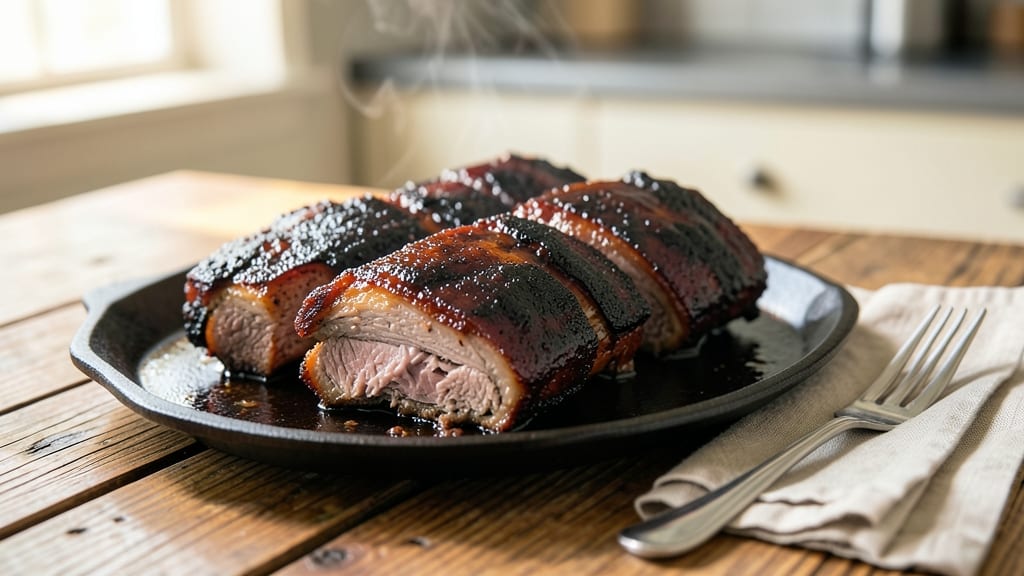
Mastering barbecue beef short ribs means transforming tough, flavorful meat into melt-in-your-mouth perfection through precise low-and-slow cooking. This recipe delivers restaurant-quality results with a rich, smoky crust and fall-off-the-bone tenderness that comes from hours of careful preparation.
I’ve perfected the technique over countless batches, ensuring every bite is juicy, deeply seasoned, and worth the wait.
The secret lies in the marinade—a blend of bold spices and a touch of sweetness that tenderizes the meat while building a flavorful bark.
We’ll use a dry rub for the final crust, then slow-smoke the ribs until they reach an internal temperature of 203°F, where collagen breaks down into gelatin for that signature tenderness. The process requires patience, but the reward is unmatched.
By the end, you’ll have ribs that glisten with a sticky, caramelized sauce and separate effortlessly at the touch of a fork. The aroma alone will have everyone gathering around the table, and the first bite will silence any doubters.
Serve with classic barbecue sides for a meal that feels like a celebration every time.
This method works equally well for smokers, ovens, or even a dedicated slow cooker—adjusting only the cooking time. The key is maintaining consistent heat and moisture, which we’ll cover in detail. Let’s get started on creating ribs that will become your new signature dish.
Ingredients for barbeque beef short ribs
Four pounds of beef short ribs plus bold spices transform into melt-in-your-mouth barbecue perfection.
| Ingredient | Amount | Notes |
|---|---|---|
| Beef Short Ribs 🥩 | 4 lb | Bone-in, 2-3 inches thick |
| Yellow Onion 🧅 | 1 whole | Sliced into wedges |
| Garlic Cloves 🧄 | 8 cloves | Smashed with side of knife |
| Brown Sugar 🍯 | ½ cup | Packed firmly |
| Kosher Salt 🧂 | 2 tbsp | Diamond Crystal preferred |
| Black Peppercorns 🌶️ | 1 tbsp | Freshly cracked |
| Smoked Paprika 🌶️ | 1 tbsp | High-quality for smokiness |
| Ground Cumin 🌿 | 1 tbsp | Toasted for depth |
| Dried Thyme 🍃 | 1 tsp | Or 0.25 cup fresh |
| Chipotle Powder 🔥 | 1 tsp | For subtle heat |
| Apple Cider Vinegar 🍎 | ¼ cup | For tenderizing |
| Beef Broth 💧 | 1 cup | Low-sodium preferred |
| Worcestershire Sauce 🍶 | 1 tbsp | High-quality brand |
| Wood Chips 🌳 | 1 cup | Hickory or oak preferred |
| Unsalted Butter 🧈 | 2 tbsp | For finishing |
The ribs are everything. Look for bone-in, 2-3 inch thick cuts—this ensures maximum flavor and tenderness. Costco or your local butcher shop will have the best quality, often labeled as 'beef short ribs' or 'beef short ribs, bone-in'. If you're buying pre-cut, check for good marbling and bright red color. The thicker the bone, the better—it helps retain moisture during the long cook. For this recipe, I prefer the chuck roll cut, but any beef short rib will work.
No smoked paprika? Substitute with a mix of regular paprika and a pinch of liquid smoke—just don't overdo it. Fresh thyme is ideal, but dried works at one-third the amount. The chipotle powder can be swapped for regular cayenne if you're sensitive to heat. For the apple cider vinegar, balsamic vinegar works too. The beef broth should be low-sodium—Swanson or Pacific Foods are reliable brands. If you're short on time, a slow cooker with a meat probe can handle the cooking, just add 2-3 hours to the total time.
The ribs reheat beautifully—wrapped in foil with a splash of broth for 15 minutes at 300°F. Store leftovers in the fridge for up to 5 days, or freeze for 3 months. I like to portion them into individual containers so they're ready for quick lunches. The dry rub keeps well in an airtight container for 6 months, so make extra for future smokes. The finished ribs are best served immediately, but they'll taste great the next day too.
Why You'll Love This Recipe
- One-Pan Magic: I swear by this recipe—just toss the ribs, onions, and garlic on a sheet pan, add a sprinkle of brown sugar and salt, and let the oven do the work. No flipping, no fussing, and no extra dishes.
- Sweet-Savory Bomb: That caramelized brown sugar clinging to the ribs? Absolute perfection. The onions turn glassy-sweet while the garlic infuses everything with warmth—it’s the kind of flavor that makes you close your eyes and sigh.
- Weeknight Crowd-Pleaser: Between us, this feeds six without breaking the bank, and the leftovers? Even better the next day. Toss them in tacos, sandwiches, or just reheat with a splash of water—it’s my go-to for lazy Sundays or game days.
- Budget-Friendly Luxury: Short ribs might sound fancy, but they’re cheaper than steak and pack serious flavor. A few simple ingredients stretch into multiple meals, and honestly? It feels like a restaurant-worthy dish for half the price.
Step-by-step instructions for slow-smoked beef short ribs
Here's the method that transforms tough short ribs into melt-in-your-mouth perfection.
Prepare the Dry Rub and Prep the Ribs
In a medium bowl, combine the 0.5 cup brown sugar, 2 tablespoons kosher salt, 1 tablespoon smoked paprika, 1 tablespoon ground cumin, 1 teaspoon dried thyme, 1 teaspoon chipotle powder, and 1 tablespoon freshly cracked black peppercorns. Mix thoroughly until the sugar and spices are evenly distributed—this ensures every bite gets that perfect balance of sweet, smoky, and spicy flavors.
Pat the 4 lb beef short ribs completely dry with paper towels, then generously coat them with the dry rub mixture. Press the rub firmly into the meat so it adheres well, especially in the crevices. Real talk: this step makes all the difference in creating that deep, caramelized bark later. Place the rubbed ribs on a wire rack set over a baking sheet and refrigerate uncovered for at least 2 hours (or up to overnight). This resting period allows the rub to penetrate deeply and the meat to dry slightly, which is crucial for that perfect crust.
Set Up the Smoker and Start Cooking Low and Slow
Preheat your smoker to 225°F using the 1 cup wood chips (hickory or oak works best). Let it smoke for about 15 minutes to establish a steady temperature and ensure clean, blue smoke—this is your signal that the smoker is ready. Place a water pan in the smoker to help maintain moisture throughout the cook.
Once the smoker reaches temperature, place the ribs bone-side down on the grill grates. The fat cap should be facing up to protect the meat and render flavorful juices. Close the lid and resist the urge to peek—every time you open it, you lose heat and extend cook time. Smoke the ribs for 6 hours, flipping them once after 3 hours to ensure even cooking and maximum bark development. You'll know they're ready when the internal temperature reaches 165°F at the thickest part of the meat.
Build the Sauce and Finish with Apple Cider Vinegar
While the ribs smoke, prepare the sauce by combining the 0.25 cup apple cider vinegar, 1 cup beef broth, and 1 tablespoon Worcestershire sauce in a saucepan. Bring to a simmer over medium heat and let it reduce by half—this concentrates the flavors and creates a rich, tangy base. Strain the mixture through a fine-mesh sieve to remove any impurities, then set aside.
About 30 minutes before the ribs are done, brush them generously with the reduced sauce. This step adds a glossy finish and infuses the meat with extra depth of flavor. The ribs should have a deep mahogany color and a thick, crispy bark by now. If the sauce starts to dry out, add a splash of beef broth to keep it flowing.
Wrap and Rest for Maximum Tenderness
When the ribs reach 165°F internally, it's time to wrap them in butcher paper (not foil—this allows the bark to stay crispy while keeping the meat tender). Place the wrapped ribs back in the smoker and continue cooking until the internal temperature hits 203°F—this is the "probe-tender" stage where the meat is so tender it practically falls apart. This usually takes another 2 to 3 hours, but don't rush it. Patience here ensures that fall-off-the-bone tenderness you're after.
Once done, remove the ribs from the smoker and let them rest for 15 minutes before slicing. This resting period allows the juices to redistribute, so every bite is moist and flavorful. While they rest, melt the 2 tablespoons unsalted butter in a small saucepan over low heat, then whisk in any accumulated juices from the ribs. This creates a luxurious finishing sauce that ties everything together.
Slice and Serve with Confidence
Slice the ribs against the grain into ½-inch thick portions. The meat should be so tender that it practically melts in your mouth—this is the payoff for all that slow smoking. Serve the ribs topped with the butter sauce and a drizzle of the reduced apple cider vinegar mixture. The contrast of sweet, smoky, and tangy flavors is what makes this dish truly special.
Pair with crusty bread or roasted potatoes to soak up every last bit of that delicious sauce. Leftovers? Store them in the refrigerator for up to 3 days—they're even better the next day as the flavors meld even more. This method guarantees ribs that are tender, flavorful, and packed with that smoky, caramelized goodness you crave.
Pro Tips For Making Barbeque Beef Short Ribs
- Trim the Fat First: Cut the thick fat cap off the short ribs before cooking—it’s the only way to get that crispy crust without grease swimming in your sauce. I learned this the hard way when my ribs turned into a soggy, fatty mess.
- Sear in Batches: Don’t crowd the pan—cook the ribs in 2-3 batches over medium-high heat until deep brown. Rushing this step means they’ll steam instead of sear, and that’s when your barbecue flavor gets lost.
- Brown the Sugar: Caramelize the brown sugar in the pan for 2-3 minutes before adding liquid—it deepens the sauce’s sweetness and adds a smoky depth. Skip this, and you’re just dissolving sugar, not building flavor.
- Rest Before Slicing: Let the ribs sit under foil for 10 minutes after cooking—this keeps them from falling apart when you cut. I used to slice them right away, and half the meat would just slide off the bone.
Wine and beer pairings for this dish
Bold Red Wine Pairings
For these rich, smoky ribs, I reach for a bold Cabernet Sauvignon from Napa Valley—its dark fruit notes and firm tannins stand up to the beef’s intensity.
The 2018 Caymus Vineyards or 2019 Robert Mondavi Reserve are perfect choices, offering enough structure to handle the sauce’s sweetness while complementing the smoky char. Serve slightly chilled (60-65°F) to let the wine’s acidity cut through the fat. 🍷
Malbec’s Smoky Harmony
Argentinian Malbec brings a velvety texture and blackberry flavors that mirror the ribs’ caramelized crust. Look for a Toro Malbec or Catena Zapata—both deliver deep, spicy notes that enhance the chipotle and cumin in the rub.
The wine’s natural sweetness balances the tangy apple cider vinegar in the sauce beautifully. 🌶️
Beer Options: Amber Ales
A hoppy amber ale like Fat Tire or New Belgium Fat Tire cleanses the palate between bites with its malty sweetness and citrusy hop bite. For a craft option, try Allagash White—its coriander and orange peel notes play off the ribs’ smoky-sweet profile.
Serve at 45-50°F to preserve the beer’s crispness. 🍺
Stout for Contrast
If you prefer beer, a dark stout like Guinness or Founders Kentucky Breakfast Stout adds a toasty, almost coffee-like depth that contrasts the ribs’ richness. The stout’s roasted malt notes echo the smoked paprika in the rub, while its creamy texture soothes the palate.
Pour into a tulip glass to concentrate the aromas. ⚡
Light White Wine
For a refreshing counterpoint, a crisp Sauvignon Blanc from New Zealand—like Kim Crawford—works surprisingly well. Its zesty citrus and herbal notes cut through the ribs’ richness, especially when paired with a side of tangy coleslaw. Chill to 45°F for the best experience. 💫
Non-Alcoholic Pairings
Skip alcohol? A sparkling hibiscus iced tea (sweetened with honey) mimics wine’s acidity while adding floral brightness. For a smoky twist, infuse the tea with a cinnamon stick during brewing. Serve over ice with a lemon wedge for a refreshing contrast to the ribs’ bold flavors. 💡
Nutrition facts
Frequently asked questions about slow-smoked beef short ribs
How long should I marinate the ribs before smoking?
For best results, marinate the ribs in the dry rub for at least 2 hours uncovered in the fridge. This allows the spices to penetrate deeply and develop that signature crust. Overnight marination (up to 12 hours) works even better, especially for thicker cuts. Just don't overdo it—beyond 24 hours, the meat can absorb too much moisture and lose tenderness.
Can I cook these ribs in an oven instead of a smoker?
Preheat your oven to 225°F and use a meat thermometer to monitor the temperature. Place the ribs on a rack over a baking sheet with 1 cup water below for moisture. Cook for 6-7 hours until they reach 165°F, then wrap in butcher paper and continue to 203°F (another 2-3 hours). The key is maintaining low, consistent heat—just like with a smoker.
Why do my ribs turn out tough instead of tender?
Most likely, you didn't cook them long enough or at a low enough temperature. Short ribs need 203°F internal temp to break down collagen properly—this is the "probe-tender" stage. If your smoker/oven fluctuates above 250°F, the meat will dry out. Also, check your rub—too much salt or not enough sugar can prevent proper bark formation. Always use a meat thermometer, not time alone.
What's the best way to reheat leftover ribs?
Wrap ribs tightly in foil with a splash of beef broth, then reheat at 300°F for 15-20 minutes. This method keeps them moist and preserves that perfect bark. For microwave reheating, cover with a damp paper towel and heat in 30-second bursts until warmed through. Never reheat above 350°F—high heat makes them rubbery.
Can I use boneless short ribs for this recipe?
Technically yes, but boneless ribs cook much faster and won't have the same rich flavor. They'll reach 203°F in about 3-4 hours instead of 8-10 hours, so monitor closely. For best results, stick with bone-in cuts—the bones add depth and help retain moisture during the long cook. If you must use boneless, reduce the cook time by about 30% and increase the sauce application.